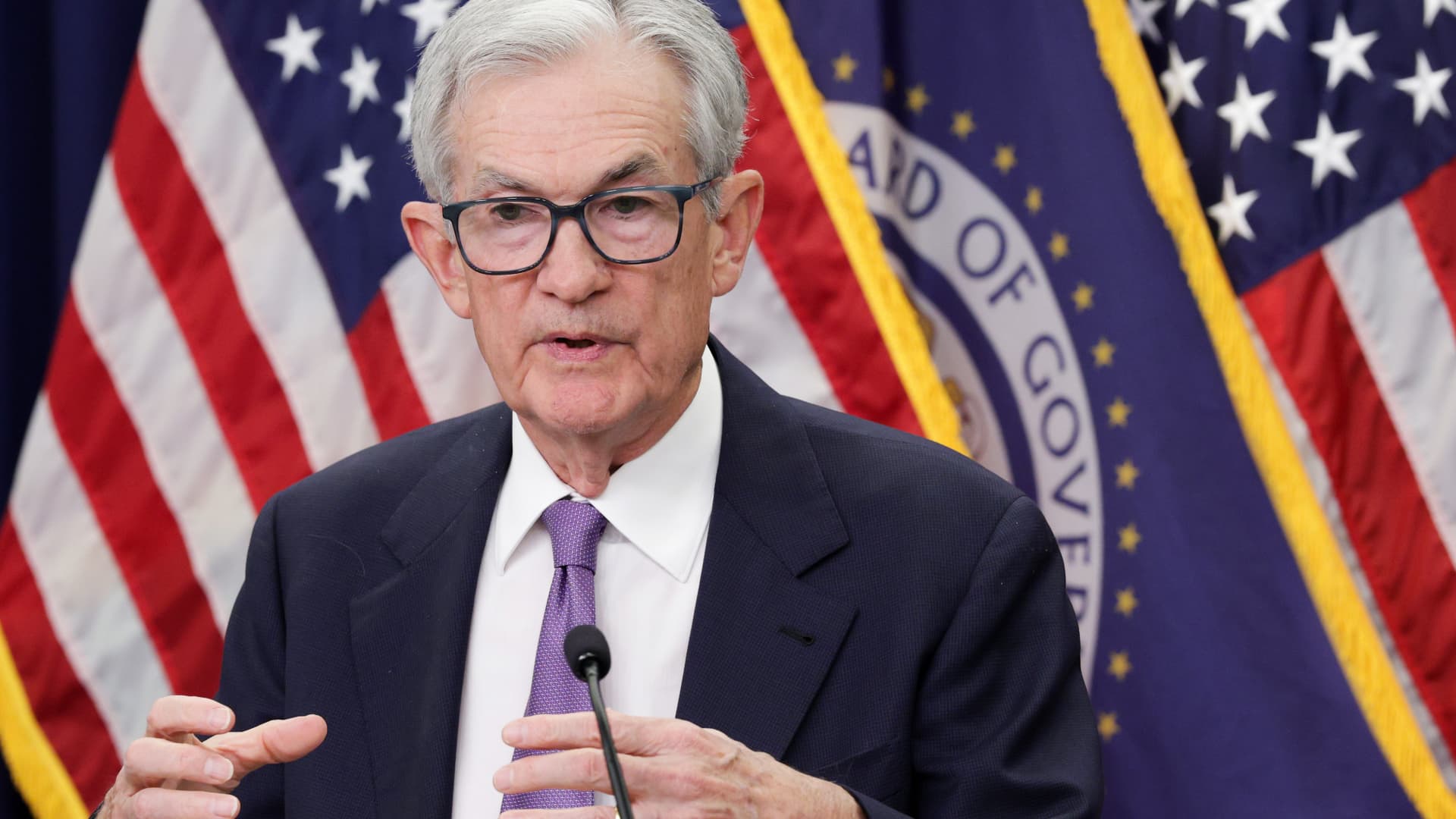
The Federal Reserve cut its benchmark rate by a quarter point at its last meeting of the year.
December’s move marks the third time in a row the central bank lowered interest rates — shaving three-quarters of a point off the federal funds rate since September to a range of 3.5%-3.75%.
The cuts could have a cumulative effect on many of the borrowing and savings rates consumers see every day.
Although the federal funds rate, set by the Federal Open Market Committee, is the interest rate at which banks borrow and lend to one another overnight and not the rate that consumers pay, the Fed’s actions still influence many types of consumer products.
Many shorter-term consumer rates are closely pegged to the prime rate, which is typically 3 percentage points higher than the federal funds rate. Longer-term rates are also influenced by inflation and other economic factors.