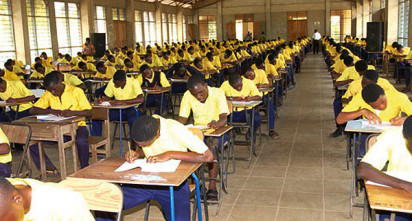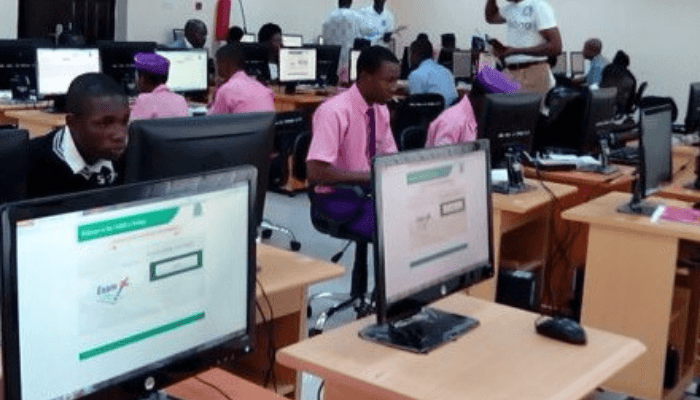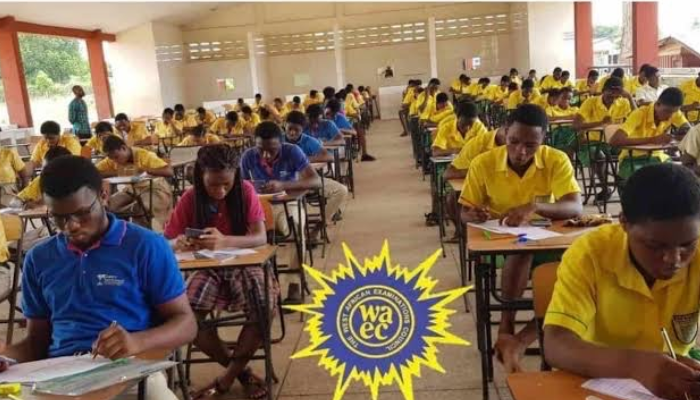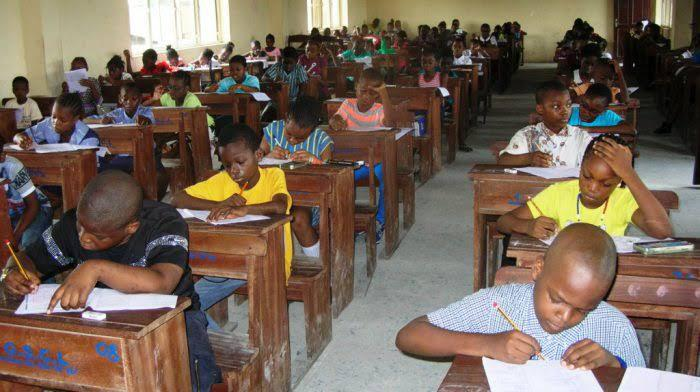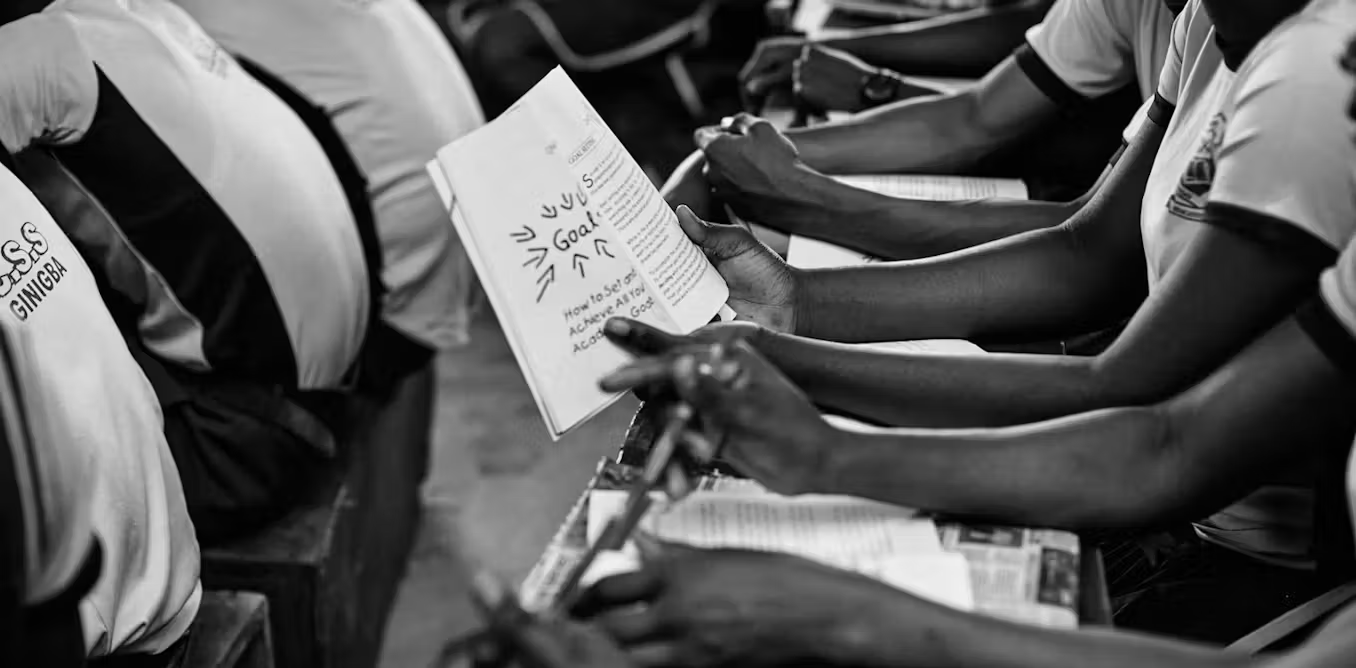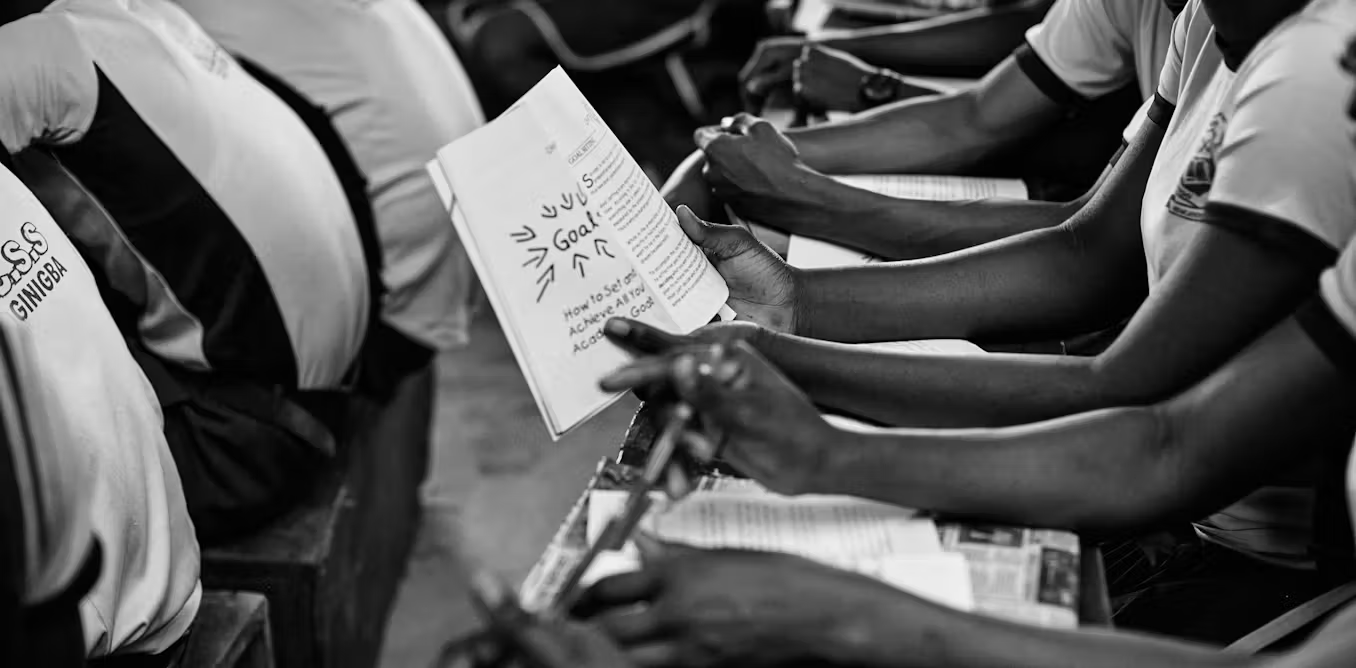
The West African Senior School Certificate Examination (WASSCE) is a high-stakes test. For decades, it has served as the gateway to post-secondary education across five countries: Ghana, Nigeria, Sierra Leone, Liberia and The Gambia. But is it fair?
David Baidoo-Anu and Monsurat Raji say their research shows that cultural bias in exam questions can put students at a disadvantage. This happens through language, contexts and examples. It raises questions about what counts as “ability” in standardised testing.
Why do students in the five countries write the same exam?
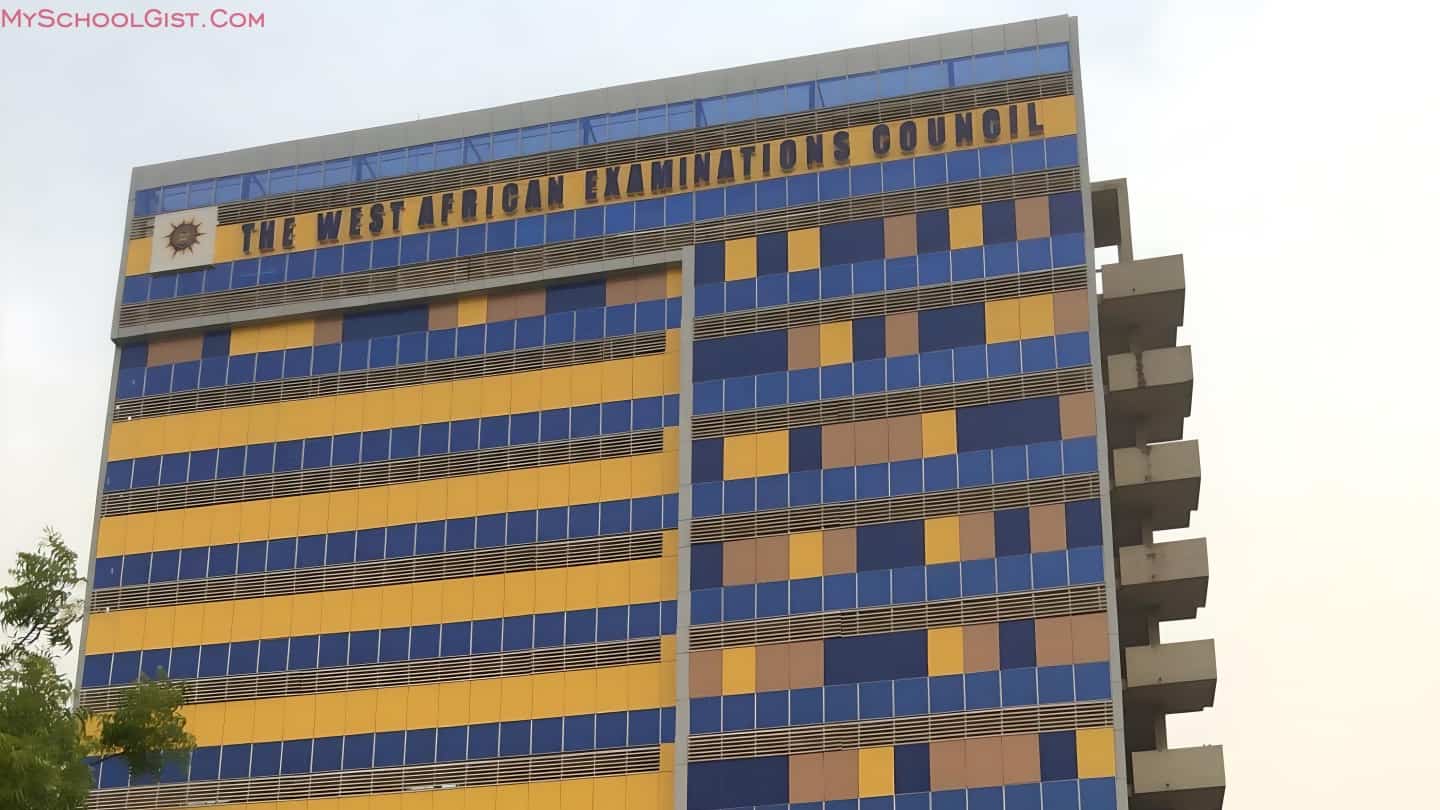
The exam is administered by the West African Examinations Council. This was established in 1952 during the colonial era to oversee standardised examinations across British West Africa.
The original aim was to coordinate administration across the region. Universities and employers would be able to interpret and compare qualifications consistently. For their part, students could follow opportunities across borders.