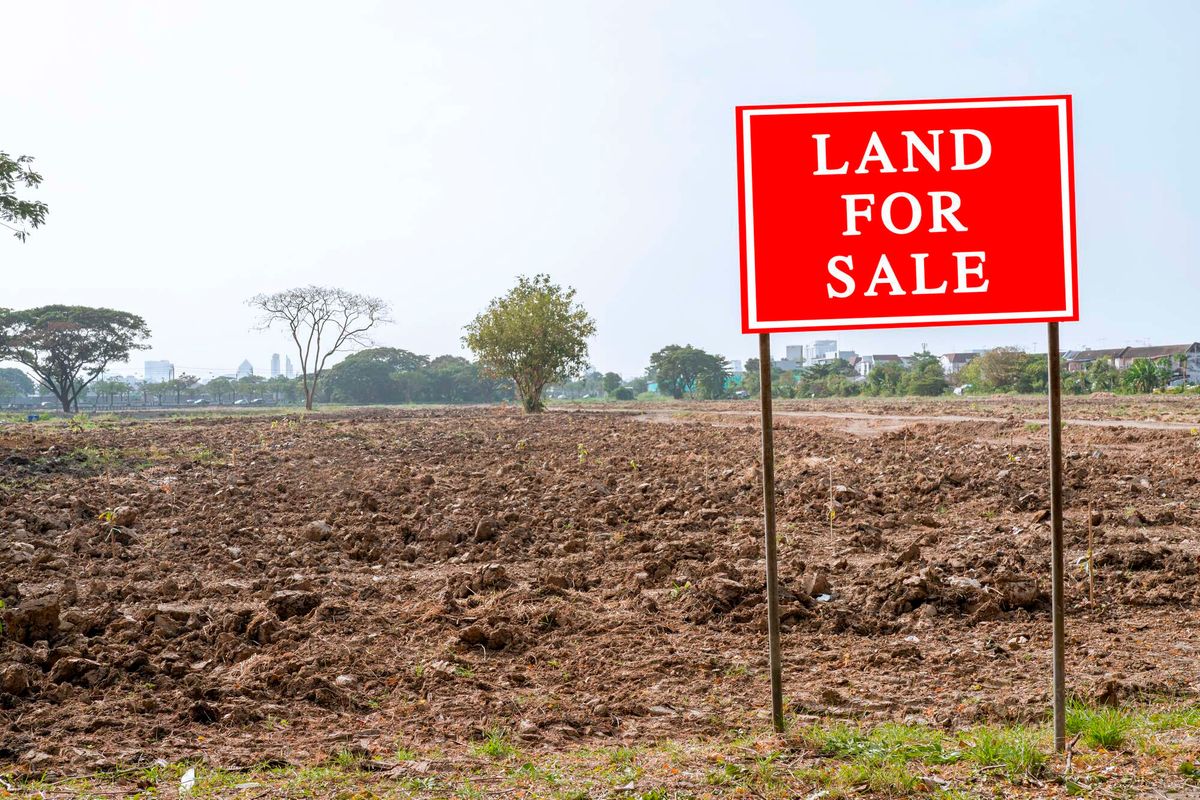
Nearly a quarter of the land in Ethiopia is degraded. It has lost its quality and can no longer grow crops, support plant life, or hold water as it used to. The causes are mainly human pressures (deforestation, overuse, poor land management) and natural factors (heavy rainfall that erodes the soil, and variations in the climate).
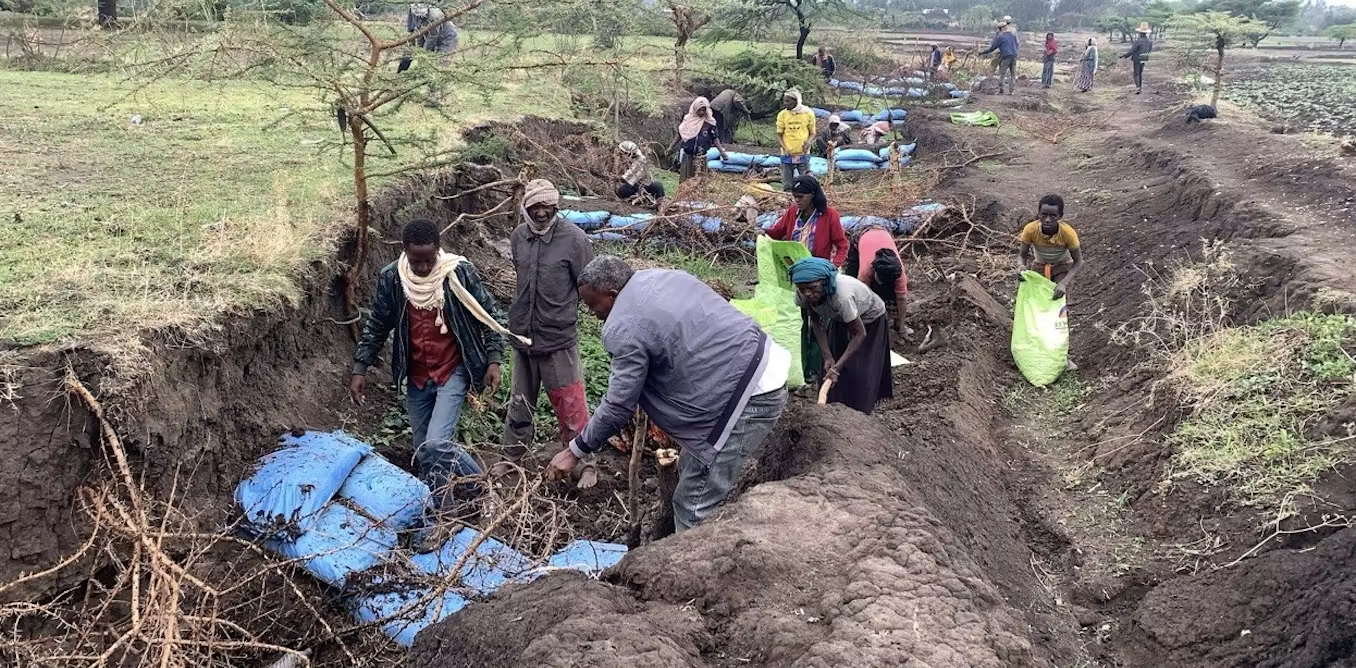
The consequences are dire and far-reaching. Degraded landscapes do more than reduce agricultural productivity. They are scarred by deep gullies, and water flows very fast over the areas when it rains, sweeping away precious topsoil. Rain no longer soaks into the soil, reducing the groundwater recharge (the amount of water that replenishes aquifers below ground when it rains). Stored carbon is released, making climate change worse.
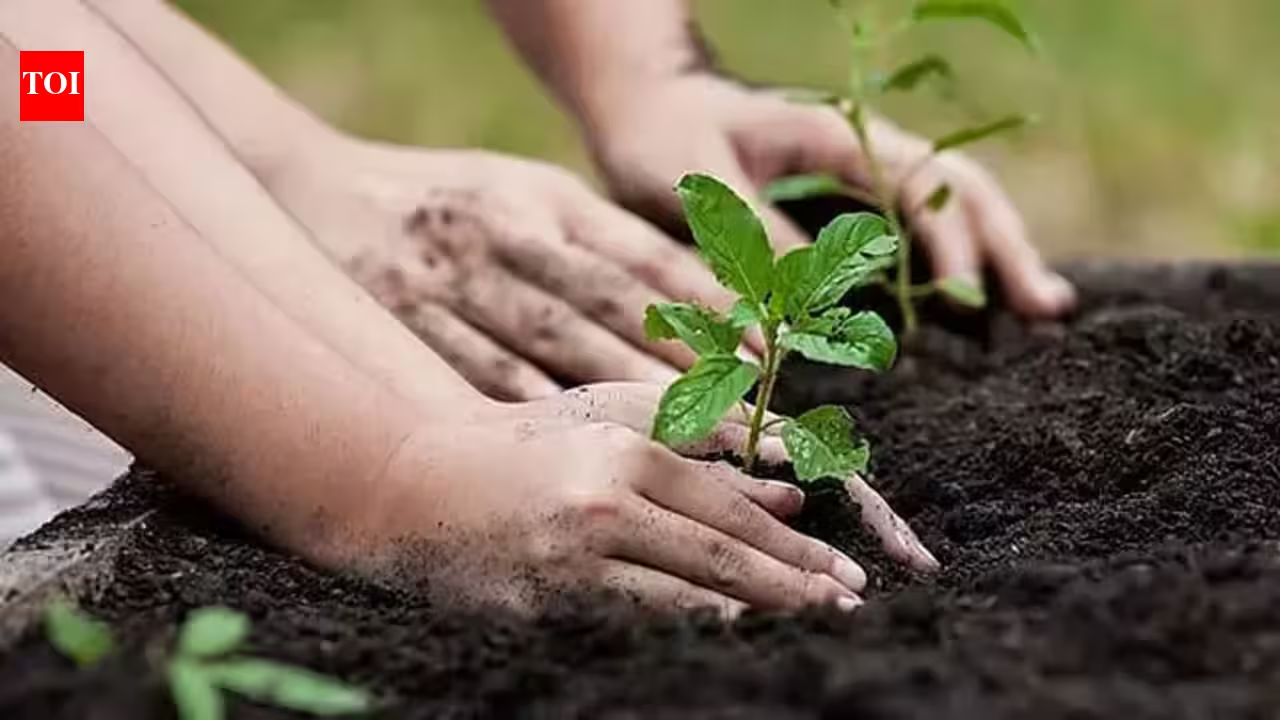
Therefore, land restoration has become both a development and a climate necessity.
À lire aussi :
Lessons from Kenya on how to restore degraded land