DID you know that how we produce and consume food can have a huge impact on the environment? Some of these environmental impacts can include: water pollution, carbon and other harmful greenhouse gas emissions, deforestation, pesticide toxicity, biodiversity loss, etc.
There is therefore an urgent need for us to reexamine the ways in which we produce and consume food, in an effort to reduce negative impacts on our environment, economy and health, as well as to build resilience against shocks like economic disruptions. This would require a great transformation in our food systems and supply chain management, which includes everything from agricultural production, processing, packaging and distribution, to marketing, consumption, and waste disposal.
So, how can we attempt to build a food system that has minimal negative impacts on the environment, and that would be far more resilient to future economic shocks? One way we can do this is by shifting towards climate-smart agriculture – by using renewable energy sources in our agricultural production processes.
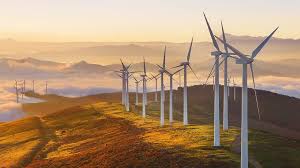
According to the United Nations website “Renewable Energy is energy derived from natural sources that are replenished at a higher rate than they are consumed. Sunlight and wind, for example, are such sources that are constantly being replenished. Renewable Energy Sources are plentiful and all around us. A few common sources of renewable energy include: Solar Energy; Wind Energy; Geothermal Energy; Hydropower; Ocean Energy; and Bioenergy (produced from a variety of organic materials, called biomass, such as wood, charcoal, dung and other manures for heat and power production, and agricultural crops for liquid biofuels).”