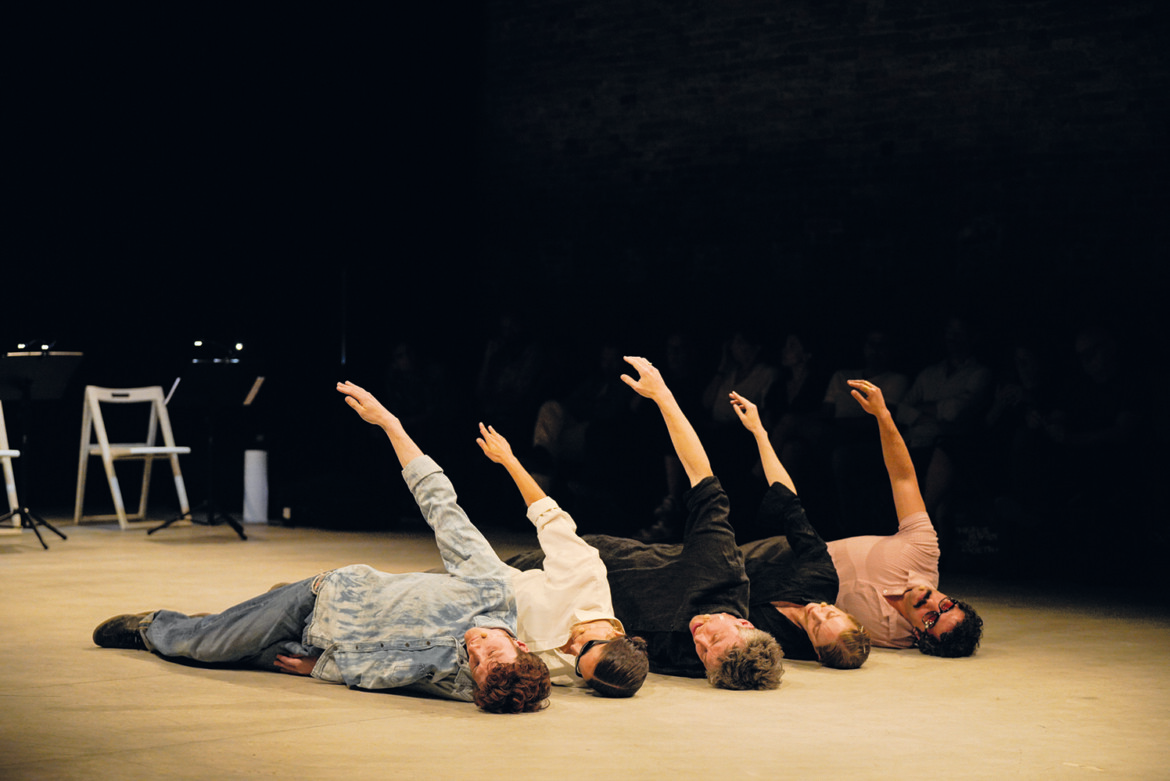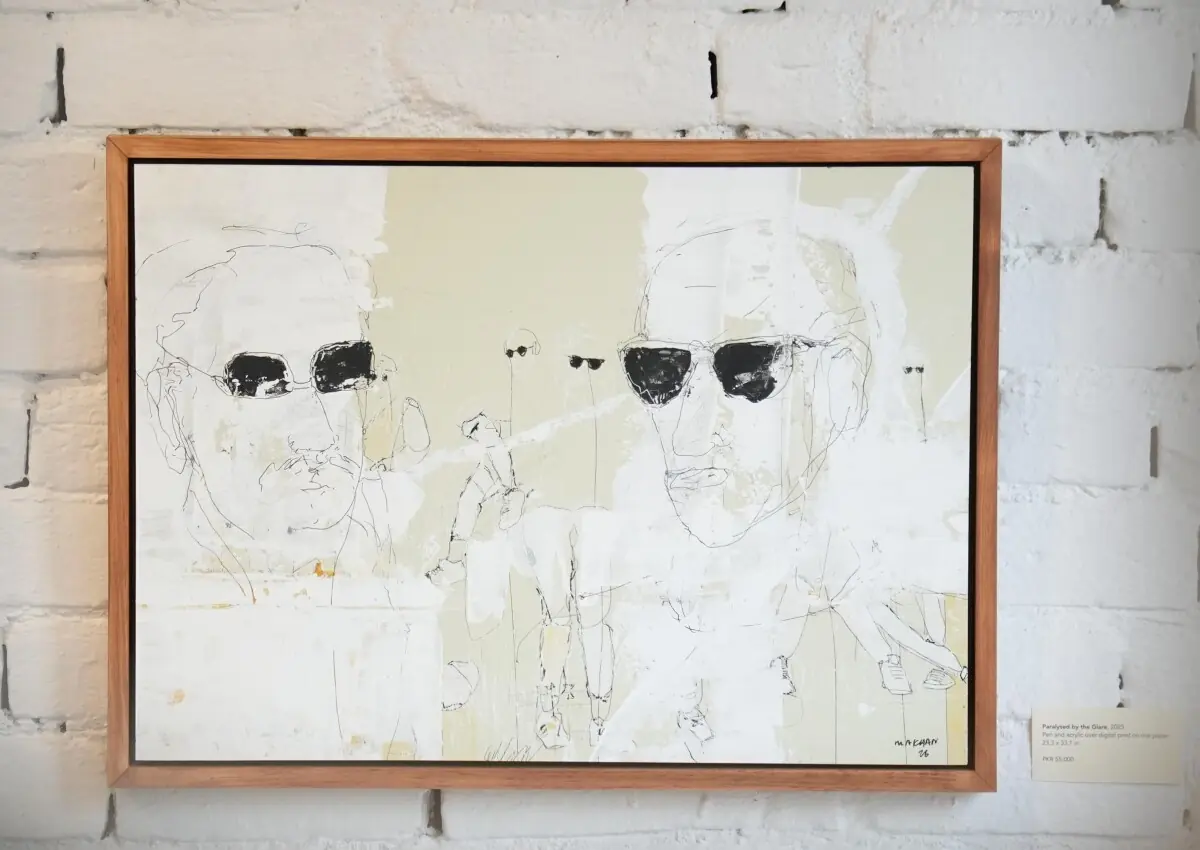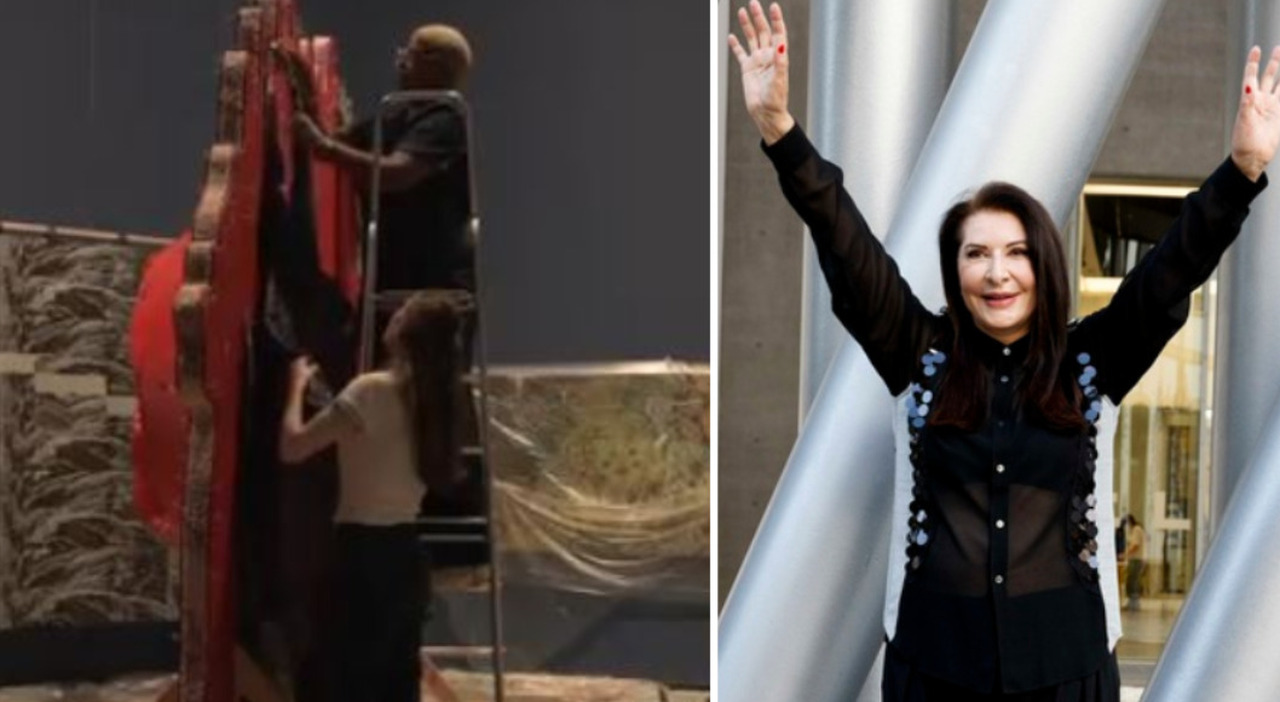
This spring, I traveled to Mardin, southeastern Türkiye, to hold my solo show parallel with the Mardin Biennial, carrying with me all the familiar expectations an artist inevitably develops before entering a city hosting a major international exhibition. There was, of course, the excitement of presenting work within a larger curatorial framework, the anticipation of encountering artists from different backgrounds and disciplines, and the intellectual curiosity that accompanies any event ambitious enough to position itself within the increasingly influential geography of global contemporary art.
Yet, what I had not anticipated was that the city itself would become the most compelling work I encountered.
Long before I stepped into a biennial venue, Mardin had already begun speaking.
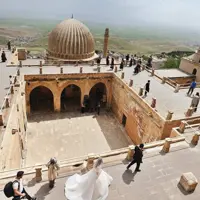
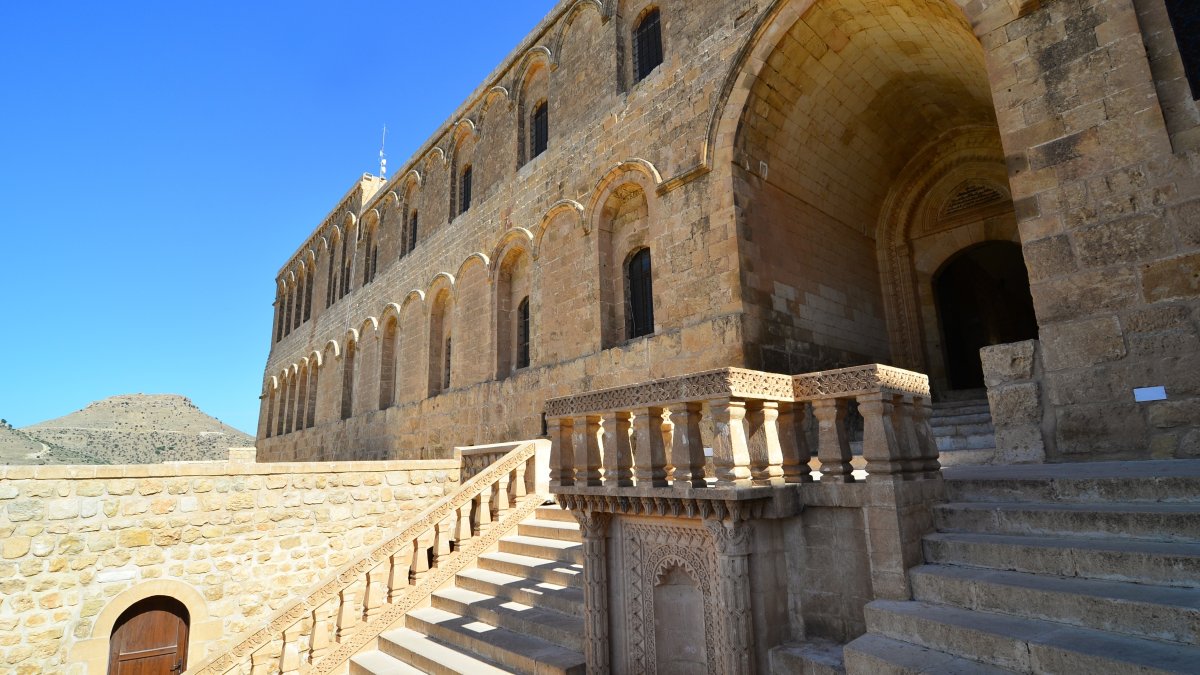
Few cities possess such a remarkable ability to compress centuries into a single gaze. From its elevated position overlooking the Mesopotamian plains, Mardin appears less like a city than an archaeological conversation between civilizations. Its honey-colored stone architecture absorbs light in a manner that changes almost imperceptibly throughout the day. Its narrow streets unfold as layers of memory rather than routes of circulation and its cultural history, shaped by centuries of coexistence among different faiths, languages and communities, offers a rare reminder that plurality is not a contemporary invention but one of humanity's oldest achievements.