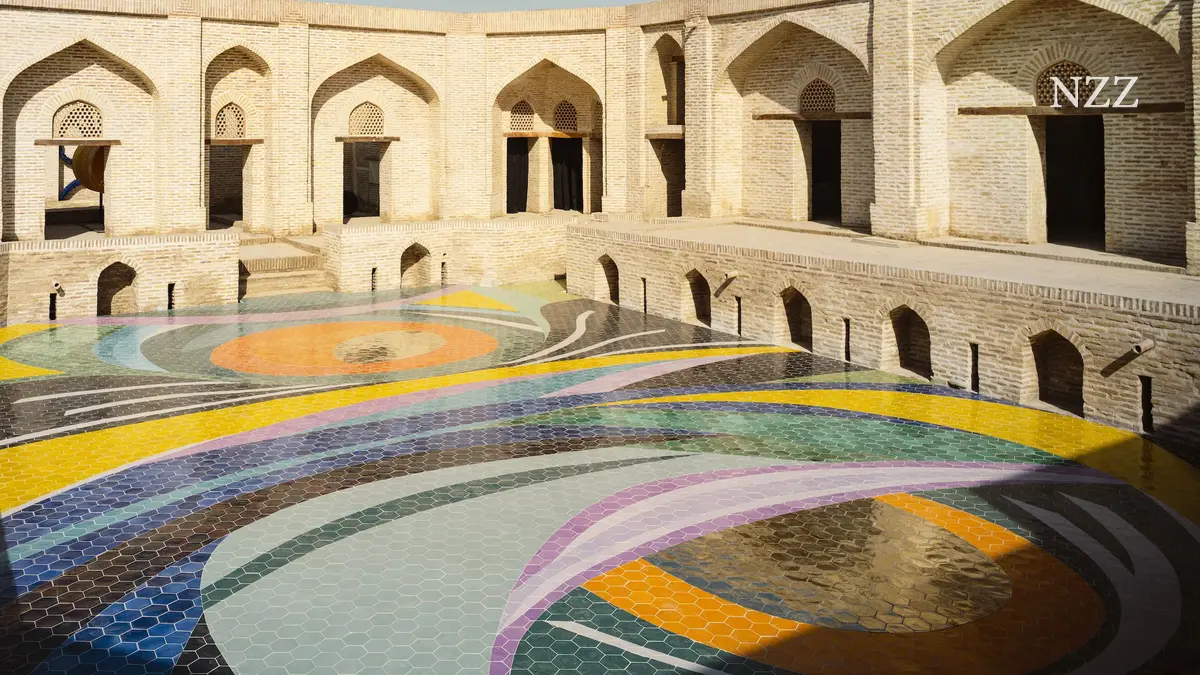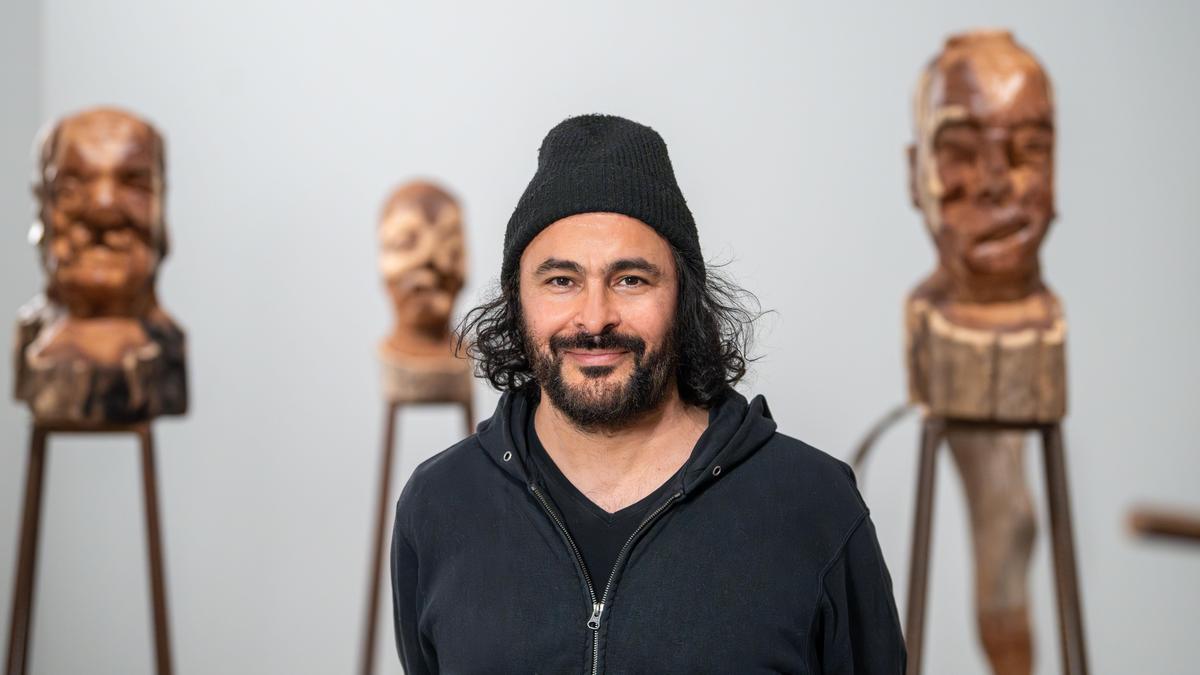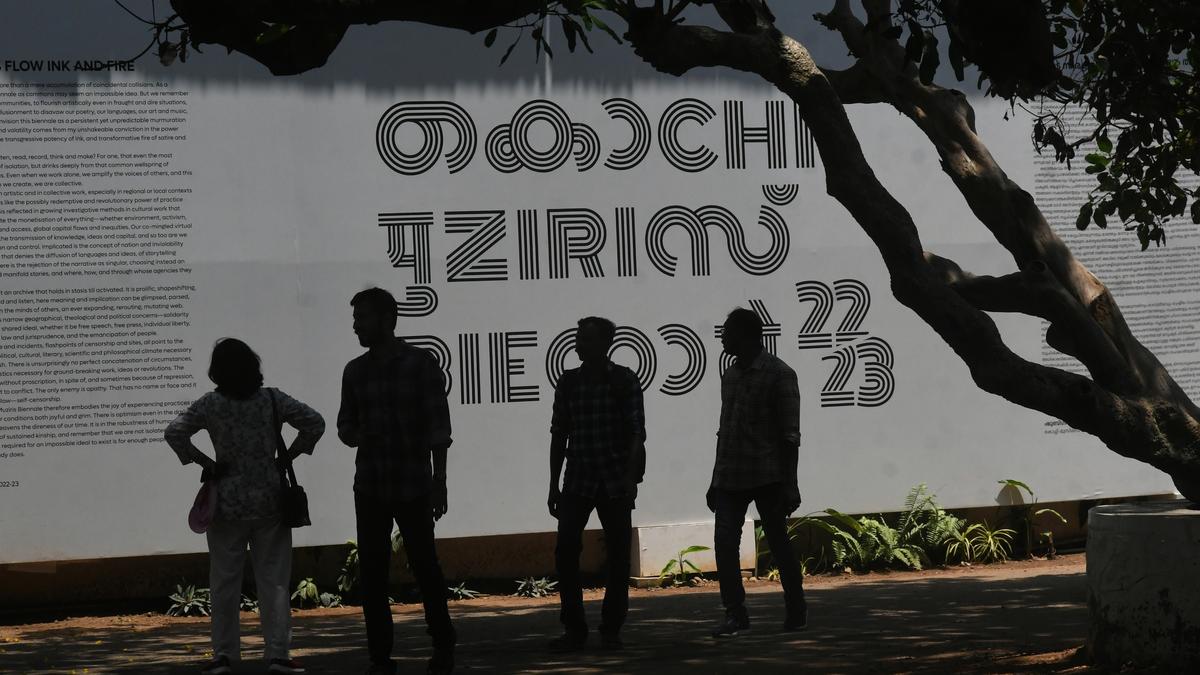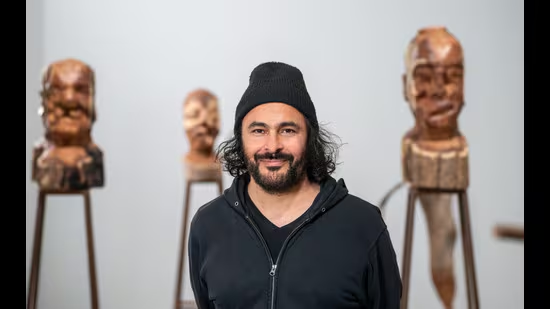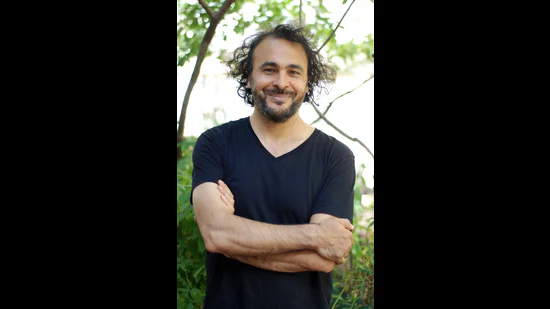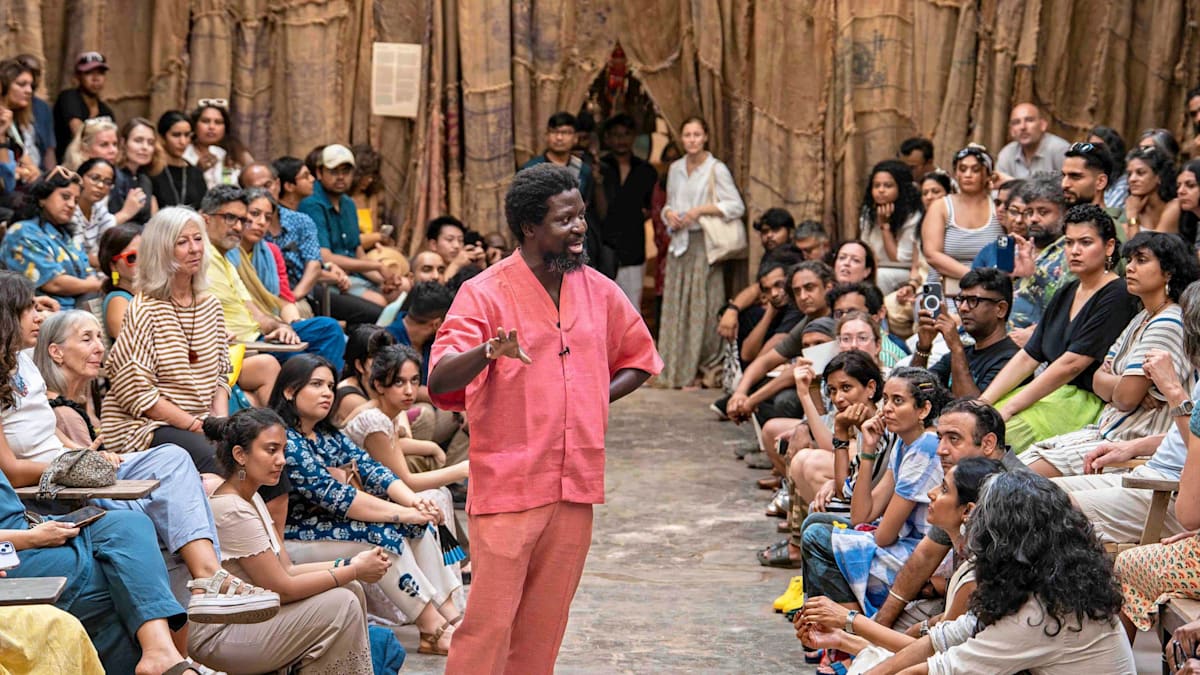
New Delhi, A porous environment in which works by different artists echo one another and audiences become part of an unfolding conversation. That is the vision artist-curator Kader Attia has for the Kochi-Muziris Biennale, arguably the largest, most eclectic event in India's art calendar.A space for conversation and togetherness: Artist-curator Kader Attia's vision for Kochi-Muziris BiennaleThe French Algerian artist, who will be curating the seventh iteration of the exhibition of contemporary art in Kerala's scenic coastal town in December 2027, is also of the view that a biennale should be built around local audiences."It sounds obvious, but it is sometimes not the case in contemporary art, or let's say it used to be like this. Nowadays, we know that it doesn't make any sense to cultivate biennials that work only for the international milieu, but that we should really care for the local audience, to plant good seeds for the next generations," Attia told PTI.Working across installation, sculpture, film, and archival research, Attia has developed a body of work that brings together artistic, anthropological and philosophical inquiry.Attia, who participated in the 2nd edition of Kochi-Muziris Biennale in 2014, was appointed as the new curator in May this year.He has long engaged with questions of history, memory, repair and the enduring legacies of colonialism."Kochi Muziris, as well as other regions in India that I have visited in the past, have always echoed artistically, ethically, culturally and historically with many interests I have been haunted by."The Kochi-Muziris Biennale and Kerala embody the complex space of work I have dreamt about in order to build a conversation around echoing artworks of many different artists in a porous gathering for the audience," the 56-year-old said.The artist said public art exhibitions, especially a biennale like KMB, become crucial to repair and protect togetherness at a time when "an unprecedented level of polarisation exists between human groups".The exhibition, he said, becomes "an intellectual, emotional, and conceptual cement to unify people"."The agenda and mission of an art exhibition begins as a gathering before continuing…to unify people through the physical experience of art, pulling them out together, away from the distractive digital laziness, which has a strong responsibility in the polarisation of our society," Attia noted."The exhibition space, by definition, activates the instinct of being together - the gregarious instinct, and this is one of the crucial stakes that humanity has to worship and honour as the pattern of collective individuation," he explained.Born in Dugny, France, Attia's practice has been shaped by his early years in Paris and Algeria, and travels to Spain, Congo and South America, experiencing different cultures, histories, traditions, multi-ethnic societies and exploring the perspective that societies have on their history, often moulded by centuries of colonialism.Attia, who is currently showcasing "Whisper of Traces" at the Venice Biennale, will be developing the framework for the 2027–2028 edition of biennale with Kochi as a vital point of departure within a wider field of artistic, historical, and contemporary inquiry.The city, he said, offers an openness that is "both embedded into the past and the future as a field of possibilities and a notion of horizon that we need today"."A place of knowledge that embodies the routes of the past, through so many traces, which lead us toward a possible viable future," Attia said.At the time of his appointment in May, he admitted to have dreamed of "building connections between the many intertwined influences that are at the core of this culturally multi-layered city".Building connections has been central to Attia's practice as many of his previous projects, including the 12th Berlin Biennale, involved artists and audiences in a critical conversation.The influences have been many – right from working in "a street market as a child to listening to stories of customers from behind the bar counters"."Whatever I did and still do in my life… running a decolonial artist space and bar like La Colonie, playing soccer, biking, traveling all around the world, in Algeria, Congo, Mexico, India, Vietnam, or playing chess with my son, cooking for my whole family, everything has one common denominator: curiosity toward the others," Attia said.He added that curating is "essentially part of a conversation that doesn't exist yet, a conversation between artworks"."By listening and sharing they grow, and, at the same time we, curators, artists, and viewers grow with this flux."The KMB, launched in 2010, is one of the world's major contemporary art festivals. Artists from around the world create works that respond directly to Kochi's historic buildings, warehouses, courtyards and streets, rather than simply displaying art inside them.The idea is that the site becomes part of the artwork, with artists drawing on its history, architecture and cultural significance to explore themes such as migration, exchange and identity.Nearly 12 years after his first interaction with KMB, Attia in December last year delivered a lecture, titled "Unpredictable Memories", for the Vivan Sundaram Memorial Lecture Series, exploring the intersection of memory, historical trauma, and decolonisation.His work has been exhibited in group shows and biennials across the world, including the 12th Shanghai Biennial, the 12th Gwangju Biennia, the 57th Venice Biennial, Met Breuer, New York, MoMA and the Tate Modern, London.This article was generated from an automated news agency feed without modifications to text.
A space for conversation and togetherness: Artist-curator Kader Attia's vision for Kochi-Muziris Biennale
A space for conversation and togetherness: Artist-curator Kader Attia's vision for Kochi-Muziris Biennale
868 words~4 min read