June 2, 2026 | 06:02 pm
null
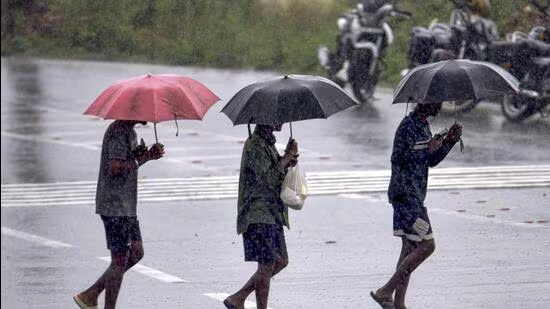
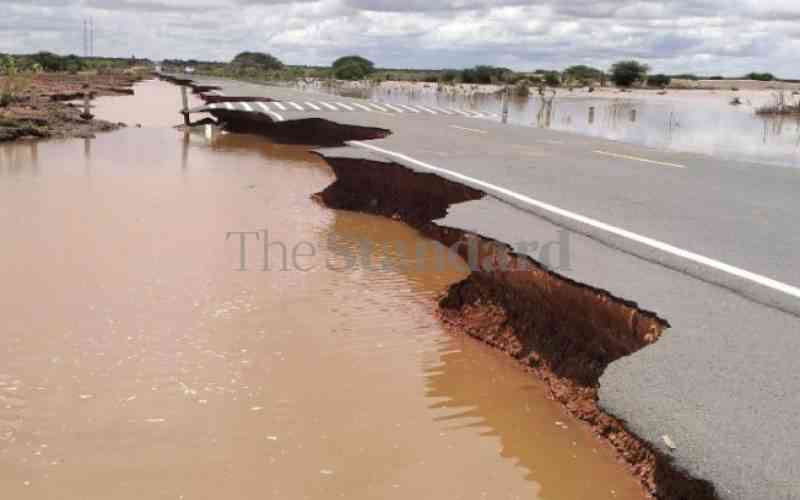
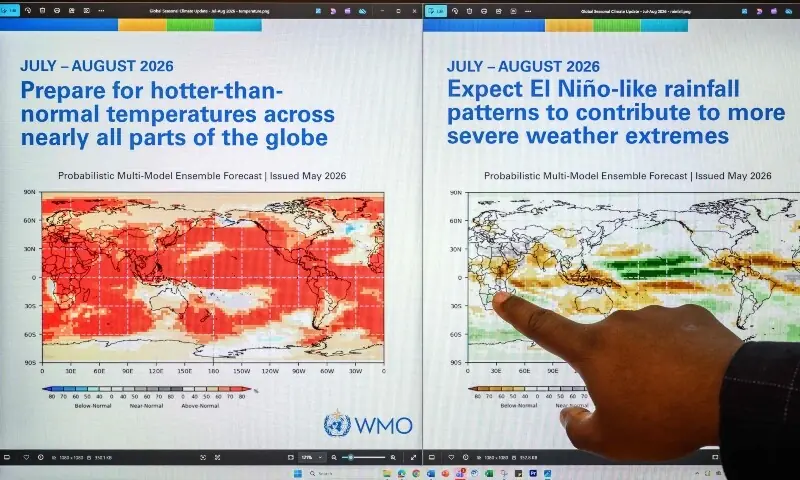
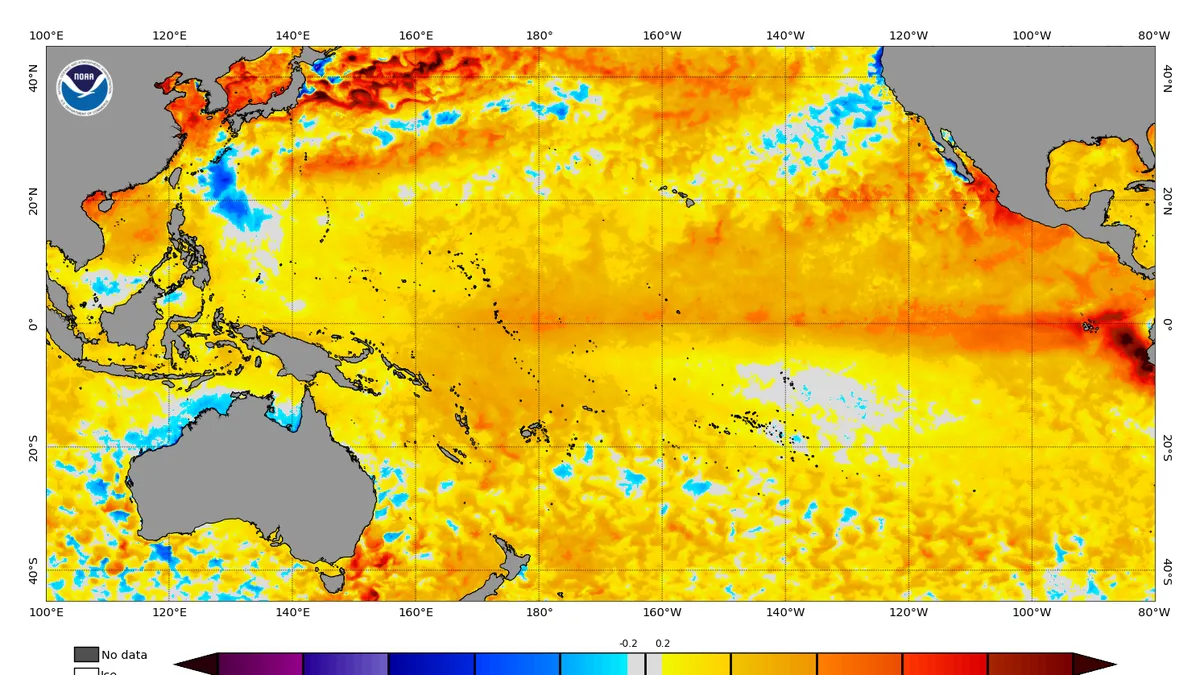
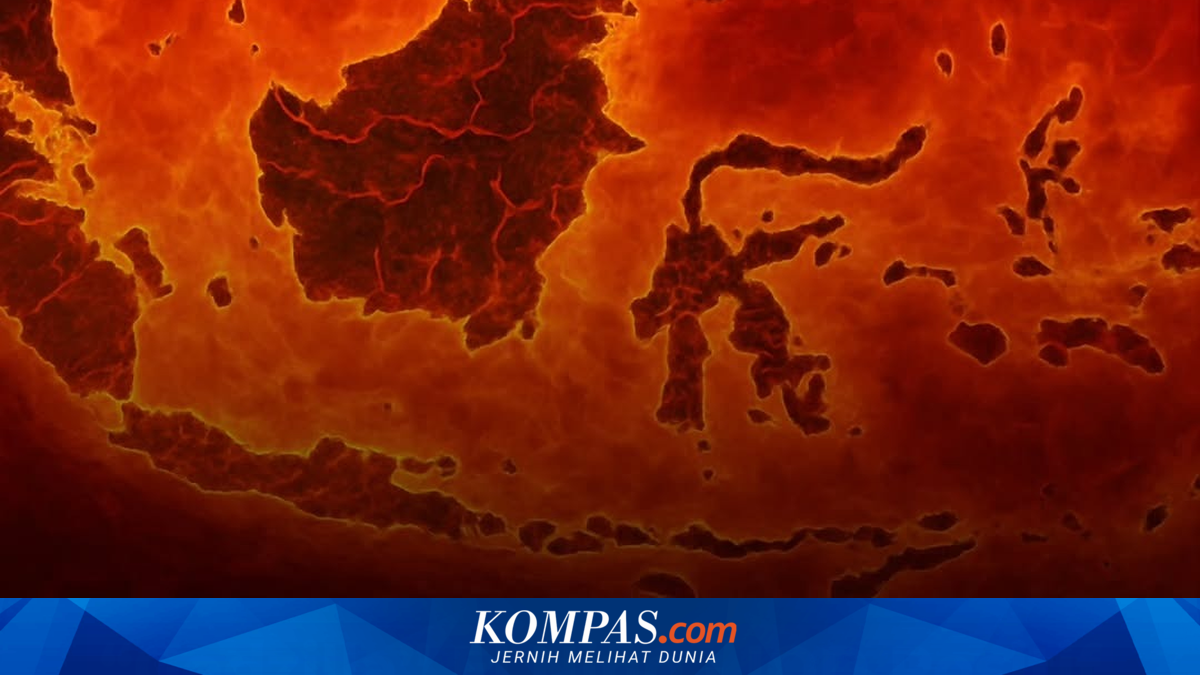
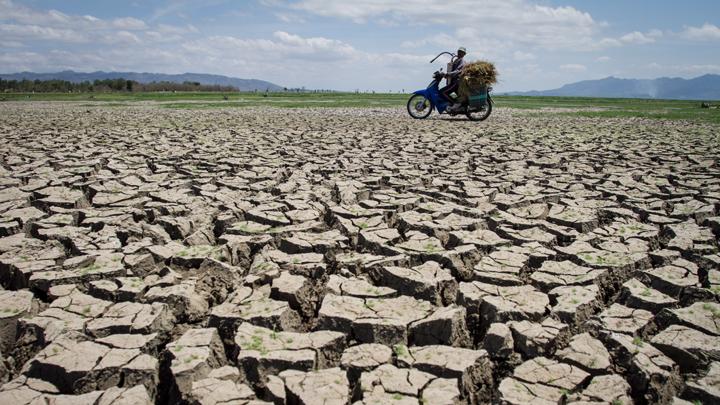
TEMPO.CO, Jakarta - The World Meteorological Organization (WMO) has warned that El Niño could redevelop in the coming months, raising the risk of drier weather in Indonesia and intensifying extreme weather patterns in other parts of the world.The UN weather agency said the probability of El Niño emerging between June and August stands at 80 percent, with the likelihood of it persisting at least until November reaching or exceeding 90 percent.According to the WMO, the potential return of El Niño is driven by unusually warm sea surface temperatures in the tropical Pacific Ocean. The phenomenon is known to influence global temperature and rainfall patterns and increase the risk of extreme weather events.Indonesia is among the regions expected to face drier-than-normal conditions if El Niño develops. Similar impacts are also forecast for Australia, Central America, northern South America, the Caribbean, and parts of South Asia.The WMO also projected above-average temperatures between June and August across most of the world, raising the risk of heat stress and accelerating drought conditions in areas with reduced rainfall.UN Secretary-General António Guterres said the science was clear that El Niño was likely to arrive in the coming months with a 90 percent probability, adding that the world must treat it as an urgent climate warning. “Impacts will hit even harder, travel even farther, and cross borders with devastating speed. The only effective response is climate action equal to the crisis – ending the addiction to fossil fuels, accelerating the shift to renewables, protecting the most vulnerable, and delivering early warning systems for all,” Guterres said in a video statement on Tuesday, as quoted by WMO Media Center.He added that El Niño would worsen the impacts of a warming planet, with effects that are more severe, widespread, and fast-moving across borders.WMO Secretary-General Celeste Saulo said countries must prepare for a potentially strong El Niño.“We need to prepare for a potentially strong El Niño event - which will exacerbate drought and heavy rainfall and increase the risk of heatwaves both on land and in the ocean," she said.She noted that the 2023–2024 El Niño event was among the five strongest on record and contributed to the record global temperatures seen in 2024.Saulo also stressed the importance of seasonal forecasts and early warning systems in saving lives and reducing economic and social impacts.El Niño is the warm phase of the El Niño–Southern Oscillation (ENSO), a natural climate pattern marked by above-average sea surface temperatures in the central and eastern equatorial Pacific. It typically occurs every two to seven years and lasts nine to 12 months.While El Niño often brings drier conditions to some regions, the WMO warned it can also increase flooding risks in areas with above-normal rainfall. The agency stressed that preparedness and early warning systems are essential to protect communities and reduce economic losses.Read: Indonesia Pushes Rice Planting Ahead of El Nino Peak