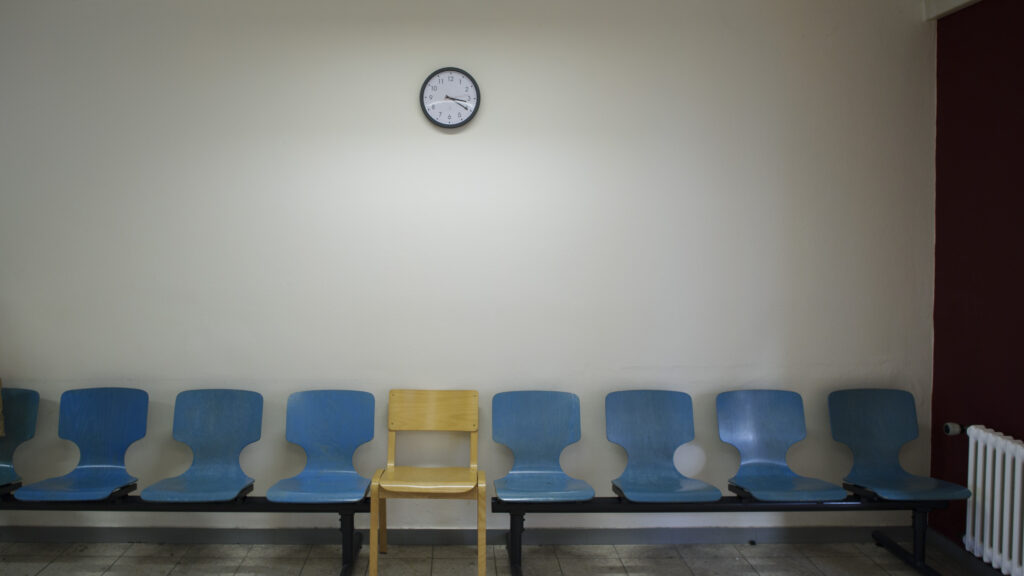
The word patient comes from the Latin patiens — an adjective meaning enduring, suffering. In medicine, that endurance has long meant waiting: waiting to be seen, to be diagnosed, to be treated. Over the past two decades of practicing emergency medicine, my shifts have begun the same way — walking past a room full of people waiting for care.
That room is not called a lobby or a reception area. It is called a waiting room, because the expectation of waiting is built into the architecture and culture of medicine. Triage — the systematic process of prioritizing patients by the severity of their condition — determines the length of the delay. The sickest are seen first; everyone else bears both their illness and the constraints of the system they have turned to for help.
Then the Covid-19 pandemic changed something fundamental. In response to the crisis, health policy and regulatory barriers that had long limited telemedicine fell away almost overnight. What followed was an unprecedented expansion of virtual care — and with it a new question at the door to medicine: Who can safely receive care without ever entering a hospital building?
Telemedicine visits increased more than sevenfold in the early months of the pandemic, and by 2020 roughly 1 in 5 medical encounters in the United States occurred virtually. Although telemedicine use declined after its pandemic peak, it has shown staying power. In 2022, 30.1% of U.S. adults reported using telemedicine in the previous 12 months.