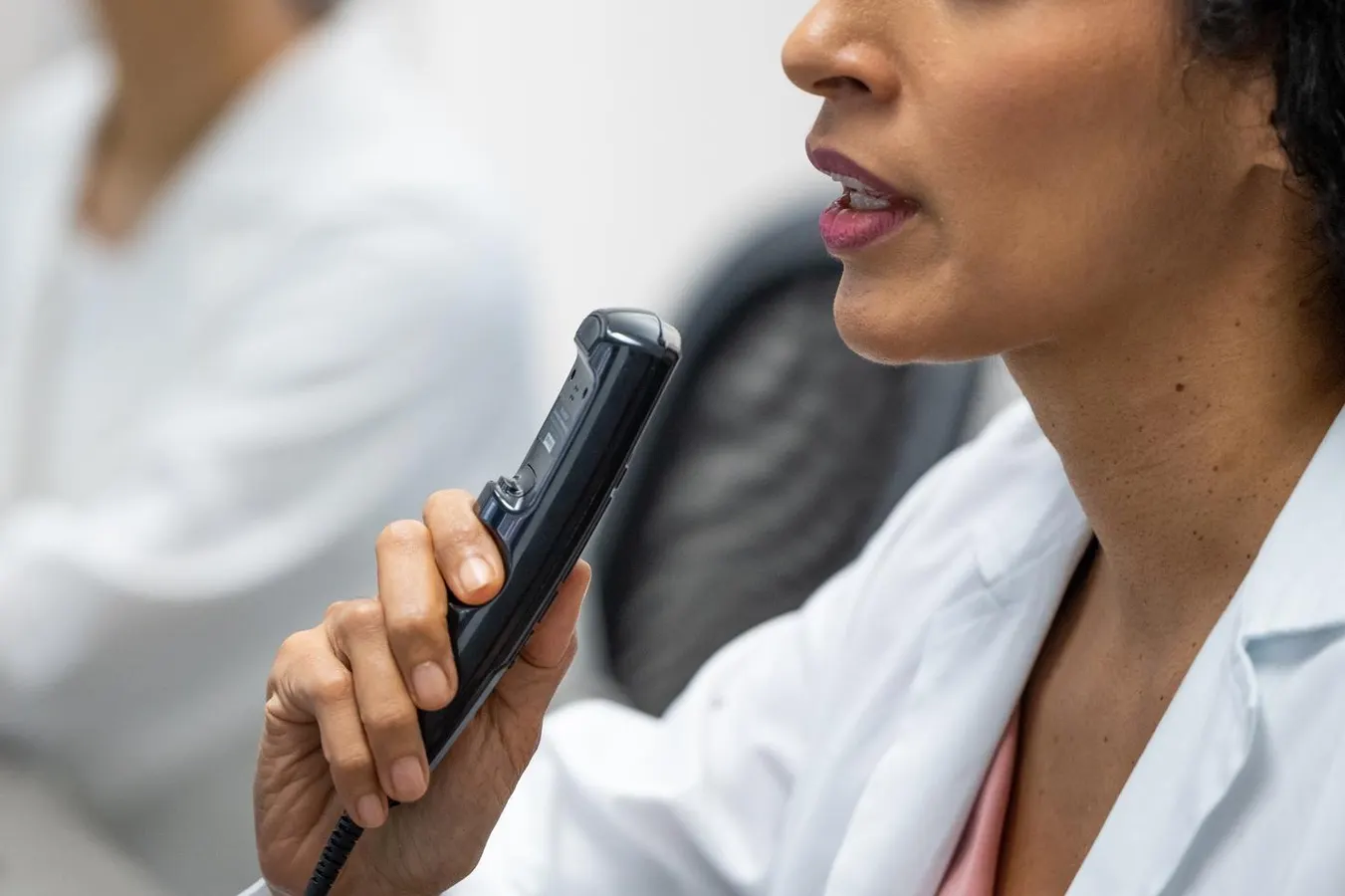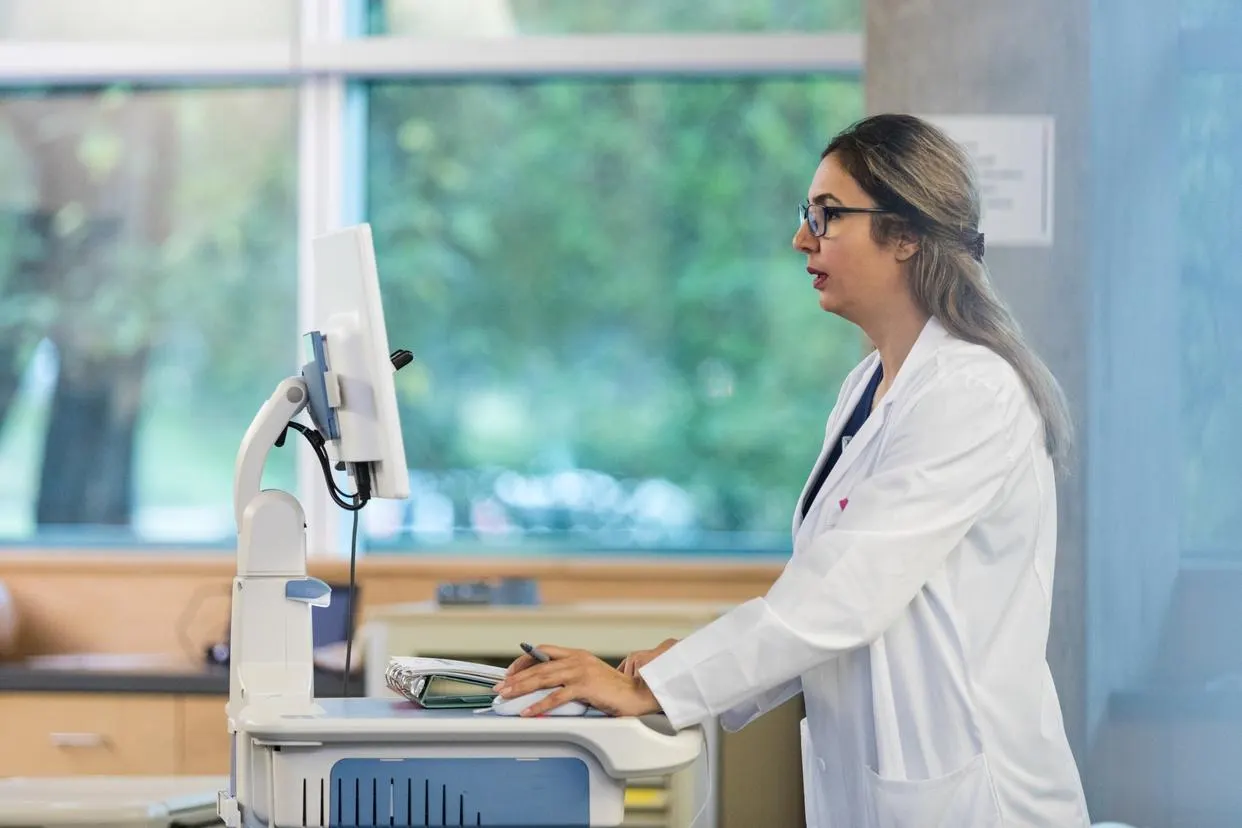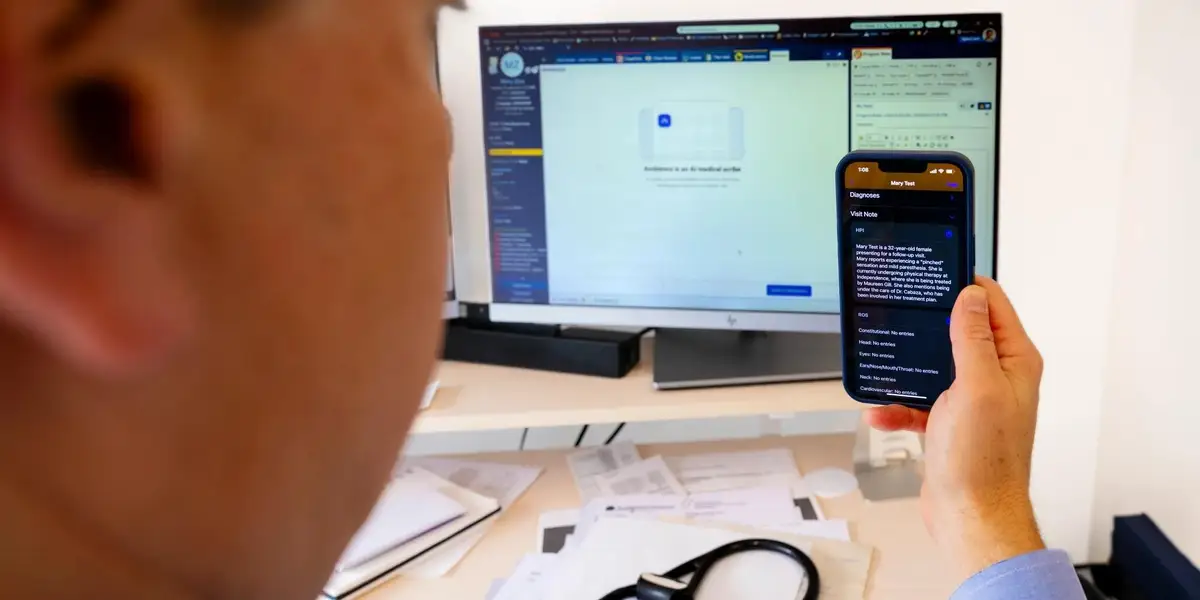
For years, one of the most familiar sights in medicine has been a physician facing a computer screen.During appointments, clinicians often found themselves balancing patient conversations with a growing mountain of documentation, referral letters and electronic health record requirements. At Beth Israel Lahey Health, leaders saw the toll that burden was taking – not only on physicians, but also on patients seeking a more personal connection during visits.The result was a growing phenomenon known as "pajama time," when clinicians spend evenings catching up on notes long after the workday has ended. It became a symbol of a broader challenge facing healthcare organizations nationwide: how to reduce administrative overload while preserving human-centered care."We needed to refocus on human-centered care while reducing the cognitive load that was driving our workforce away from the bedside," said Dr. Rob Fields, executive vice president and chief clinical officer at Beth Israel Lahey Health.A new approachBeth Israel Lahey Health – a Massachusetts-based health system that includes 14 hospitals, more than 175 primary care and specialty practices, and more than 4,700 physicians and 39,000 employees – turned to ambient artificial intelligence for help.The organization implemented Heidi's ambient AI scribe, a technology designed to listen to patient-clinician conversations and automatically generate structured clinical documentation.Unlike traditional dictation systems, the tool functions more like a documentation assistant. It captures conversations in real time and creates draft notes that physicians can review, edit and approve before they become part of the medical record.The goal was simple: reduce the time clinicians spend documenting care and allow them to focus more fully on patients.Reducing the burdenThe rollout began with a structured trial involving three cohorts totaling 1,000 clinicians across 47 specialties.Rather than requiring participation, Beth Israel Lahey Health allowed physicians to decide whether the technology fit their workflows. The organization supported adoption with peer-led training, specialty-specific materials and more than 500 customized workflow templates.Because the platform initially operated as a standalone application, clinicians also discovered creative uses for it. Some used it to document complex family meetings in rehabilitation settings, while others leveraged it during multilingual patient encounters.The flexibility helped drive adoption and generated enthusiasm among clinicians looking for relief from documentation demands.Results that add upThe most immediate impact has been time.According to Beth Israel Lahey Health, clinicians using the technology save an average of 70 minutes each day on full schedules. In addition, 74% of surveyed users reported spending significantly less time completing documentation after hours.The system now generates more than 18,000 documents each month, helping automate work that previously consumed valuable clinical and personal time.The benefits extend beyond efficiency metrics.Ninety percent of clinicians reported feeling more present during patient visits and making greater eye contact with patients. Meanwhile, 82% said the technology reduced cognitive load during clinical encounters.One provider described the experience as feeling "liberated from the computer" and "connected to patients" once again.Looking aheadThe success of the initiative has prompted the health system to move toward full integration with its Epic electronic health record platform.Leaders believe the next phase will further streamline workflows by allowing AI-generated documentation to move seamlessly into the patient record while preserving the physician-centered flexibility that helped fuel early adoption.For an industry wrestling with workforce shortages, burnout and growing documentation requirements, the lesson may be straightforward. Sometimes the most powerful use of technology is not replacing human interaction but creating more room for it.At Beth Israel Lahey Health, that extra hour each day may be doing more than reducing paperwork. It may be helping physicians reclaim one of the most important parts of medicine: being fully present with their patients.HIMSS is hosting the one-day AI Executive Leadership Summit in Boston June 24, 2026, followed by its AI in Healthcare Forum June 25–26. Register separately for the two events here and here.Follow Bill's health IT coverage on LinkedIn: Bill SiwickiEmail him: [email protected]Healthcare IT News is a HIMSS Media publication.WATCH NOW: Connectivity is healthcare's invisible digital backbone
Beyond the screen: How ambient AI is changing the exam room
A Massachusetts health system reports dramatic reductions in documentation burdens as physicians spend more time focused on the people in front of them.
650 words~3 min read