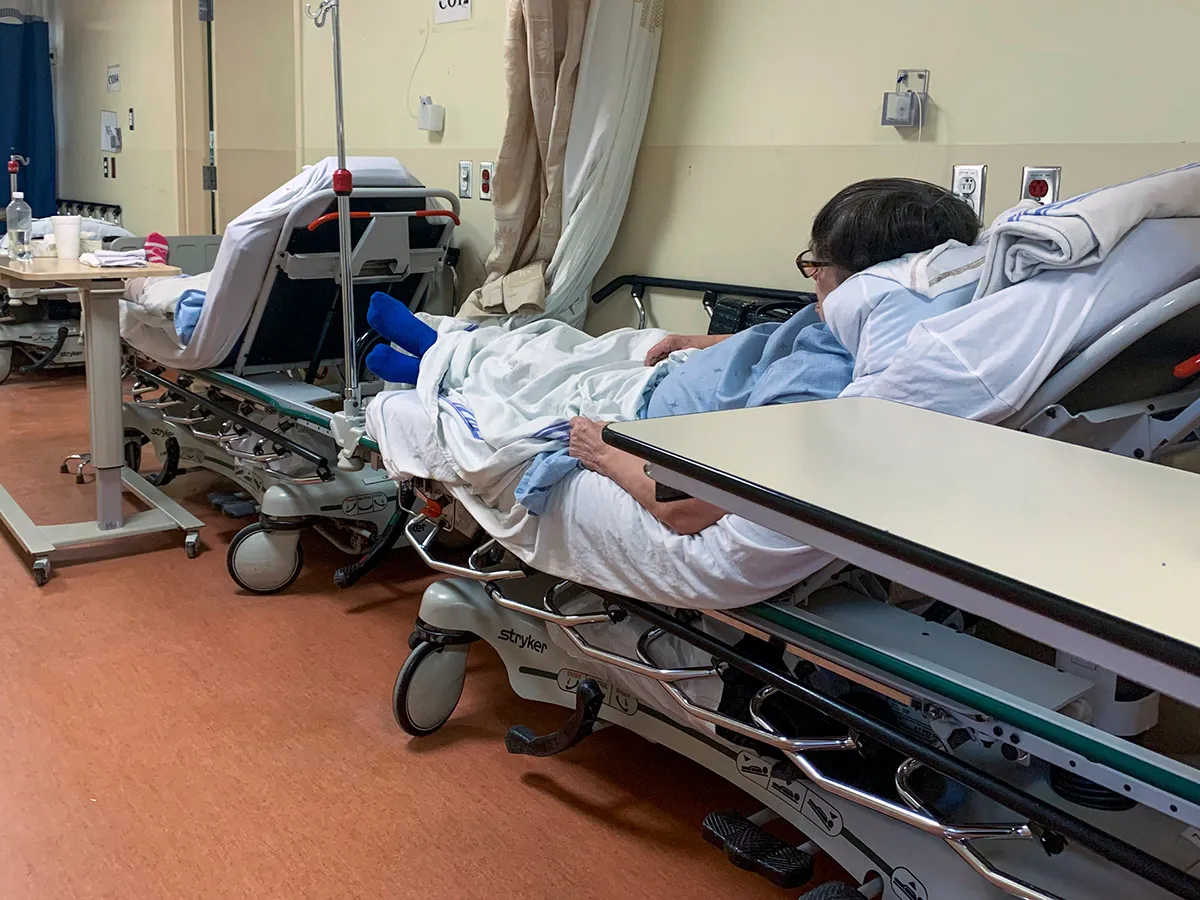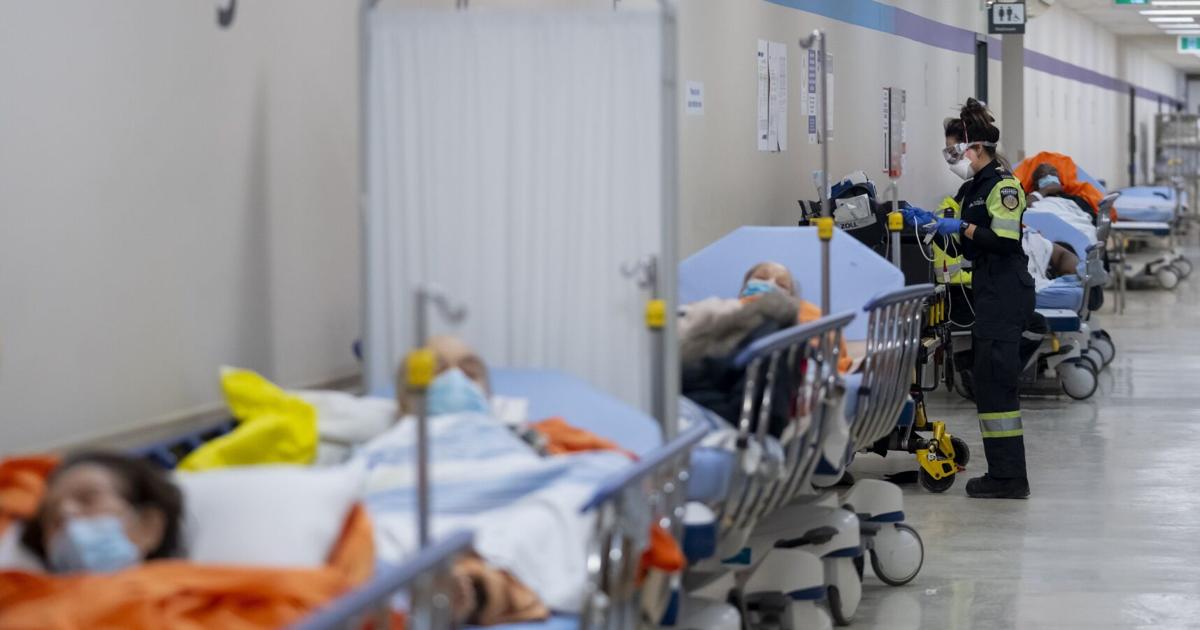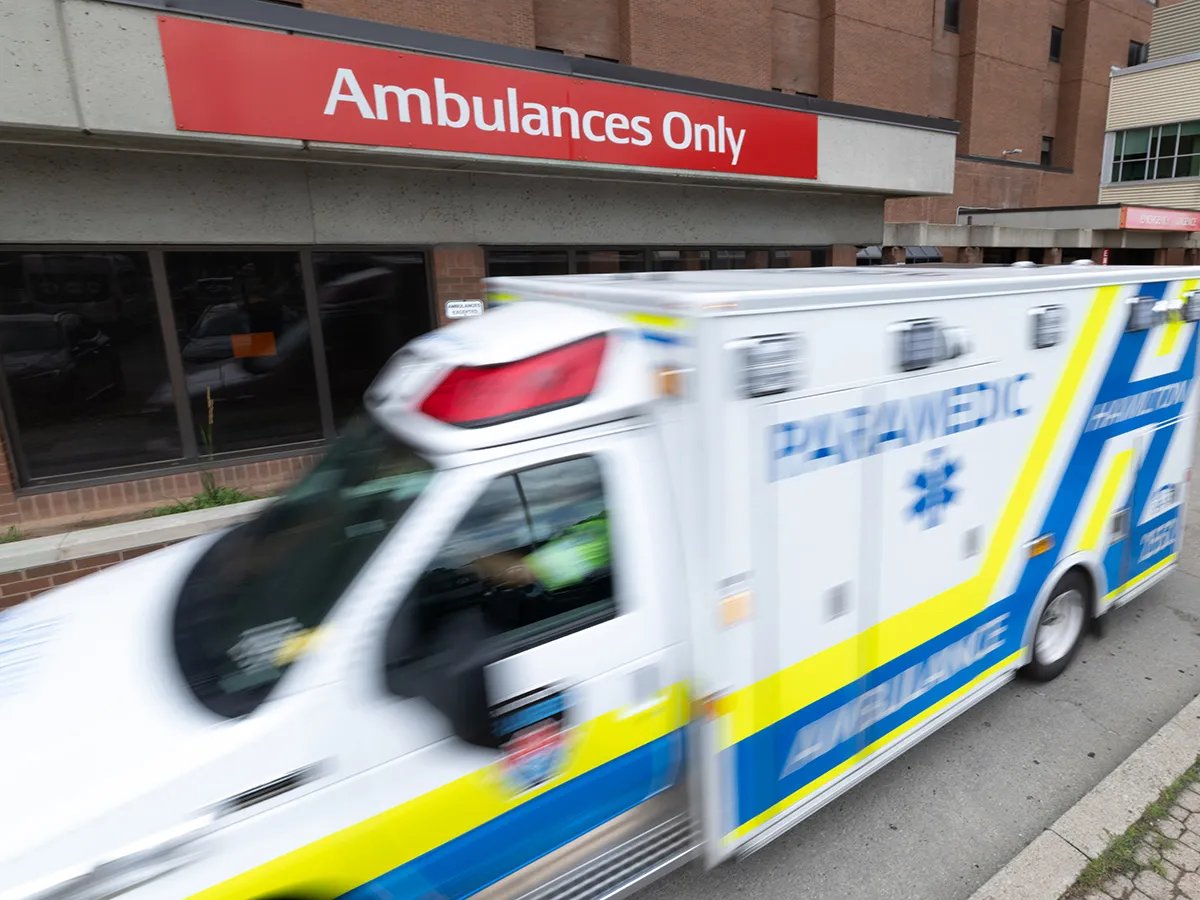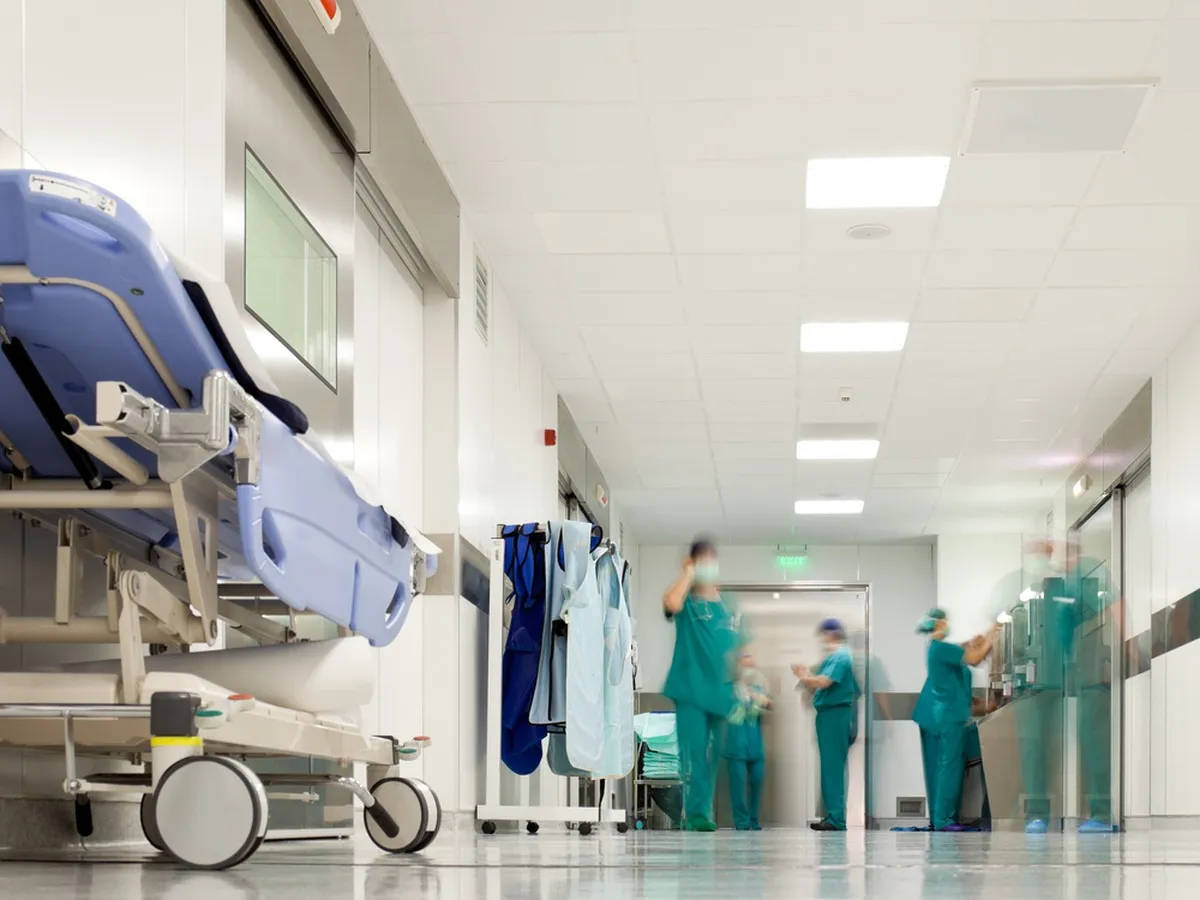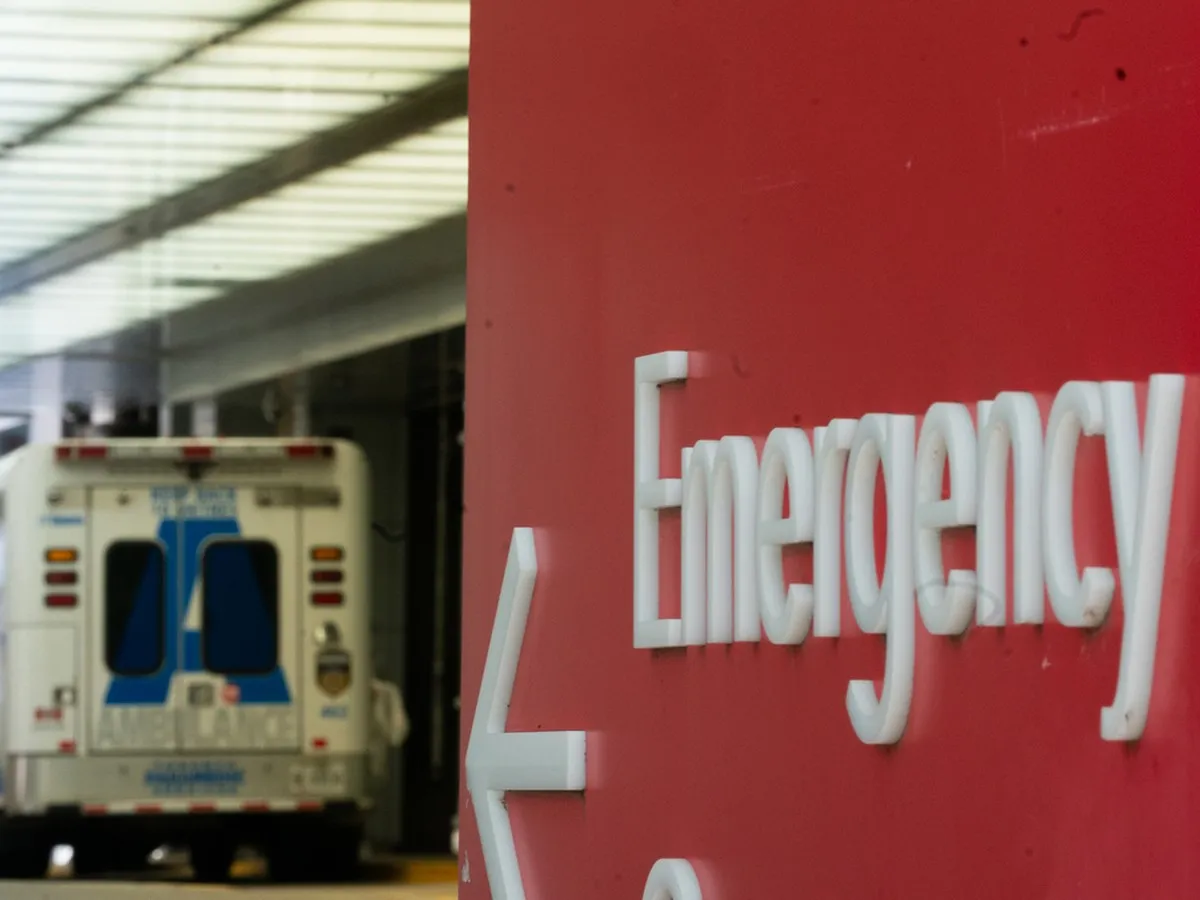
Skip to Content Subscribe Our Offers My Account Manage My Subscriptions FAQ Newsletters Canada Canadian True Crime Canadian Politics Health World Israel & Middle East Financial Post NP Comment Longreads Puzzmo Diversions Comics NP News Quiz New York Times Crossword Horoscopes Life Eating & Drinking Style Sponsored Play for Ontario Travel Travel Canada Travel USA Travel International Cruises Travel Essentials Culture Books Celebrity Movies Music Theatre Television Business Essentials Advice Lives Told Tails Told Shopping Buy Canadian Home Living Outdoor Living Tech Style & Beauty Kitchen & Dining Personal Care Entertainment & Hobbies Gift Guide Travel Guide Deals Savings National Post Store More Sports Hockey Baseball Basketball Football Soccer Golf Tennis Driving Vehicle Research Reviews News Gear Guide Obituaries Place an Obituary Place an In Memoriam Classifieds Place an Ad Celebrations Working Business Ads Archives Healthing Epaper Manage Print Subscription Profile Settings My Subscriptions Saved Articles My Offers Newsletters Customer Service FAQ Newsletters Canada World Financial Post NP Comment Longreads Puzzmo Diversions Life Shopping Epaper Manage Print Subscription HomeHealthNewsCanadaThe rise of 'chair care': Canadian patients examined in ER waiting rooms, closets, washrooms amid bed shortageIn Canada's gridlocked emergency rooms, more sick patents are being treated in 'unconventional spaces,' including chairs You can save this article by registering for free here. Or sign-in if you have an account.“Chair" and "waiting room" medicine have become routine and common, default responses to Canada's severely gridlocked emergency rooms, doctors say. Photo by Peter Power /PostmediaUncontrolled, undetected internal bleeding, an emergency medicine “time bomb,” can kill within hours.Enjoy the latest local, national and international news.Exclusive articles by Conrad Black, Barbara Kay and others. Plus, special edition NP Platformed and First Reading newsletters and virtual events.Unlimited online access to National Post.National Post ePaper, an electronic replica of the print edition to view on any device, share and comment on.Daily puzzles including the New York Times Crossword.Support local journalism.Enjoy the latest local, national and international news.Exclusive articles by Conrad Black, Barbara Kay and others. Plus, special edition NP Platformed and First Reading newsletters and virtual events.Unlimited online access to National Post.National Post ePaper, an electronic replica of the print edition to view on any device, share and comment on.Daily puzzles including the New York Times Crossword.Support local journalism.Create an account or sign in to continue with your reading experience.Access articles from across Canada with one account.Share your thoughts and join the conversation in the comments.Enjoy additional articles per month.Get email updates from your favourite authors.Create an account or sign in to continue with your reading experience.Access articles from across Canada with one accountShare your thoughts and join the conversation in the commentsEnjoy additional articles per monthGet email updates from your favourite authorsSign In or Create an AccountorSo, when Dr. Fraser Mackay saw a young woman recently with a minor shoulder injury from a fall who seemed in an inordinate amount of pain, his gut told him something was off.She was seated in a chair in a very public, high traffic area of a Saint John, N.B., emergency department. No space for a proper assessment. Nowhere to assess her privately. Mackay decided she needed a bedside ultrasound of her abdomen. A proper ultrasound requires laying the patient down and lifting their clothing. Except there were no empty stretchers. So, she just sat there, in pain.With his shift over, Mackay told the on-coming doctor, “Until we get a stretcher, she can’t go home.”Get a dash of perspective along with the trending news of the day in a very readable format.By signing up you consent to receive the above newsletter from Postmedia Network Inc.A welcome email is on its way. If you don't see it, please check your junk folder.The next issue of NP Posted will soon be in your inbox.We encountered an issue signing you up. Please try againHer stomach was finally scanned, an hour or two later. The test showed internal bleeding requiring emergency surgery to find and stop the source of bleeding.“It would have been very easy to say, ‘Well, if things get worse, come back later,'” Mackay said. “Who knows how long she could have sat there. And what if that stretcher hadn’t become available, and her bleeding had gotten worse? She shouldn’t have been assessed in a chair in the first place.”She shouldn’t have been assessed in a chair in the first placeExcept “chair medicine” and “waiting room care” have become routine and common, default responses to Canada’s severely gridlocked emergency rooms, Mackay and other emergency physicians are reporting.“ER chair medicine in Ontario (the awful cousin of hallway medicine) is unacceptable. Full stop,” Toronto emergency physician Dr. Raghu Venugopal posted on X.“We need to get rid of it. We must fund hospitals and fix the problem of critically ill patients put in a chair. There is zero exaggeration here. I am sounding the alarm. Hear it.”ER chair medicine in Ontario (the awful cousin of hallway medicine) is unacceptable. Full stop. We need to get rid of it. We must fund hospitals and fix the problem of critically ill patients put in a chair. There is zero exaggeration here. I am sounding the alarm. Hear it. pic.twitter.com/J6LZ5vUm7z— Raghu Venugopal MD (@raghu_venugopal) May 3, 2026Venugopal posted that he witnessed people in “extremis from pain” being “put and kept in a chair.”Extremis can mean uncontrolled, doubled-over-in-agony pain. “Generally speaking, those patients shouldn’t be in a chair,” Mackay said.But as backed-up emergency departments desperately try to manage more demand than they have the capacity to meet, more people are being assessed in “unconventional spaces,” the official euphemism for spaces never designed, or equipped, to provide emergency care: No access to oxygen or suction, no nurse call bell, no easy access to a washroom or sink, no shred of privacy.“Unconventional spaces” can include any carved-out space. Hospitals are converting ambulance bays into patient wards. “No heating, no plumbing, but, ‘Hey, it’s great — we’re taking care of our patients by sticking them in a cold garage,'” said Mackay, chair of the Canadian Association of Emergency Physician’s rural, remote and small urban section.Patients have been examined in closets and washrooms. Doctors are wading into waiting rooms and pulling sick patients into corners and cubby holes. Blankets are being hung off IV poles to create makeshift curtains for people stranded in chaotic hallways. While it may give the illusion of an acceptable version of medicine, care is “guaranteed being comprised by the concept, ‘We can just see a patient in a chair,'” Mackay said.He’s had several “near misses” involving patients treated in chairs — close catches where a disaster was narrowly avoided because of, in the internal bleeding case, vigilance. “I got a bad vibe, which is honestly a big part of being a doctor.”The pressure to provide treatment in whatever space they can is creating a moral, “damned if you do, damned if you don’t” dilemma for emergency staff across Canada, said Medicine Hat, Alta., emergency physician Paul Parks.“You don’t want to watch suffering and see patients not doing well and lingering in the waiting room. But you also know that, when you walk out there, you don’t really have a nurse, you don’t have monitoring, you don’t have the standard things you would have if you had a normal care space,” said Parks, a past president of the Alberta Medical Association.This is just a Band-Aid on a massive, gaping wound“You, by definition, are basically kind of McGyvering-it and giving suboptimal care to a degree.”But while some care, some intervention, may be better than nothing, “this is just a Band-Aid on a massive, gaping wound,” he said.An average of 1,390 people seen in an emergency room on any given day in Ontario in 2023-24 received care in an unconventional space, a metric first tracked by the news outlet, The Trillium.Not every person who lands in emergency needs to be in a space with monitors and a gurney or stretcher — the old school thinking of the 90s.Over the years, emergency departments pulled together “minor treatment” spaces. At Parks’ Medicine Hat hospital, that meant three chairs separated by office space dividers in a public hallway outside the waiting room.Thus, “chair care” was born.More recently came “rapid assessment zones” designed for the “less acutely unwell” who can be safely seen in an internal waiting area or chair space — people with sprains, cuts needing stitches, sore throats, ear infections. There are comfortable padded recliners, perhaps a bed or two. The aim, to increase patient flow — assess, treat and move people out, quickly. “It maximizes your space and allows good throughput,” said Ottawa area emergency physician Dr. Michael Herman.The potential danger occurs when the emergency department gets “jammed up with admits,” meaning every cubicle or hallway stretcher already filled with people who need to be admitted to the hospital, but with no empty beds on the wards to move them to, because those scarce beds are filled, often with people who no longer need to be there but can’t leave because there’s nowhere for them to go — no space in a nursing or long-term care home, no home care or rehab bed. What’s known as “access block,” another administrative euphemism.Suddenly, people with more serious complaints trickle down to the fast-track zone, “where it’s really not optimized for that person or that complaint,” Herman said.“It slowly becomes normalized — the frog in the boiling water. ‘We just wanted to see them to get things started or get things moving along,’ and then it becomes two patients, then eight, then 10.”“You’ve normalized a patient population through one of these zones that isn’t appropriate for them,” Herman said.That can be risky with “undifferentiated” patients: Is the chest pain acid reflux, pneumonia or an evolving heart attack?“That’s the five-alarm fire situation many of us worry about every day,” Herman said. Paramedics unload a patient across the street from the emergency department St. Michael’s Hospital in Toronto on May 28, 2026. Photo by Peter Power /PostmediaWhen hospitals are running at 100 per cent capacity, and the congestion backs up into emergency, “the goal posts move, and the appropriateness goes out the window,” Mackay said.“You cannot appropriately examine a patient in a chair, physically, or from a patient privacy perspective. You have to lift up shirts, take off pants, put on monitors, get your stethoscope out.”And when the rapid-access zones and other chair areas are overflowing, including with now very sick patients needing more prolonged care, and those areas get gridlocked, “then we’ll go out into the waiting room,” Parks said, to try to find the near misses and avert another waiting room disaster.Even then, there often aren’t enough personnel to help. Parks said it’s not uncommon for doctors to see waiting room patients with lower, right-side abdominal pain and fever that looks suspicious for appendicitis. Blood work, a CT scan and antibiotics and pain meds can be ordered. “But, while the blood work and maybe CT scan gets done, there’s no one available to deliver the antibiotics or pain medication,” Parks said. Hours later, the patient is still in the waiting room, with no comfort or pain relief. “And you get the CT scan back and, indeed, it is appendicitis and they go straight to the operating room,” after having spent eight or nine hours in the waiting room.It’s a “duct tape,” workaround solution that’s sparked ongoing ethical debate among doctors.“What is more important,” Mackay asked. “Do we compromise care to at least do some sort of assessment, which then perpetuates and even normalizes substandard care as a result of half-assed status quo system policies that lack accountability, versus we stick to the high ground of, ‘I will not see a patient until I have the capacity to do so to the best of my abilities in an appropriate site.’My heart goes out to our triage nurses“More and more we’re recognizing that we just want to see the patients. We want to try and find those ticking time bombs. We want to get people out of the department that have been there for 12 hours.”Earlier this month, a patient was discovered dead in the waiting room of an overcrowded emergency department at Edmonton’s Royal Alexandra Hospital. In late December, Prashant Sreekumar, a 44-year-old father of four, died at Edmonton’s Grey Nuns Hospital. After waiting eight hours in an emergency with chest pain, he collapsed within minutes of being called to a treatment area.“My heart goes out to our triage nurses who have the impossible task of looking through a packed waiting room and trying to figure out who’s the needle in the haystack,” Herman said. “They’re being set up to fail by the system that doesn’t allow them to flow these patients into the care spaces they need to be in, in a timely manner.”Sreekumar had complaints that likely required cardiac monitoring and a nurse-staffed bed, Herman said. “What so-called ‘unnecessary’ visit was sitting in the bed that he needed to be in? Was it an ankle sprain? Of course not. It was another equally sick person or admitted patient who wasn’t able to get out of that space so he could get in.”Everyone fights over that one final stretcher, he said. “We put people in these suboptimal environments and then act surprised when suboptimal things happen.”One of the biggest indicators of a system in free-fall is assessing, treating and discharging an acutely ill patient in a chair, Mackay said. “And that is driven by the pressure we have. We are not taught to do that. It goes against our training. One of the fundamental aspects of training a physician is patient respect. Patient privacy.“You don’t undress patients in a hallway. You don’t ask patients their deepest, most personal questions when there’s someone sitting in a chair next to them.” The Emergency Department at the Royal Alexandra Hospital in Edmonton on Friday, March 7, 2025. Photo by Shaughn Butts /PostmediaIt also does nothing to reduce what’s been described as the “barbaric” and growing practice of boarding — keeping admitted people, like an 80-year-old with a fractured hip, on a hallway stretcher for one, two, three days, with 24/7 light and noise, and no sleep, waiting for a ward bed to open. A recent systematic review found strong evidence linking boarding with higher death rates in hospitals, longer hospital stays, more medication errors and worsening burnout for staff.Canada’s chronic hospital bed shortage is a major driver of emergency department crowding, but in addition to more beds, a more integrated health system overall is needed, Mackay said, including more community supports — more long term care, more physiotherapy — to discharge patients wherever they need to go.“None of this has anything to do with the emergency department. That’s the frustrating part,” he said.“But it’s a huge burden on staff and a huger burden on the patients, because they’re not getting the care they need in the place they need it.”National PostOur website is the place for the latest breaking news, exclusive scoops, longreads and provocative commentary. Please bookmark nationalpost.com and sign up for our daily newsletter, Posted, here. Get the latest from Sharon Kirkey straight to your inbox Join the Conversation This website uses cookies to personalize your content (including ads), and allows us to analyze our traffic. Read more about cookies here. By continuing to use our site, you agree to our Terms of Use and Privacy Policy.
The rise of 'chair care': Canadian patients examined in ER waiting rooms, closets, washrooms amid bed shortage
In Canada's gridlocked emergency rooms, more sick patents are being treated in "unconventional spaces," including chairs.
2,550 words~12 min read