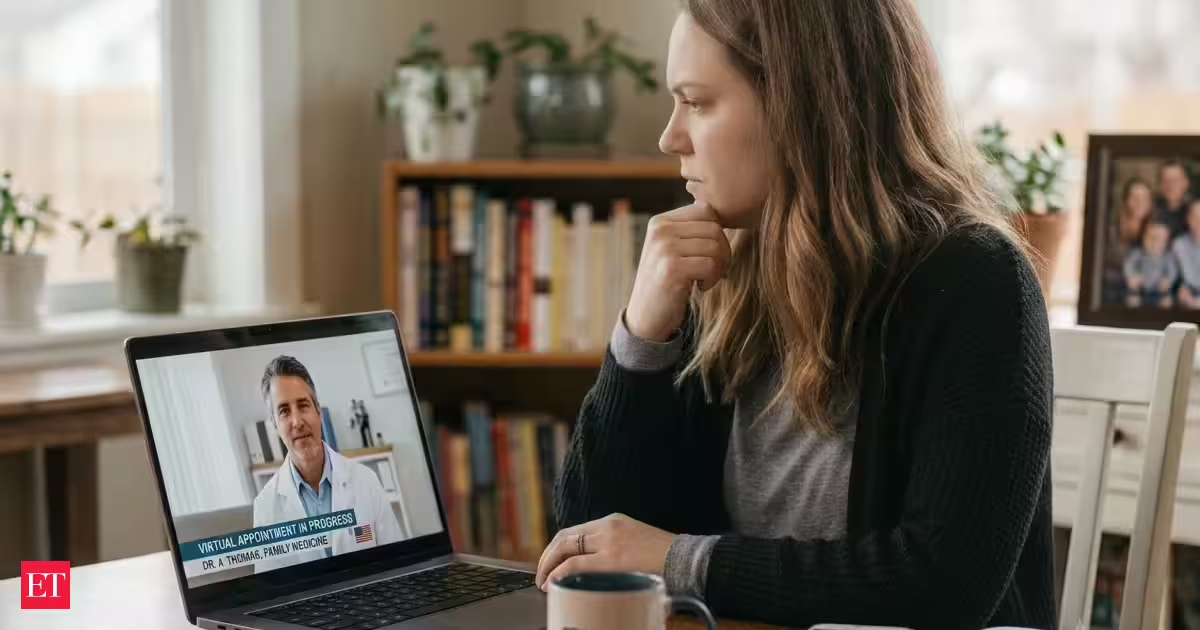
It must be remembered that all doctor’s follow an ethical and moral code of conduct that includes confidentiality and to remain judgement free and non-discriminatory, says the writer.
FOR most people, going to a doctor’s appointment is already stressful. As a patient, you may have some kind of physical discomfort or anticipate an unwanted diagnosis. But for some, the actual interaction with the doctor compounds this already negative experience.
Many individuals now take to social media as an outlet to voice their discontent and perhaps opening up communication around this issue and considering both points of view may be helpful.
The changing landscape around access to information and the popularity of social media may influence a medical consultation. Excessive advertising of health products or practices by non-medical individuals, misinformation and an overall negative perception about western medicine that predominates online may foreshadow a consultation and present a challenge to the treating doctor.
Doctors have a responsibility to practice "evidence-based medicine" which means to treat conditions in ways that are proven to be effective by scientific studies and knowledge. Sometimes this may be in direct opposition to the latest social media trend, for example, the promotion of a herbal product over medication.