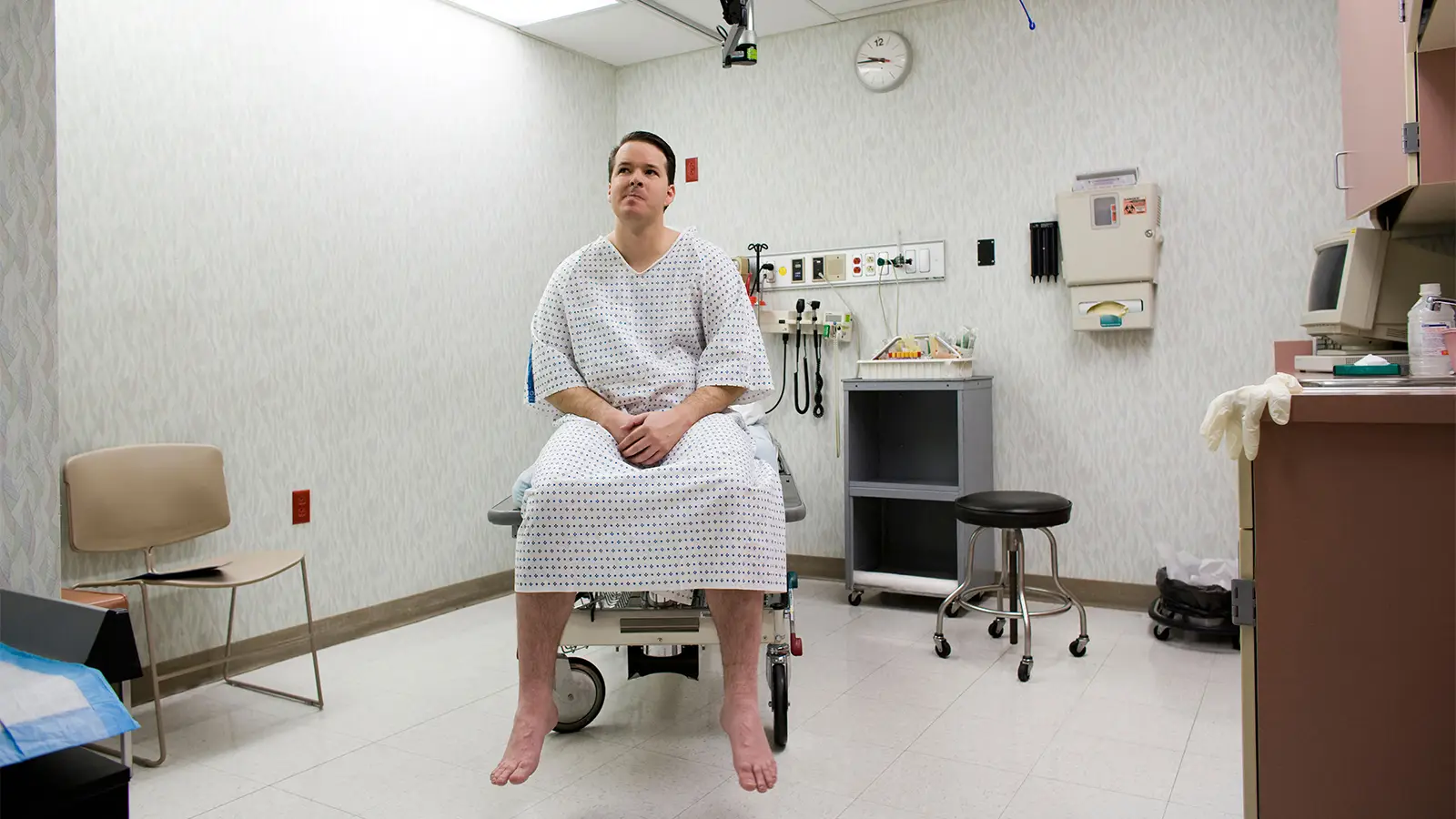
One in six patients is deemed to be dissatisfied and demanding. But to prevent difficult medical problems from being redefined as difficult patients, doctors need help
I
once cared for a patient for 10 years, which is a pleasingly long time in oncology. Alas, the years didn’t bond us. I found her, in turns, combative and annoying, and I confess she probably found me the same. Before each encounter, I would take a deep breath and talk myself into greeting her with an ease I never felt.
She was my “heart-sink” patient. When she didn’t show up, I worried, but when she did, my stomach tightened. My “surface feeling” was impatience, but inside, I felt terrible that any patient should arouse such antipathy in a member of the “caring profession”. When she was finally discharged in good health, we were both relieved for different reasons.
I found myself thinking about this when reading an illuminating study about what makes “difficult” patients difficult. (I do love that doctors choose to study such things.)