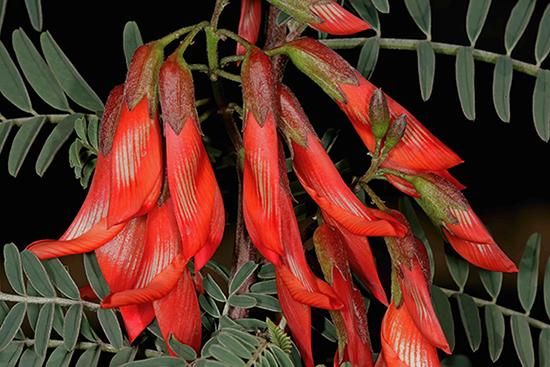
There is renewed hope for patients as researchers delve into the healing properties of "cancer bush", a plant long used in traditional medicine.
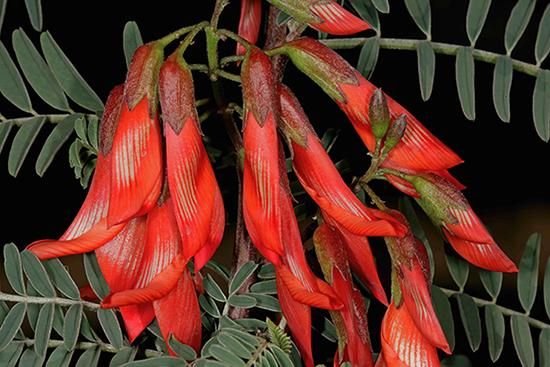
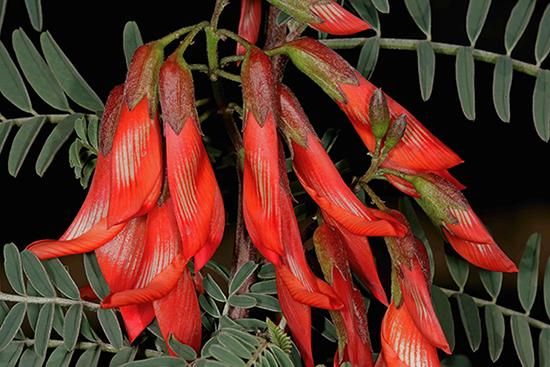
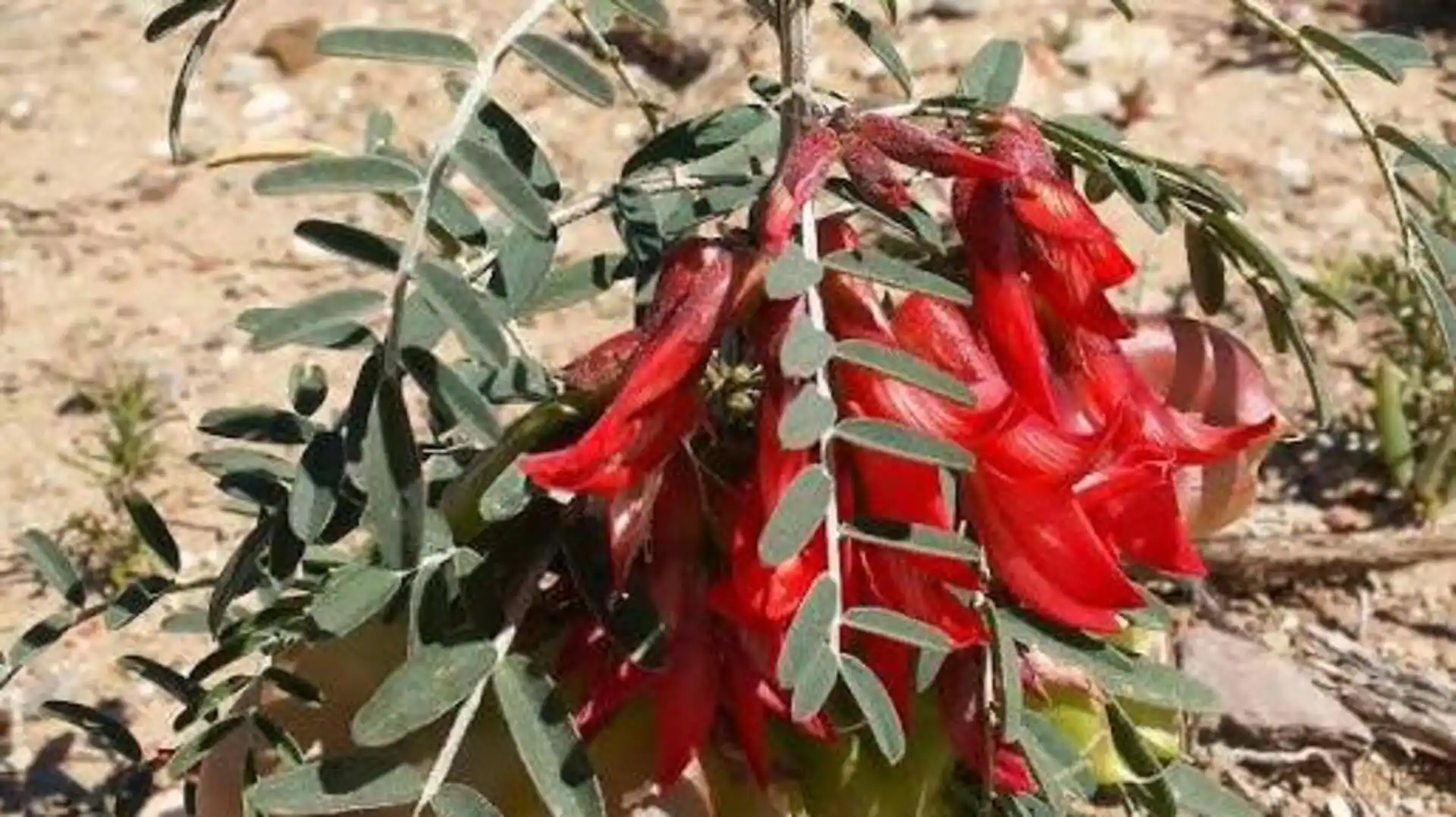
A plant long cherished in South African traditional medicine is now at the forefront of groundbreaking research, potentially revolutionising cancer treatments both locally and internationally. Researchers at North-West University (NWU) are studying the anti-cancer properties of Lessertia frutescens, commonly known as "cancer bush", as preliminary lab results unveil its potential against various cancer types, including the notoriously hard-to-treat small-cell lung cancer and colorectal cancer.
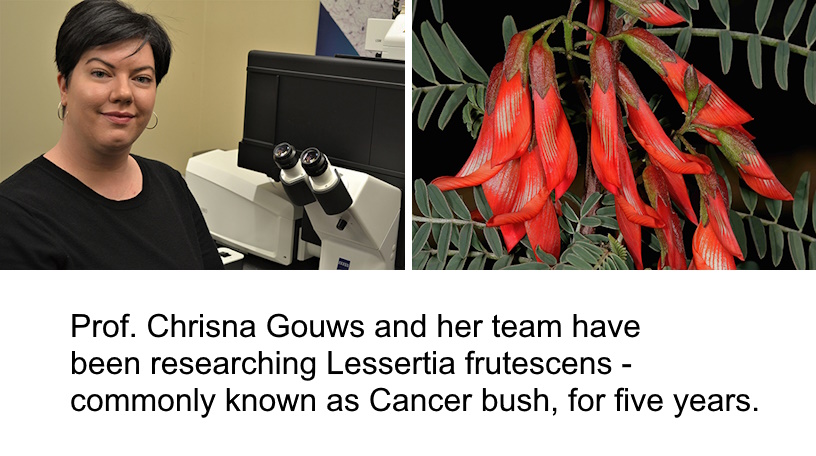
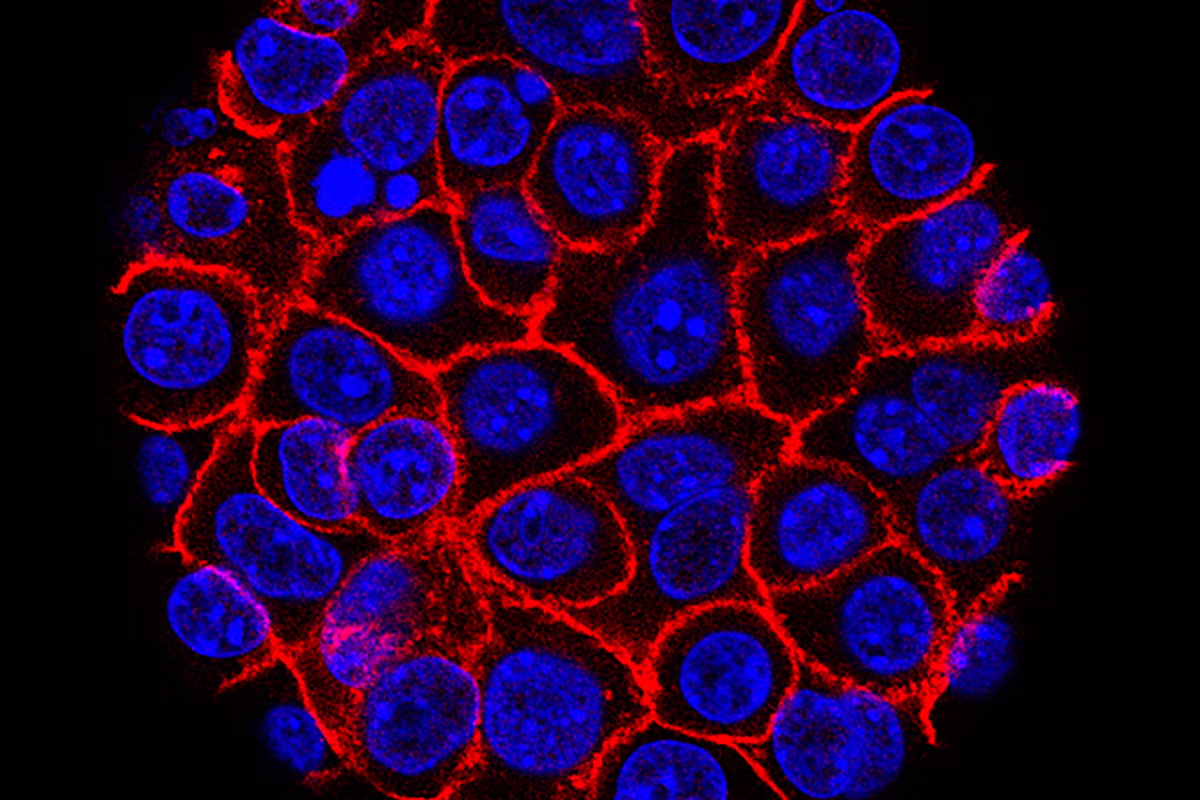
Prof. Chrisna Gouws, a research professor in the Centre of Excellence for Pharmaceutical Sciences, leads the team exploring this promising avenue. "Lessertia frutescens has shown significant anticancer activity against several different cancer types in our research," she said, highlighting the initial success of the extracts tested on cultured human cancer cells and advanced laboratory-grown models known as spheroids.
The relevance of their findings deepened as the researchers observed the plant's activity against cancers that typically evade conventional treatments. "What is very interesting and exciting is the apparent activity in drug-resistant cancers such as resistant small-cell lung cancer where known chemotherapies have limited to no activity," Prof. Gouws, an authority in her field, leading strategic projects for human-based methodologies in biomedical research, reported. This discovery opens new pathways for treatment options targeting cancers long feared as incurable.