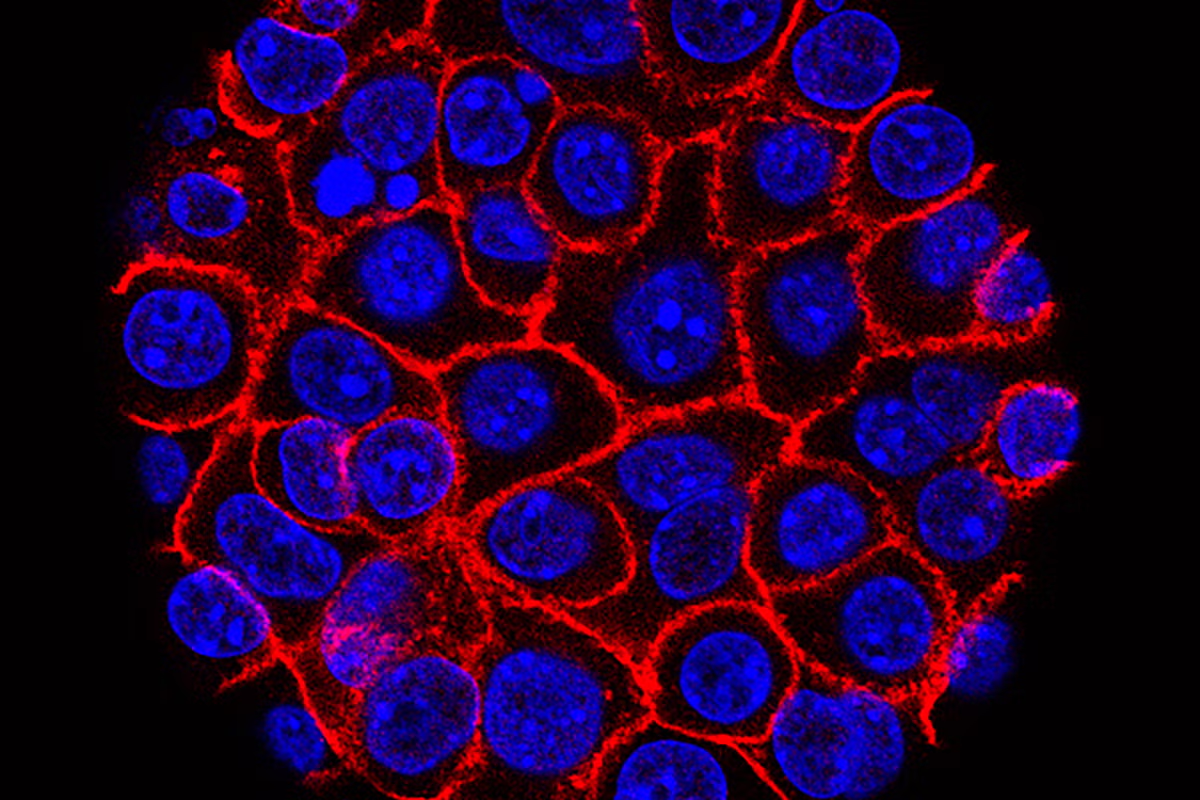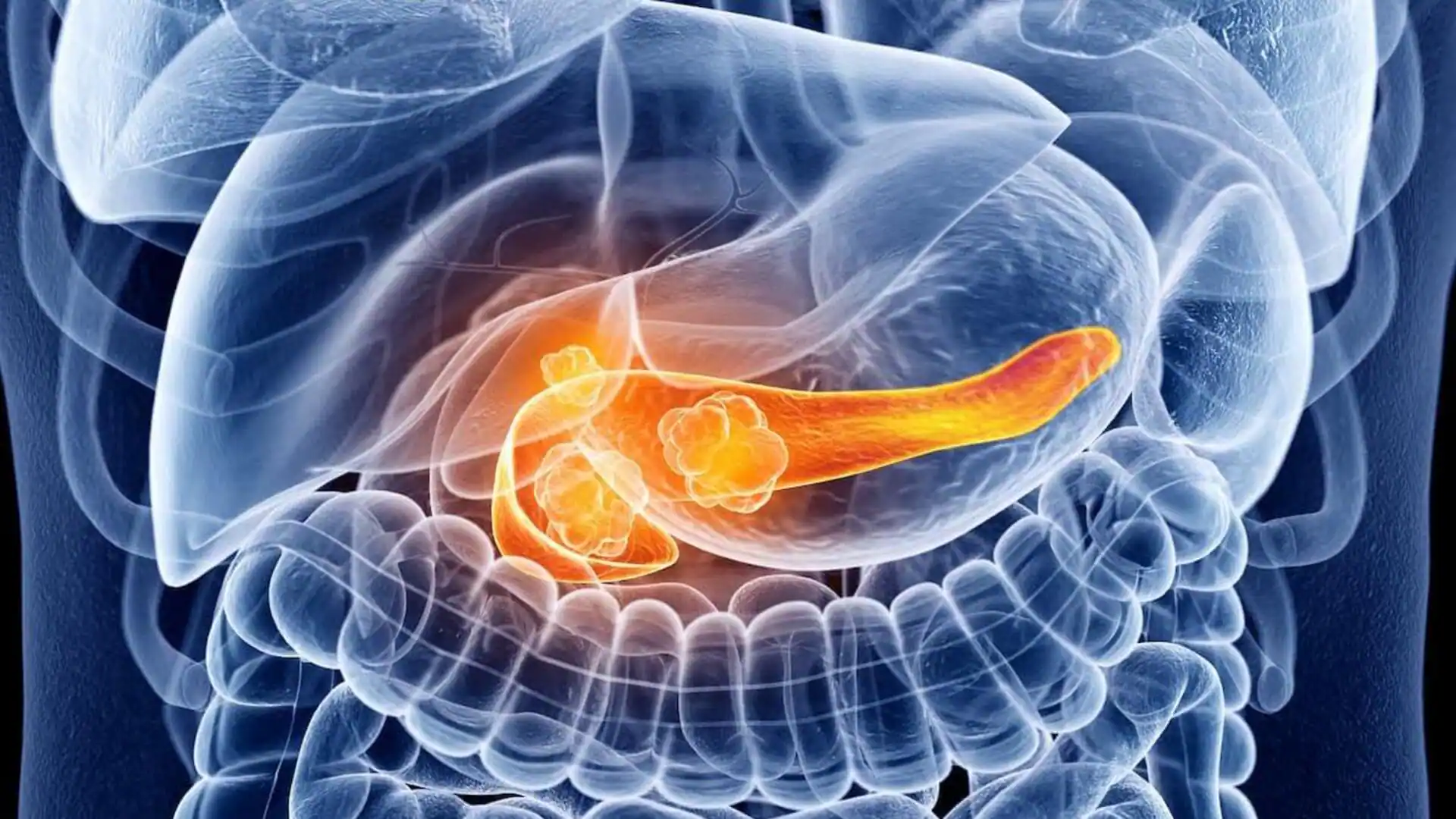
An experimental drug for advanced pancreatic cancer significantly extended survival in a major clinical trial, offering fresh hope for improved treatment against one of the deadliest forms of cancer.
"While not curing the cancer, it is a very large step forward," said Dr. Zev Wainberg, of the University of California, Los Angeles, who helped lead the study.
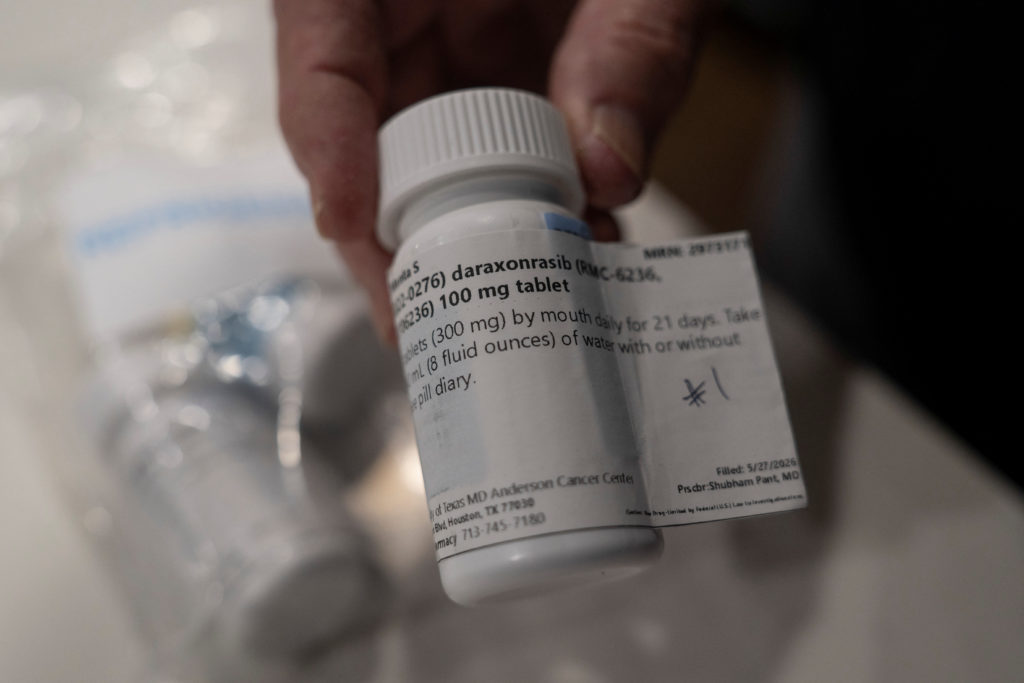
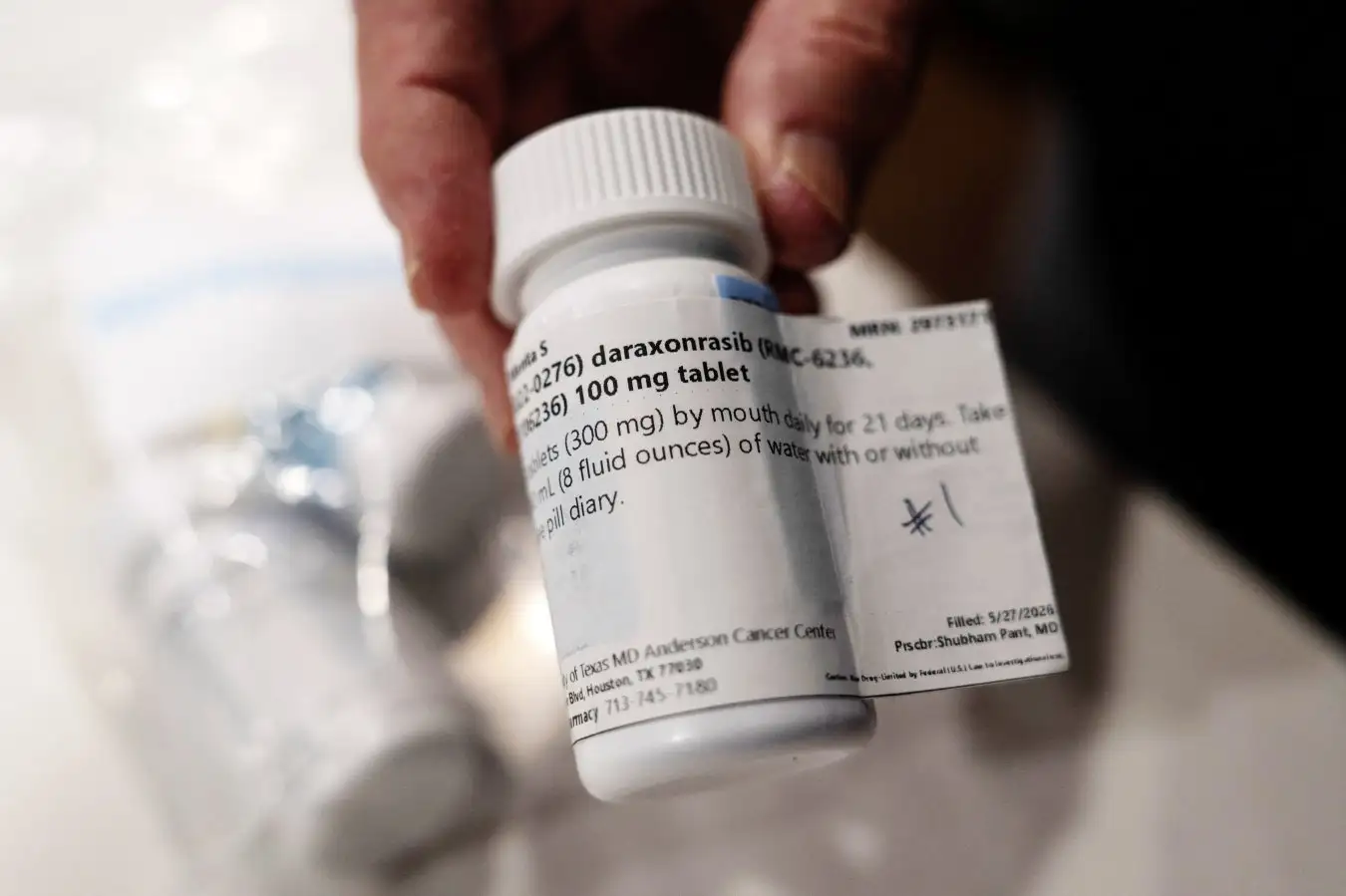
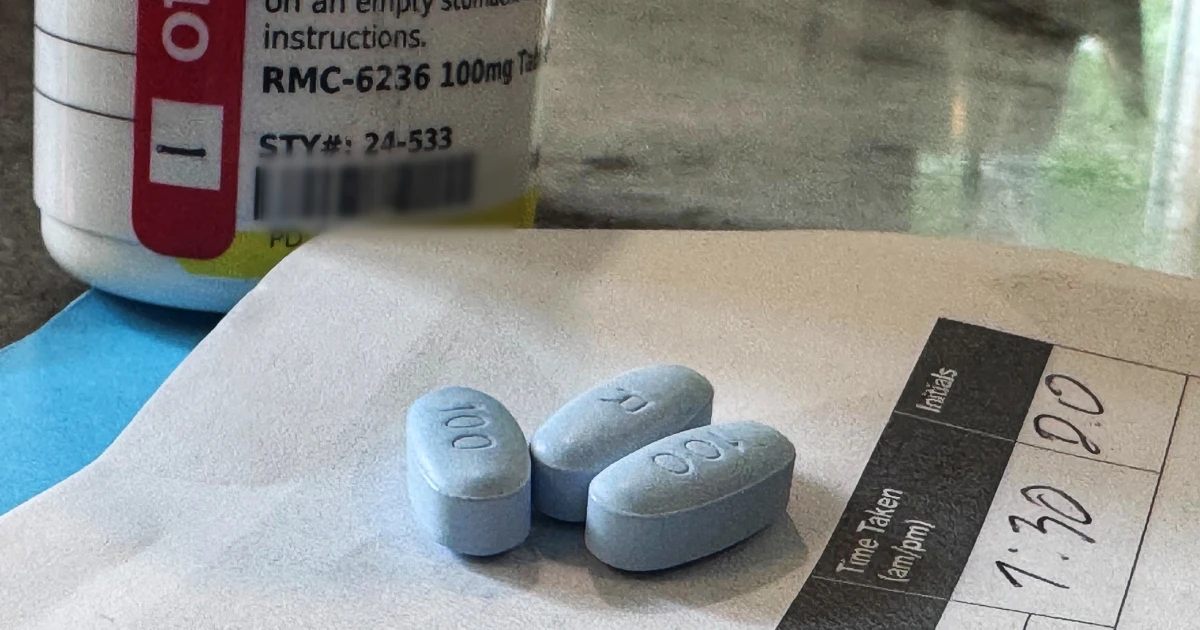
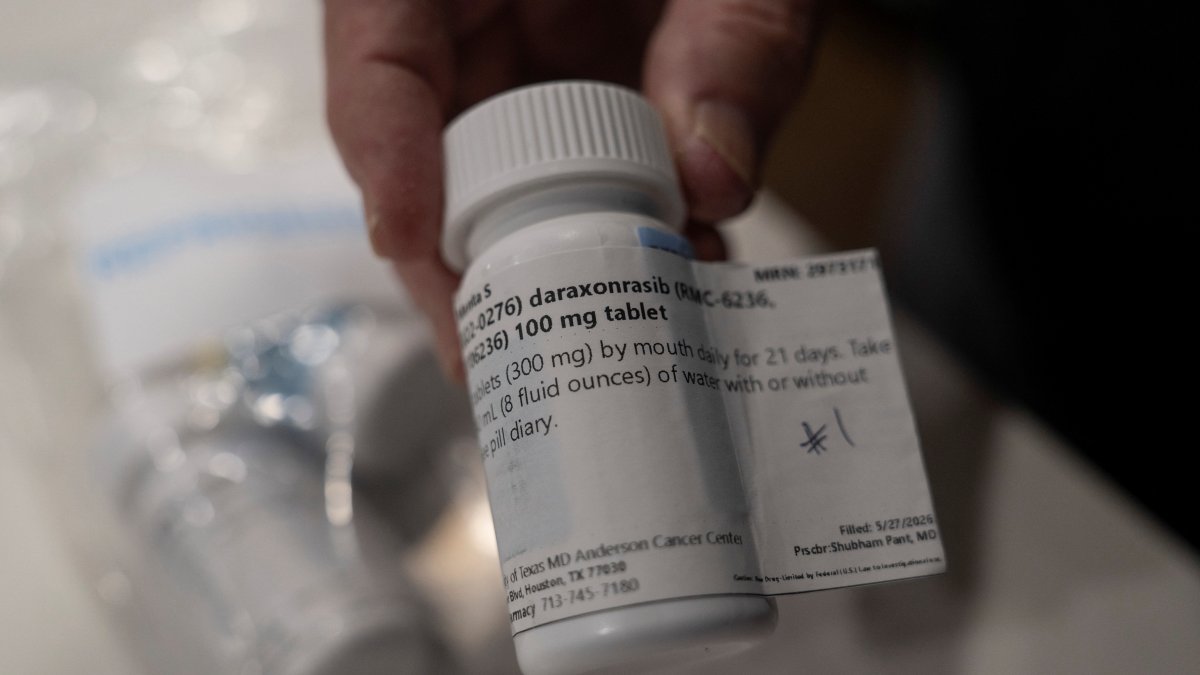
The drug is called daraxonrasib and it blocks a mutated protein that fuels tumor growth in more than 90% of pancreatic cancer cases - a target that had eluded treatment for decades.
The daily pills nearly doubled survival time, with fewer severe side effects, in a study that randomly assigned the experimental drug or more chemotherapy to 500 patients whose metastatic, or spreading, cancer had quit responding to prior treatment. The findings were published in the New England Journal of Medicine and presented Sunday at the American Society for Clinical Oncology meeting in Chicago.
Those taking daraxonrasib lived for a median of 13.2 months compared with 6.7 months for chemotherapy recipients. While that may seem like a small improvement, Wainberg said it marked the first drug to show a substantial advantage over chemotherapy.