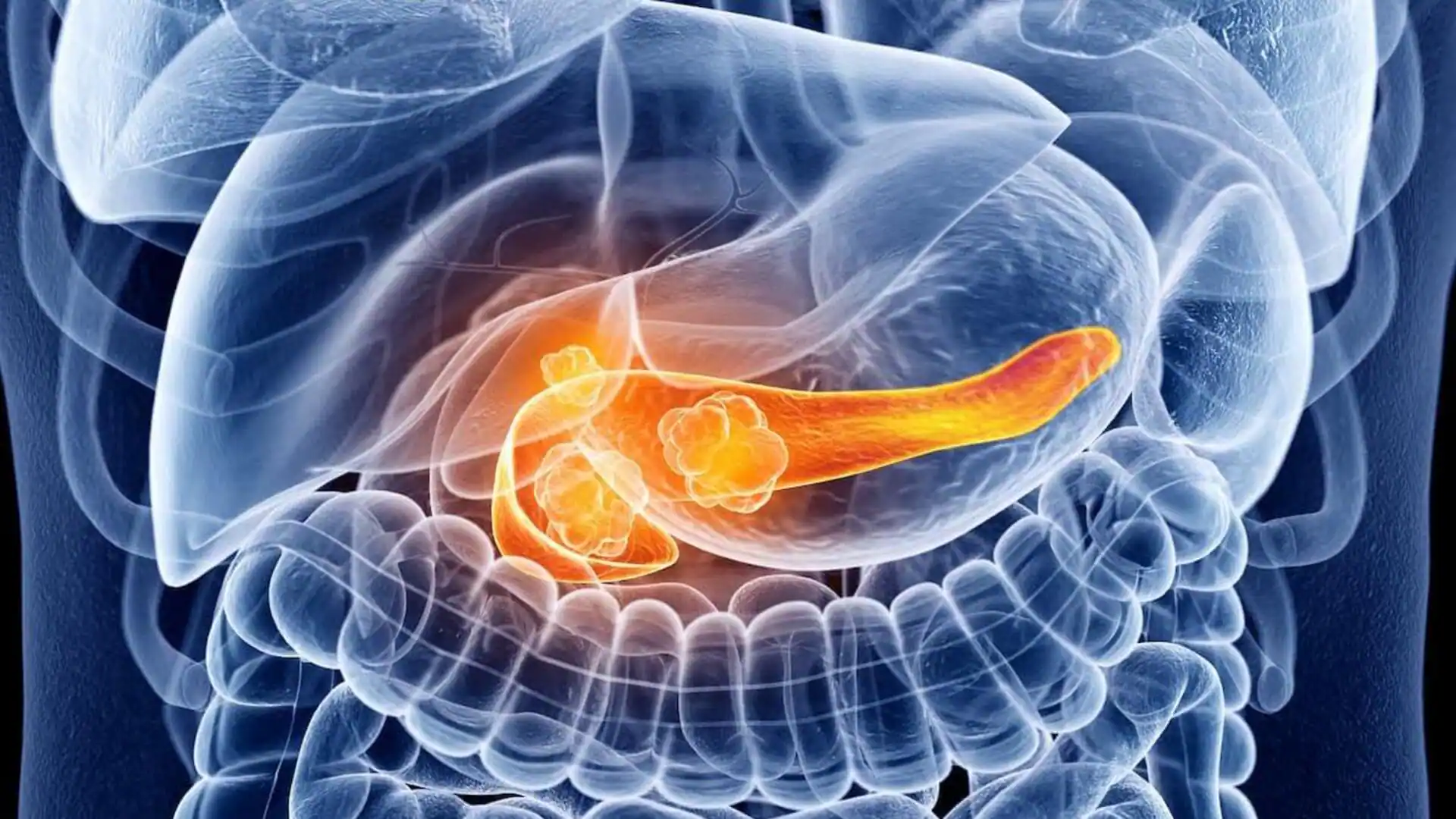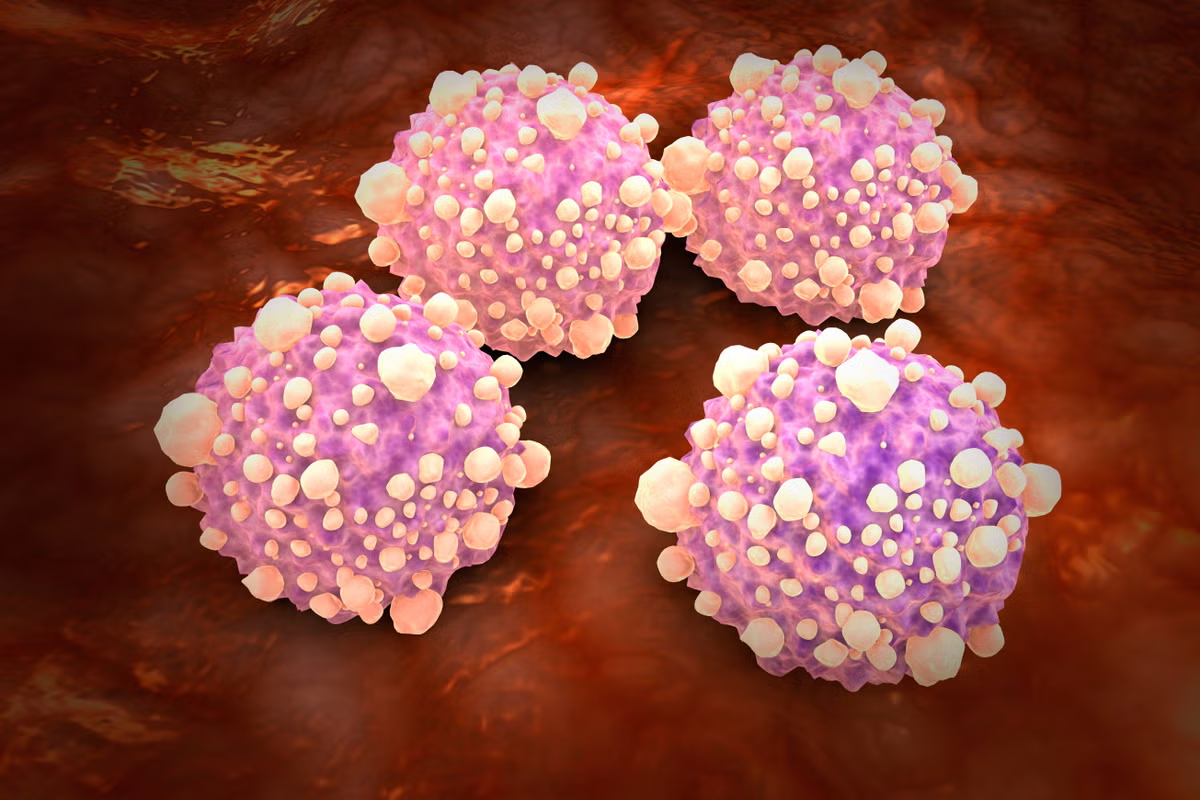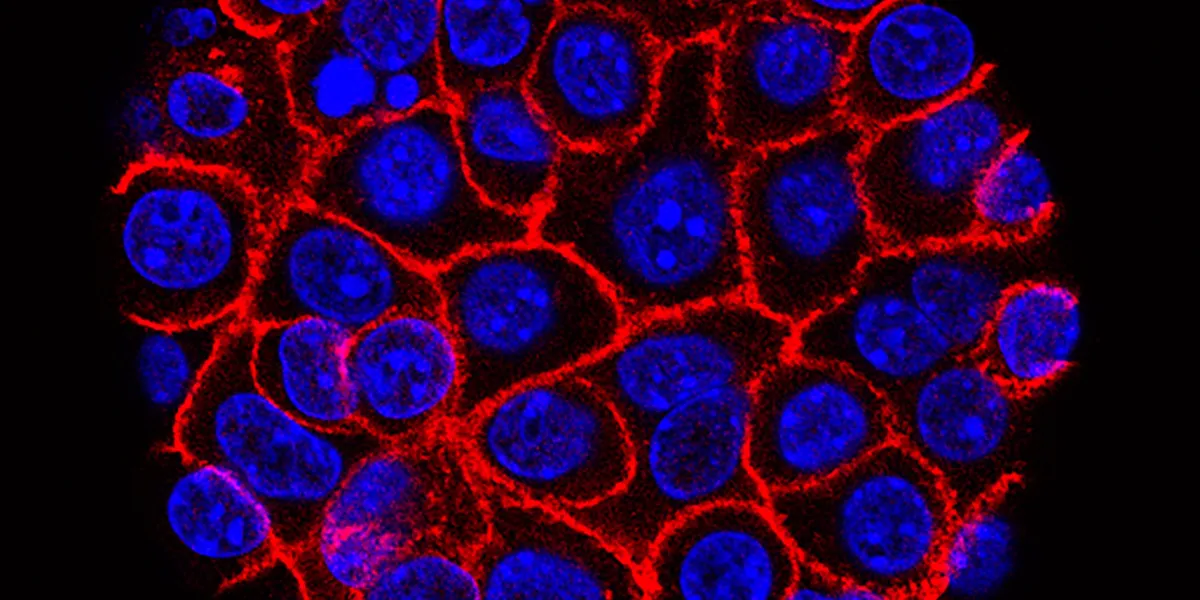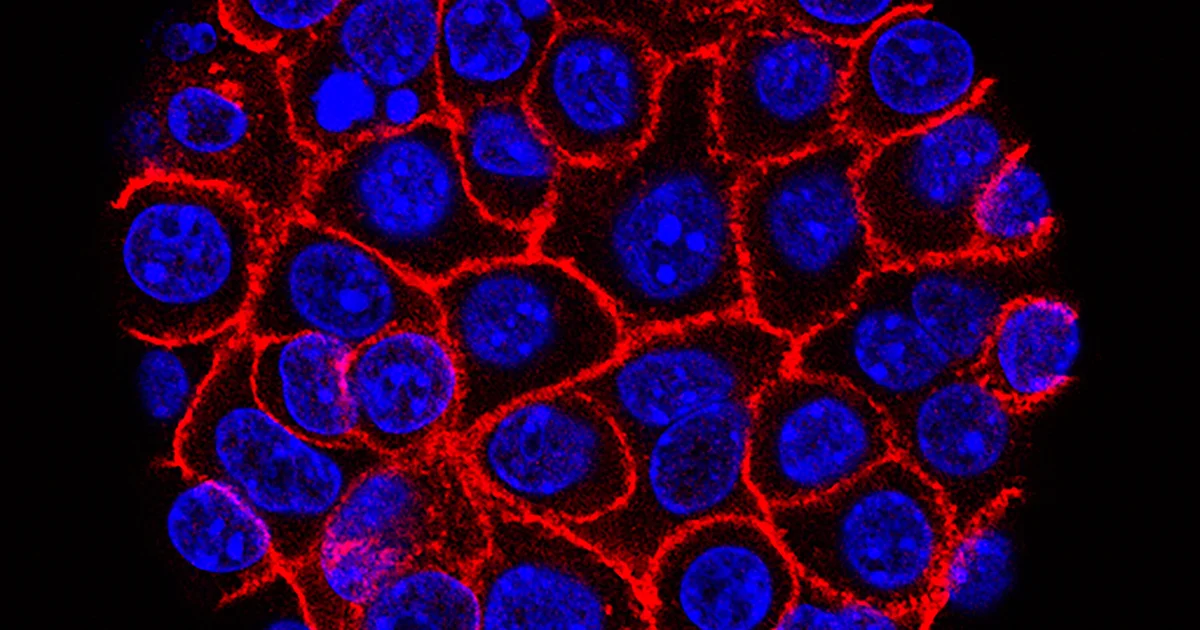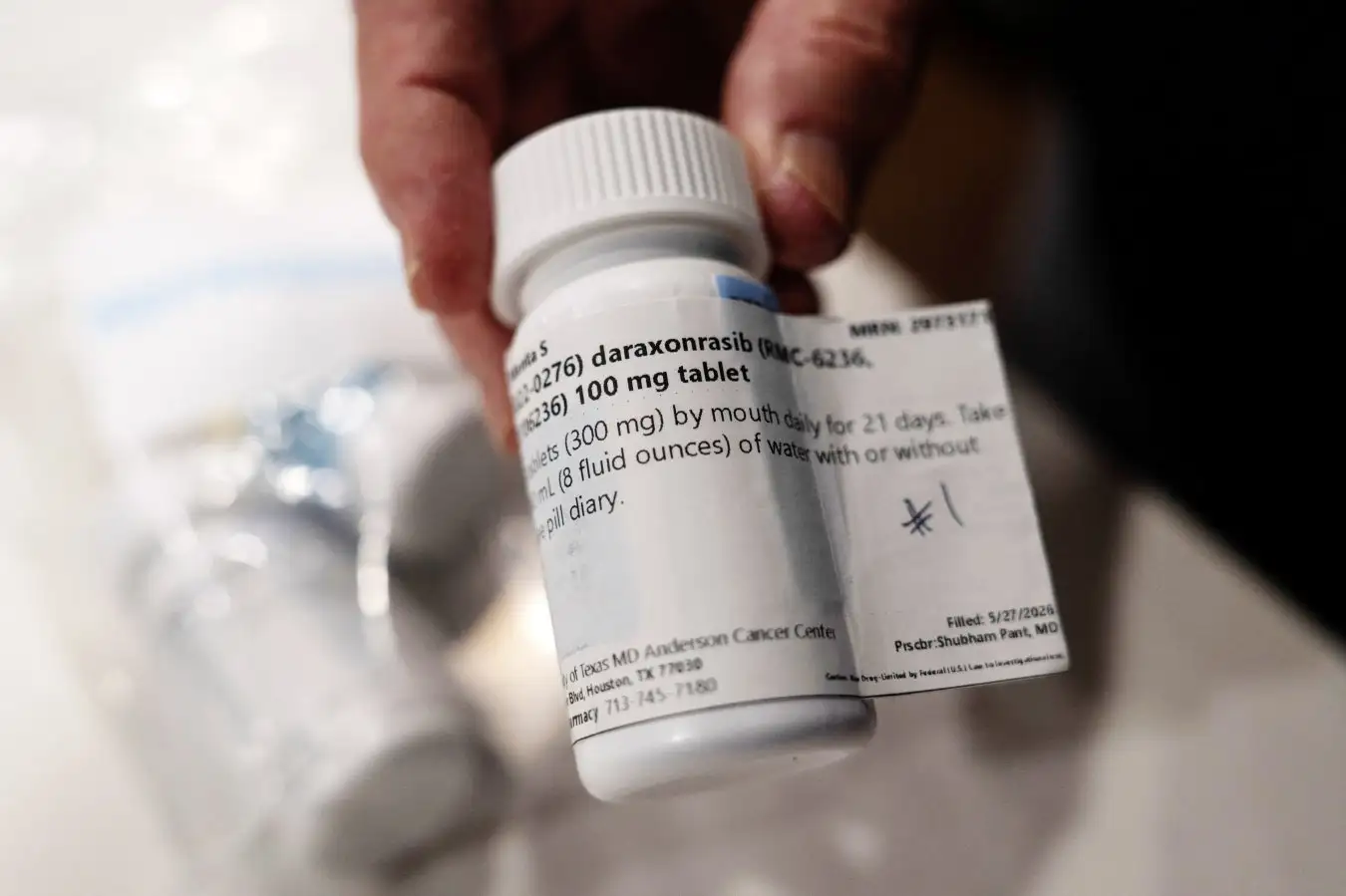
The drug daraxonrasib is being put forward to treat people with advanced pancreatic cancer in clinicsREUTERS/Danielle Villasana
A daily pill doubles the survival time of people with pancreatic cancer, one of the most aggressive and difficult-to-treat forms of the condition, even after they have stopped responding to chemotherapy. What’s more, the convenient pill has fewer side effects than standard chemotherapy.
“It’s a transformative treatment,” says Pilar Acedo at University College London, who wasn’t involved in the research. “For decades, [survival outcomes] haven’t changed for pancreatic cancer. [The new treatment] gives you double the amount of time to enjoy your life, be with your family and do things that you would like to do.”
About 70 per cent of people with pancreatic cancer are diagnosed at an advanced stage. A combination of no routine screening and vague symptoms, like a sore back, means that the condition is usually spotted when it has spread elsewhere. Standard treatment involves chemotherapy, but even then, most people only survive for about three to six months, on average. “The disease is really aggressive and difficult to treat,” says Acedo.
More than 90 per cent of pancreatic cancers are driven by mutations in the KRAS gene, which encodes for a protein known as K-Ras. When the gene is mutated, K-Ras gets stuck in a state that drives cancer cells to divide uncontrollably.