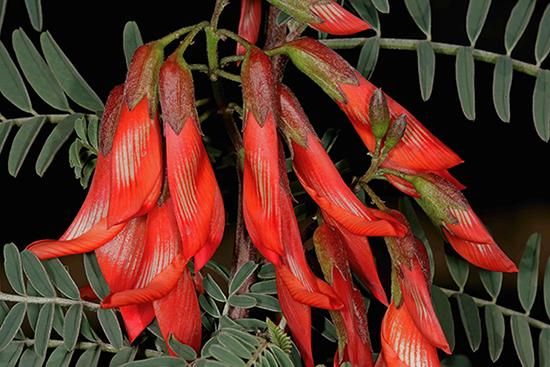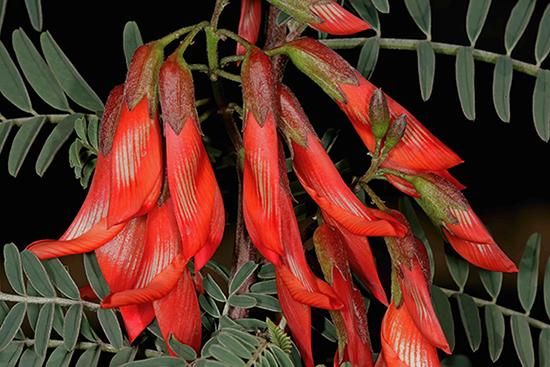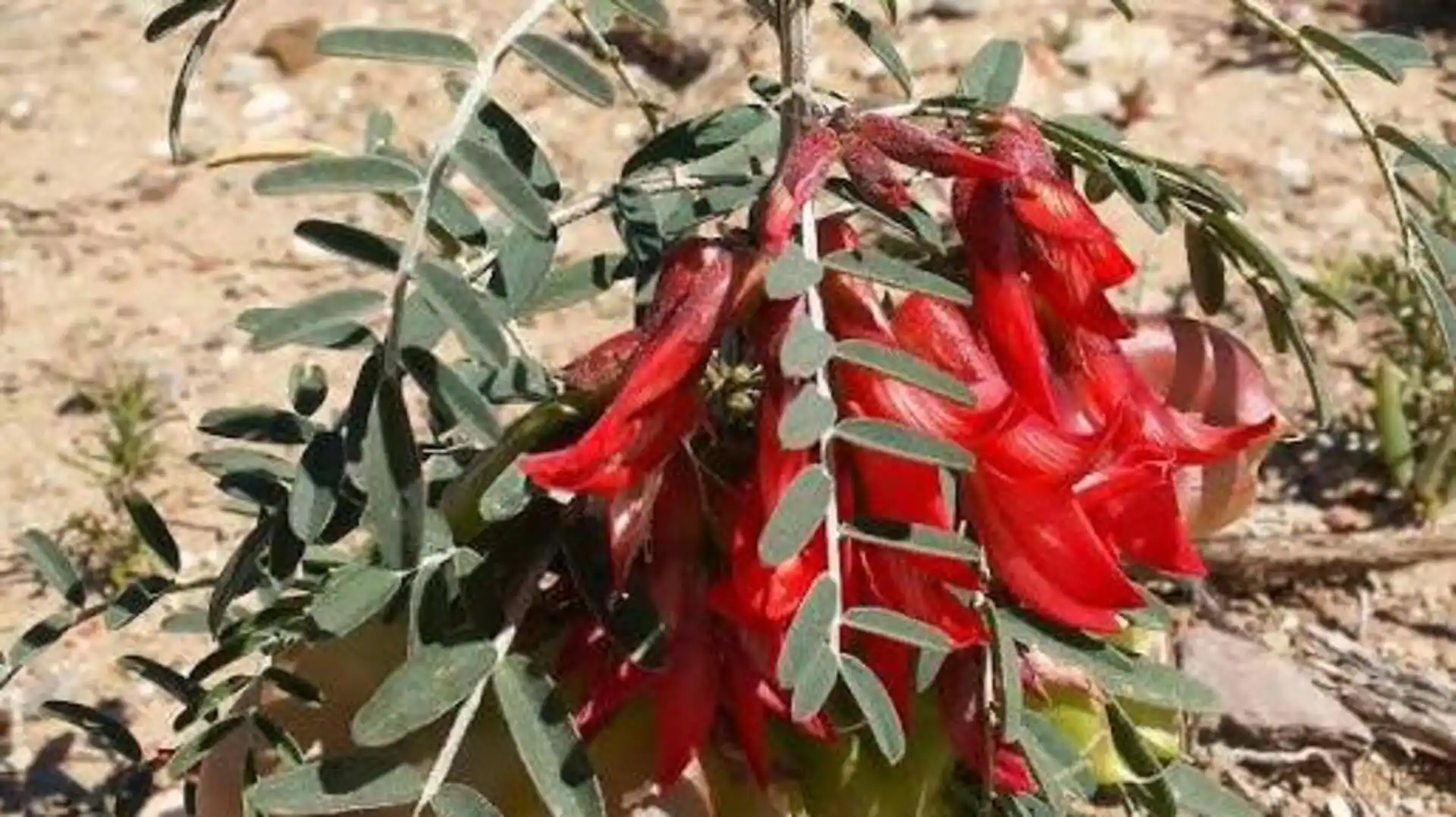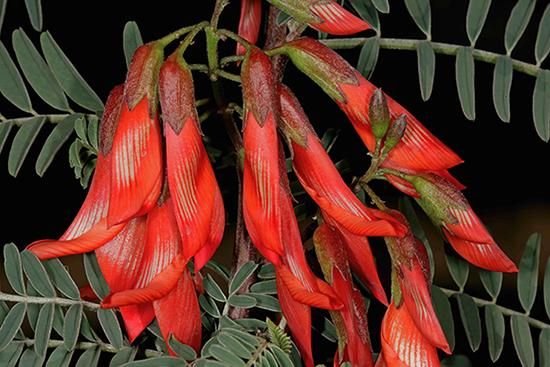
The cancer bush could hold the key to a cure for some cancers.
An indigenous plant long used in traditional African medicine has become the focus of pioneering research that could reshape future cancer treatment options in South Africa and across the globe.
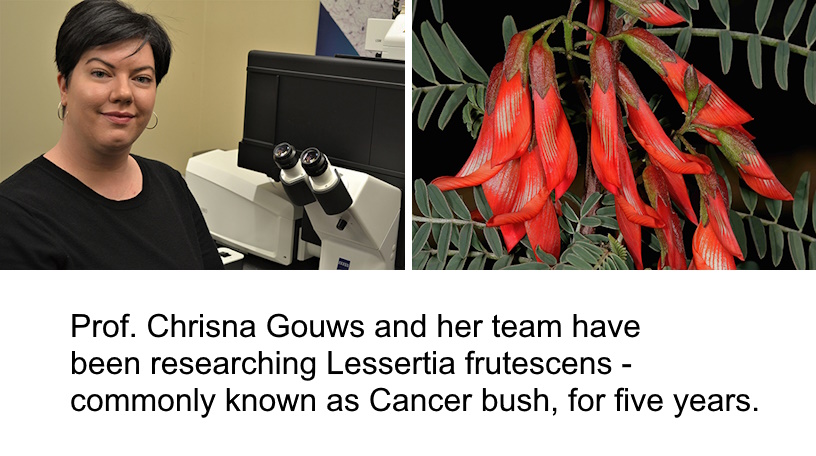
Scientists at North-West University (NWU) are investigating the intense anti-cancer potential of Lessertia frutescens—commonly known as the "cancer bush"—after successful laboratory trials. Crucially, the plant extract has shown significant activity against notoriously aggressive, drug-resistant small-cell lung cancer and colorectal cancer.
The research team, led by Professor Chrisna Gouws at the NWU Faculty of Health Sciences, tested extracts of the wild shrub on both cultured human cancer cells and advanced, laboratory-grown "mini-tumours" known as spheroids. The most extraordinary breakthrough occurred when the extracts were introduced to advanced tumours that had entirely stopped responding to standard therapies.
"What is very interesting and exciting is the apparent activity in drug-resistant cancers, such as resistant small-cell lung cancer, where known chemotherapies have limited to no activity," Professor Gouws noted. "This provides us with new avenues to investigate for treatment options to treat cancers currently considered incurable."