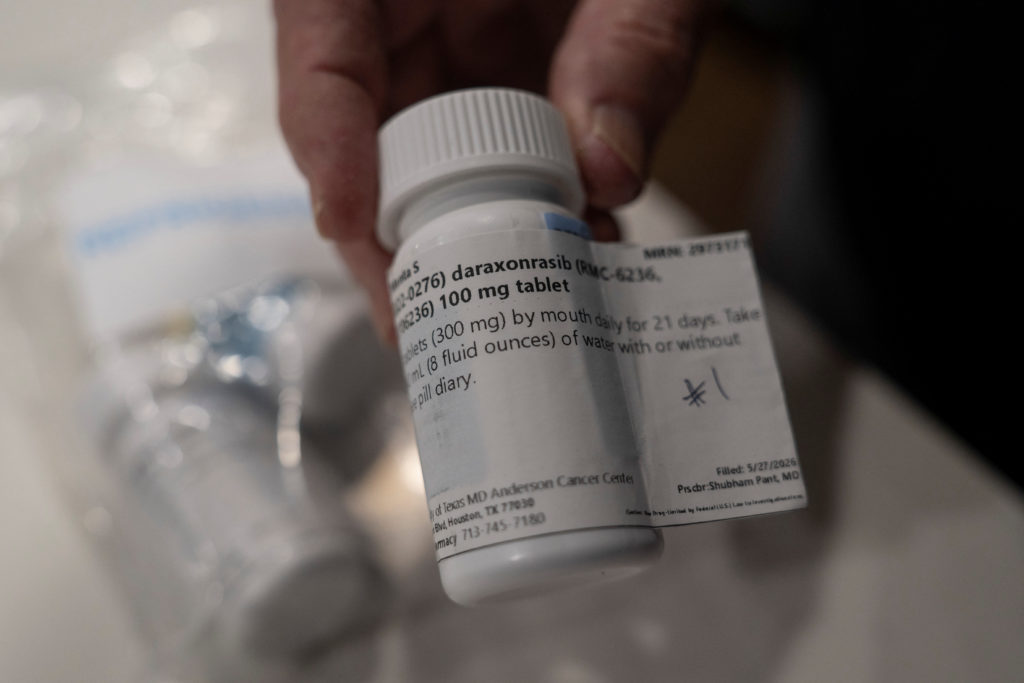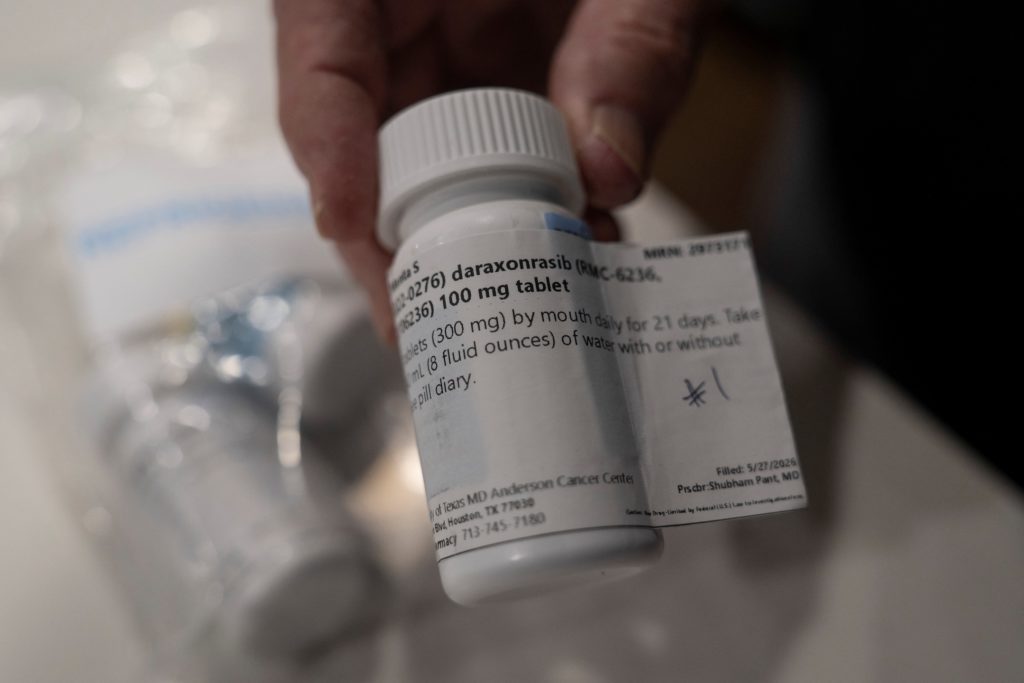
A medical breakthrough in the fight against pancreatic cancer is showing promising results after decades of research. The experimental drug, taken once a day, extends patients’ lives by slowing the progression of one of the deadliest cancers. Dr. Rachna Shroff, associate director of clinical investigations at the University of Arizona Comprehensive Cancer Center, joins Stephanie Sy for more.Notice: Transcripts are machine and human generated and lightly edited for accuracy. They may contain errors.
Geoff Bennett:
A medical breakthrough in the fight against pancreatic cancer is showing promising results after decades of research. The experimental drug taken once a day extends patients' lives by slowing the progression of one of the deadliest cancers.Stephanie Sy has more.
Stephanie Sy:
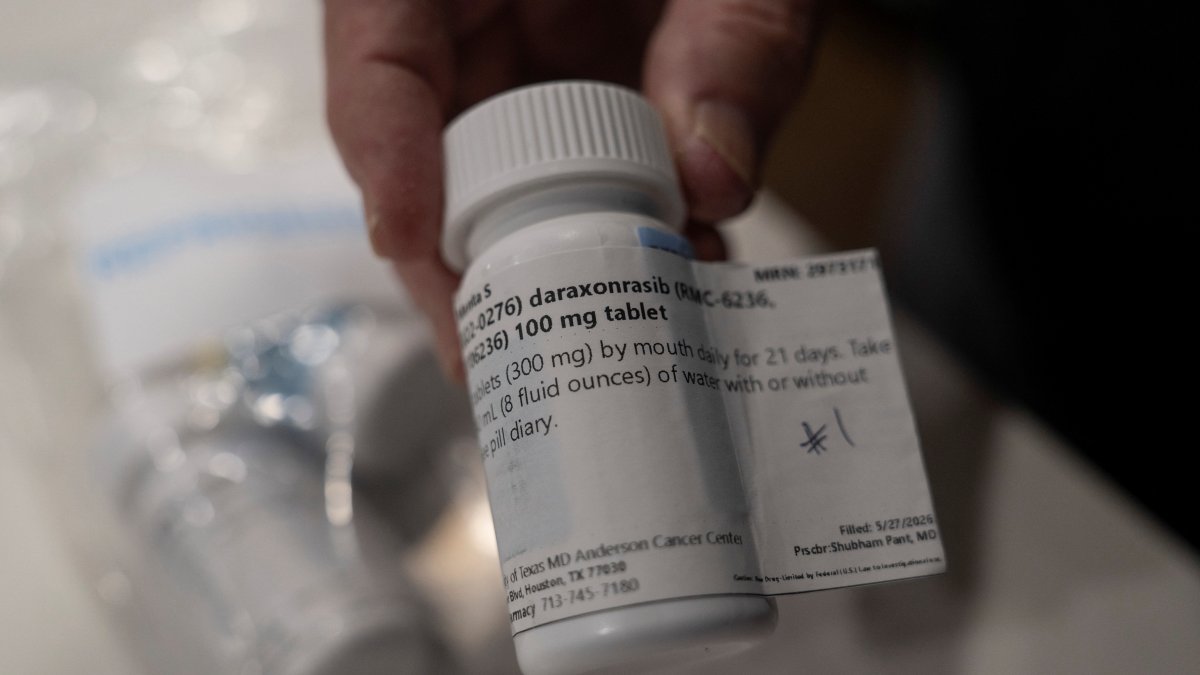
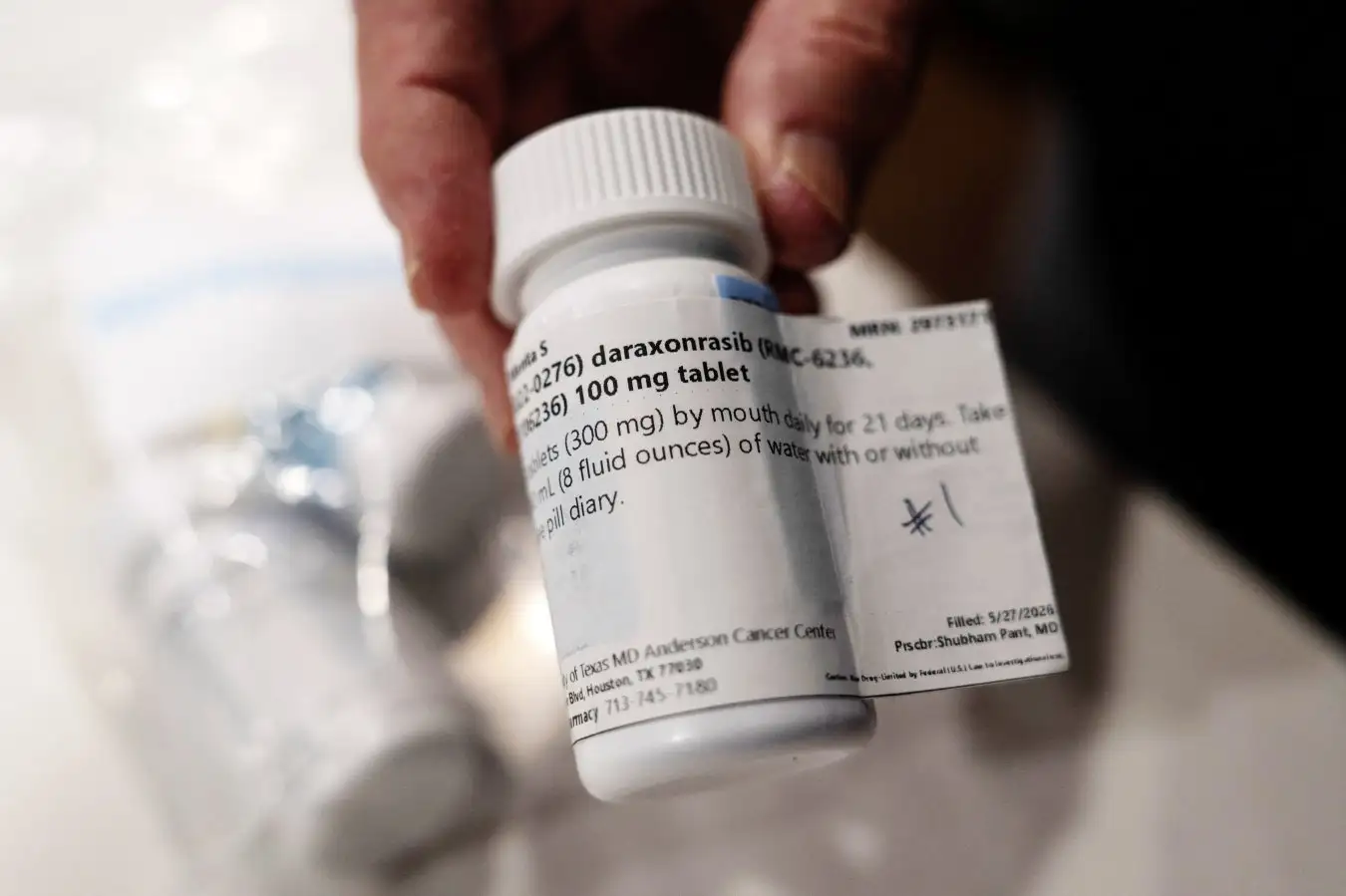
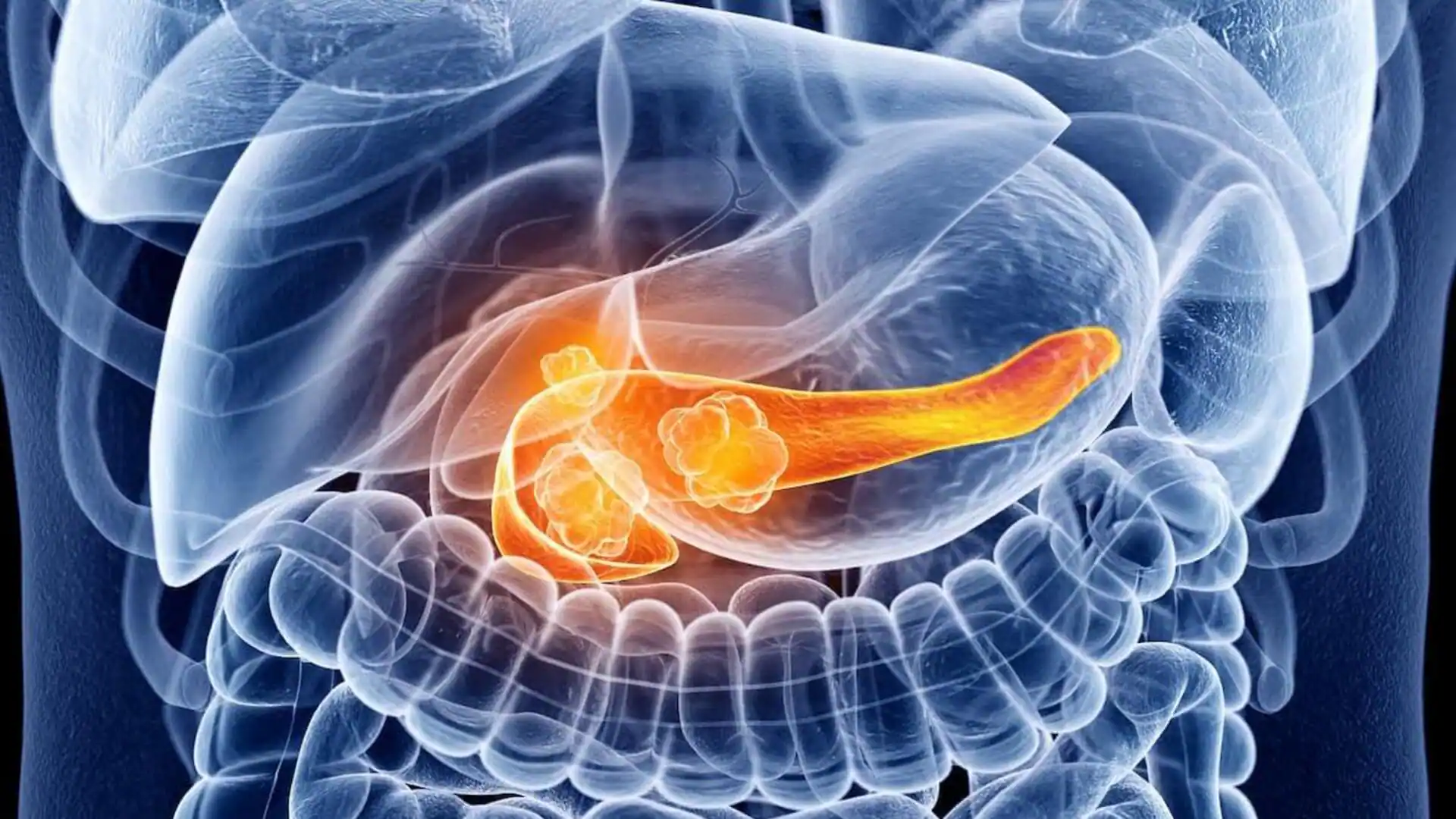
Geoff, it's called daraxonrasib.And, put simply, it targets mutations of the KRAS gene, a common driver of pancreatic cancer that chemists viewed for a long time as undruggable. Pancreatic cancer is expected to kill more than 52,000 Americans this year. It's often diagnosed after it's already spread, putting the five-year overall survival rate at a meager 13 percent.For most advanced patients, there's no cure. And standard treatment has been chemotherapy. Experts say that could be about to change.For more on what this means for patients and the future of cancer treatment, I'm joined by Dr. Rachna Shroff, associate director of clinical investigations at the University of Arizona Comprehensive Cancer Center.Dr. Shroff, this is hopeful, to say the least. And before we get into the details, I imagine you have treated and lost many pancreatic cancer patients over the years. I lost my own mother to the disease very quickly a few years ago.What was your reaction when the results were read to the room over the weekend?