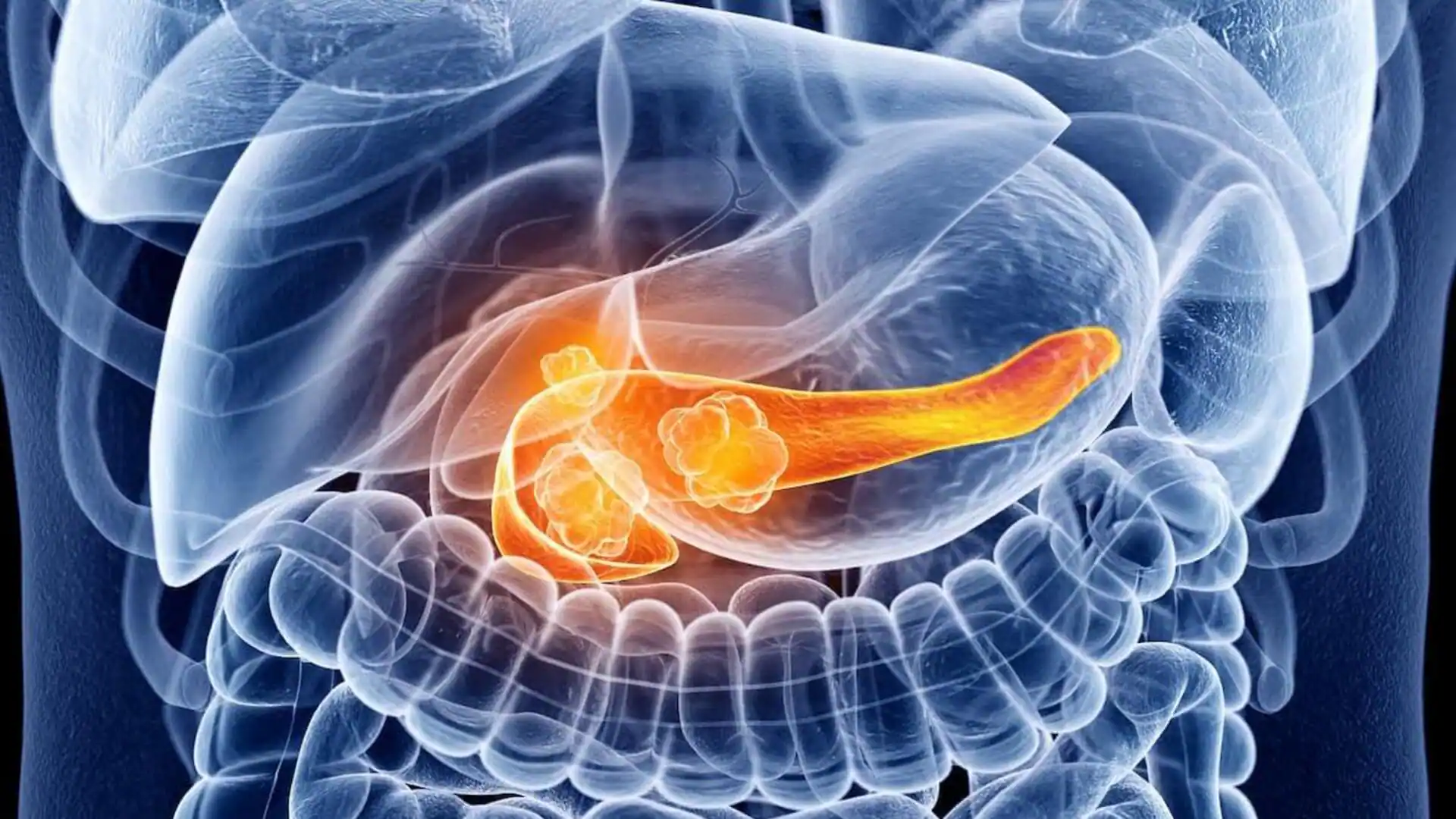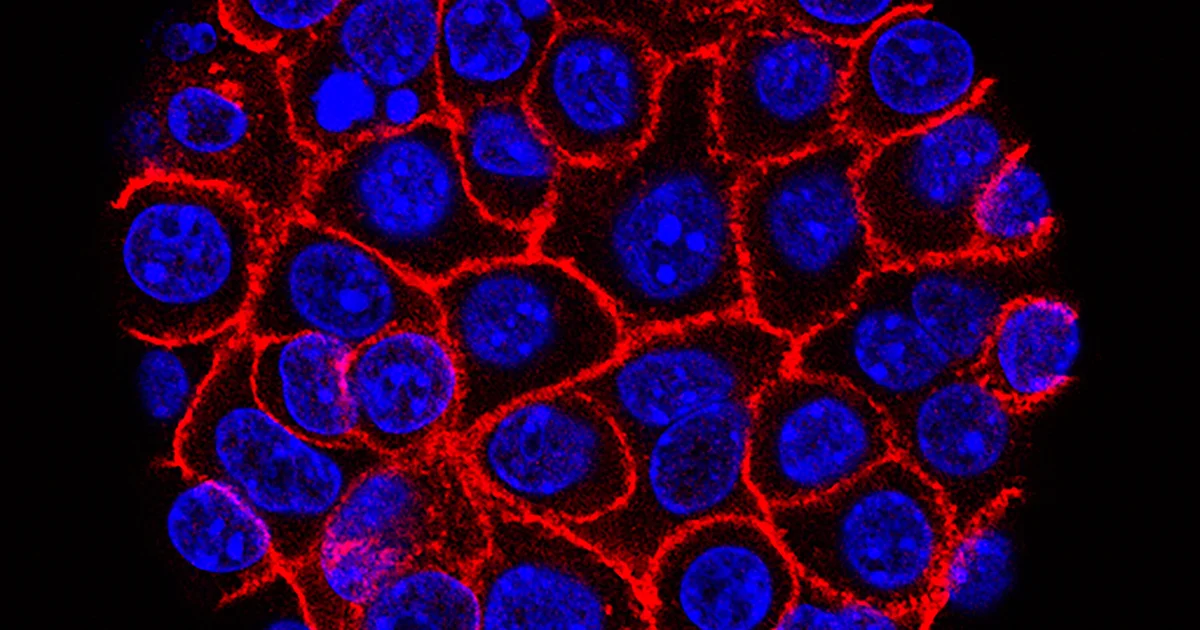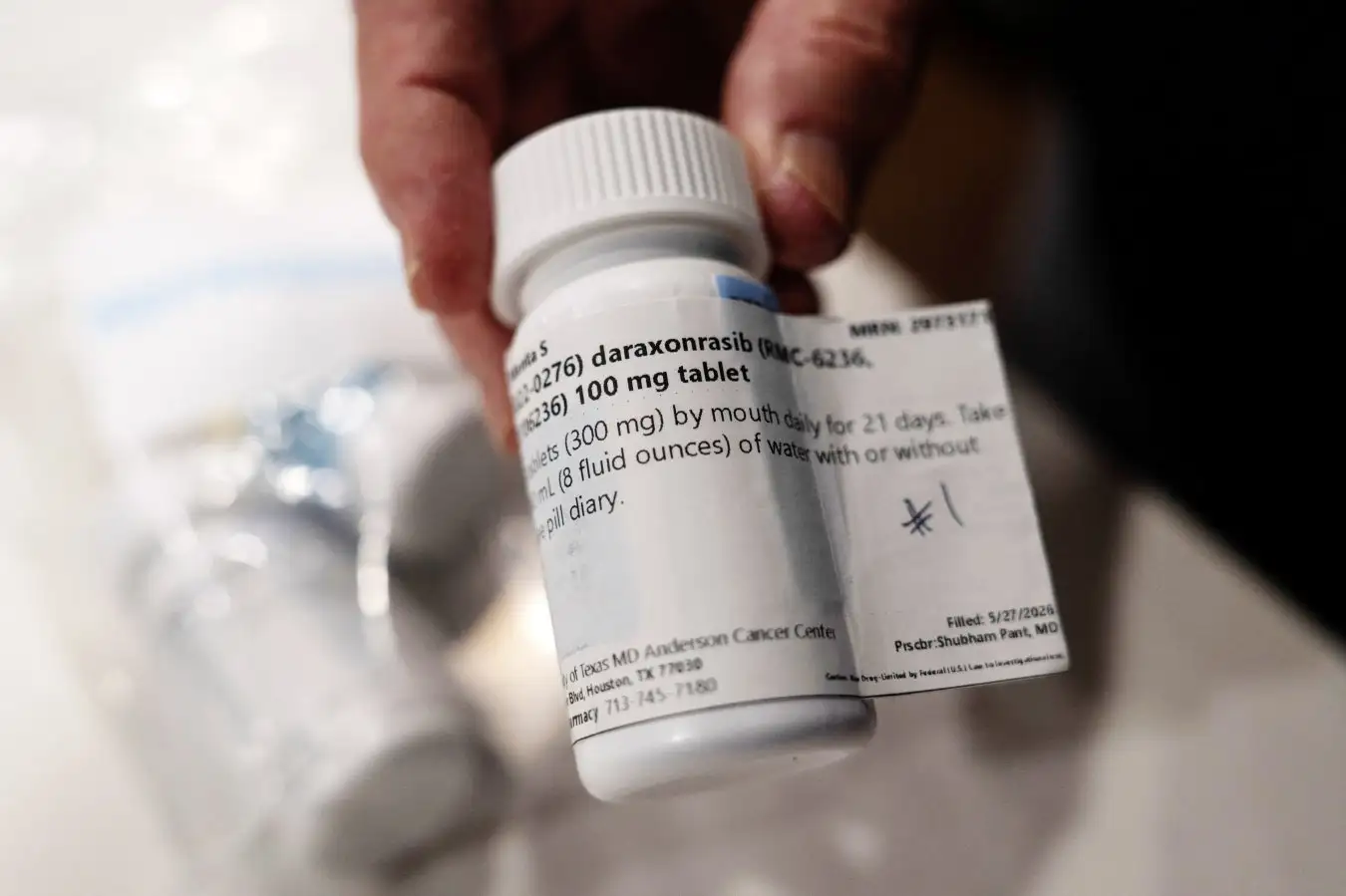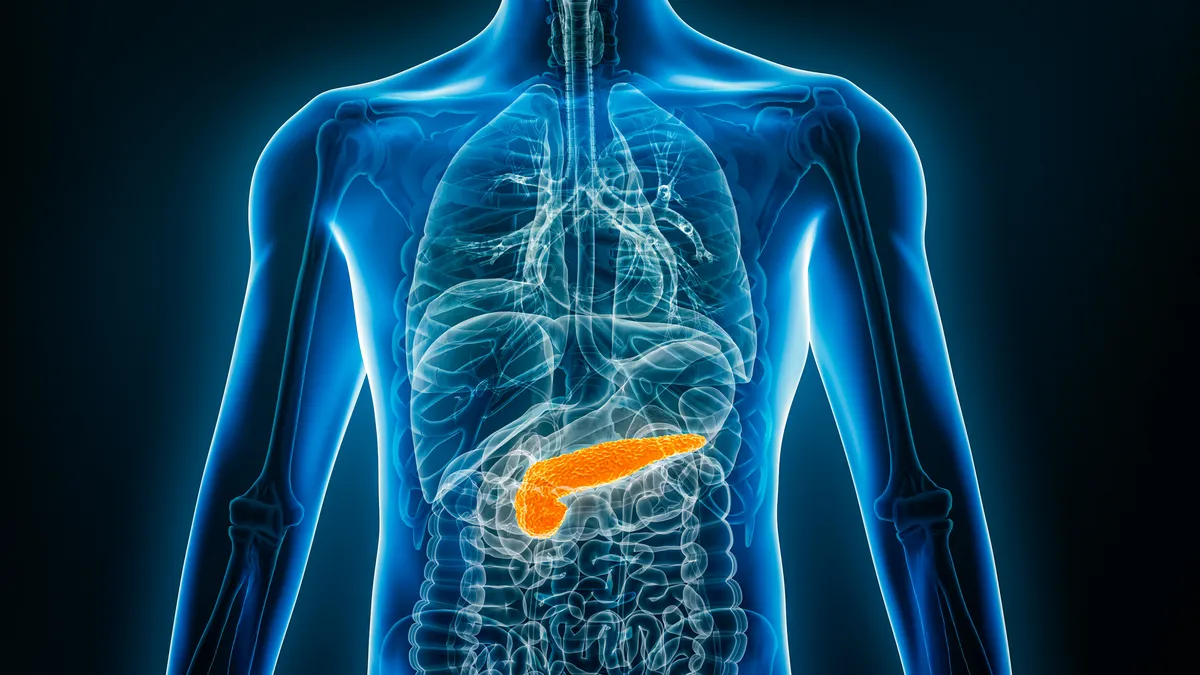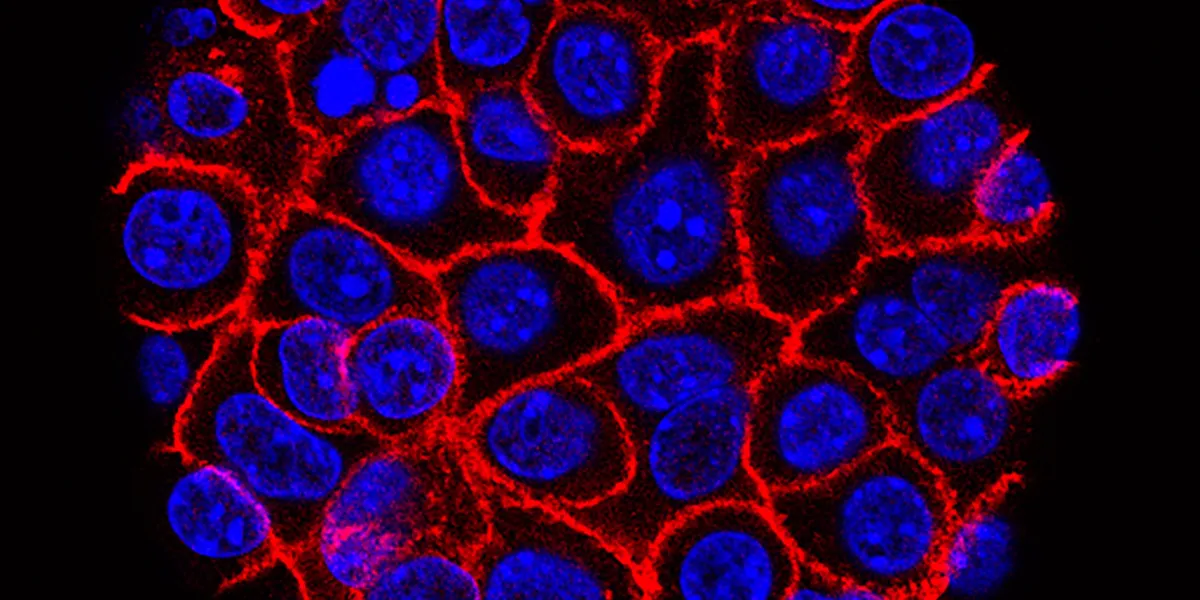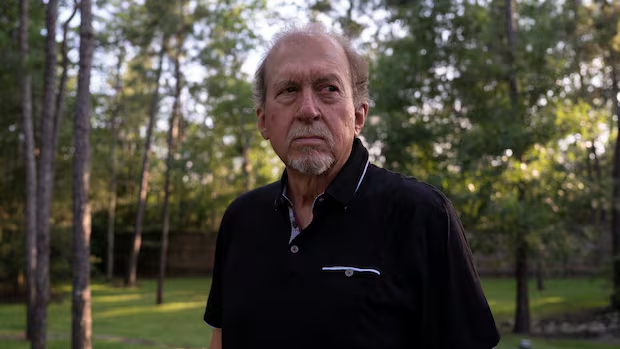
HealthAn experimental drug that doubles survival time for pancreatic cancer is being hailed as a breakthrough for combating one of the world's deadliest cancers.Daraxonrasib boosted survival to more than 1 year when compared to chemotherapy, study findsLauren Pelley · CBC News · Posted: Jun 01, 2026 2:45 PM EDT | Last Updated: 1 hour agoListen to this articleEstimated 6 minutesThe audio version of this article is generated by AI-based technology. Mispronunciations can occur. We are working with our partners to continually review and improve the results.Menta 'Steve' Wallace pictured at home in The Woodlands, Texas, in late May. Wallace is taking daraxonrasib, an experimental pancreatic cancer drug, as part of a clinical trial. (Danielle Villasana/Reuters)An experimental drug that doubles survival time for pancreatic cancer is being hailed as a breakthrough for combating one of the world's deadliest cancers.A Phase 3, 500-person trial pitted the once-a-day pill against standard chemotherapy in patients who had already gone through one unsuccessful round of traditional cancer treatment. The research found the pill, daraxonrasib, halted or reversed tumour progression by nearly a third compared to just 10 per cent in those given chemotherapy — and doubled survival time from less than seven months to roughly 13.The trial results from U.S. biotech company Revolution Medicines were published in the New England Journal of Medicine on Sunday and received a standing ovation at the American Society of Clinical Oncology (ASOC) annual meeting the same day.Canadian medical oncologist Dr. Bishal Gyawali, an associate professor at Queen's University in Kingston, Ont., was among those in attendance. "My first reaction was: This is a well-deserved standing ovation," he told CBC News in a call from Chicago, where the ASOC meeting is still underway. "Because pancreatic cancer has been a difficult-to-treat cancer."Cancer remains top cause of death in Canada as new study shows multiple types rising"It is the biggest breakthrough for pancreatic cancer ever," echoed Dr. Jennifer Knox, a medical oncologist specializing in pancreatic cancer at the Princess Margaret Cancer Centre in Toronto, who is also at the ASOC meeting."We haven't seen an improvement like this with any other treatments. There's been a lot of really exciting breakthroughs across oncology; none of them worked in pancreatic cancer. And so this is the game changer."Pancreatic cancer known as 'silent killer'The "silent killer" shows few symptoms early on and is often caught far too late, leading to a merely 13 per cent five-year survival rate. It's also stubbornly resistant to treatment, in part because by the time it's diagnosed, the cancer has typically spread beyond the pancreas — a small gland deep in the abdomen — and into other organs, such as the liver, lungs or abdominal wall.Ontario lowers screening age for colorectal cancer to 45A trial result showing a doubling of survival time for pancreatic cancer has "never happened" until now, Gyawali said, though he stressed the experimental pill is still considered a second-line treatment and not a cure."There are still miles to go, but it is exciting in the sense that, for the first time [for] such a lethal disease, we are seeing such good outcomes," he said.Wallace shows a bottle of daraxonrasib, Revolution Medicine's pancreatic cancer drug. He said he's 'very pleased' with the results. (Danielle Villasana/Reuters)'Historic moment' in cancer careDaraxonrasib works by targeting a faulty protein that leads to unchecked tumour growth, marking a radical new approach to cancer treatment. More than nine in 10 pancreatic cancer cases are driven by a mutation in the KRAS gene, which acts as an on-off switch for cells. The mutation produces an abnormal version of the KRAS protein, which remains stuck in "on" mode, sending never-ending signals for cells to grow and multiply."It is exciting that we could target this mutation for the first time and sort of break it," Gyawali said, calling the results "remarkable."VideoHe says luck saved his life, but early detection of pancreatic cancer could save othersOn social media, other physicians have also deemed the findings a "breakthrough" and a "historic moment.""These results will change how scientists, clinicians and patients think about treatment for pancreatic cancer," the trial's principal investigator, Dr. Brian Wolpin of Harvard's Dana-Farber Cancer Institute, told Reuters.Seen here are two clusters of precancerous cells (lower half of image), which arose in pancreatic cells expressing the cancer gene KRAS. (Massachusetts Institute of Technology)The pill also appears to lead to fewer life-altering side effects, the research team found. Adverse events that led people to stop treatment occurred in 1.2 per cent of people in the daraxonrasib group, compared to 11 per cent of those in the chemotherapy group. VideoClinical trial to test 'poop pills' to help immunotherapy for lung cancerHowever, a frequent and severe side effect of the drug has been a rash, which roughly 14 per cent of patients experienced.Pancreatic cancer patient Menta "Steve" Wallace, from Houston, Texas, was one of those individuals. Still, the 74-year-old told Reuters he is "very pleased" with the overall results of daraxonrasib while participating in an additional, ongoing trial from Revolution Medicine that's testing the drug in earlier-stage disease and in combination with other treatments.Wallace said his last scan showed his tumor had shrunk by nearly 50 per cent.Hope for broader useDaraxonrasib is the first in a new class of drugs called RAS(ON) inhibitors, which target various members of the RAS family of genes and their corresponding proteins. KRAS is one specific gene within the RAS family, which is found in a range of lethal human cancers. "It has been studied for decades, like 50 to 60 years, and it was thought to be undruggable," said Knox, the oncologist from Toronto. But there's now hope that these promising findings could fuel the development of other pill-based RAS(ON) inhibitor treatments, not only for pancreatic cancer but other potentially deadly cancers as well.CBC ExplainsMillions of Canadian homes have high levels of cancer-causing radon. Is yours one of them?"Lung cancer, colorectal cancer, biliary tract cancer, kidney cancers, gastric cancers — lots of cancers have mutations in RAS," Knox said. "There's the potential to help all of those."Limited access to drug so farDaraxonrasib isn't yet approved in Canada or the U.S., though American patients can get treatment through an early access program authorized by the U.S. Food and Drug Administration.So, when could the drug be available to Canadians? Why researchers say lowering Canada's radon limit could prevent more cases of lung cancer and save livesRevolution Medicines told CBC News the company is "actively preparing regulatory submissions globally," but did not confirm whether that includes Canada. Health Canada has also not yet provided a response to CBC News' inquiry regarding whether the agency is reviewing a daraxonrasib submission.More than 7,000 new cases of pancreatic cancer are diagnosed annually in Canada, according to the Canadian Cancer Society, and the disease kills upwards of 6,000 people each year.ABOUT THE AUTHORLauren Pelley is a senior health and medical reporter for CBC News. She's a two-time RNAO Media Award winner for in-depth health reporting in 2020 and 2022, a silver medallist for best editorial newsletter at the 2024 Digital Publishing Awards, and a 2024 Covering Climate Now award winner in the health category. Contact her at: lauren.pelley@cbc.ca.@LaurenPelleyWith files from Amina Zafar, Christine Birak and Reuters
'Game changer' experimental drug doubles survival time for pancreatic cancer, trial shows | CBC News
An experimental drug that doubles survival time for pancreatic cancer is being hailed as a breakthrough for combating one of the world's deadliest cancers.
TL;DRAI
Revolution Medicines' daraxonrasib doubled pancreatic cancer survival (13 vs 7 months) in Phase 3 trial, halting tumor progression in 29% versus chemotherapy's 10%. First KRAS inhibitor success after 60 years; signals precision-medicine viability and reshapes oncology drug-development strategy for lethal mutations.
1,195 words~5 min read