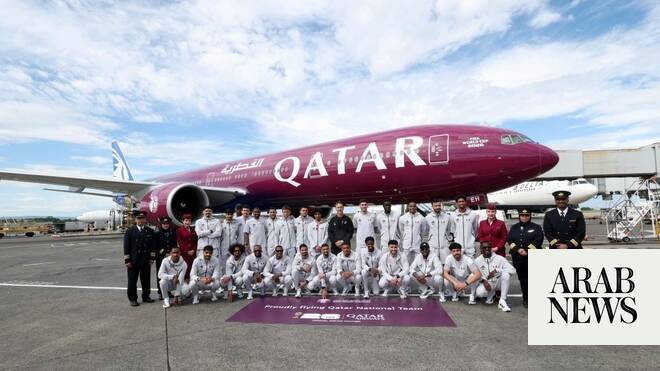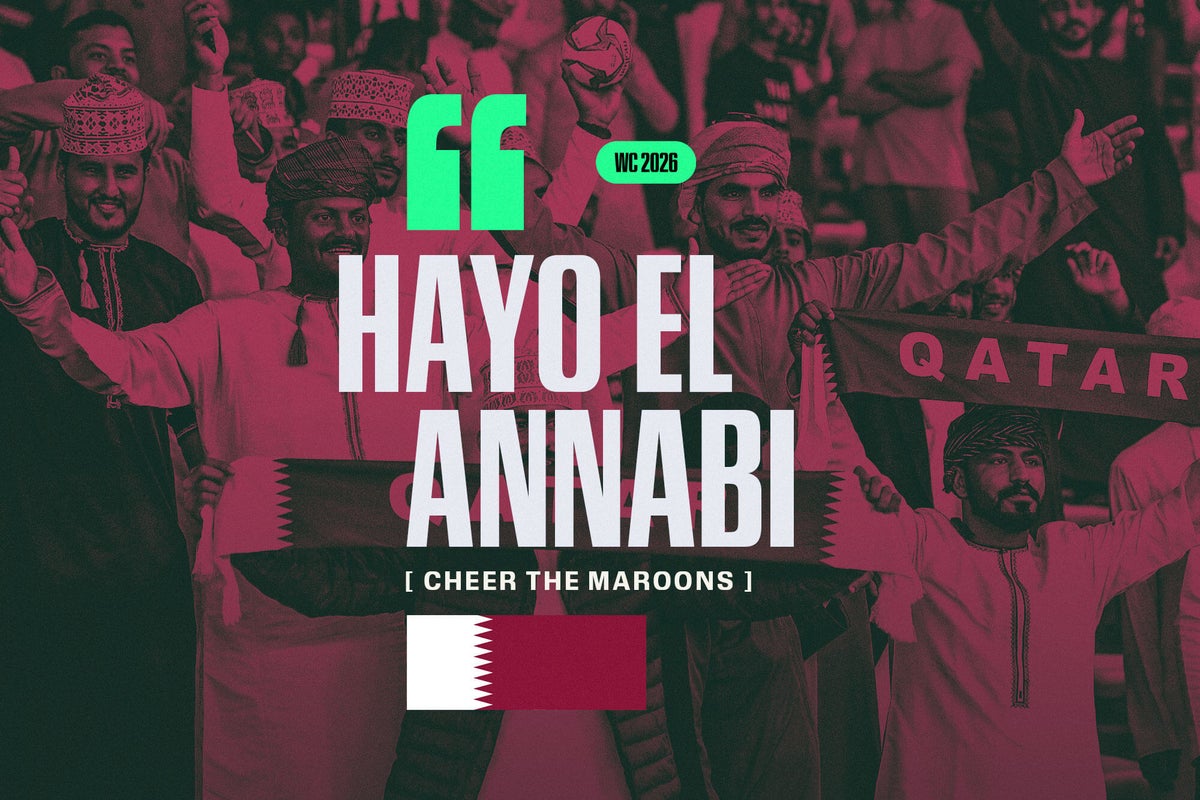
As part of our Language of Soccer World Cup series, The Athletic is speaking to supporters of all 48 nations competing at the 2026 edition to capture their unique football culture, distilled into a single phrase. You can read the articles in one place here.Hayyo El Annabi – Cheer the MaroonsEvery conversation about Qatar comes back to the 2022 World Cup. For a few weeks, billions of people across the globe were focused on events in the tiny Arab nation. It hosted one of the best editions of the competition, culminating in Lionel Messi lifting Argentina’s third title following a dramatic penalty shootout victory over France in the final.Qatar made their debut and, despite losing all three of their group-stage games, captivated local fans. However, if you dig a little bit deeper, it becomes clear that a different tournament is equally important to the team’s story as they prepare for this summer’s World Cup in the United States, Canada and Mexico.Qatar struggled to make an impact at the Asian Cup for a long time. The nadir came in 2015 with a humiliating 4-1 defeat by rivals the United Arab Emirates (UAE) as they were eliminated in the group stage. “The results were devastating,” Saoud, a member of the Mudaraj Alanabi fan group, tells The Athletic. “We are a really small population, so we looked to other sports.”Qatar had never reached the semi-final stage, so their hopes of progressing seemed slim when they came up against a South Korea side led by then Tottenham Hotspur forward Son Heung-min in the last eight of the 2019 edition. Qatar won 1-0, thrashed the UAE in the next round and triumphed in the final with a shock 3-1 victory over Japan.“It was like a dream,” Omar Abdulaziz Alansari, who first started following Qatar when they hosted the 2006 Asian Games, says. “We didn’t even know how to celebrate. Before 2019, people were not interested in watching the national team. The team was weak. They didn’t like the players or the managers. But after we won the Asian Cup, everybody started concentrating more on the national team than clubs.”The interest sparked by their success at the Asian Cup exploded three years later.“Football is the favourite sport in the country,” Doctor AbdulMohsin Abdulla Alyafei, who is a senior planning engineer, says. “We will play anywhere. In the street, on sand and we use our sandals as goalposts. The government, the citizens, the residents, everyone loves football. When we hosted the World Cup, everybody spoke about it. Now people are more aware and they keep track of the national team.”Alansari agrees. “Everything has changed since the World Cup,” he says. “We have new stadiums and the atmosphere is better.”Alansari was gripped by the tournament and attended 23 games in total, including the final, while Alyafei treated his family to tickets.“I attended the opening game and a friend gave me a ticket for our second match,” Alyafei says. “I bought a ticket for our third game because my kids wanted to watch us play the Netherlands. It was very expensive but the opportunity will not happen again. We enjoyed it, even though we lost. I got my two-year-old son a Hayya card (special fan ID for the tournament) so he will remember it when he grows older.”
Every Qatar conversation comes back to 2022. But their fans want to cheer the Maroons to a new piece of history
As part of a special World Cup series, The Athletic is speaking to fans of all 48 competing nations to capture their unique football culture
1,495 words~7 min read