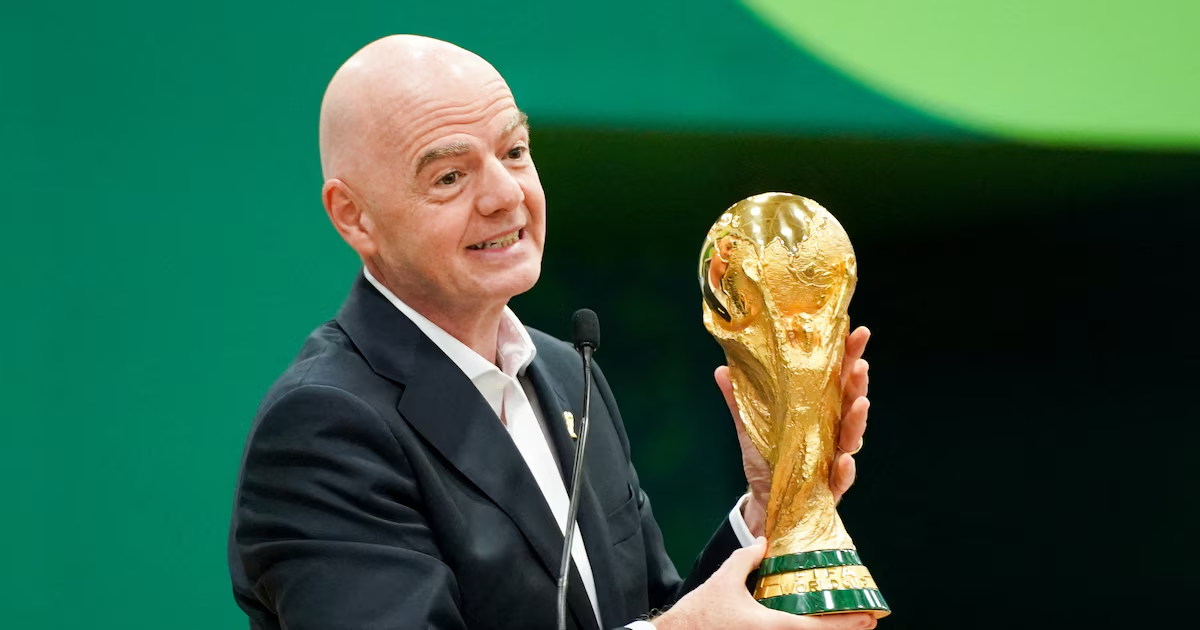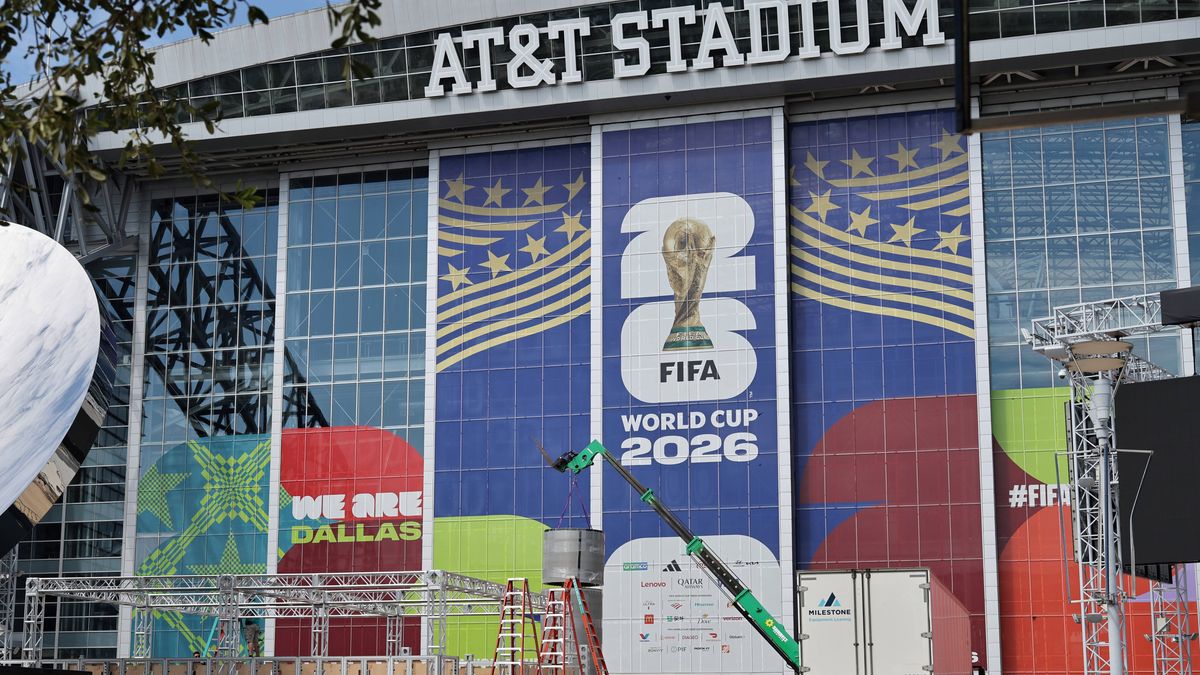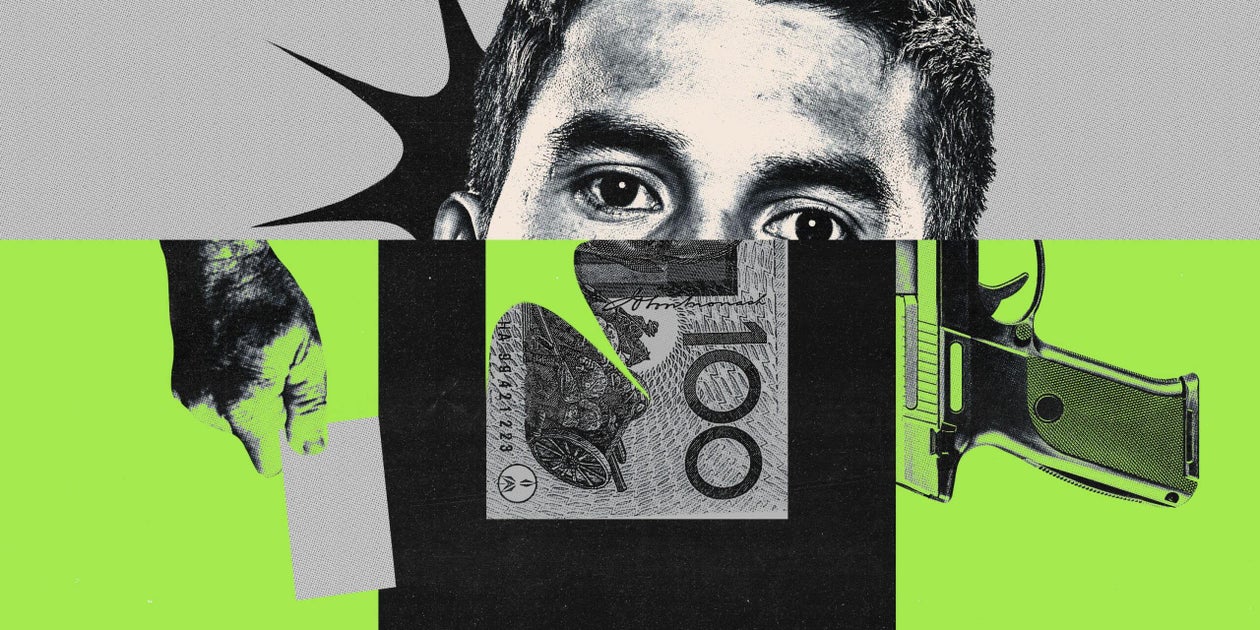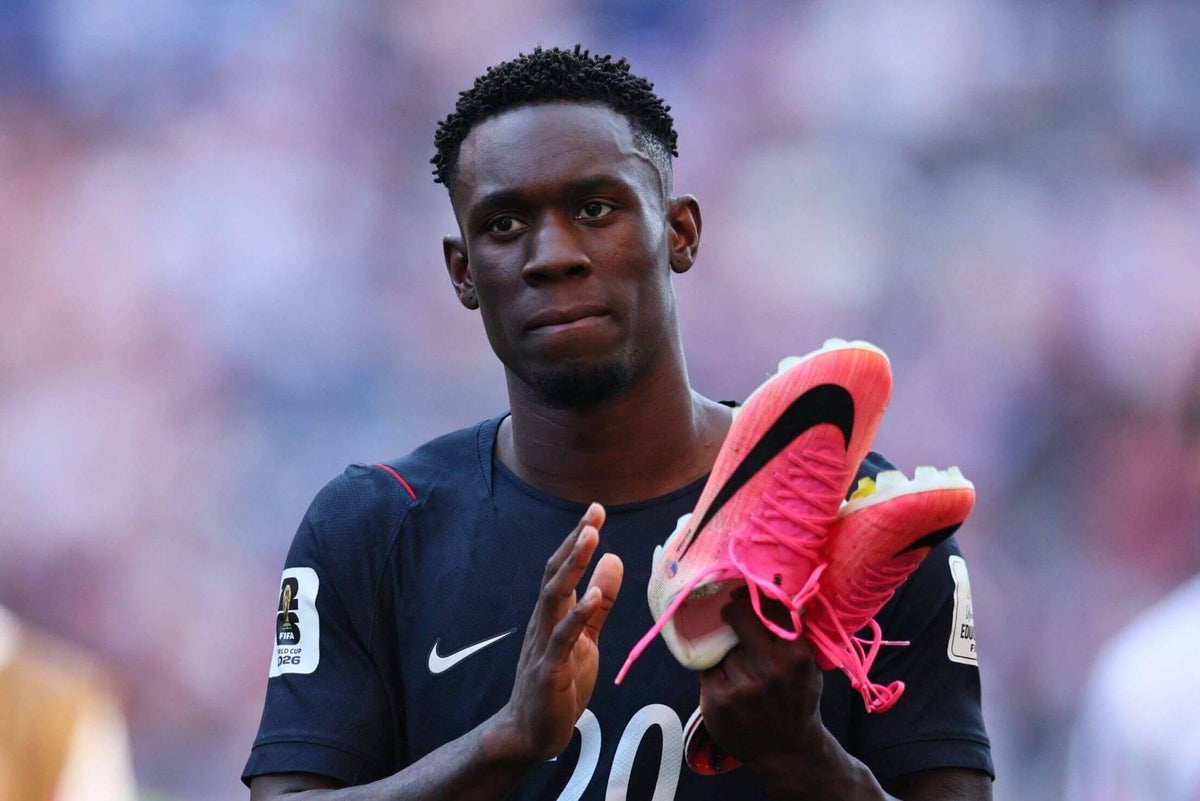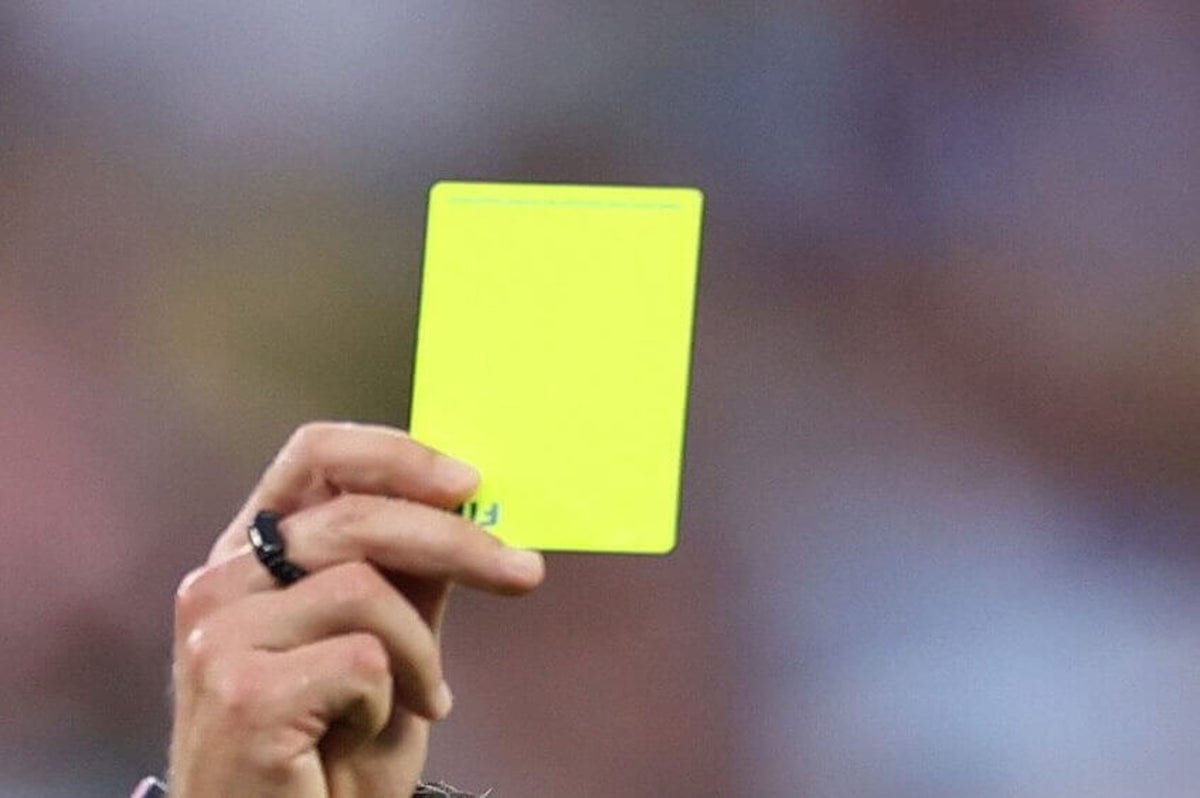
For the last eight months, The Athletic has been investigating the threat of fixing to the integrity of sport. In this first article in the series, we uncover the sheer scale of the threat around the globe, with hundreds of sporting events subject to suspicious betting patterns as sporting federations and enforcement agencies struggle to keep up. The World Cup promises to be the most-watched event in the history of sport. As a consequence, it will also be one of the most lucrative events on which bookmakers have ever offered odds.With huge betting markets already established in East Asia and Europe, and the astonishing rise of prediction markets in the United States, games at soccer’s most prestigious tournament will invite wagers on everything from who will score the next goal to who will emerge the overall winner.With the vast sums of money involved in these betting markets, there is the risk that the World Cup will be targeted by spot fixing, the practice of manipulating events within a game — rather than the overall result — in order to cheat the bookmakers. An example might be a player deliberately receiving a yellow card in a particular window of time in a game.How serious is the threat of spot fixing at the tournament? The Athletic can reveal that at least two players at the World Cup, representing different nations, have been reported by independent integrity experts to the national federations where they play their club football on suspicion of spot fixing.One case, from earlier this season, involves a player who allegedly deliberately received a yellow card in a league match to ensure the resulting suspension would be served before a big upcoming derby, guaranteeing their availability.However, this scheme was discussed widely enough in advance to lead to an unusually high level of stakes on his booking — leading to the match being flagged by monitoring systems. The incident, and the betting patterns around it, was also reported to the relevant country’s national federation. The Athletic asked the country’s FA whether the case was being actively investigated but they did not respond to multiple requests for comment.The second case was triggered by an alert last month, when, in emails seen by The Athletic, two separate bookmakers reported suspicious betting activity. The bets had been placed on a player receiving a card during the first half of a league game; the player was booked after committing three fouls in fewer than five first-half minutes. A well-placed source, speaking on condition of anonymity to protect relationships, confirmed that the case had been reported to the integrity unit of the appropriate national federation.The Athletic is not naming either player so as not to compromise any investigation.Asked if match-fixing had been discussed as a potential issue in advance of the tournament, FIFA responded: “FIFA has a zero-tolerance policy against match manipulation and provides a dedicated, highly secure and web-based whistleblowing system so that individuals can report any form or knowledge of potential match manipulation or integrity-related misconduct.”Sports integrity experts warn that spot fixing, while not always effecting the overall outcome of a sporting event, can represent the top of a slippery slope to ever more serious fixes.“A player might think that yellow cards don’t affect the game as such, but the problem is that they’re a starting point,” says Chris Kronow Rasmussen, an independent expert in international match-fixing. “It’s the start of your career in fixing — it might be another yellow card next time, then it might be nine corners, then something more, for your teammates to help you concede three goals or more. These people have leverage over you, they can blackmail you to keep you fixing games.”The first recorded fix is documented on a tattered roll of papyrus dating from 267AD.Demetrius, a teenage wrestler appearing in the 138th Great Antinoeia, a set of religious games in Egypt, agrees in this contract “to fall three times and yield”. According to the scroll’s translator, King’s College London professor Dominic Rathbone, he will be paid 3,800 drachmas — roughly the cost of a donkey.Over the next 1700 years, the stakes have increased, but the practice has remained the same; stories consuming some of sport’s highest profile figures — the Chicago White Sox, Sonny Liston, South African cricket captain Hansie Cronje.In the 2020s, the number of investigations have only accelerated, powered by an explosion in online gambling. Advertisements for online gambling platforms can be seen at almost every sporting event and most broadcasters and media outlets, including The Athletic, take betting sponsorship.Recent months have brought a slew of high-profile integrity investigations across global sport.In November, the NBA was rocked by an FBI investigation which led to 34 people being charged in illegal gambling schemes, including current players and coaches Chauncey Billups, Damon Jones, Terry Rozier, and Jontay Porter. In mid-January, federal prosecutors charged 26 men with alleged conspiracy to manipulate basketball games at college level. Also in November, Cleveland Guardians pitchers Emmanuel Clase and Luis Ortiz were accused of receiving bribes to rig their pitches. All those involved deny wrongdoing.Cleveland Guardians pitcher Luis Ortiz arrives for his arraignment at court in New York (Michael M. Santiago/Getty Images)In a long-running and ongoing probe in Turkey, over 1,000 players from across the country’s football leagues were suspended along with 149 referees and assistants, with dozens arrested. This March, Czech police opened a criminal investigation after identifying 47 cases of suspected bribery and match-fixing in the country’s football leagues, while four footballers in Australia were convicted of offences this winter (a fifth, Ulises Davila, a former Chelsea player, pled guilty to fixing-related charges and was fined).Over the past eight months, The Athletic has investigated the scale of match-fixing in modern sport, especially in football, the world’s most popular game, and tennis, one of its most vulnerable fronts. Upcoming articles will detail exactly how a fix works, the industry’s relationship with organised crime, and whether those claiming to protect sport have become part of its problems.In the course of this reporting, The Athletic has uncovered:
Is the World Cup vulnerable to fixers? Fears grow as ‘every sport in every continent’ faces corruption
The Athletic's eight-month investigation into fixing has revealed the global scope of the problem facing sport
TL;DRAI
Investigation reveals match-fixing threatens World Cup and hundreds of events; two World Cup players reported for suspected spot-fixing. Concurrent probes charged 60+ across NBA, baseball, college basketball, and football, signaling escalating integrity and governance risks.
3,622 words~16 min read