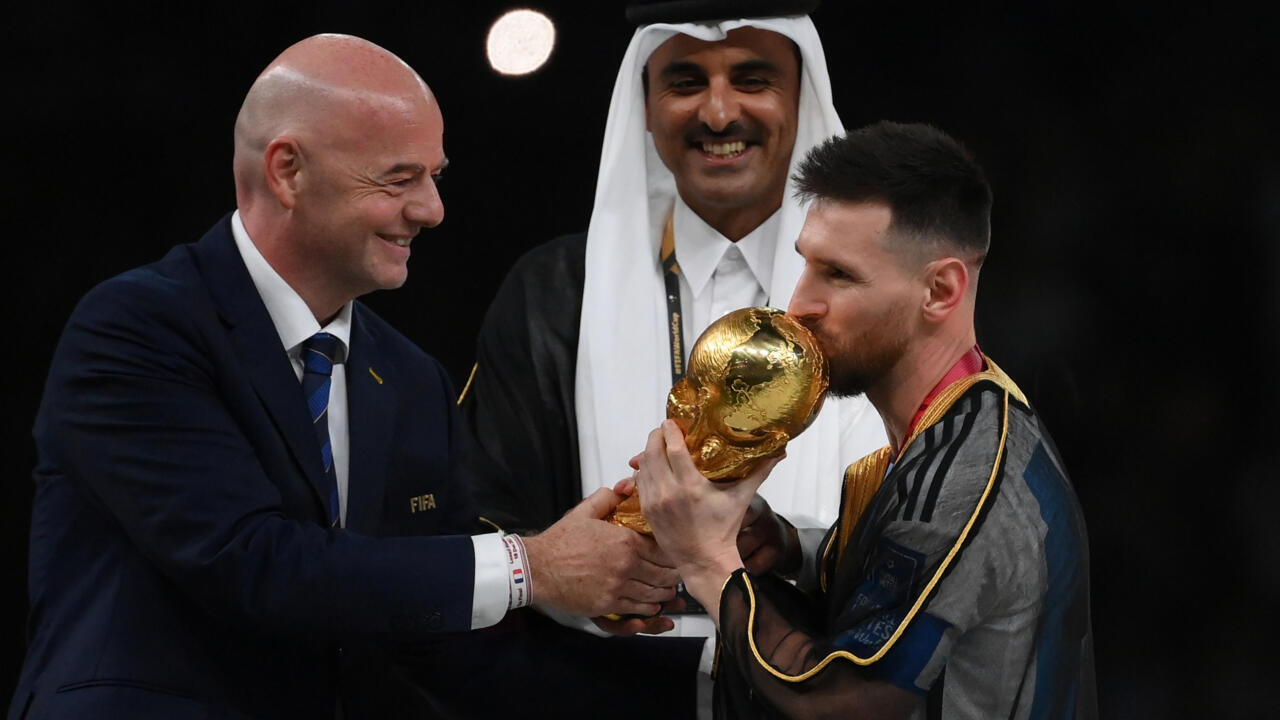
For Zurich’s bankers and executives, May 27, 2015, began as a normal Wednesday—until Swiss police stormed the financial hub’s five-star Baur au Lac hotel and arrested seven top officials of FIFA, soccer’s global governing body, who were gathered there for their annual congress. The U.S. Department of Justice had unsealed a sprawling indictment alleging payment of more than $150 million in kickbacks and bribes to FIFA executives by officials and marketers vying for a piece of the men’s World Cup. Then–Attorney General Loretta Lynch described the corruption within FIFA’s ranks as “rampant, systemic, and deep-rooted.”
Even for those with no interest in soccer, it seemed like a seismic downfall for an organization that had ruled the world’s most prolific sport for generations. (FIFA stands for the International Federation of Association Football.) The arrests, after a yearslong FBI probe, forced longtime FIFA president Sepp Blatter to resign, although he was not indicted. Ultimately, 31 people pleaded guilty, and several trials since have led to convictions on charges ranging from racketeering to wire fraud to money laundering, though some were later overturned.
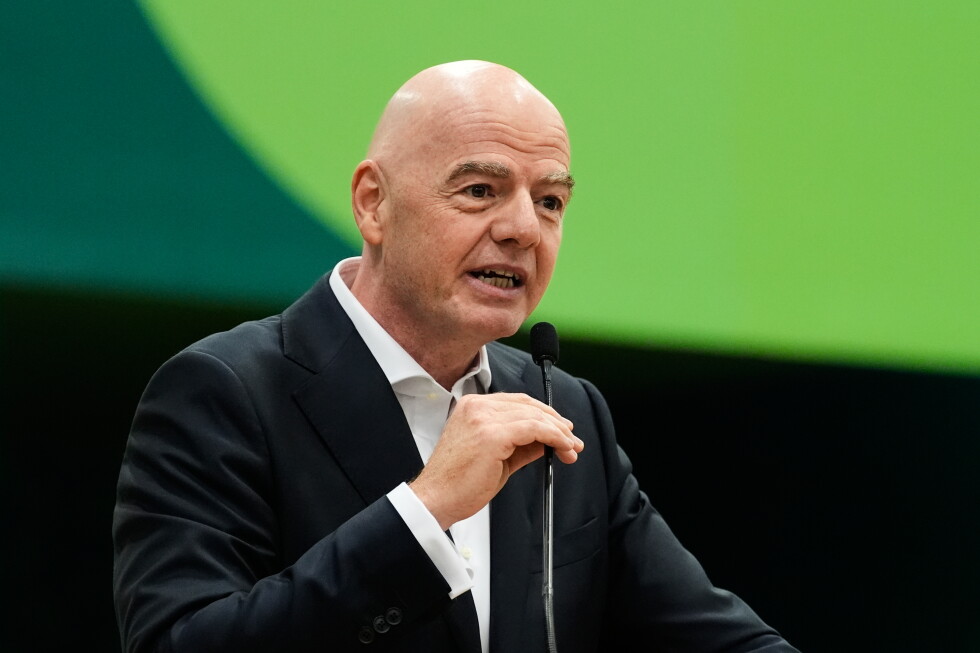
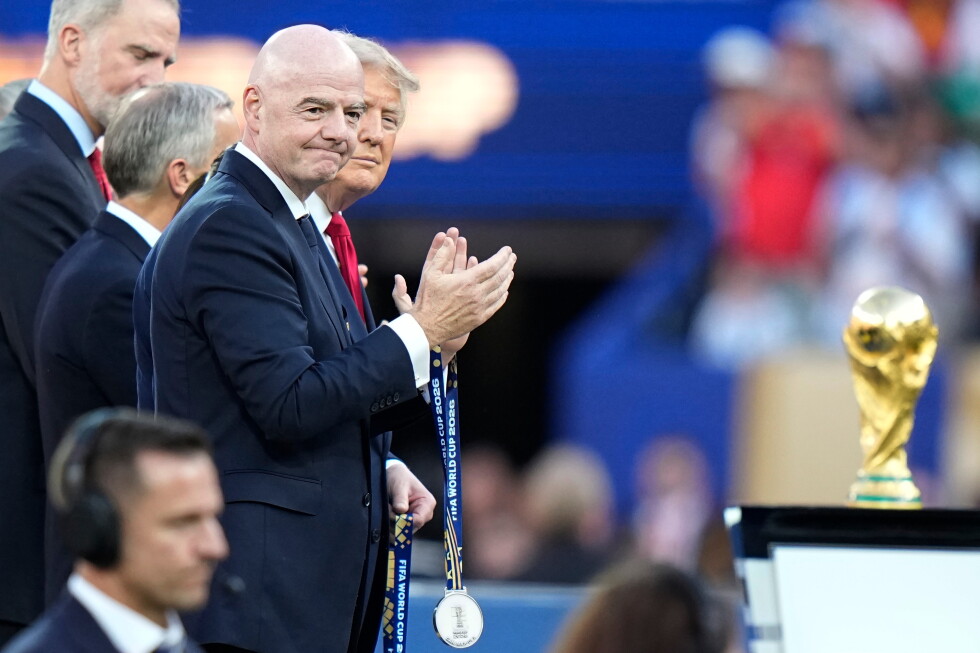
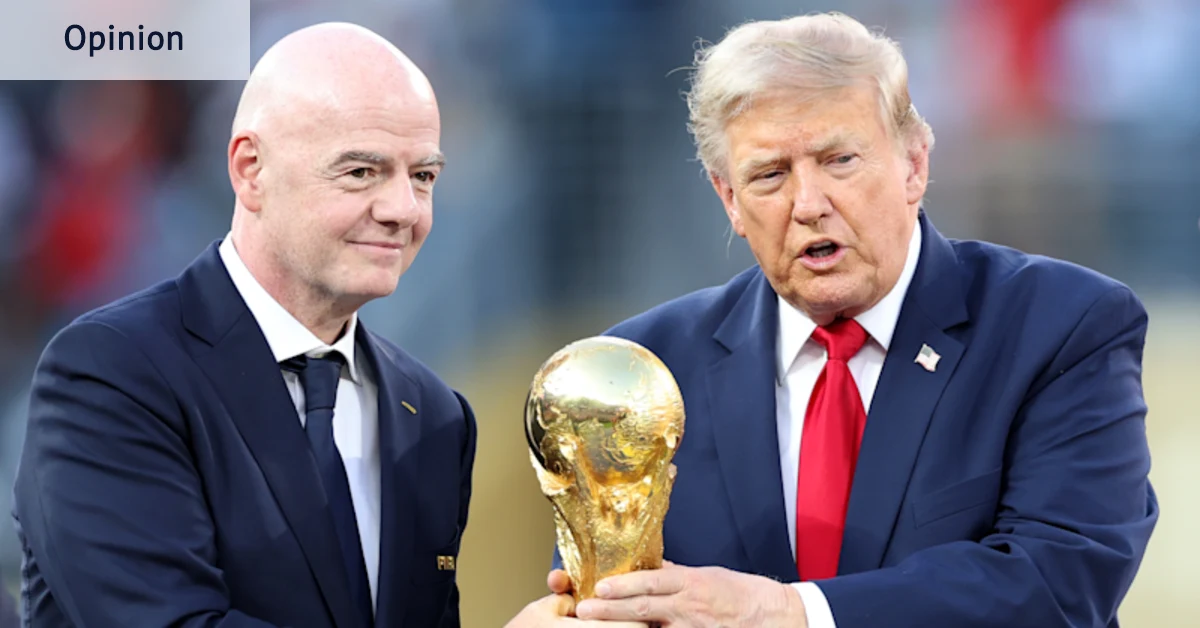
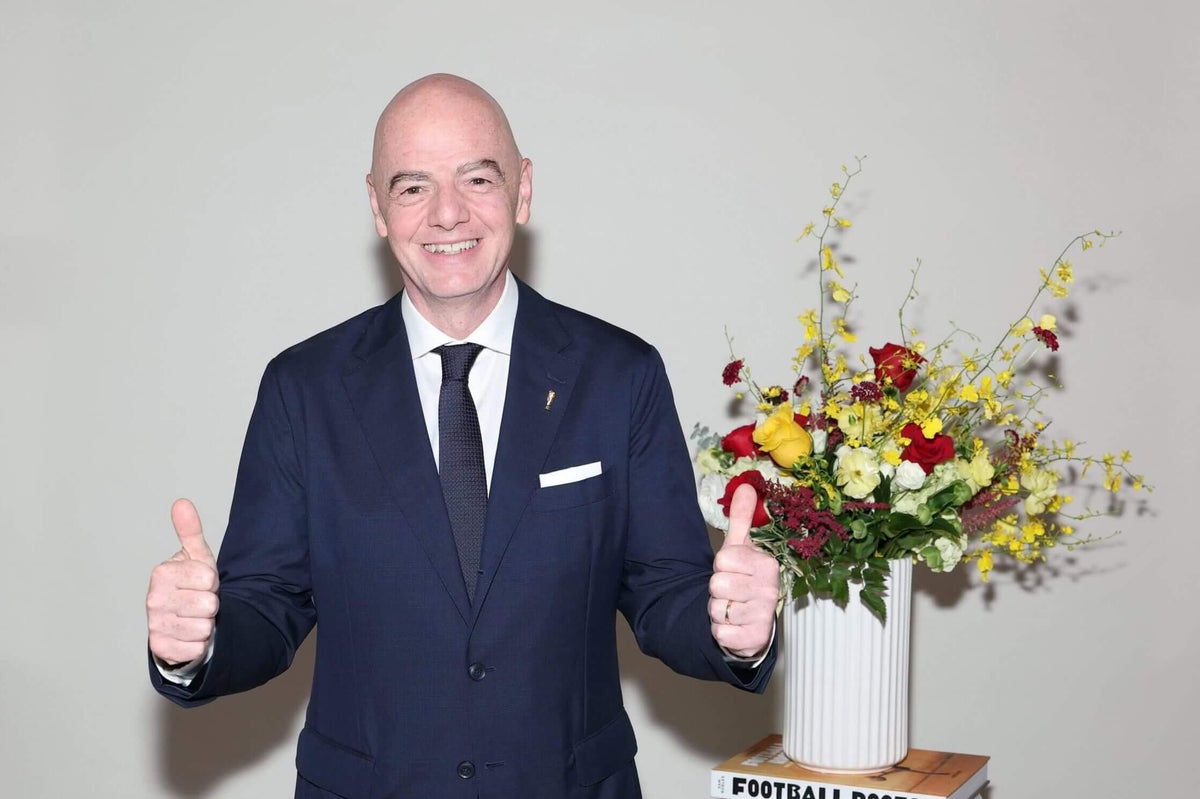
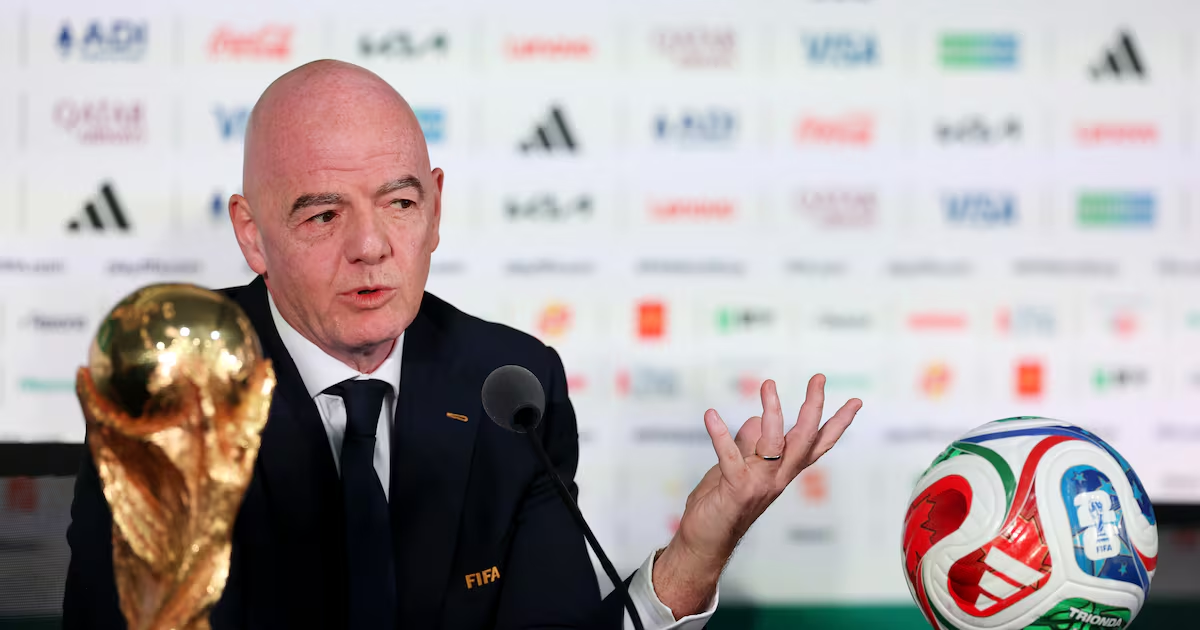
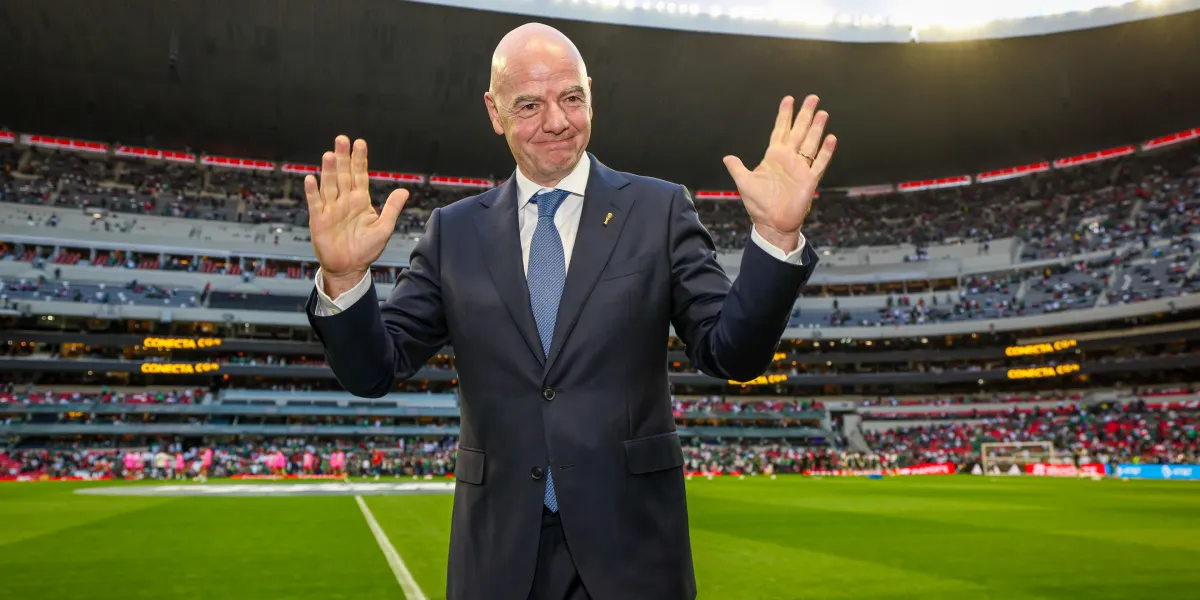
In the ensuing succession battle, a tall Swiss-Italian lawyer who worked for FIFA’s European confederation rose to the top, elbowing out rivals by promising to remake the organization, boost revenue, and resuscitate FIFA from its near-death experience. “We will restore the image of FIFA and the respect of FIFA,” Gianni Infantino told soccer leaders in his acceptance speech in February 2016, vowing to put football back “at the center of the stage.”