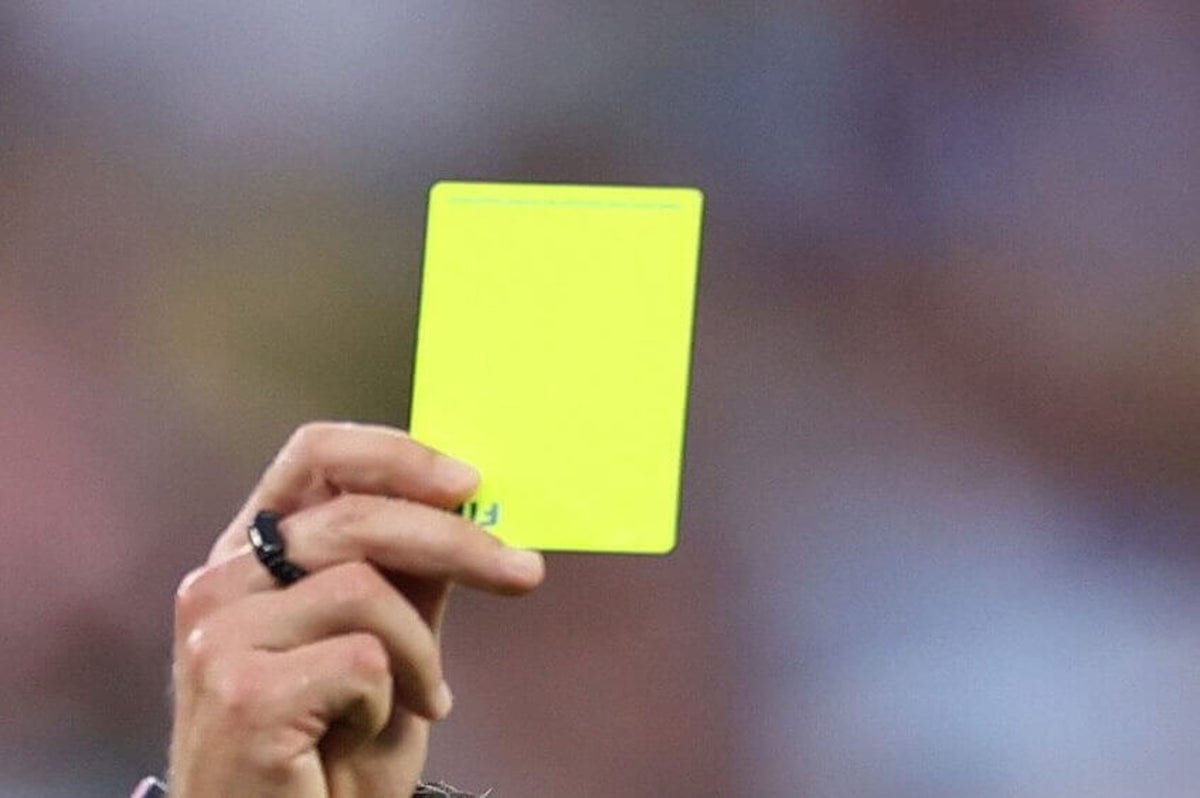
Over recent years, spot-fixing has become arguably the chief concern of anti-corruption officials in sport.The explosion of online gambling — alongside prediction markets in the United States — means that more markets are available than ever before.In the past 12 months alone, spot-fixing cases have arisen in soccer, cricket, tennis, two of the Big Four American sports, and across the NCAA.On Wednesday, The Athletic reported that Elye Wahi, Ivory Coast’s starting striker at the World Cup, had been arrested on charges related to alleged spot-fixing, a form of match-fixing, just two weeks before the tournament.Here, The Athletic explains what spot-fixing is — and why it is on the rise worldwide.What is spot-betting and spot-fixing?Spot-betting is the practice of gambling on any aspect of a match apart from the final result.For example, this could include markets such as a team’s lead at a certain point in the game or the game’s first goalscorer, right down to far more specific bets — such as the number of corners, whether a player might receive a yellow card, or whether either side will hit the woodwork.The emergence of prediction markets in the USA such as Polymarket and Kalshi — hyper-specific and increasingly popular betting platforms which are not yet technically classed as gambling — have led to an even higher variety of bets becoming available.Spot-fixing is the offence of deliberately manipulating any of those markets — for example, deliberately ensuring a player receives a yellow card — working alongside collaborators to ensure that money is staked on that outcome occurring.Is this a type of match-fixing?Match-fixing covers a range of offences including manipulating the overall result of a match — such as a player or group of players ensuring that their side will lose the match by specific number of goals.However, while lucrative due to the size of the betting market, doing so can be difficult for fixers because it often requires multiple people to be involved in the fix — while top-level players are often so well-paid that they have very little motive to cooperate.To get around this issue, fixers will often choose to manipulate games that players are less invested in, such as international or pre-season friendlies, or choose to target games played abroad where monitoring is weaker.But this is why another, easier option is spot-fixing — which often only requires one player to possess knowledge of the fix, and as such is easier to manipulate.Why are cases increasing?The explosion of online sports betting means that there are more markets available than ever before. This is predominantly due to the rapid development of data-capturing technology, which means that instant betting can now take place.For example, it is possible to bet on who will win the next point in a tennis game, which player will be the next to be ejected in basketball, or whether the upcoming baseball pitch will be a ball or a strike.Almost every major sports organization has sold the rights to its data to an official partner — such as SportRadar or Genius Sports — who, in turn, earn revenue by selling that information to bookmakers. Those data partners are also often responsible for providing integrity monitoring services.“In general, sport organizations have a strong interest in not making fixing a big problem — because they want to generate money by selling their betting data,” Danish integrity expert Chris Kronow Rasmussen told The Athletic earlier in June. “But they do want to make it a big enough issue that they can say they’re doing something about it.”What sports has spot-fixing been observed in?A vast number. “It is basically every sport in every continent,” added Rasmussen. “Of course, the sports where you see the highest turnover are the most popular, the biggest targets, because of the size of the market.“If there is any sport where we haven’t had a public scandal yet, it’s because we don’t have the tools to detect it.“For example, former Toronto Raptors center Jontay Porter was indicted and pled guilty to charges of manipulating his own performance in order to ensure that sports bettors could win their prop bets on his statistics.Twenty-six people were also charged in an alleged bribery and point-shaving scheme in NCAA basketball this January, which the U.S. Justice Department said included more than 39 players across 17 teams.In Major League Baseball, two Cleveland Guardians pitchers — Emmanuel Clase and Luis Ortiz — face federal charges and were placed on leave for allegedly rigging whether they would throw balls or strikes. Both players have pleaded not guilty and deny the charges against them.Porter was indicted and pled guilty to charges of manipulating his own performance (Getty Images)Many experts consider tennis particularly vulnerable to spot-fixing because of the manner in which a new market becomes available after every point.In December 2025 alone, two players were banned for a total of 32 years after being found guilty of a variety of different spot-fixing offences, while six players outside the world’s top 400 were suspended for breaching the sport’s anti-corruption regulations.Another high-profile historic example took place in cricket back in 2010 when three Pakistani players were found guilty of deliberately bowling no-balls. The side’s captain, Salman Butt, was suspended for 10 years and sentenced to 30 months’ imprisonment.Finally, football has also seen its own share of spot-fixing offences.As The Athletic explored in an investigation earlier this month, the most high-profile recent example occurred in the 2023-24 Australian A-League, in which three top-flight players were found guilty of deliberately earning yellow cards in multiple matches. The ringleader, Ulises Davila, is still awaiting sentencing.
What is spot-fixing in sport?
Explaining what spot-fixing is in sport, how it works and why it is on the rise
924 words~4 min read