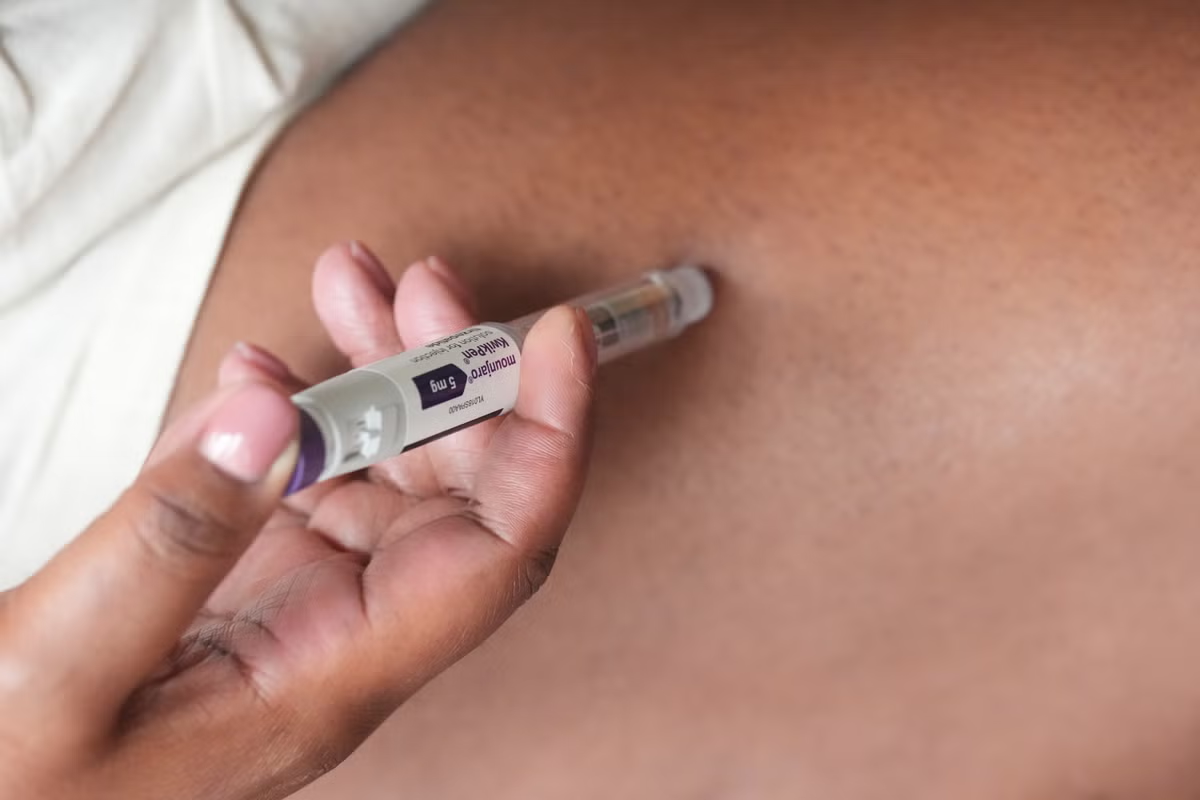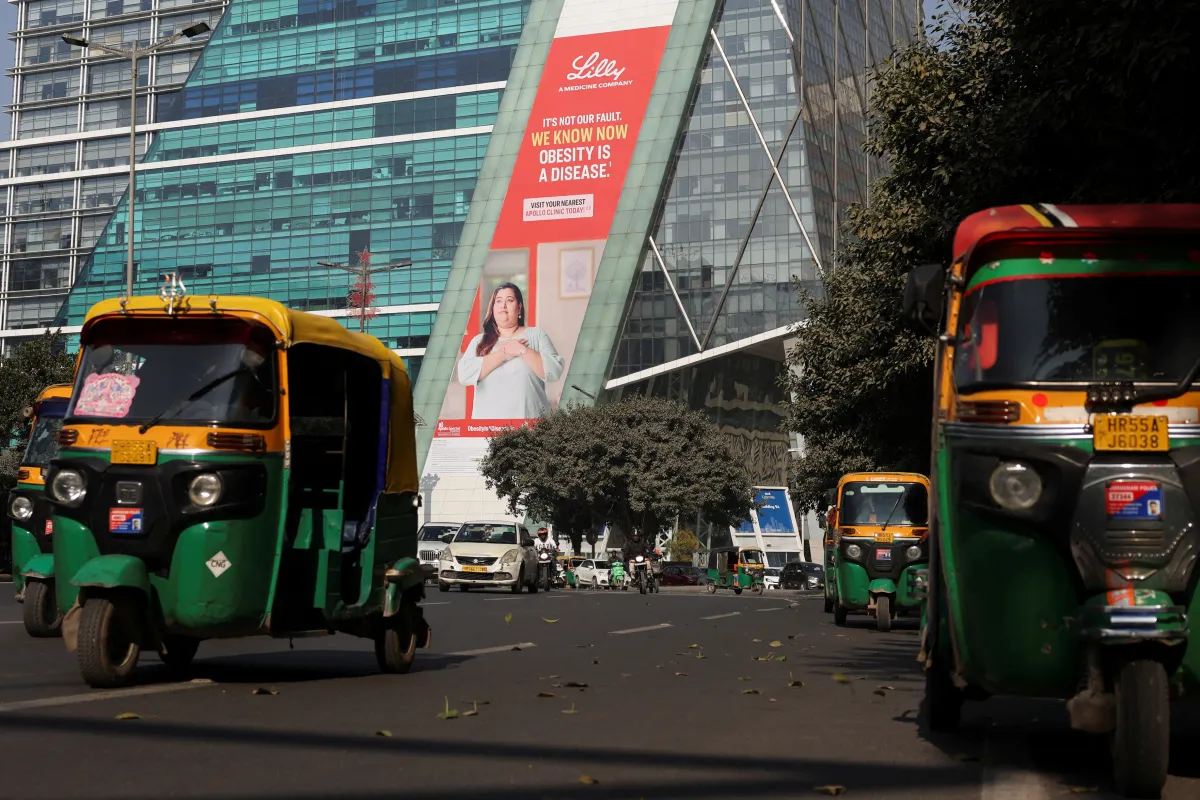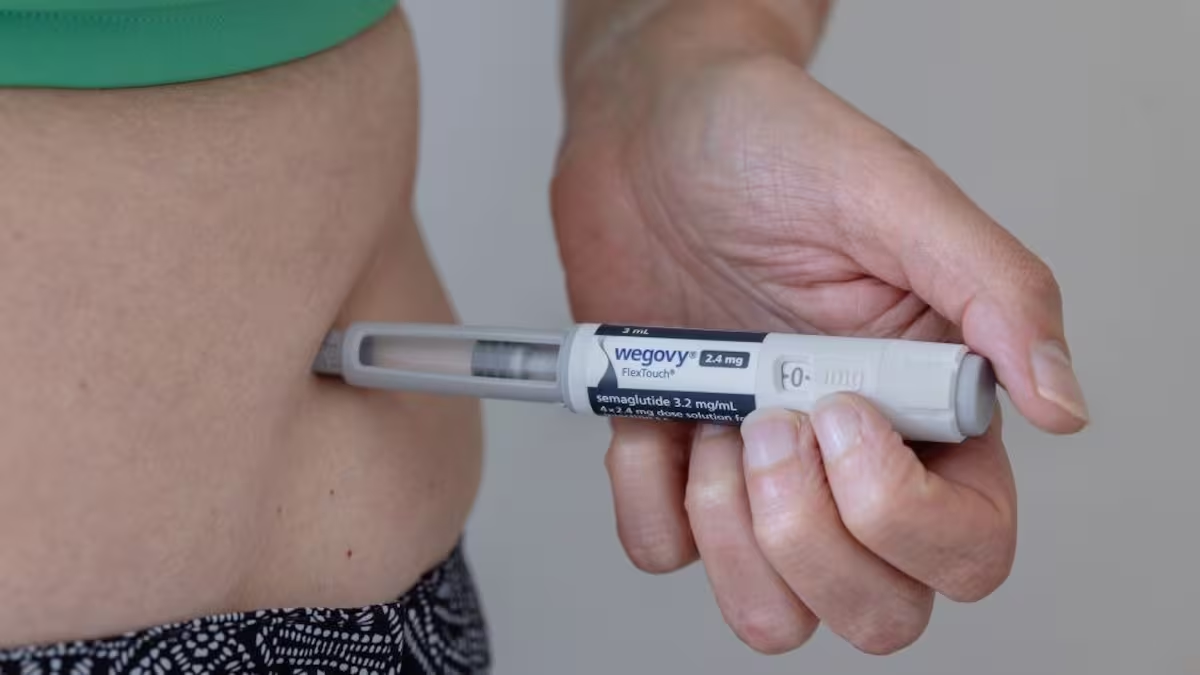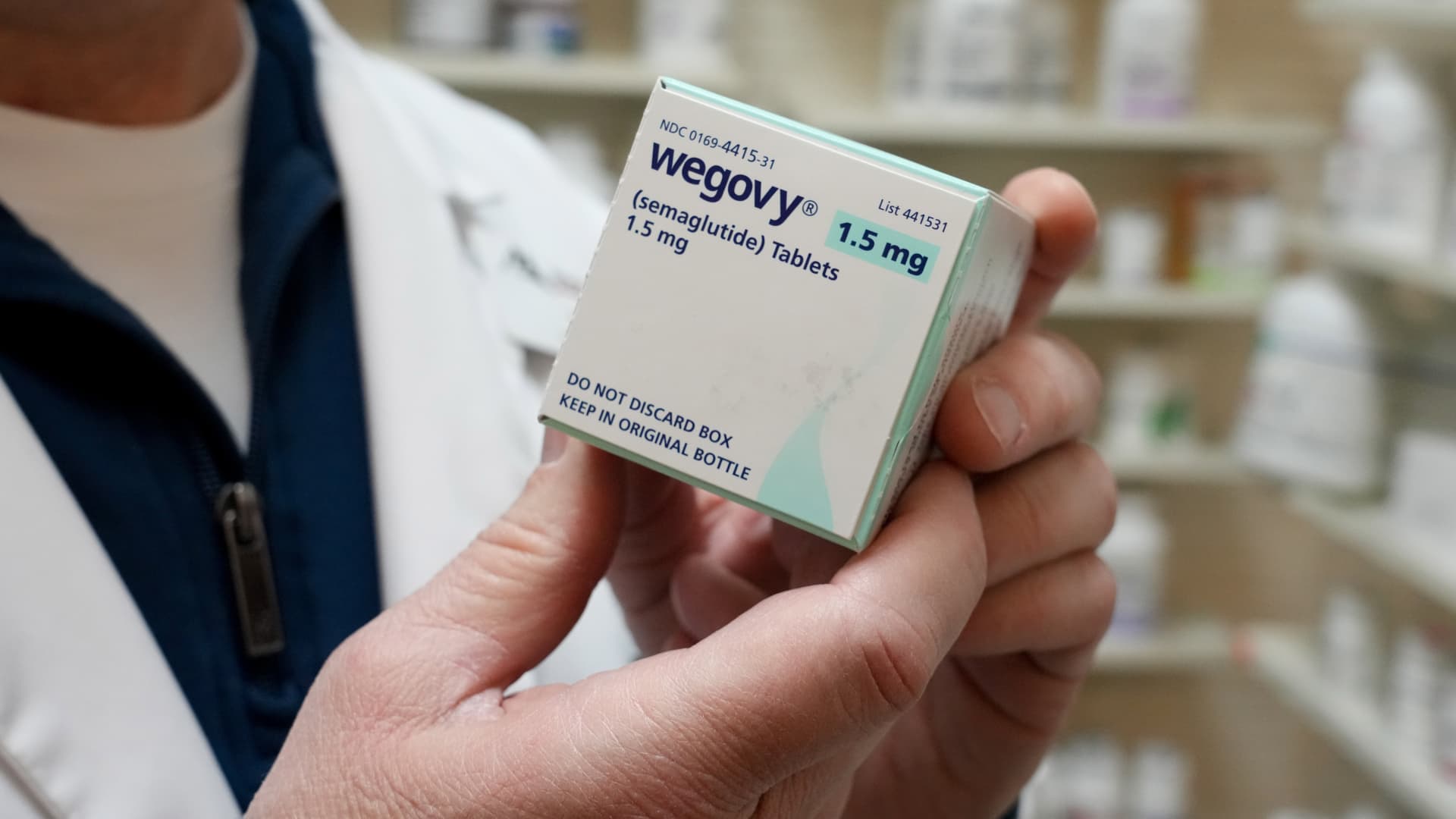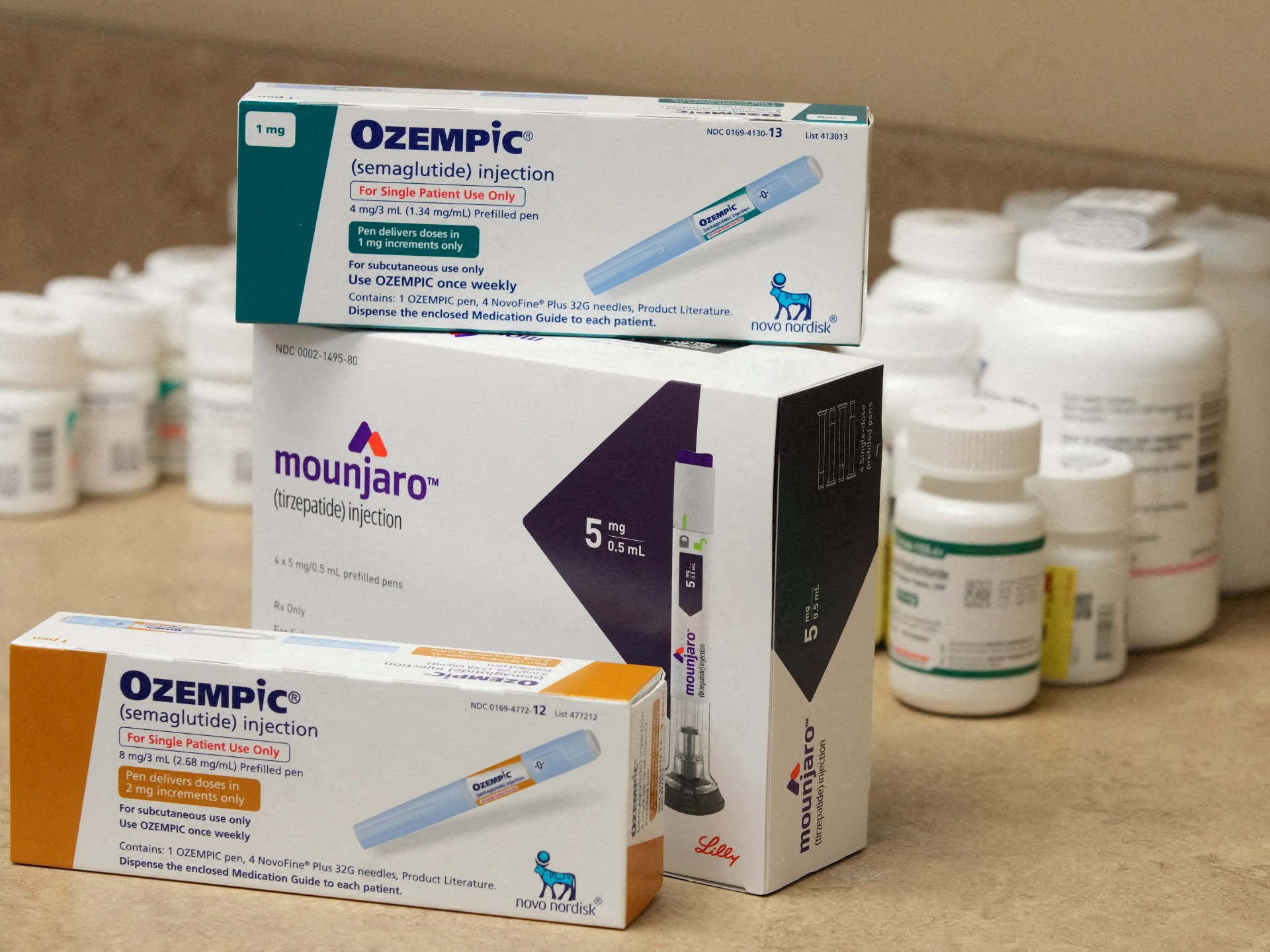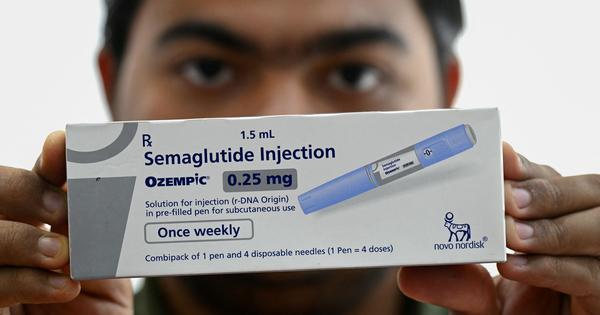
In the 25 years I have spent watching how new health technologies travel through the global system, they have followed a predictable route. There is one tier for wealthy populations whose chronic diseases are treated with the best available medicine. The other is for everyone else: they are told to manage with whatever their underfunded health system can afford.The latest example is a new class of injectable drugs that are better known by their brand names – Ozempic, Wegovy, and Mounjaro, or by the shorthand GLP-1, which refers to the hormone they mimic.These drugs mimic the hormone the body produces to regulate appetite and blood sugar, resulting in significant weight loss and improved metabolic health.They have transformed how wealthy countries treat obesity and are moving through the global system faster than most new health technologies. But the two-tier pattern is following close behind.The intellectual property situation is changing rapidly.The patent on semaglutide – the active molecule in Ozempic and Wegovy – has already expired in India, Brazil, China, Canada, and Turkey, covering roughly 40% of the world’s population. This means manufacturers in those countries can now produce their own versions without paying licensing fees to the original developer.One analysis estimates the cost of producing a generic injectable version could be as little as $28 (approximately Rs 2,700) per person per year, a fraction of the $936 (approximately Rs 90,000) a month that Ozempic costs in the United States.On paper, access for patients in low- and middle-income countries looks unusually promising. In December, the World Health Organization added GLP-1 drugs to the Essential Medicines List and published a global guideline encouraging countries to manufacture generic versions, buy collectively to reduce costs and price them on a sliding scale based on a country’s ability to pay.Under the surface, however, there’s a different story.Data on availability and use in low-income and middle-income countries is scarce. Only a few high-income countries are likely to afford coverage for GLP-1 receptor agonists for obesity management.The commercial machinery for selling these drugs to wealthy markets is scaling up at a speed the public health architecture cannot match.Eli Lilly’s Mounjaro and Zepbound generated $39.5 billion in revenue in the first nine months of 2025 alone, surpassing Merck’s cancer drug Keytruda as the world's best-selling medicine.This illustrates how global health markets work.One tier of the global metabolism is for populations in high-income countries whose obesity is treated as a chronic disease requiring long-term pharmacological management, reimbursed by insurance systems and employer health plans.Another tier for the populations in low- and middle-income countries who carry the heaviest burden of obesity and metabolic disease. They are told to manage with lifestyle counselling in health systems that cannot consistently provide insulin at affordable prices.In 2022, one in eight people globally was living with obesity, double the figure from 1990. The prevalence of the condition is associated with a low socioeconomic position globally. The people who need these drugs most are, by definition, the people least likely to receive them under current market conditions.Access to effective treatment is inversely correlated with need.The patent expiry changes the price equation but not the governance question. The arrival of affordable injectable semaglutide generics in 160 countries by the end of 2026 will be a genuine breakthrough – but only if the health systems receiving them have the clinical guidance infrastructure, prescribing capacity, monitoring protocols, and regulatory frameworks to deploy them safely.A drug entering the market before supporting health infrastructure exists creates a new set of problems, as recent pharmaceutical history shows.In rural India, for instance, a randomised controlled trial between 2002 and 2005 showed that oral misoprostol, an inexpensive drug for preventing postpartum haemorrhage, significantly reduced maternal bleeding when administered by trained auxiliary nurse-midwives.Yet global reviews showed correct use depended critically on health workers’ training and supporting guidance. Programmes distributing the drug without sufficient training led to misuse and worsened outcomes.A drug alone is not enough. Without proper systems in place, its benefits cannot be realised.GLP-1 therapies require regular injections, clinical monitoring for side effects, and careful dose adjustment. In health systems unable to reliably stock insulin, such infrastructure is unlikely to be in place.There is also the manufacturer’s response to consider.Brand-name manufacturers could seek to extend market exclusivity by creating patent thickets – filing multiple additional patents on delivery devices such as the injection pen for rather than the obesity drug itself. This creates a web of legal protection that prevents generic manufacturers from producing the complete product.This is a well-documented strategy in the pharmaceutical market. There is no reason to believe GLP-1 manufacturers will behave any differently from their predecessors.The governance architecture required to prevent this does not currently exist at the global level. The inclusion of GLP-1medicines on the WHO Essential Medicines List means the world’s leading health authority considers a drug a basic necessity – but it does not mean any government is required to fund it, any insurer is required to cover it or any manufacturer is required to supply it at an affordable price.Developing transparent, evidence-based strategies for allocating access to GLP-1 drugs, deciding which patients qualify, under what clinical conditions, and who bears the cost, is especially critical in low- and middle-income countries, where affordability and equity challenges are most acute.However, overcoming these hurdles will require political will that multilateral health diplomacy has consistently struggled to generate for interventions that threaten pharmaceutical revenue.What is missing from most discussions of GLP-1 equity is an honest account of who makes the decisions that determine access to these medicines. It is not the World Health Organization, nor the health ministries in most countries.The decisions are made by pharmaceutical companies setting tiered prices, by insurance systems determining coverage criteria, by multilateral lenders deciding whether obesity treatment counts as productive health investment, and by donor governments deciding whether to include metabolic disease in their bilateral health agreements.For instance, the bilateral health agreements the United States is currently negotiating with 31 countries – described by the US State Department as a shift from aid to trade – say almost nothing about obesity or metabolic disease. They are focused on HIV, malaria, and maternal health: the conditions that generate the most optics and the most straightforward programme metrics.The chronic disease burden of obesity or metabolism that will define the health economics of the developing world for the next 50 years is not part of that conversation.That absence is a diplomatic choice.The question global health diplomacy needs to confront is not whether GLP-1 drugs should be available everywhere. They should. The question is who bears the cost of building the system that makes availability meaningful, and who bears the cost when that system does not exist and the drugs arrive anyway.In global health, the answer to both questions has historically been the same population: the one that was already carrying the heaviest burden before the new technology arrived.That is what a two-tier global metabolism means in practice.Sunoor Verma is a former cardiothoracic surgeon and director of partnerships and advocacy at the World Innovation Summit for Health, Qatar Foundation. He writes in a personal capacity and his views are independent of his institutional affiliations.
Why generic obesity drugs are unlikely to help those who need them the most
Poorer countries bear a greater burden of metabolic diseases but even with cheaper medicines, pharma companies will make access difficult.
1,195 words~5 min read