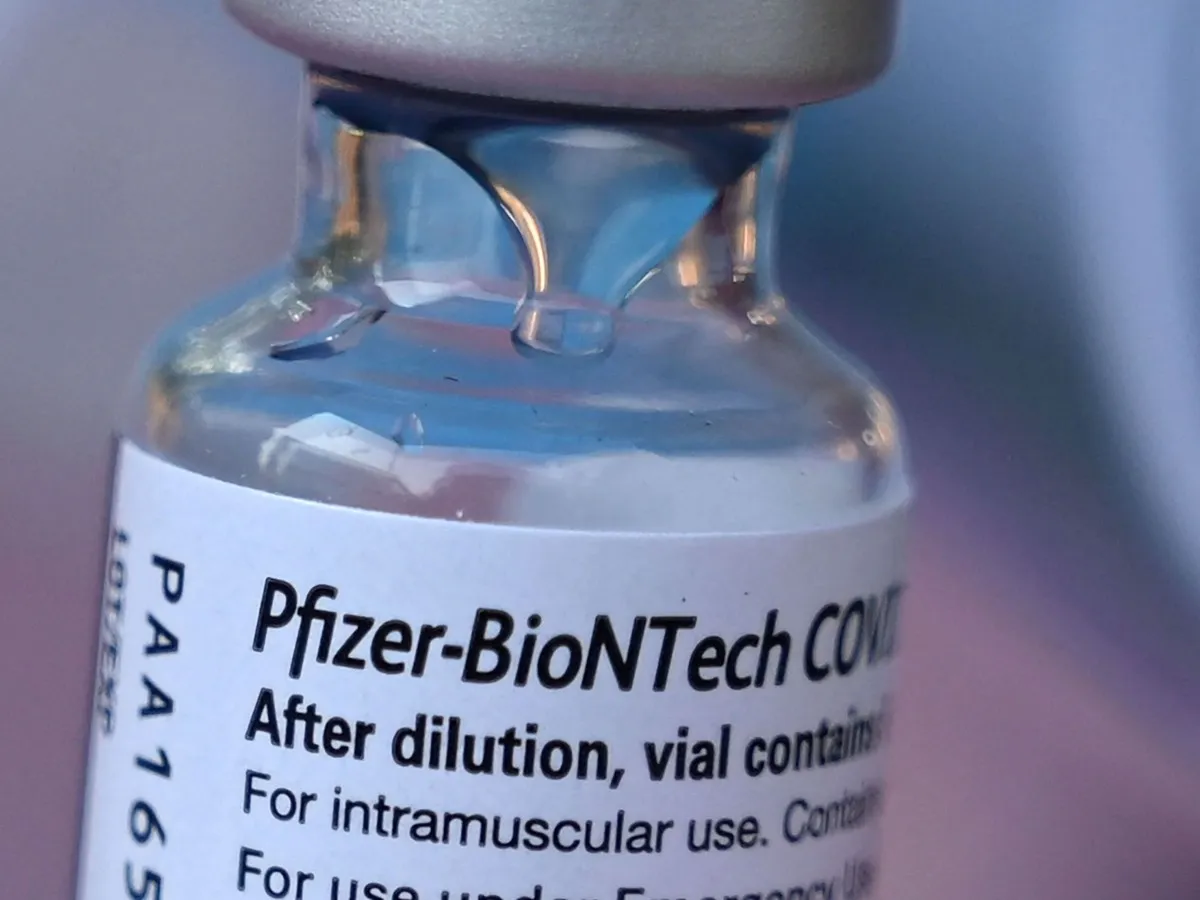
Skip to Content Subscribe Our Offers My Account Manage My Subscriptions FAQ Newsletters Canada Canadian True Crime Canadian Politics Health World Israel & Middle East Financial Post NP Comment Longreads Puzzmo Diversions Comics NP News Quiz New York Times Crossword Horoscopes Life Eating & Drinking Style Sponsored Play for Ontario Travel Travel Canada Travel USA Travel International Cruises Travel Essentials Culture Books Celebrity Movies Music Theatre Television Business Essentials Advice Lives Told Tails Told Shopping Buy Canadian Home Living Outdoor Living Tech Style & Beauty Kitchen & Dining Personal Care Entertainment & Hobbies Gift Guide Travel Guide Deals Savings National Post Store More Sports Hockey Baseball Basketball Football Soccer Golf Tennis Driving Vehicle Research Reviews News Gear Guide Obituaries Place an Obituary Place an In Memoriam Classifieds Place an Ad Celebrations Working Business Ads Archives Healthing Epaper Manage Print Subscription Profile Settings My Subscriptions Saved Articles My Offers Newsletters Customer Service FAQ Newsletters Canada World Financial Post NP Comment Longreads Puzzmo Diversions Life Shopping Epaper Manage Print Subscription HomeNewsWorldPfizer bets on weight-loss drugs to power its next decadeDrugmaker releases new data on experimental weight-loss shot and outlines strategy to claw its way to leadership position in competitive market You can save this article by registering for free here. Or sign-in if you have an account.Pfizer's COVID vaccine has kept the drugmaker's name in the public eye. Now the company is looking to take the lead in obesity management medications. Photo by ROBYN BECK /AFP via Getty ImagesPfizer Inc. is pulling back the curtain on its obesity ambitions, releasing new data on an experimental weight-loss shot and outlining a strategy to claw its way into a leadership position in the competitive market dominated by those with first-mover advantages.Enjoy the latest local, national and international news.Exclusive articles by Conrad Black, Barbara Kay and others. Plus, special edition NP Platformed and First Reading newsletters and virtual events.Unlimited online access to National Post.National Post ePaper, an electronic replica of the print edition to view on any device, share and comment on.Daily puzzles including the New York Times Crossword.Support local journalism.Enjoy the latest local, national and international news.Exclusive articles by Conrad Black, Barbara Kay and others. Plus, special edition NP Platformed and First Reading newsletters and virtual events.Unlimited online access to National Post.National Post ePaper, an electronic replica of the print edition to view on any device, share and comment on.Daily puzzles including the New York Times Crossword.Support local journalism.Create an account or sign in to continue with your reading experience.Access articles from across Canada with one account.Share your thoughts and join the conversation in the comments.Enjoy additional articles per month.Get email updates from your favourite authors.Create an account or sign in to continue with your reading experience.Access articles from across Canada with one accountShare your thoughts and join the conversation in the commentsEnjoy additional articles per monthGet email updates from your favourite authorsSign In or Create an AccountorAfter early failures dampened the company’s obesity prospects, Pfizer crafted a new approach supercharged by last year’s $10 billion purchase of Metsera Inc. But the company’s ambitions extend far beyond a single medicine, with executives envisioning a pipeline of treatments that target obesity and its many related conditions — for decades to come.“We are entering a new era of internal medicine innovation,” Chris Boshoff, Pfizer’s chief scientific officer, said in an interview ahead of the American Diabetes Association meeting in New Orleans.Get a dash of perspective along with the trending news of the day in a very readable format.By signing up you consent to receive the above newsletter from Postmedia Network Inc.A welcome email is on its way. If you don't see it, please check your junk folder.The next issue of NP Posted will soon be in your inbox.We encountered an issue signing you up. Please try againThe company is using the conference to showcase new data on berobenatide, the long-acting GLP-1 it acquired from Metsera. In results presented Saturday, patients getting the highest weekly dose lost 15.9% of their body weight after eight months, with no sign of a plateau. Data from a separate study suggested strong blood sugar improvements in patients with diabetes and low rates of treatment discontinuation.Pfizer flagged the medicine’s potential to become the first once-a-month medicine in its class. A separate analysis in overweight or obese patients without diabetes found those getting the highest dose every four weeks lost nearly 15% of their body weight after 14 months. Success with less frequent dosing could give it an edge over rivals Zepbound and Wegovy, both bestsellers that are taken weekly.In February, Pfizer disappointed investors with an earlier review that showed the drug produced about 12.3% weight loss after 28 weeks when it was given monthly.The New York-based drugmaker is now racing to get the drug through the final phase of testing. Some late-stage trials have already started and Pfizer plans to launch several more. The company plans to target other conditions closely associated with obesity, including sleep apnea and knee osteoarthritis, according to Boshoff. It’ll also conduct large trials outside of the US, including in China and Japan.Enormous opportunityObesity has become the pharmaceutical industry’s biggest commercial opportunity in decades, transforming the fortunes of market leaders Eli Lilly & Co. and Novo Nordisk A/S. Pfizer is betting that its scale, commercial know-how and history launching wildly popular drugs like Viagra and Lipitor will help it catch up to the two behemoths in the space and claim a meaningful slice of the obesity market.While Covid vaccines and treatments delivered an extraordinary — but temporary — boost to Pfizer’s sales, dwindling demand has left it scrambling to fill the gap. Executives are betting obesity will be more durable than the pandemic, giving the company a steady stream of revenue for decades to come.Boshoff sees berobenatide as the first step in a broader metabolic health portfolio that will eventually include pills, combination therapies and potentially even new classes of treatment. It’s also pursuing even longer-acting therapies that could make dosing more convenient, including early data from another experimental compound that gives Boshoff reason to believe it could be taken every three months.Pfizer isn’t alone; many drug companies are taking similar pipeline strategies. Amgen Inc., for example, is in late-stage studies with a shot that can be taken monthly — or possibly even less frequently. However, Amgen’s drug MariTide was tied to a high rate of vomiting in early trials. The company is studying a lower starting dose in hopes that it’s a gentler option for patients.Lilly and Novo both already sell weight-loss pills, which became enormously popular as soon as they launched. Several other companies including AstraZeneca Plc and Structure Therapeutics Inc. are working on their own versions. Pfizer, meanwhile, is tapping a unit of China’s Shanghai Fosun Pharmaceutical Group Co. called YaoPharma to help it develop a pill after its internal efforts were unsuccessful.It’s also hoping scientists from Metsera — and new senior hires in obesity — will help revitalize its internal research and development efforts.“We’ve had the good fortune of bringing a lot of that Metsera talent over, and that’s in discovery and development,” said Boshoff. “That alone was sort of a big boost to what we already had in a very mature research and development organization.”Looking aheadWith highly effective obesity treatments like Novo’s Wegovy and Lilly’s Zepbound already on the market, doctors say the next wave of medicines will need to be meaningfully better in terms of side effects, convenience or treating related health conditions. Pfizer is running 10 large-scale, pivotal trials in obesity and related conditions for berobenatide alone in 2026, which is no small feat. And that’s less than half of the company’s broader obesity program. Even if all goes well, it’s still several years away from reaching patients.Pfizer executives contend that winning in obesity will require more than a successful drug. Success, they say, will depend on the ability to move quickly, manufacture medicines at massive scale and persuade patients, doctors and insurance companies to embrace them.Jim List, head of internal medicine, said Pfizer’s commercial infrastructure is a major advantage as obesity treatment increasingly moves into primary-care settings. List, who Pfizer hired last year to re-energize the unit, described obesity as a natural fit for a company whose biggest successes, including the cholesterol blockbuster Lipitor and blood thinner Eliquis, were built around large physician networks and broad patient populations.“We have primary care in our DNA,” List said.The company is also using a deal with China-based Hangzhou Sciwind Bioscience Co. as a test run of sorts for its commercial organization, Boshoff said, allowing the company to gain insights about launching a successful obesity medication in a major market and build direct-to-consumer strategies before its products reach US patients.While Lilly and Novo struggled early on to make enough of their medicines to meet demand, Pfizer already possesses much of the infrastructure needed to manufacture obesity drugs at a global scale, Boshoff said, including eight sterile injectable facilities around the world. The company also has moved production of Metsera’s drugs in-house, from a contract manufacturer, Boshoff said. “We are internalizing everything, because we can,” he said.Berobenatide requires much less active ingredient than its competitors, which could make it easier and cheaper to produce, Boshoff said. “We can manufacture these therapies at the scale required and scale that very few other companies can.”Pfizer’s strategy also reflects a growing belief among drugmakers that obesity eventually may become a highly individualized field of medicine. Today’s patients largely receive the same class of drugs, but Boshoff predicts future treatments will be tailored based on preference, genetics, biomarkers and specific complications, much like oncology has evolved over the past two decades.“Every disease has become more individualized,” Boshoff said. “That’s going to happen absolutely with metabolic disease, including obesity.”Our website is the place for the latest breaking news, exclusive scoops, longreads and provocative commentary. Please bookmark nationalpost.com and sign up for our daily newsletter, Posted, here. Join the Conversation This website uses cookies to personalize your content (including ads), and allows us to analyze our traffic. Read more about cookies here. By continuing to use our site, you agree to our Terms of Use and Privacy Policy.
Pfizer bets on weight-loss drugs to power its next decade
Pfizer’s strategy also reflects growing belief among drugmakers obesity eventually may become highly individualized field of medicine.
1,687 words~8 min read