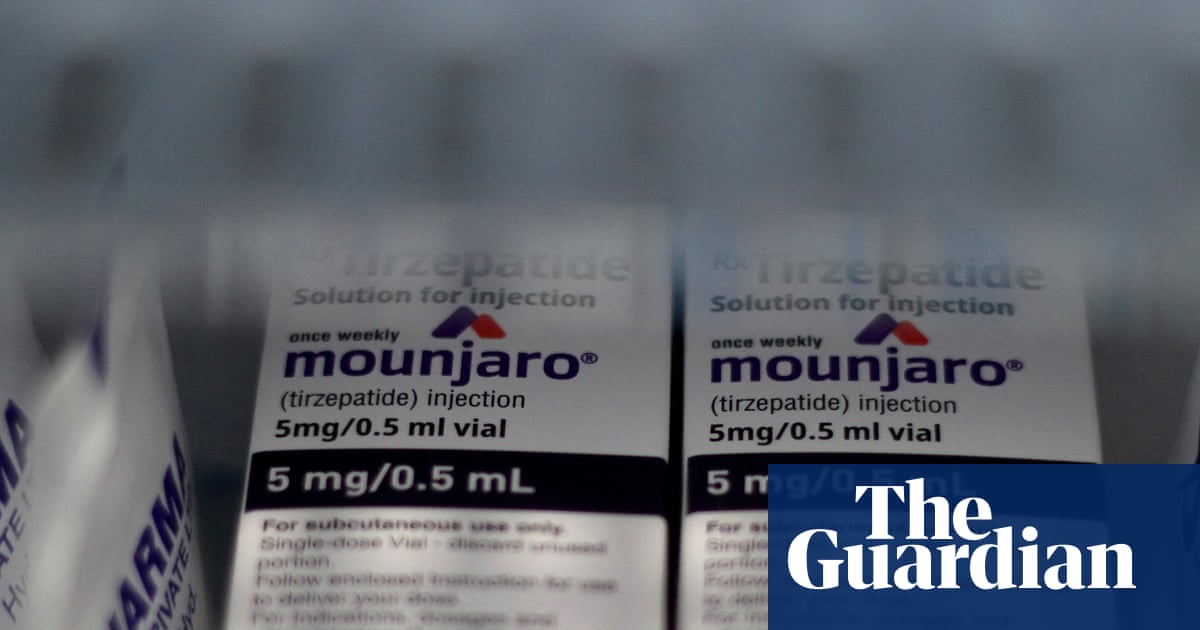
Over the last year, the market for cheaper generic anti-obesity drugs has grown 10x in India. However, after the initial surge, there has also been a relative flattening of the market, thanks to sensible regulation and improved awareness that has helped shape behaviour, rather than relying on any heavy-handed ban.The early spike happened because, as data from Indian Council of Medical Research (ICMR) shows, India has over 100 mn people with diabetes, and over 1 in 4 is overweight or obese. According to Pharmarack, the market for these medicines is now valued at over ₹1,408 cr, up from ₹140 cr a year ago. Eli Lilly's Mounjaro accounts for ₹1,049 cr, or over 77% of this market. Estimates suggest that India's GLP-1 - Glucagon-Like Peptide-1, a naturally occurring gut hormone that regulates appetite and blood sugar - market will cross ₹12,000 cr over the next 5 yrs.The biggest factor limiting the adoption of weight-loss drugs in India has been their high cost. Mounjaro remains the most expensive option, with monthly treatment costs ranging from ₹13,000 to ₹25,000 a month. In contrast, Novo has reduced the prices of Ozempic and Wegovy, bringing monthly costs down to between ₹5,000 and ₹16,500.However, following the expiry of semaglutide's patent in March, an influx of cheaper generic versions, led by Torrent Pharmaceuticals, has entered the market, generating estimated sales of over ₹200 cr in the last 2 mths.In India, the biggest concern surrounding weight-loss drugs is misuse. They are increasingly being incorporated into pre-wedding weight-loss regimens, particularly for brides, reflecting the growing pressure on young women to conform to societal beauty standards.Although these Schedule H drugs require a valid prescription, and cannot legally be sold over the counter, reports suggest that they remain easily accessible through chemists in major cities. Regulators recently intervened to halt Eli Lilly's 'We Know Now' obesity awareness campaign, warning that indirect or surrogate promotion that creates brand recall could violate advertising norms.Weight-loss drugs also raise concerns about side-effects and long-term outcomes. According to British Medical Journal, people who discontinue these medications regain weight at an average rate of 0.8 kg a month, often returning to their baseline weight within 1.5 yrs. Rapid fat loss associated with GLP-1 drugs has also given rise to 'Ozempic face', referring to hollowed cheeks, sunken eyes, wrinkles and skin sagging that can make signs of ageing appear more pronounced.The rise in sagging and wrinkled skin linked to rapid weight loss has also fuelled demand for dermatology clinics, plastic surgery and cosmetic fillers in urban India. A larger concern, however, is the growing influence of weight-loss drugs on pharma research priorities and investment.According to Deloitte's May 2026 report, 'Navigating the GLP-1 Boom: Measuring the Return from Pharmaceutical Innovation', obesity treatments have, for the first time in 16 yrs, surpassed oncology as the largest contributor to late-stage pipeline value. Mounjaro, for example, has overtaken Merck's blockbuster cancer drug Keytruda to become the world's best-selling medicine.This should serve as a warning sign for the industry. A disproportionate shift of R&D resources toward this space could crowd out investment in other therapeutic areas that address more immediate, life-threatening conditions.Weight-loss drugs have clear clinical value for severely obese individuals and patients with diabetes, or other lifestyle-related diseases. The concern, however, is that an increasing share of demand appears to be coming from relatively healthy individuals seeking cosmetic weight loss, often influenced by social pressures, beauty standards or celebrity culture, rather than from those with the greatest clinical need. That trend raises important questions about the future direction of healthcare priorities and pharmaceutical innovation.(Disclaimer: The opinions expressed in this column are that of the writer. The facts and opinions expressed here do not reflect the views of www.economictimes.com.)
India's weight-loss drug boom raises questions over healthcare priorities - The Economic Times
India's market for cheaper anti-obesity drugs has surged tenfold. While demand is high, especially among those with diabetes, concerns about misuse for cosmetic reasons are growing. Regulators are intervening in advertising. The drugs also have side effects and can lead to weight regain. This boom is impacting pharmaceutical research priorities.
TL;DRAI
India's weight-loss market hit ₹1,408 cr in one year; generics captured ₹200 cr post-patent expiry. GLP-1 drugs surpassed oncology in pharma R&D pipeline for the first time in 16 years, signaling misallocated innovation away from urgent clinical needs.
616 words~3 min read