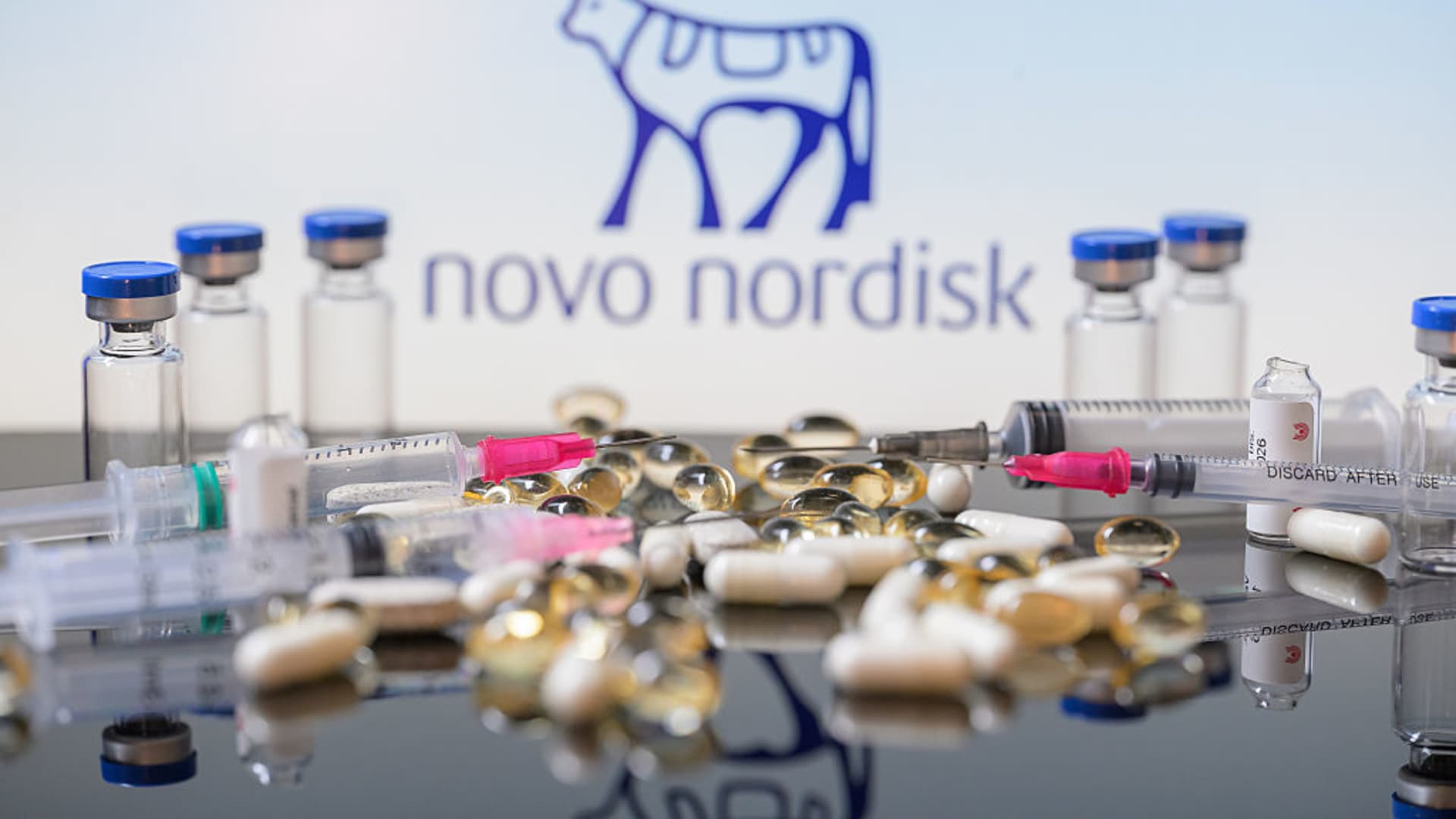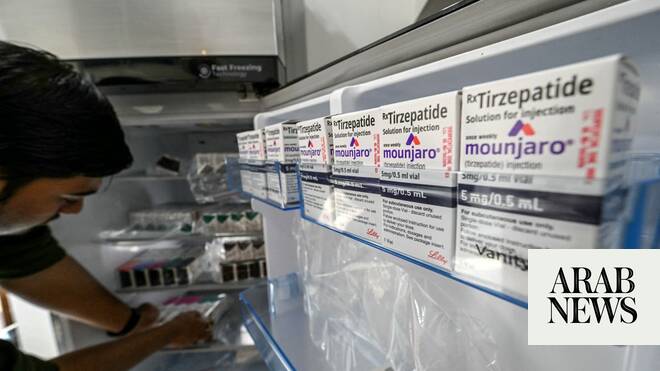
Weight-loss drugs have become one of the biggest healthcare trends globally, but their adoption in India appears to be falling short of expectations. Highlighting this surprising trend, Zerodha co-founder Nithin Kamath said that despite obesity rates rising and generic versions of GLP-1 drugs becoming significantly more affordable, Indian consumers are not embracing them at the same pace as their Western counterparts.Kamath was reacting to a report of The Economic Times that highlighted how "homegrown drugmakers, which entered the generic semaglutide market with ambitious first-year revenue goals, are quietly paring sales targets".In a post on X, Kamath noted that he expected sales of generic GLP-1 drugs to surge after patent expirations made them more accessible. These medicines now cost roughly ?1,000–2,500 a month, making them cheaper than many gym memberships. However, drugmakers are reportedly cutting their sales targets by 25-30%, indicating weaker-than-expected demand.Why are GLP-1 drugs struggling in India?According to Kamath, the biggest challenge may not be pricing but patient retention. GLP-1 medications, which are widely used for weight management and diabetes treatment, typically require regular injections. Patients often need to continue taking them to maintain weight loss benefits, as discontinuing treatment can lead to weight regain."It seems like asking someone to stay on a weekly injection indefinitely is a much harder sell," Kamath observed.You Might Also Like:The Zerodha founder also pointed to several factors that may be slowing adoption in India.Conservative prescribing habitsOne possible reason, Kamath suggested, is that Indian physicians may be more cautious when prescribing newer medicines compared with doctors in Western countries. This could be limiting the number of patients being introduced to GLP-1 therapies.Another hurdle is the method of administration itself. Self-injecting medication every week can be uncomfortable and inconvenient for many people. Kamath believes this friction may discourage potential users from starting treatment altogether."Self-injecting is a pain for most people, and that friction and inertia might be stopping them from starting in the first place," he wrote.You Might Also Like:Will weight-loss pills change the game?Kamath also raised the possibility that oral GLP-1 drugs could alter the adoption curve. With pill-based alternatives now becoming available, patients who are reluctant to use injectable medicines may find treatment more acceptable.The observation comes at a time when obesity rates are increasing globally and researchers continue to uncover additional benefits of GLP-1 medicines beyond weight loss, including improvements in cardiovascular, metabolic, and liver health.Whether India's consumers eventually warm up to these therapies may depend less on price and more on convenience, long-term commitment, and changing attitudes toward obesity treatment.You Might Also Like:
'Cheaper than a gym, but still not selling': Nithin Kamath on why Indians aren't embracing popular weight-loss drugs
Despite rising obesity and affordable generic GLP-1 drugs, India lags in adoption. Nithin Kamath highlights patient retention challenges with weekly injections and conservative doctor prescribing habits as key hurdles. The advent of oral alternatives might boost uptake, suggesting convenience and long-term commitment, rather than price, will drive future acceptance of these weight-loss therapies in India.
422 words~2 min read