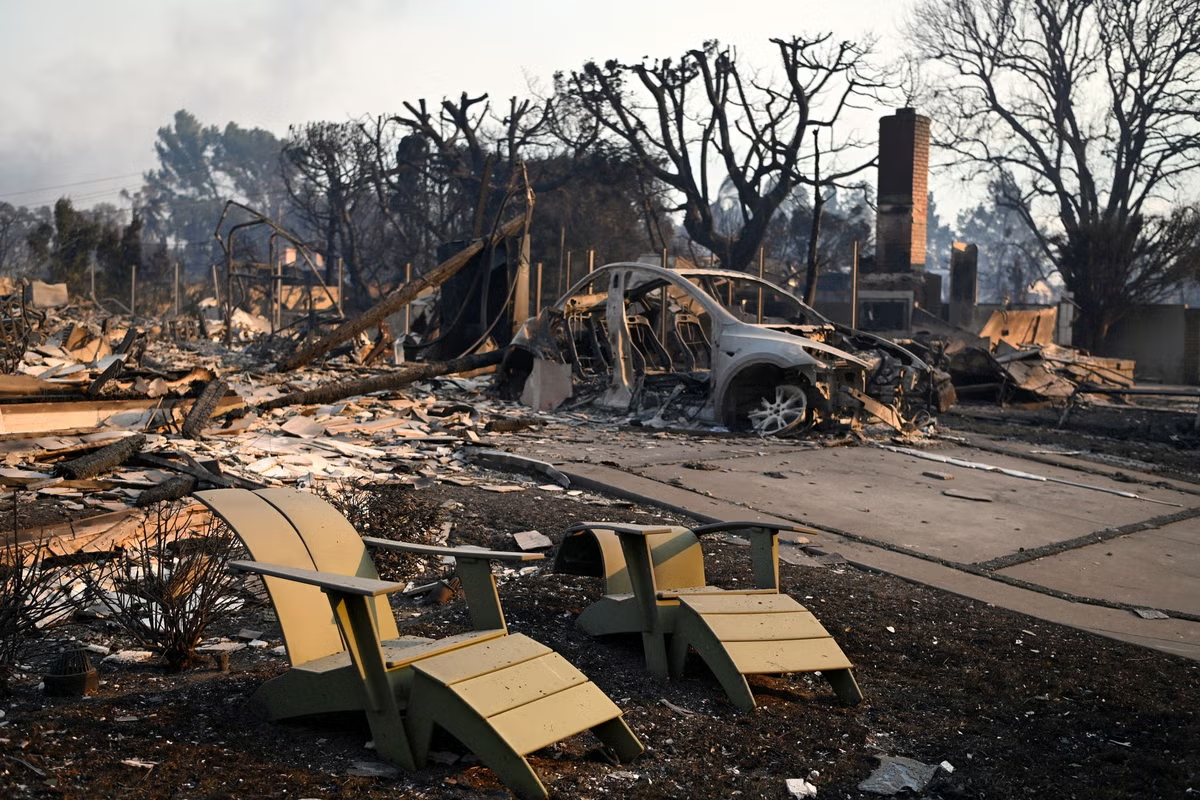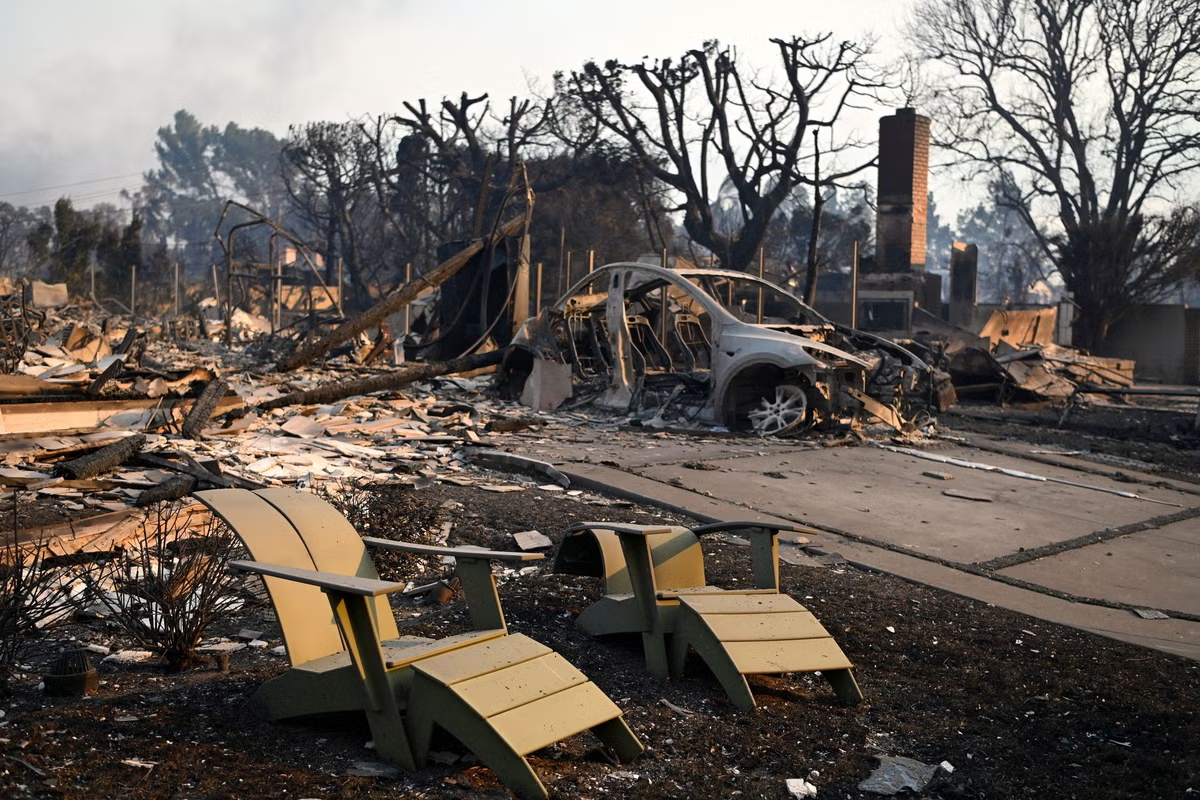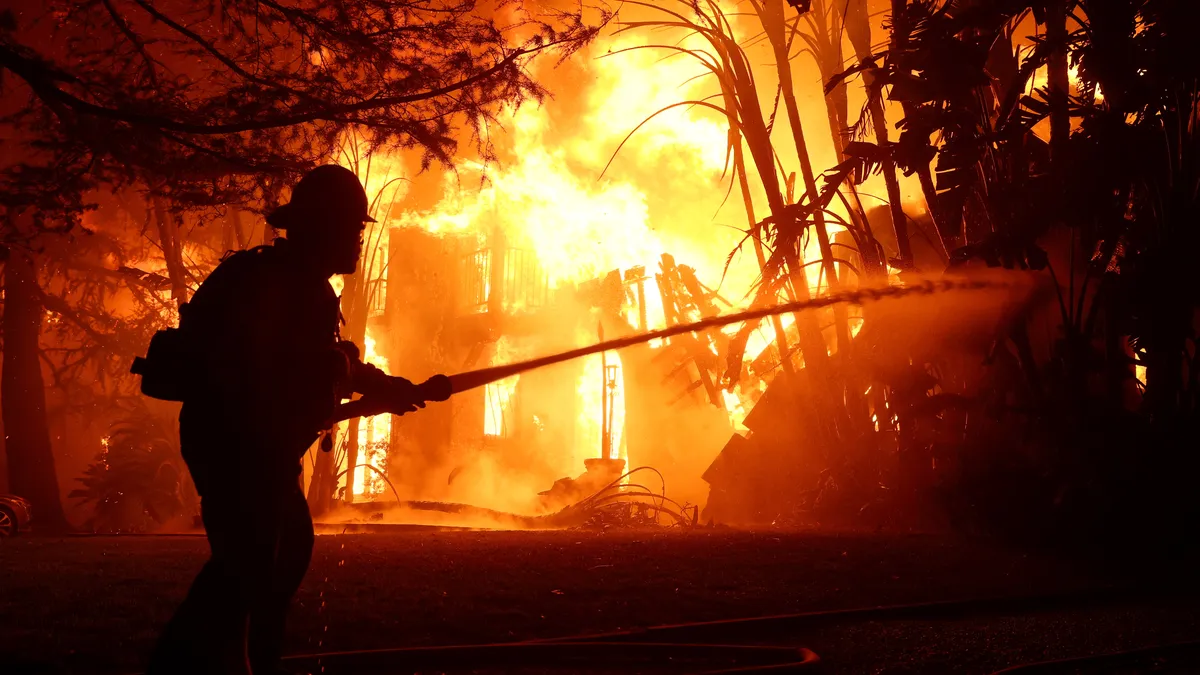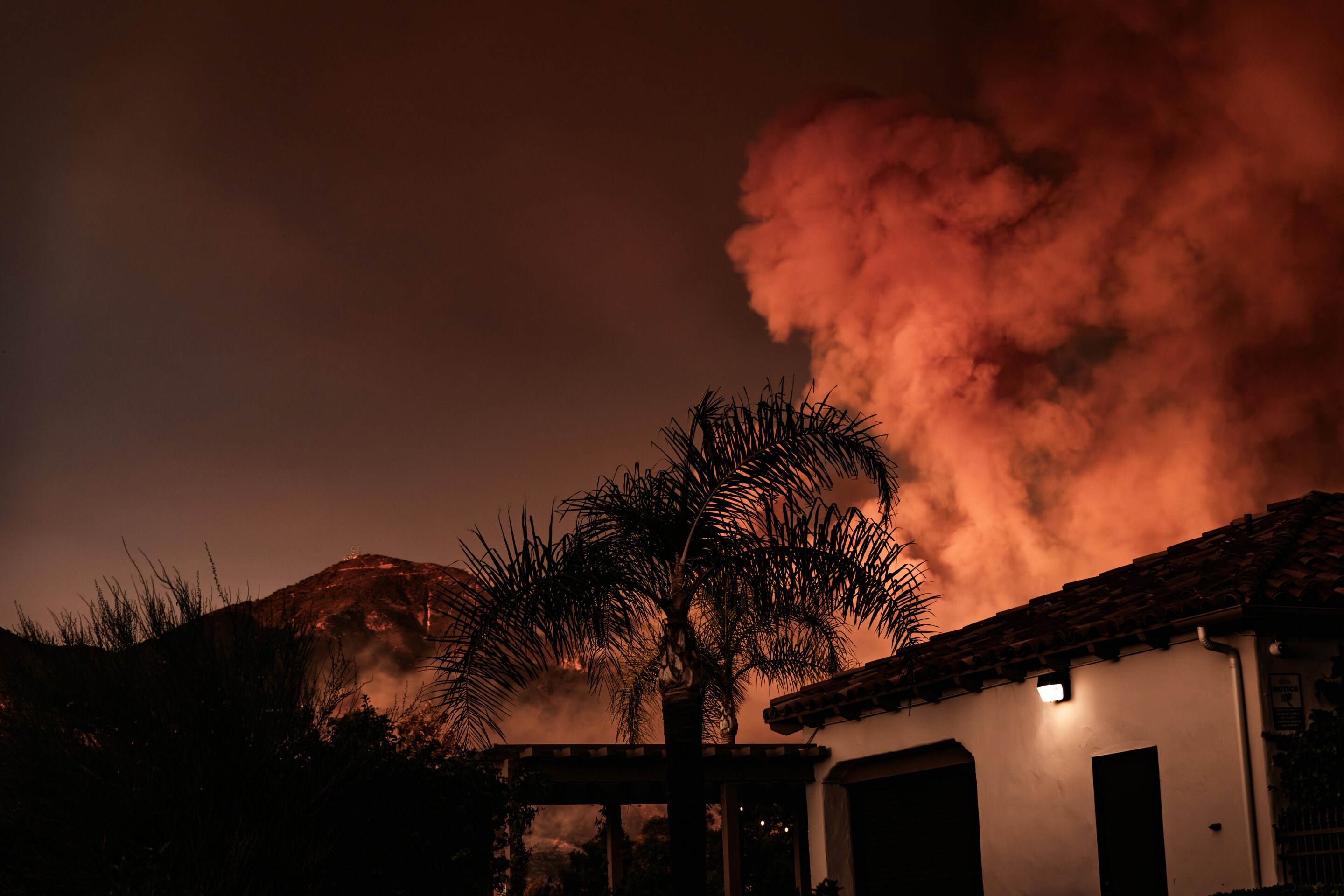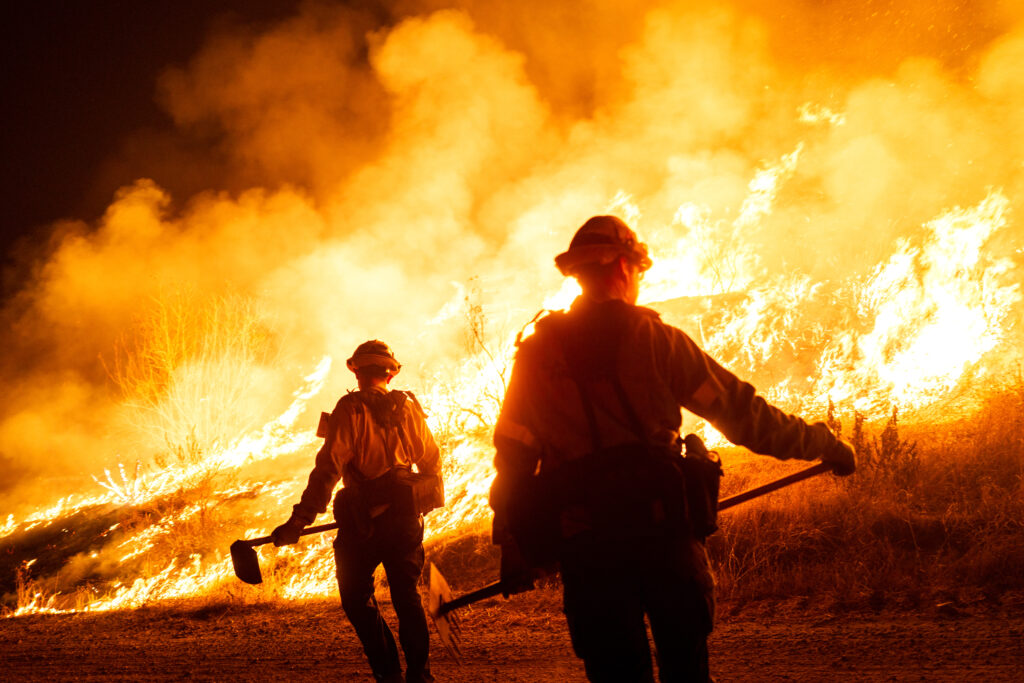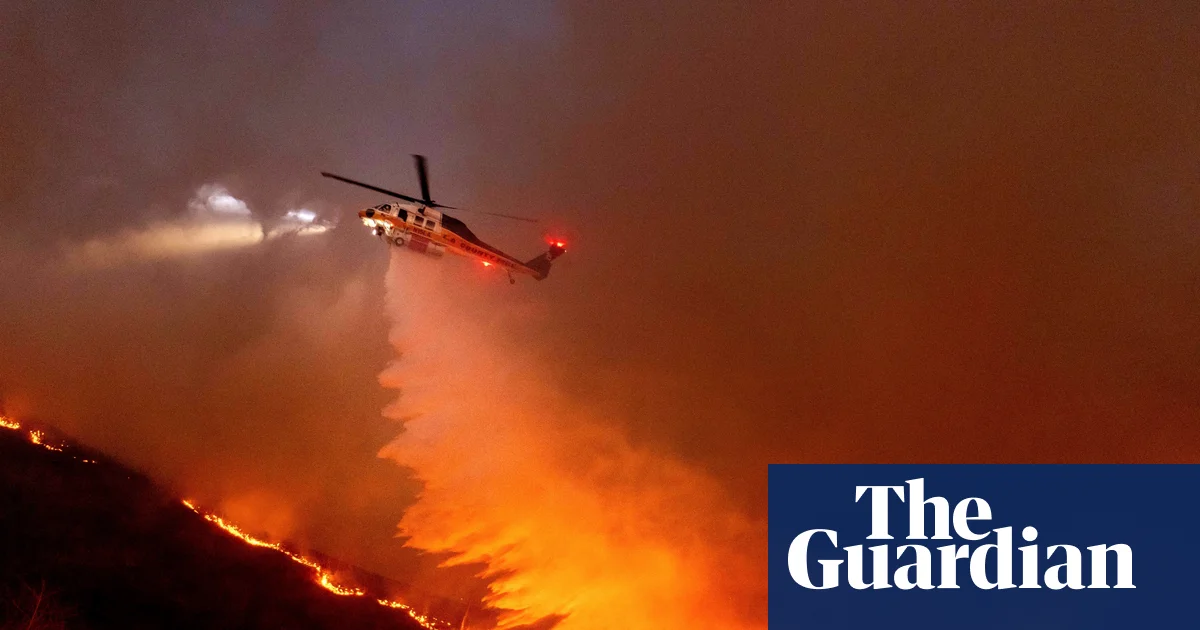
The global 2025 wildfire season can be summed up with one of two extreme datapoints. It can be strange to think of the good news of wildfires, but for the optimists, last year’s blazes set aflame the second smallest number of square miles since 2002, behind only 2018, when around 330 million hectares burned. For the realists in the rooms—perhaps joined by economists and accountants—2025’s wildfire season was anything but good news.
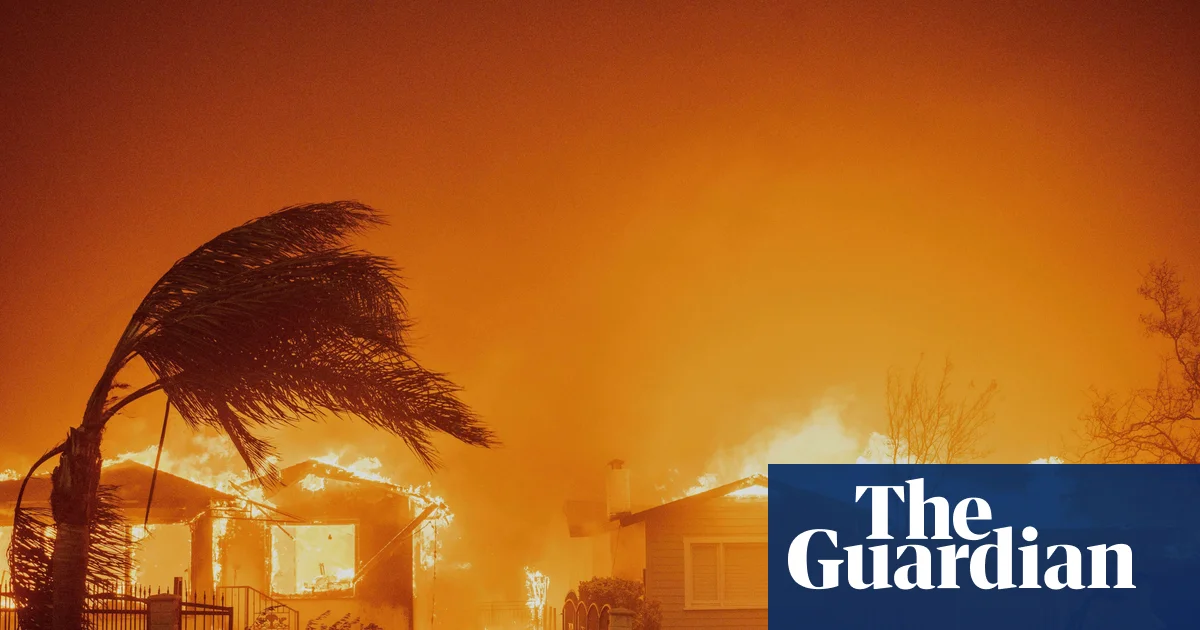
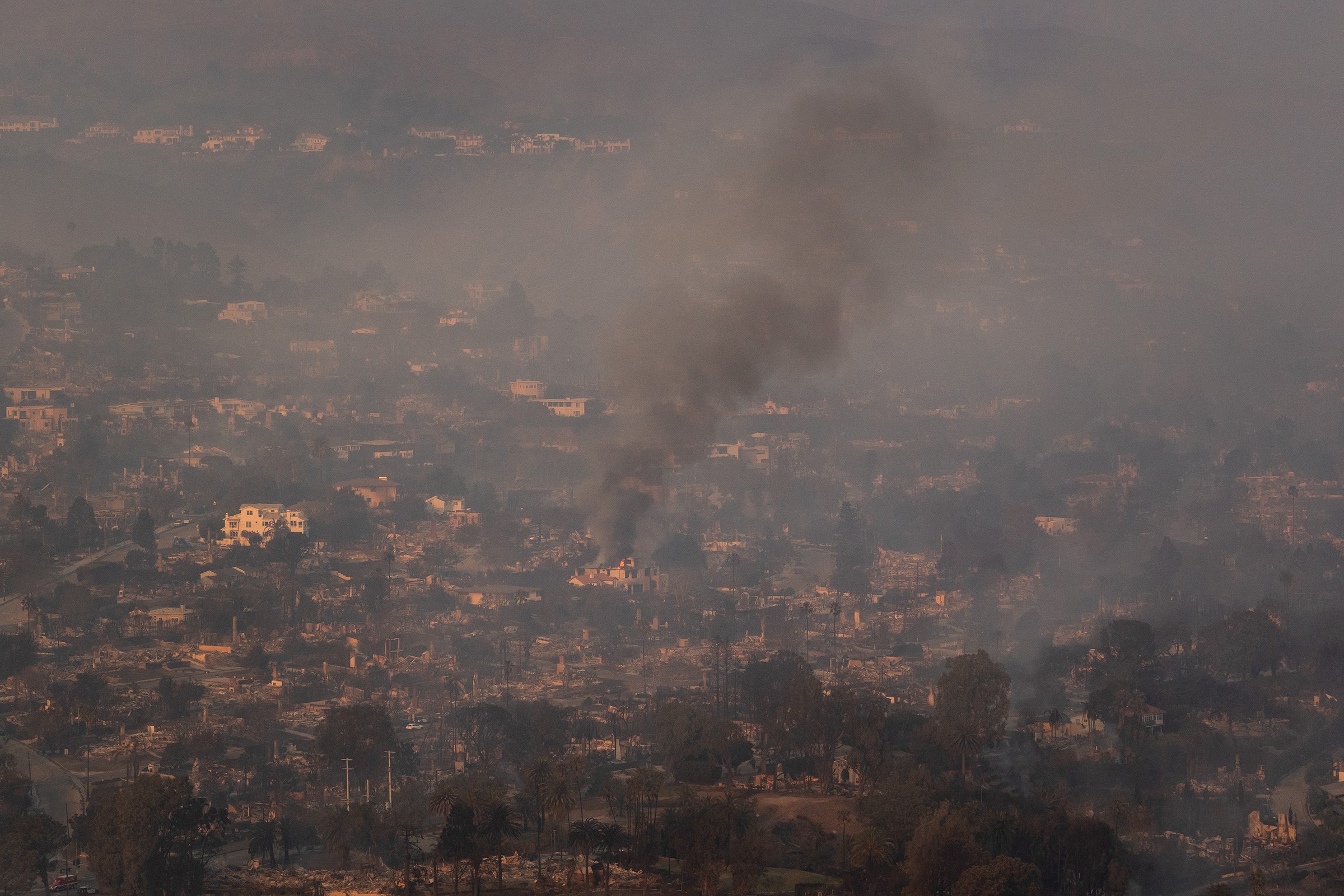
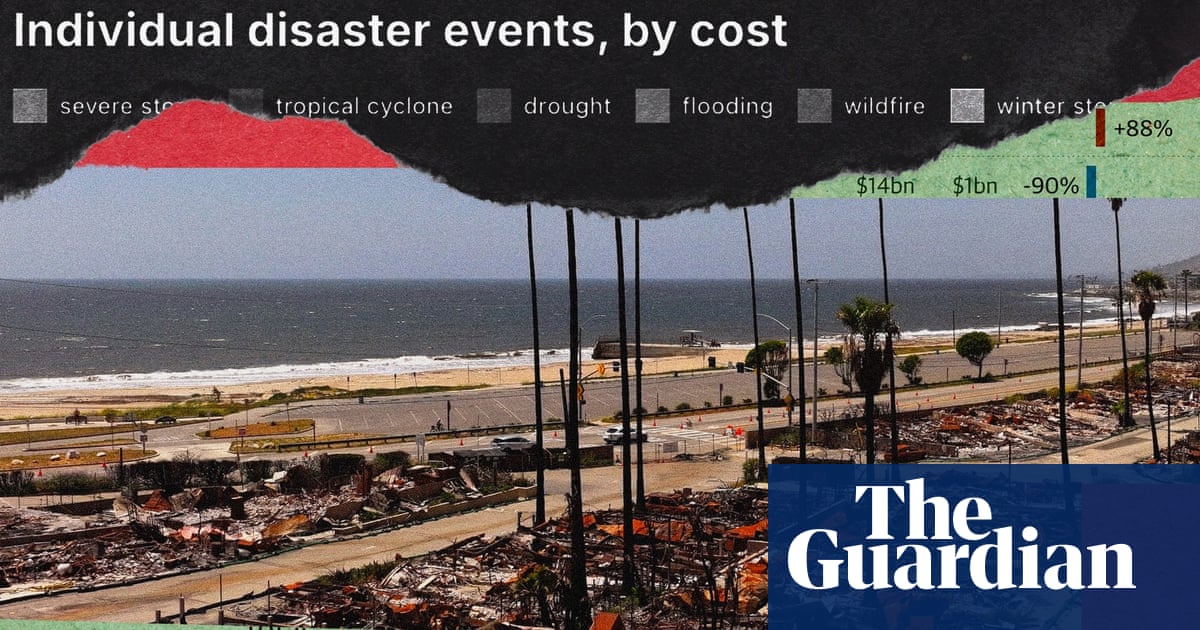
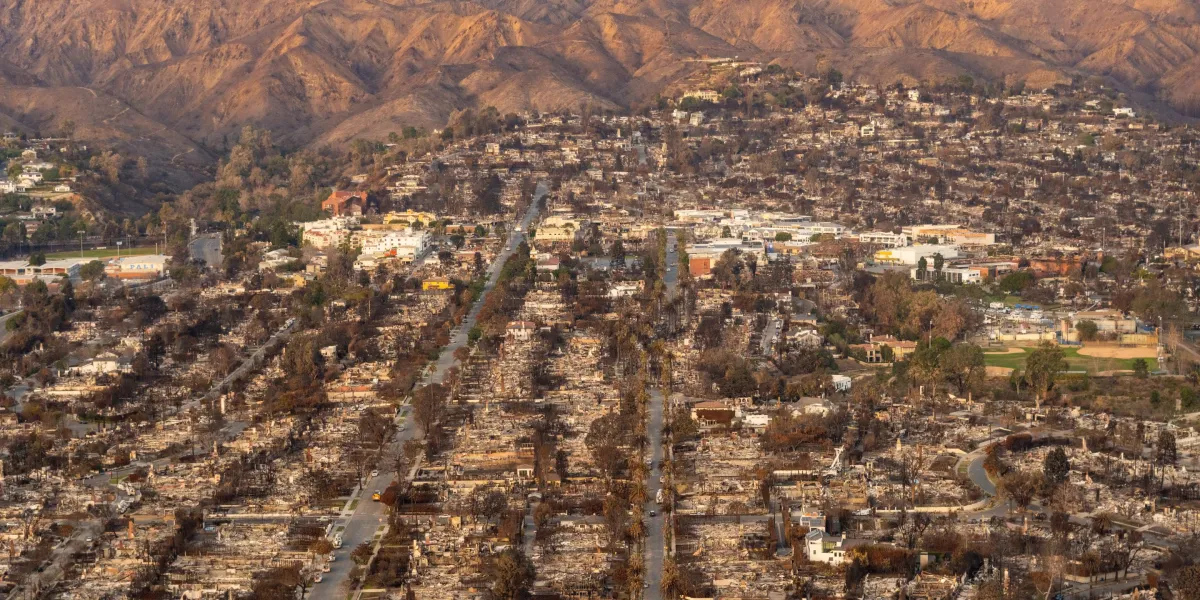
Last year’s fires took the costliest financial toll in recorded wildfire history, accounting for 38% of all insured losses related to natural hazards, according to a study published Sunday in the journal Nature Reviews Earth & Environment. That’s despite the fact the area burned by fires around the world was 16% below the long-term average of around 400 million hectares.
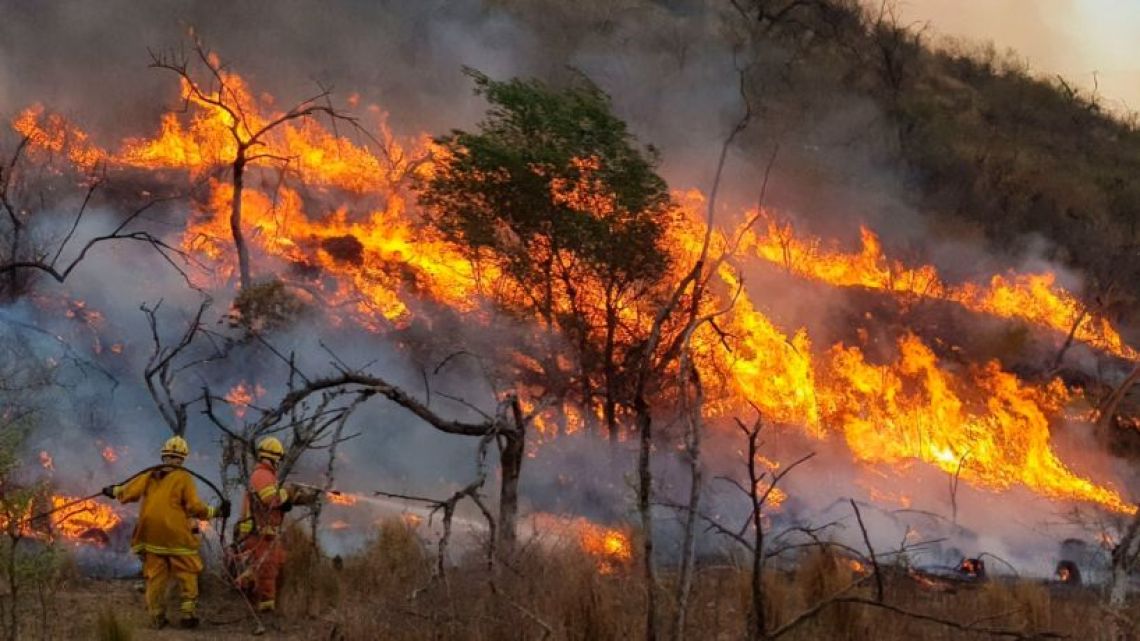
While low by recent standards, wildfires still burned around 335 million hectares of land last year, or 1.3 million square miles—about twice the size of Alaska. Fires also caused 90 fatalities globally, and forced around 300,000 evacuations, according to the study.
In some parts of the world, wildfires, or lack thereof, was an unmitigated success story. In Africa, for instance, the rate of wildfire occurrence has declined dramatically in recent decades, as expanding agricultural activity encroached across natural savannahs and fragmented wild landscapes into plots of land less prone to burning. Similar trends have played out in Central Asian steppes and South American plains.