Show Caption
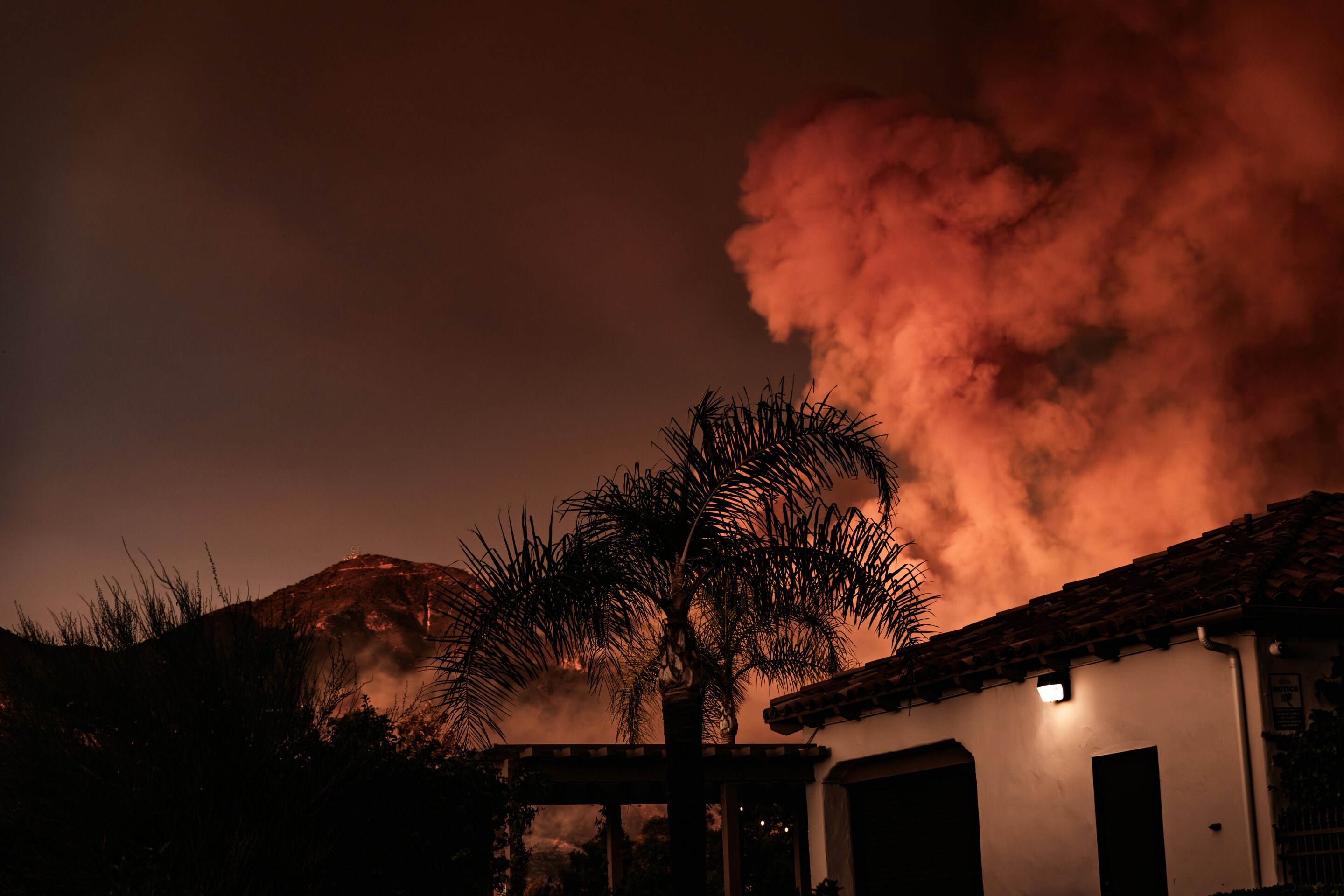
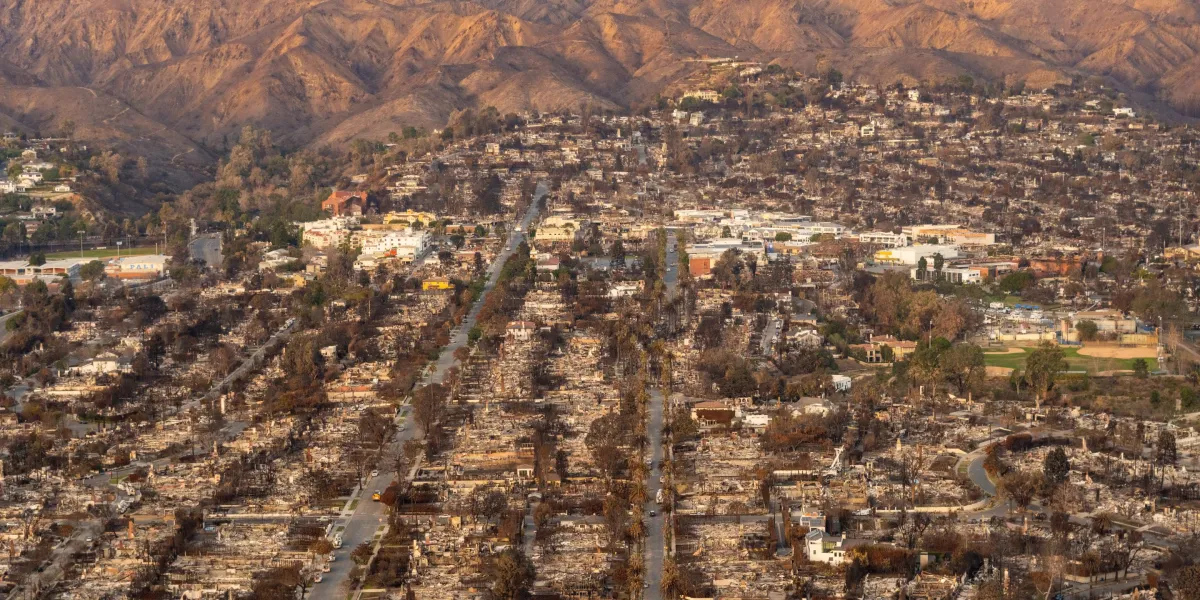
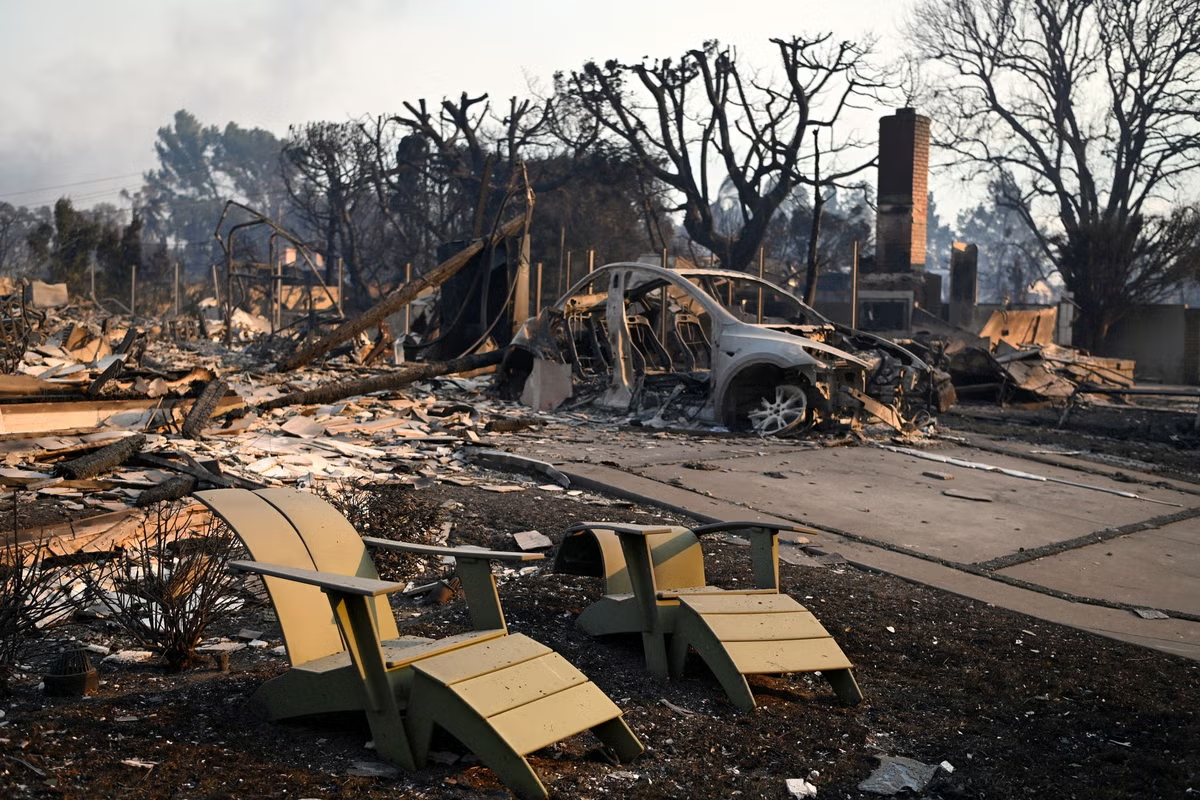
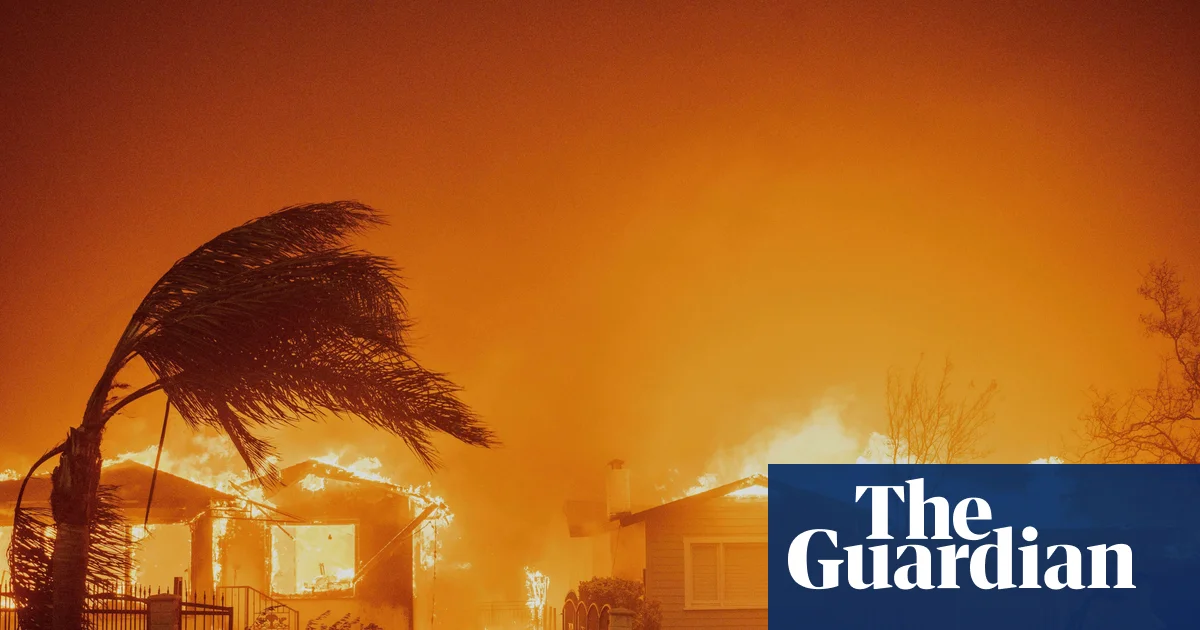
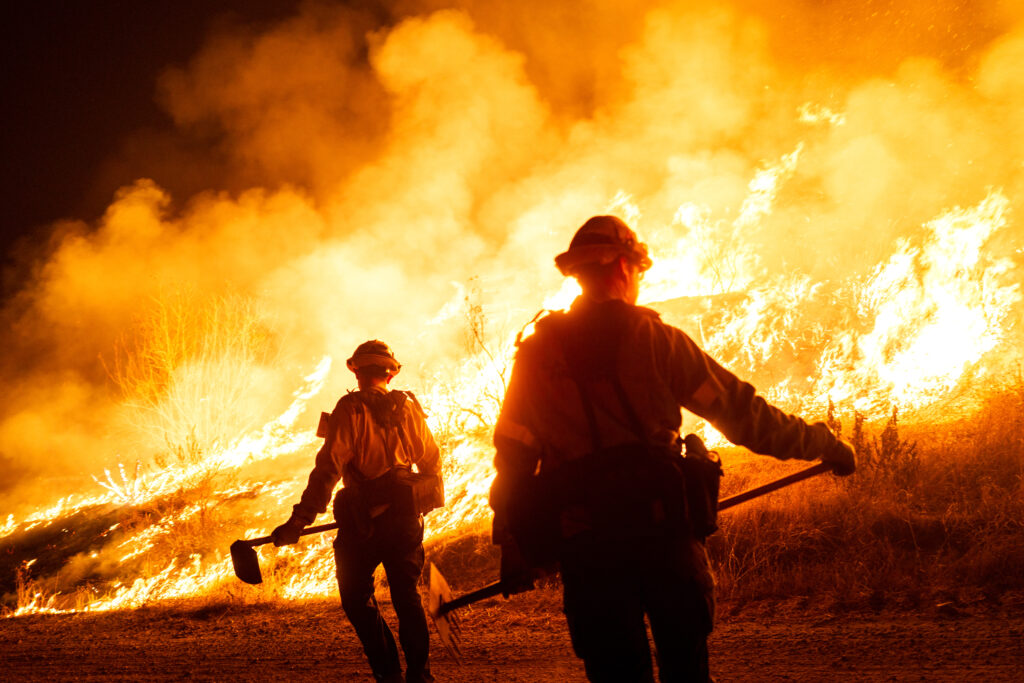
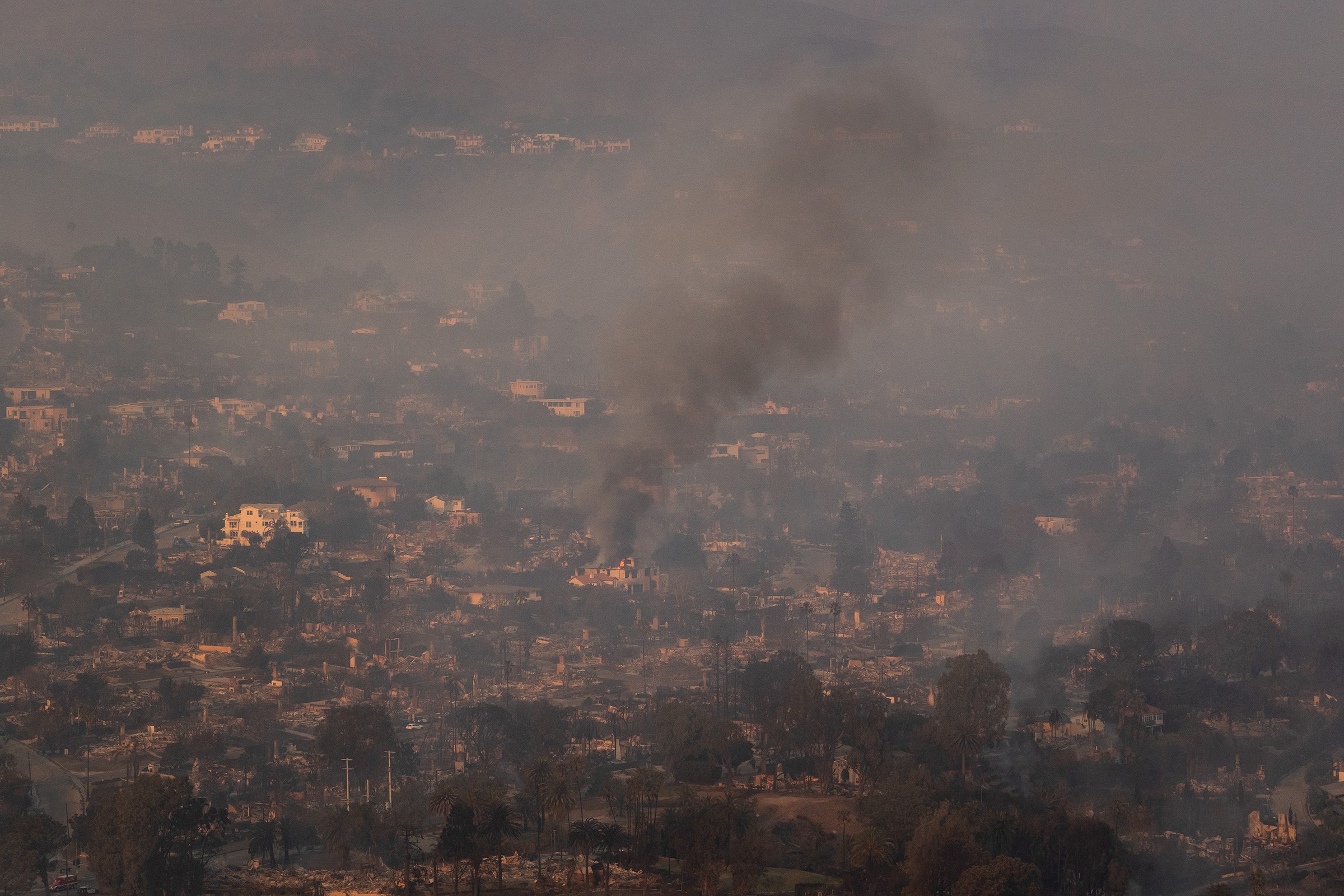
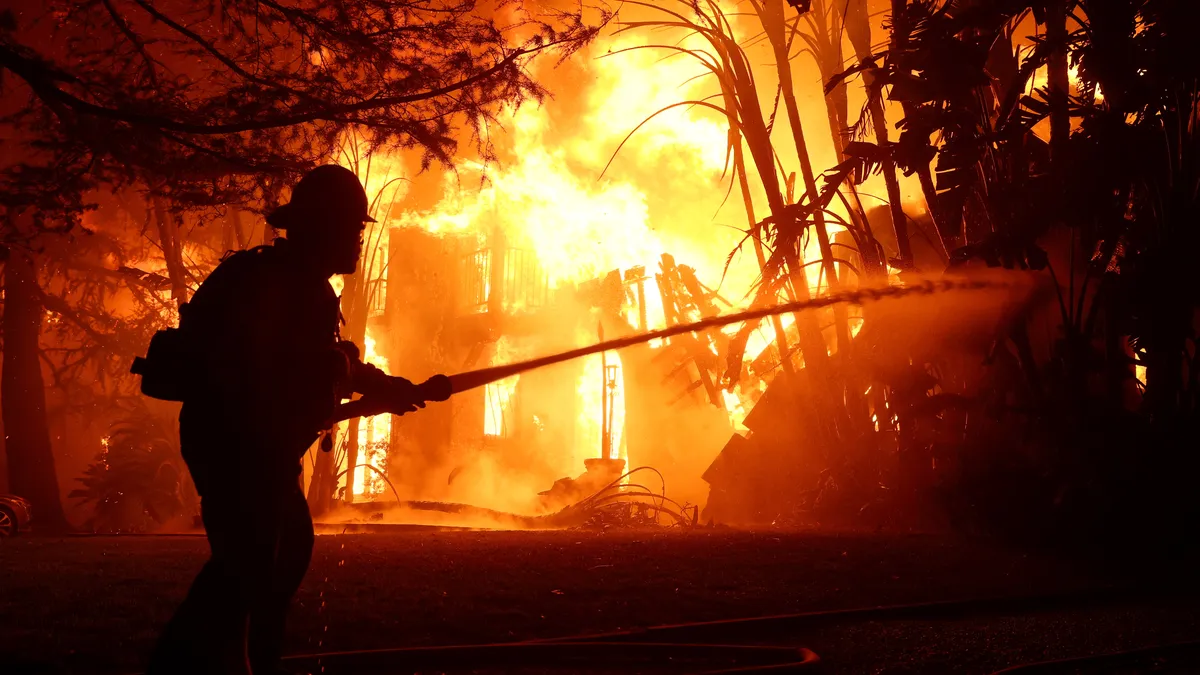
It was the best of times, it was the worst of times.First, the good news: A new analysis of global wildfire activity in 2025 shows that the year had the second-lowest area burned since 2002. But at the same time, the study also revealed that the world experienced some of the most destructive and deadly fire events in recent history, including the catastrophic Los Angeles fires of January 2025 that killed dozens and burned over 12,000 homes.The study, published on May 31, highlights an ongoing trend toward wildfires becoming increasingly extreme, costly, and disastrous — both economically and in lives lost."2025 shows that a 'quiet' fire year globally can still be devastating," said report lead author Matthew Jones of the Tyndall Centre for Climate Change Research at the University of East Anglia in the U.K. "We are seeing a growing disconnect between total area burned and real-world impacts, with risk increasingly determined by fire location, intensity and exposure," he said in a statement.'Catastrophic' fires in several countriesAccording to the study, a series of "catastrophic" wildfires across Canada, the United States, Europe, and South Korea resulted in more than 300,000 evacuations and over 90 deaths, "underscoring the rising societal toll of extreme wildfire events."Financially, 2025 became the costliest year on record for insured wildfire losses globally, with the wildfires accounting for 38% of all insured natural hazard losses.In January 2025, the Los Angeles fires alone were the fifth most costly natural disaster in history in terms of insured losses, at $40 billion, and $140 billion in total losses.Nationally, the Palisades and Eaton fires in Los Angeles became the most destructive wildfire event in U.S. history.Fueled by large stocks of critically dry vegetation and extreme winds, the fires killed 31 people, destroyed nearly 12,000 homes, and forced over 150,000 evacuations. They also produced hazardous air pollution affecting 10 million residents.A new era of wildfire riskThe report also suggests that the 2025 wildfire season reflects a global shift: as savannah fires (mainly in Africa) decline, extreme and destructive wildfires are increasingly emerging in temperate and high-latitude regions, where fuel-rich forests can burn with unprecedented intensity and climate-driven drought and heat waves amplify fire weather.Population growth at the wildland-urban boundary also increases exposure, while firefighting resources are strained as multiple regions face simultaneous emergencies.What can be done?In a statement, Jones said, "the wildfires of 2025 demonstrate that without decisive action, societies will continue to face escalating human, economic and environmental risks in an era of more extreme fires."The authors said their findings reinforce the need for rapid reductions in fossil fuel emissions to limit further climate warming, and far stronger adaptation, including proactive vegetation management.The study was led by the University of East Anglia in the U.K. and appeared in the peer-reviewed British journal Nature Reviews Earth & Environment.