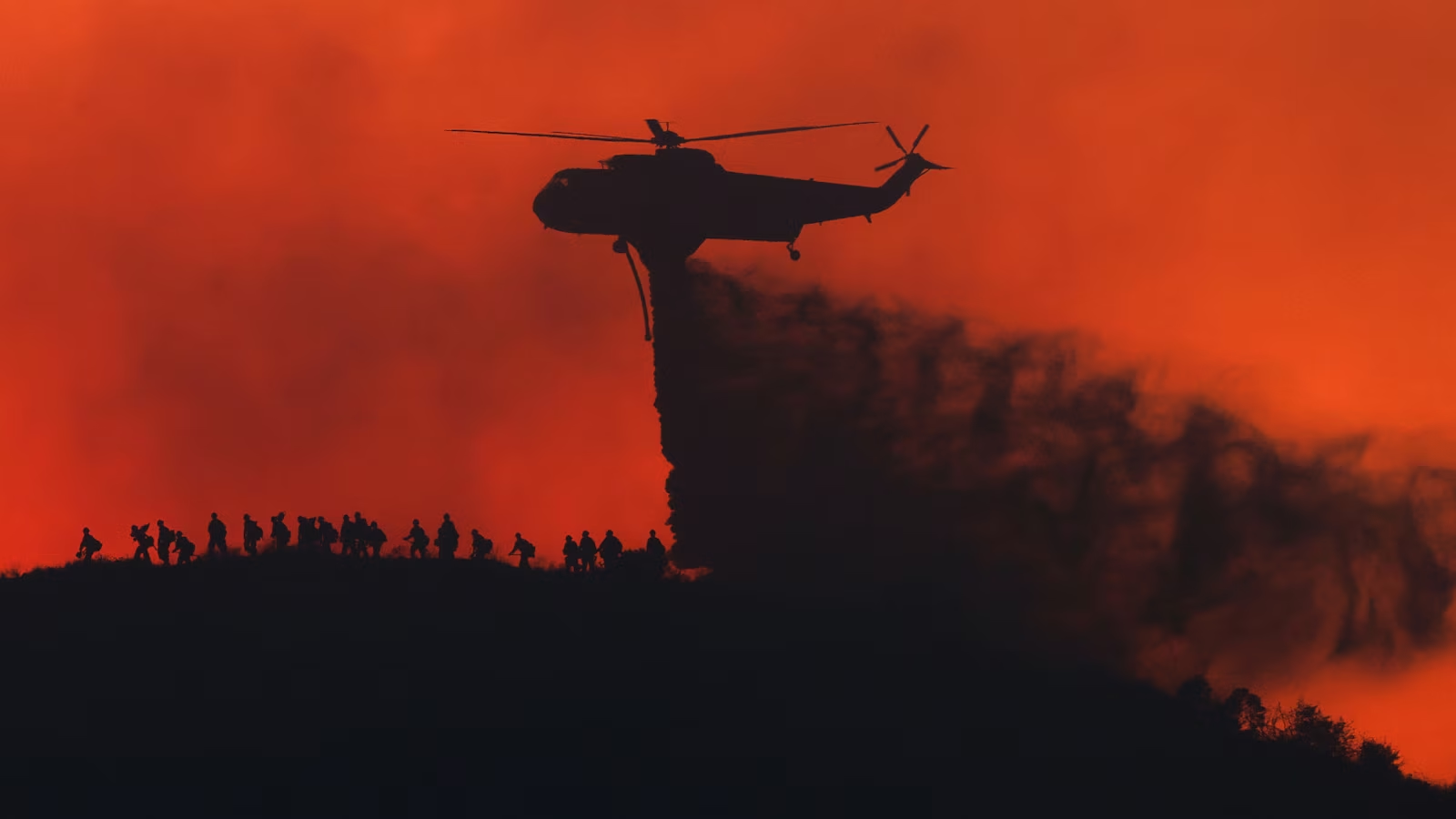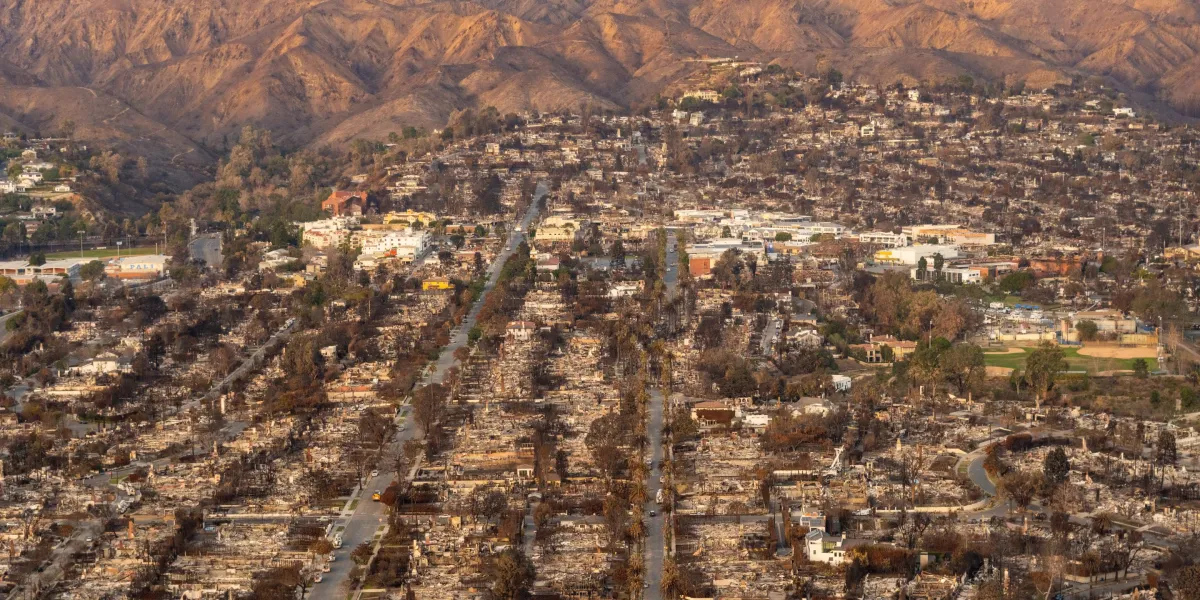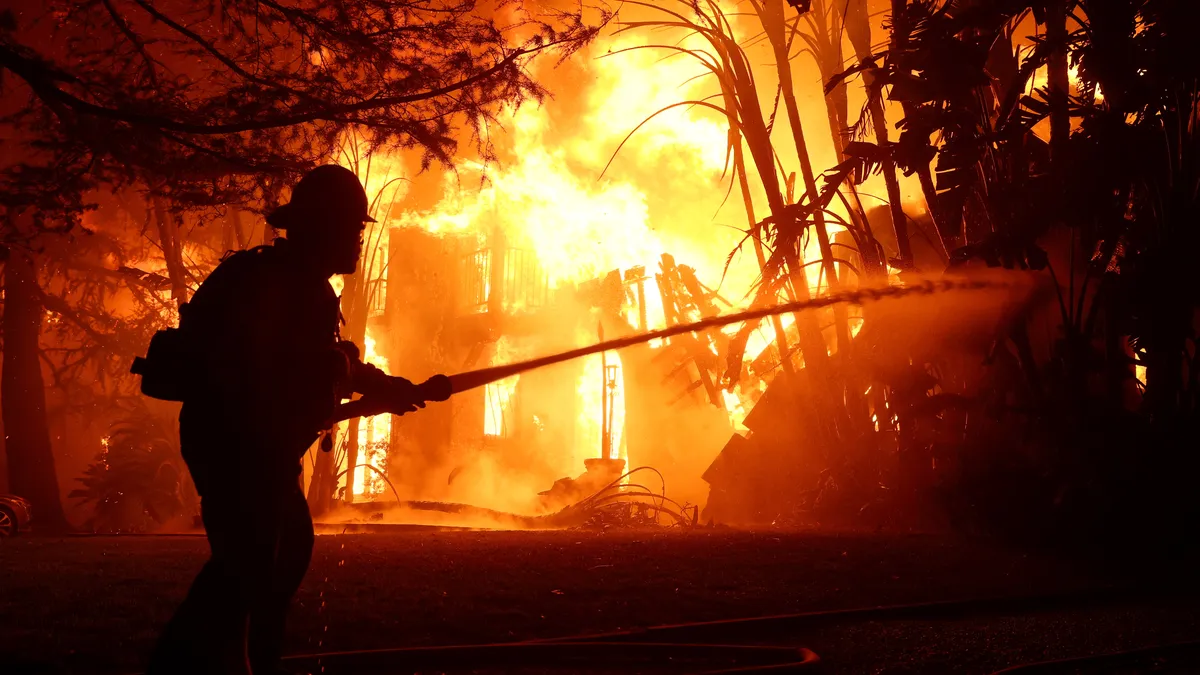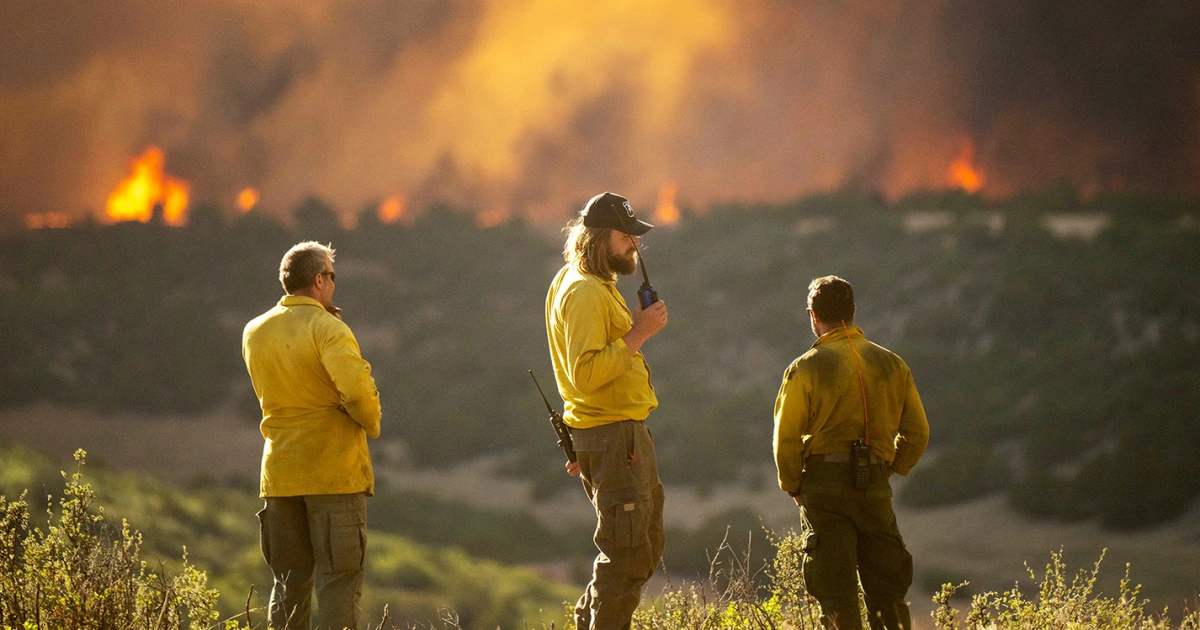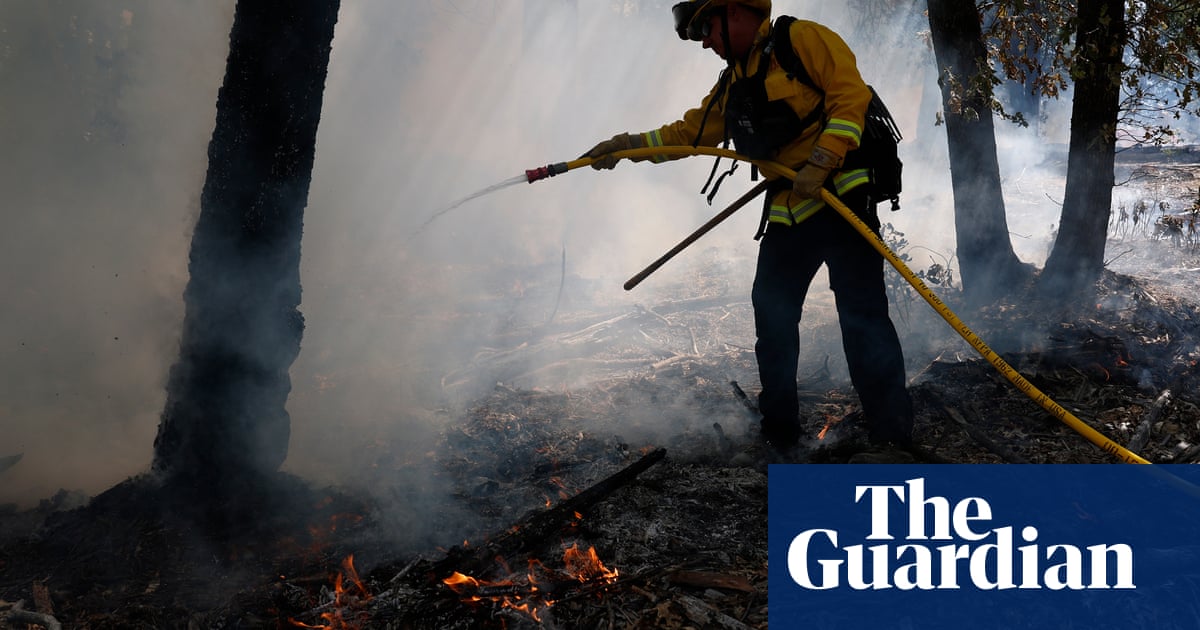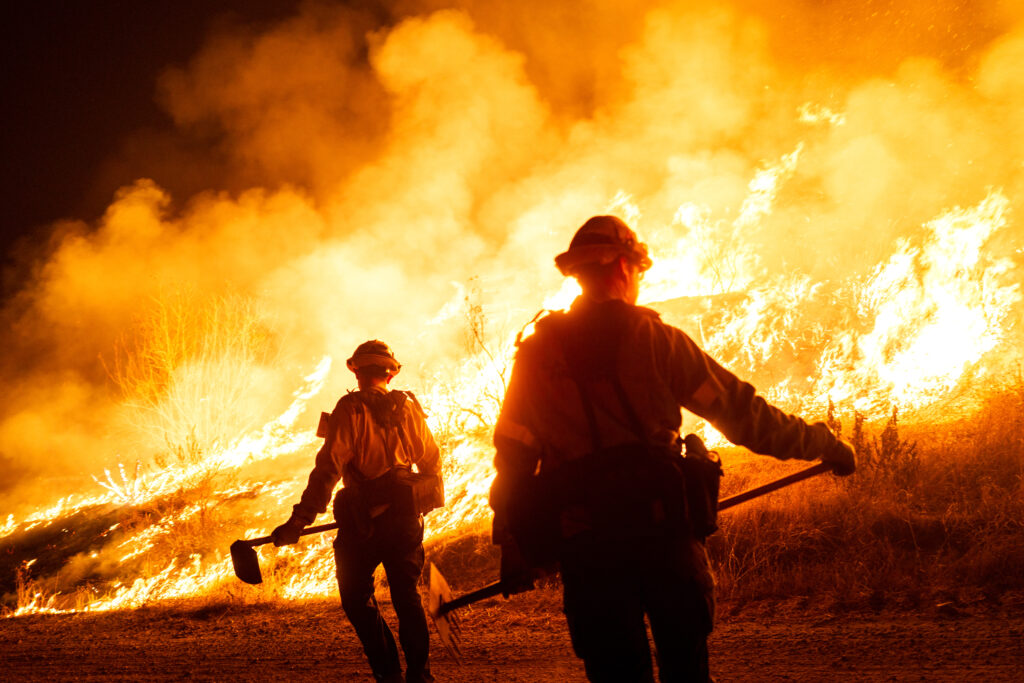
As bad as things got in Los Angeles in January 2025, when 31 people died and more than 16,000 buildings were destroyed by wildfires roaring into residential neighborhoods, many wildland firefighters look back on the rest of last year as a dodged bullet.
Across the nation, according to the National Interagency Fire Center (NIFC), which coordinates the federal wildfire response, the total area burned in 2025 was about two-thirds of the average over the past 10 years.
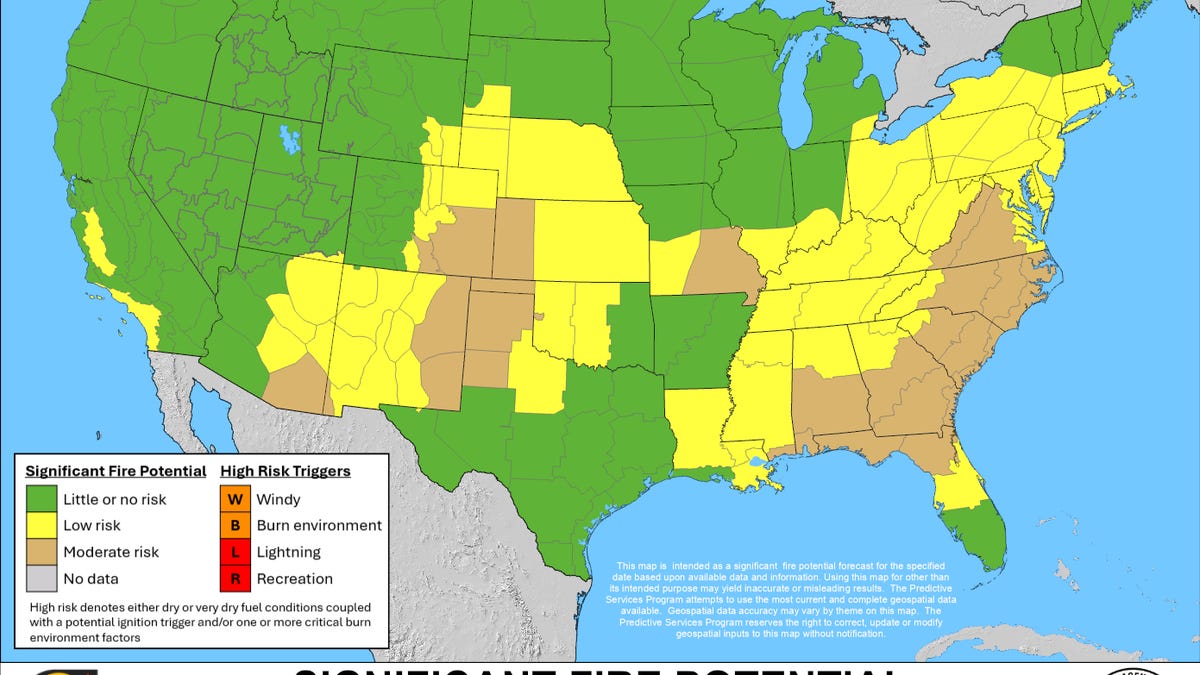
This year is shaping up to be a very different prospect, wildfire experts warn. Key environmental indicators show that the nation is a tinderbox, gripped by widespread drought and with a light snowpack in the mountains that will offer little relief as its remnants melt away.
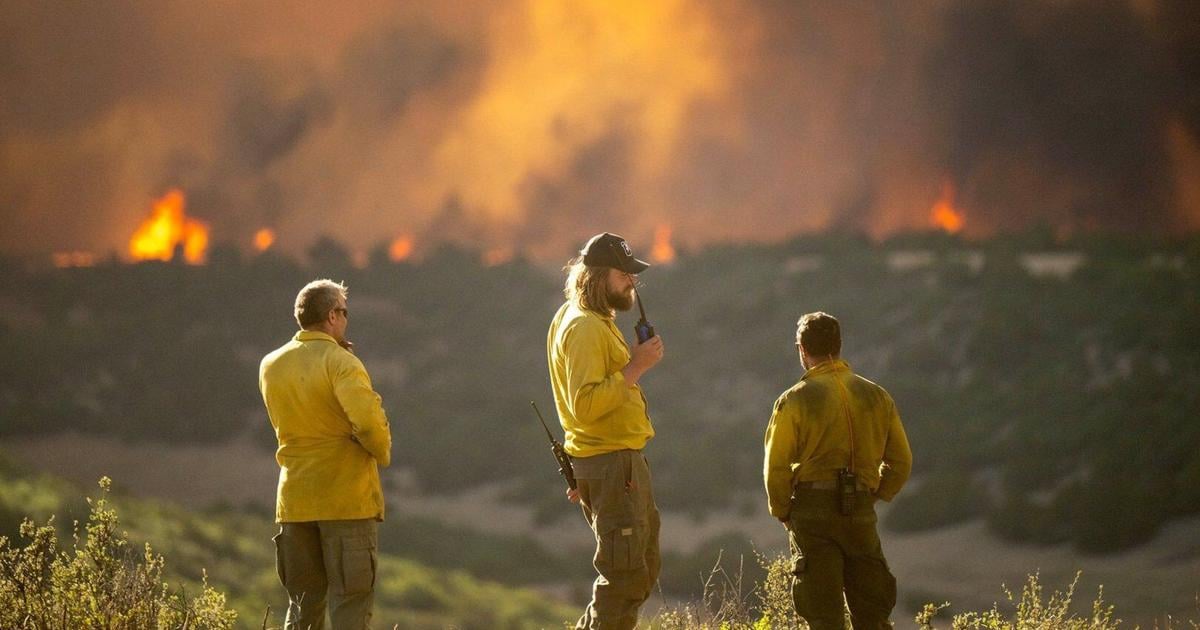
At the same time, upheaval in the federal wildland firefighting effort and the loss of many staff qualified to join wildfire incident teams since Donald Trump took power for the second time have left firefighters deeply concerned about their ability to mount an effective response.
“I think this is going to be the year,” warned Timothy Ingalsbee, co-founder and executive director of Firefighters United for Safety, Ethics and Ecology. “The conditions are just ripe for some really bad outcomes.”