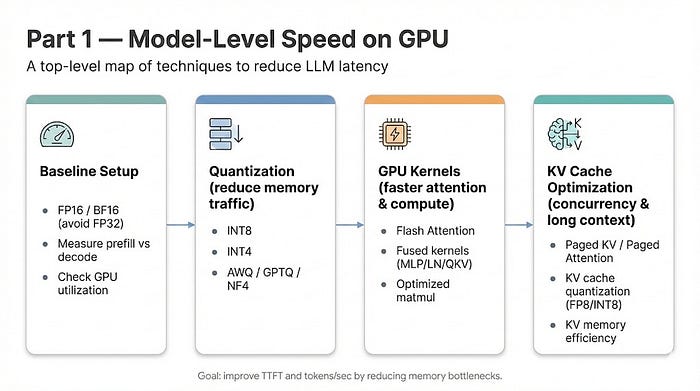
If you’re iterating on deploying large language models (LLMs) on AWS GPU instances, you’ve probably noticed the larger the model to be loaded into GPU High Bandwidth Memory (HBM), the longer the painful wait until the GPUs are ready for inference. As models grow to hundreds of billions of parameters and GPU environments grow ever larger, model load time negatively affects your end-to-end total time to first token (TTFT). This post explores how Amazon FSx for Lustre, combined with NVIDIA GPUDirect Storage (GDS), plus a bit of clever planning, can fundamentally change the cold-start TTFT equation. It reduces minutes of unproductive load time to seconds each time your model starts. While we’re on the topic of optimization, this post will also cover the effect of the recently announced TurboQuant KV cache in terms of a massive increase in context window size.
Background: NVIDIA Blackwell architecture on AWS
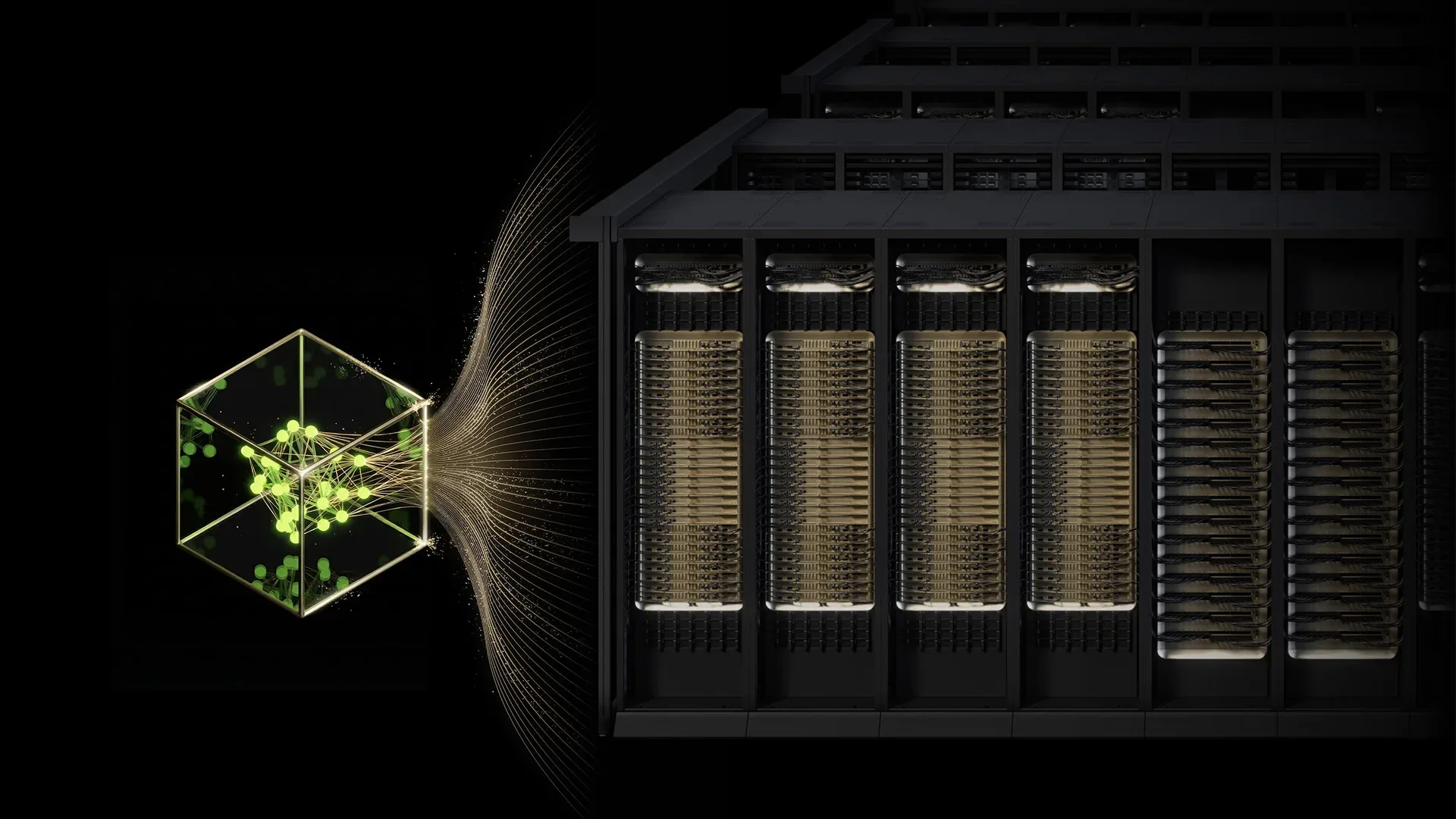
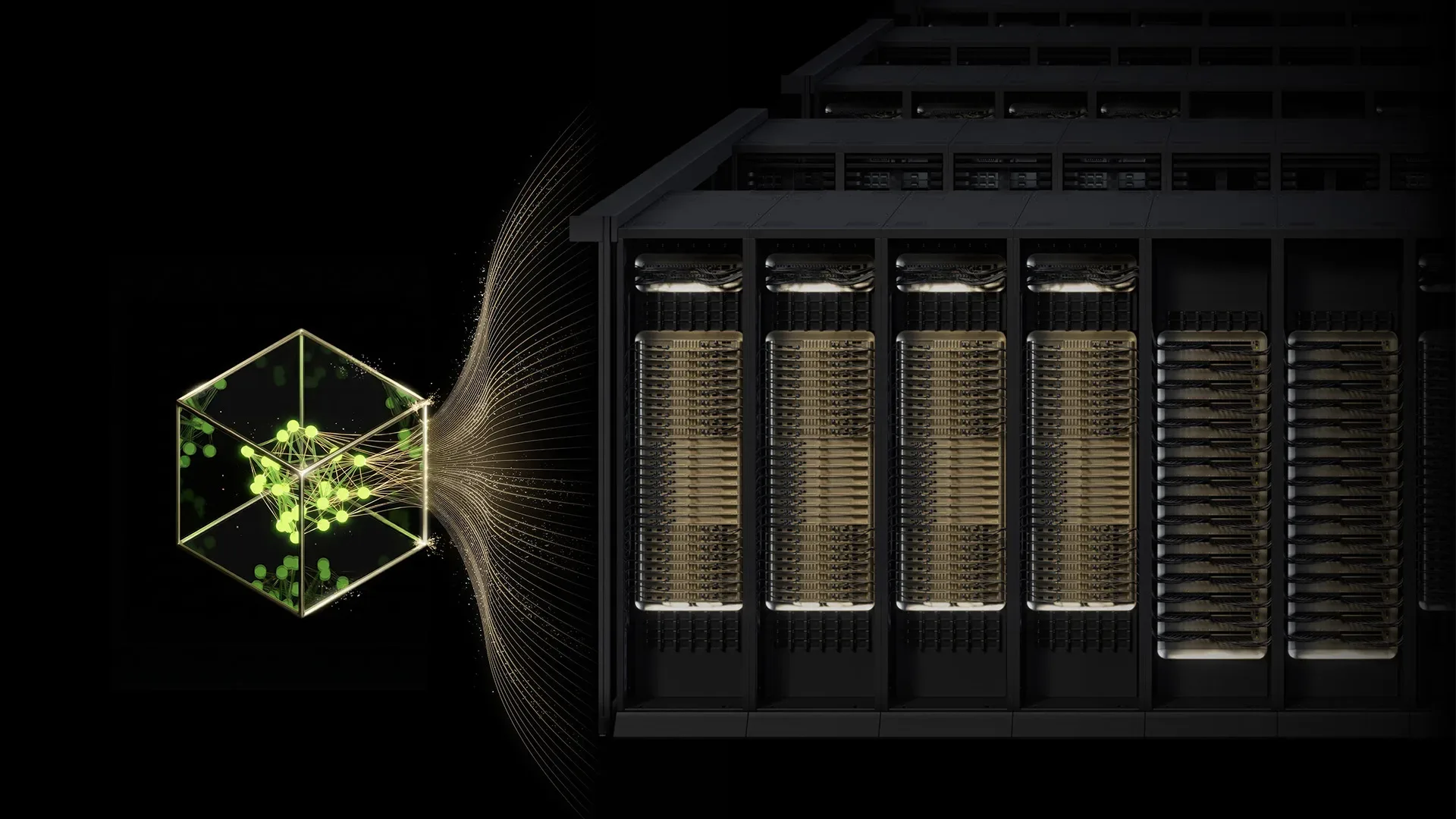
AWS recently launched the Amazon EC2 P6e and P6 instance families, powered by NVIDIA’s Blackwell architecture (watch the announcement). The flagship P6e UltraServer packs 72 NVIDIA Blackwell GPUs into a single NVLink domain with 130 TB/s of bisection bandwidth, 13.4 TB of HBM3e, and 360 petaflops of FP8 compute (720 at FP4). These UltraServers are typically used for large-scale distributed training of frontier models at the multi-trillion-parameter scale.