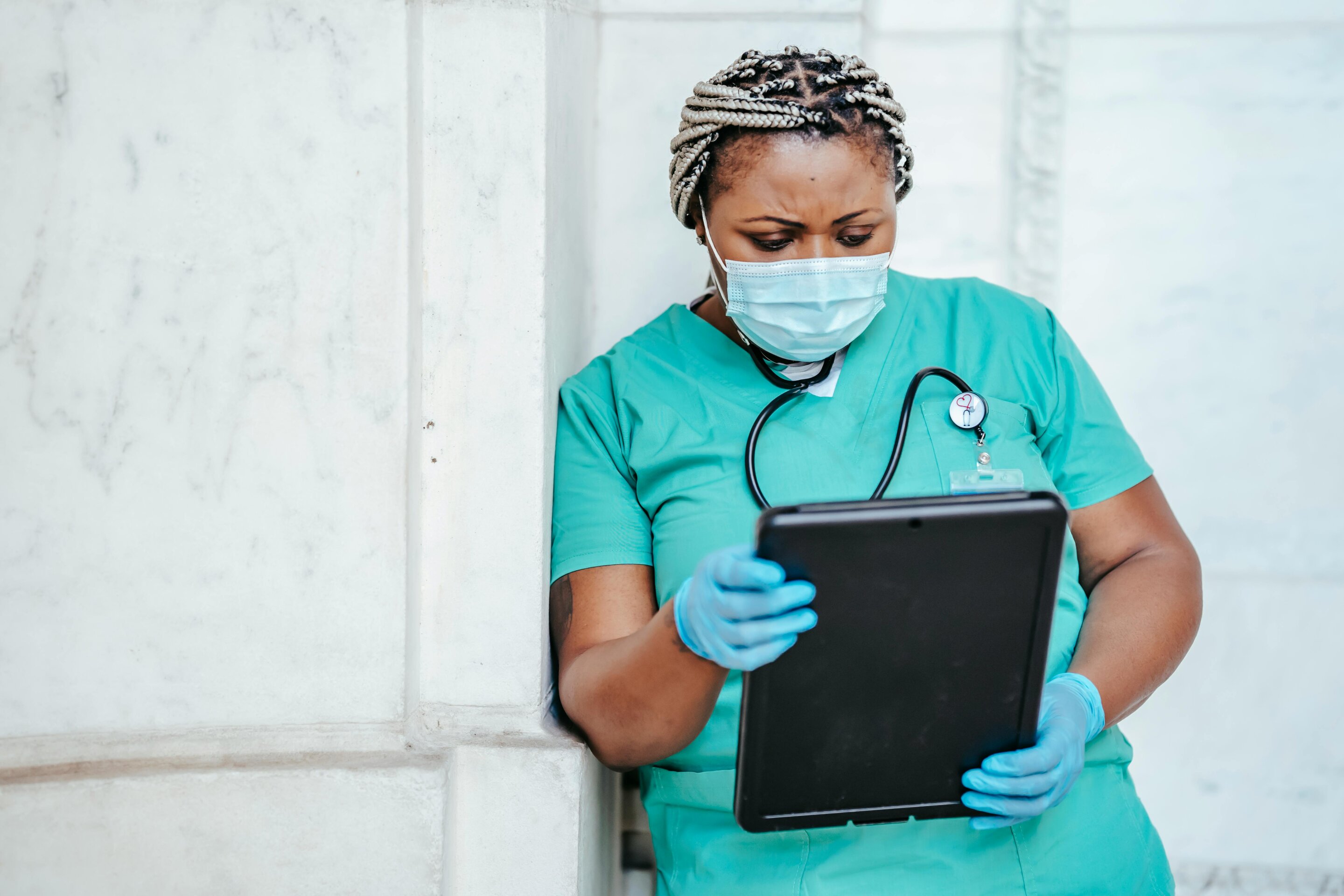
Inova, the leading nonprofit health system in the Northern Virginia and Washington, D.C. metropolitan area, developed a novel dietitian-led program for the bedside placement of feeding tubes for critically ill patients. The goals were to reduce nursing workload and optimize patient safety. In addition, the system adopted an electromagnetic sensor-guided feeding tube (EMFT) system that allows clinicians to visualize the tube's path on a monitor for real-time positioning at the bedside.
Inova has five acute care hospitals ranging in size from 237 to 923 beds. Systemwide, about 1,600 nasal feeding tubes are placed annually across all intensive care units (ICUs), including trauma, surgical-trauma, cardiovascular, medical-surgical and neurocardiovascular.
Historically, most were placed using traditional bedside techniques without real-time visualization by registered nurses at the bedside, and postpyloric tubes were placed infrequently by interventional radiology or endoscopy specialists, averaging fewer than 10 per year.
"Dietitian-led Feeding Tube Placement: Reducing Nursing Workload and Enhancing Patient Safety in the Intensive Care Unit" is published in Critical Care Nurse.
Authors Meagan Davis, RDN-AP, CNSC, and Jamie Grandic, RDN-AP, CNSC, are advanced practice registered dietitians at Inova. Davis serves as the regional clinical nutrition manager, while Grandic is senior director of clinical nutrition.