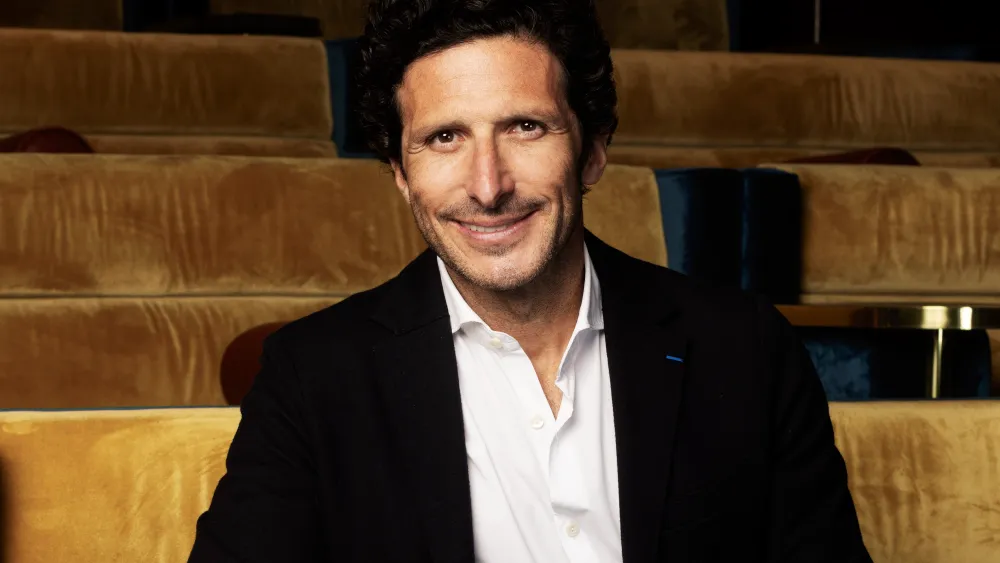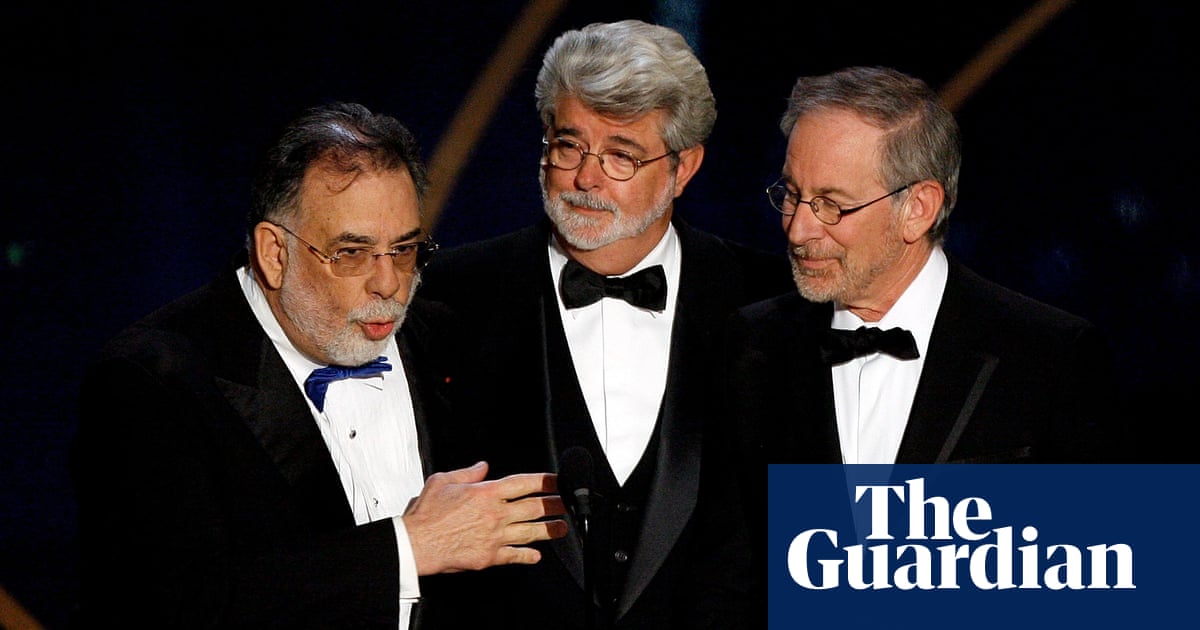
The writer Paul Fischer was born in Saudi Arabia, raised in France and now lives in Canada. His first book, A Kim Jong-II Production, the true story of the kidnapping of two South Korean filmmakers in North Korea, was one of NPR’s best books of 2015. His sophomore book, The Man Who Invented Motion Pictures, explores the disappearance of Louis Le Prince, who shot the world’s first motion picture in Leeds, England. For his third book, Fischer turns to the inside story of the friendship between Coppola, Lucas, and Spielberg. The Last Kings of Hollywood is a New York Times bestseller. Here, he discusses five film books that have influenced his work.
In a way, The Last Kings of Hollywood started with my dissatisfaction with Peter Biskind’s Easy Riders, Raging Bulls (1998), a very fun, readable overview of the New Hollywood generation, that cemented this idea of a sex, drugs, and rock‘n’roll generation of filmmakers including Coppola, Spielberg, Friedkin, De Palma, and Scorsese. I never warmed to it; you can tell it’s the kind of book that prints the legend and discards the facts.
It blends micro human intimacy with macro Hollywood politics with brilliant, breezy skill
When Mark Harris’s Pictures at a Revolution (2008) came out a decade later, it was a revelation. Harris takes the five films nominated for the Best Picture Oscar in 1968 (In The Heat of the Night, The Graduate, Bonnie and Clyde, Guess Who’s Coming to Dinner, Doctor Doolittle) and tells the tales of their making while using that pivotal year as a prism through which you see how the first Hollywood generation was upended by the next. It’s just as readable as the Biskind, just as fun, better written, but also much more rigorous and insightful.