An epic account of how three demigod directors, in pursuit of indie freedom, redefined American film-making
H
ere we are once more: back to the glory days of the New Hollywood that emerged from the ashes of the old studio system in the 1960s and 70s. Our cast is filled with brilliant hotshots and creative risk-takers, energised by the French New Wave, the American counterculture and the industry’s own amazing entrepreneurial past.
Peter Biskind’s breezy, bleary, cynical book Easy Riders, Raging Bulls ranged freely across the 1970s, with controversial anecdotes about egos and drugs (though maybe the definitive book about the role of cocaine in film production has yet to be written). Mark Harris’s Scenes from a Revolution had the witty idea of looking at the five films Oscar-nominated for best picture in the transitional year of 1968, from the supercool Bonnie and Clyde to the squaresville Dr Doolittle, to see what they told us about America’s cinematic mind at the time.
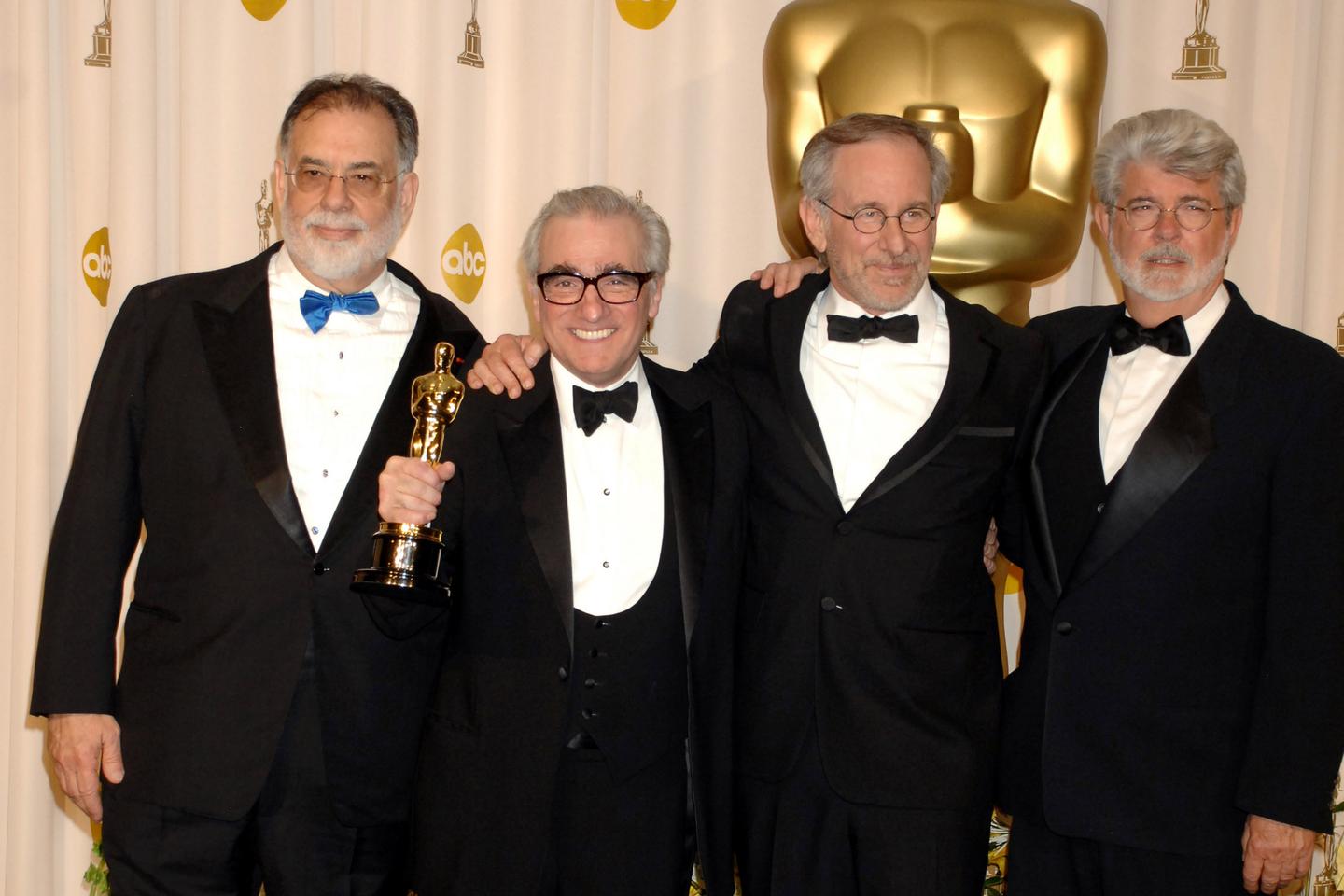
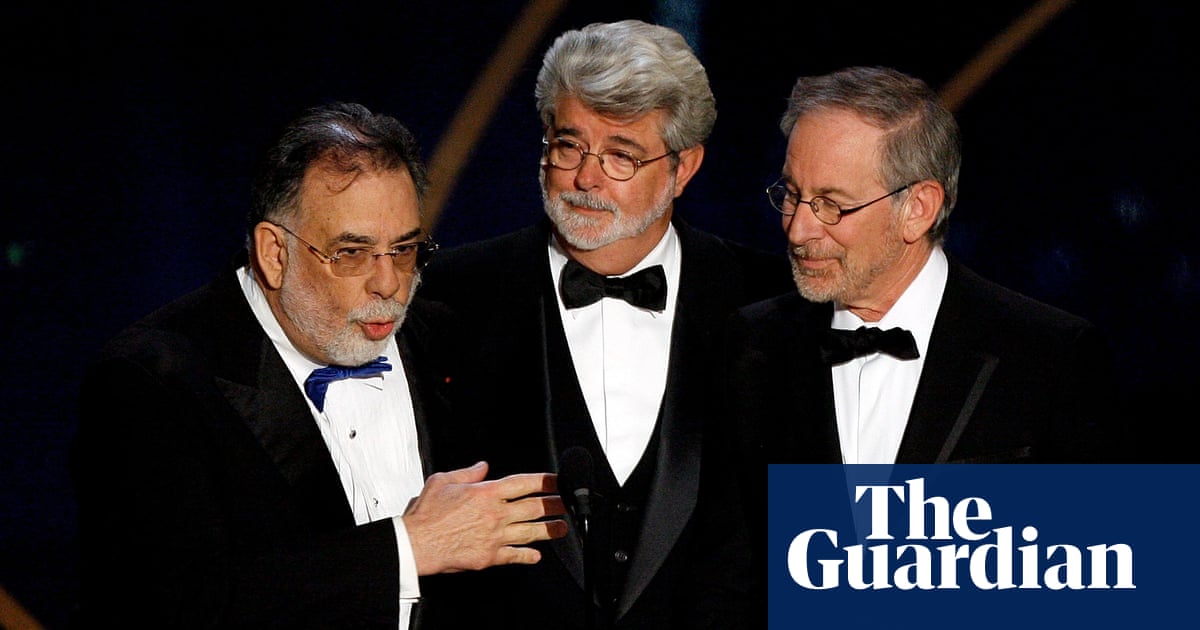
Critic Paul Fischer’s book pivots around a different emblematic moment: it’s 16 November 1977, and a private plane is carrying three of America’s megastar directors from LA to Washington DC for a reception, hosted by President Jimmy Carter and first lady Rosalynn, to honour the film industry. On board are Steven Spielberg, George Lucas and Francis Ford Coppola, aged respectively 30, 33 and 38 – too old to be movie brats, but very young indeed to be the demigods that they had become. Using the diary recollections of Coppola’s wife, the late Eleanor Coppola, who was also disconsolately aboard and feeling thoroughly shut out of the alpha male chatting and joshing, Fischer shows our three dishevelled deities dizzied and stunned and even weirdly depressed by their staggering global acclaim.