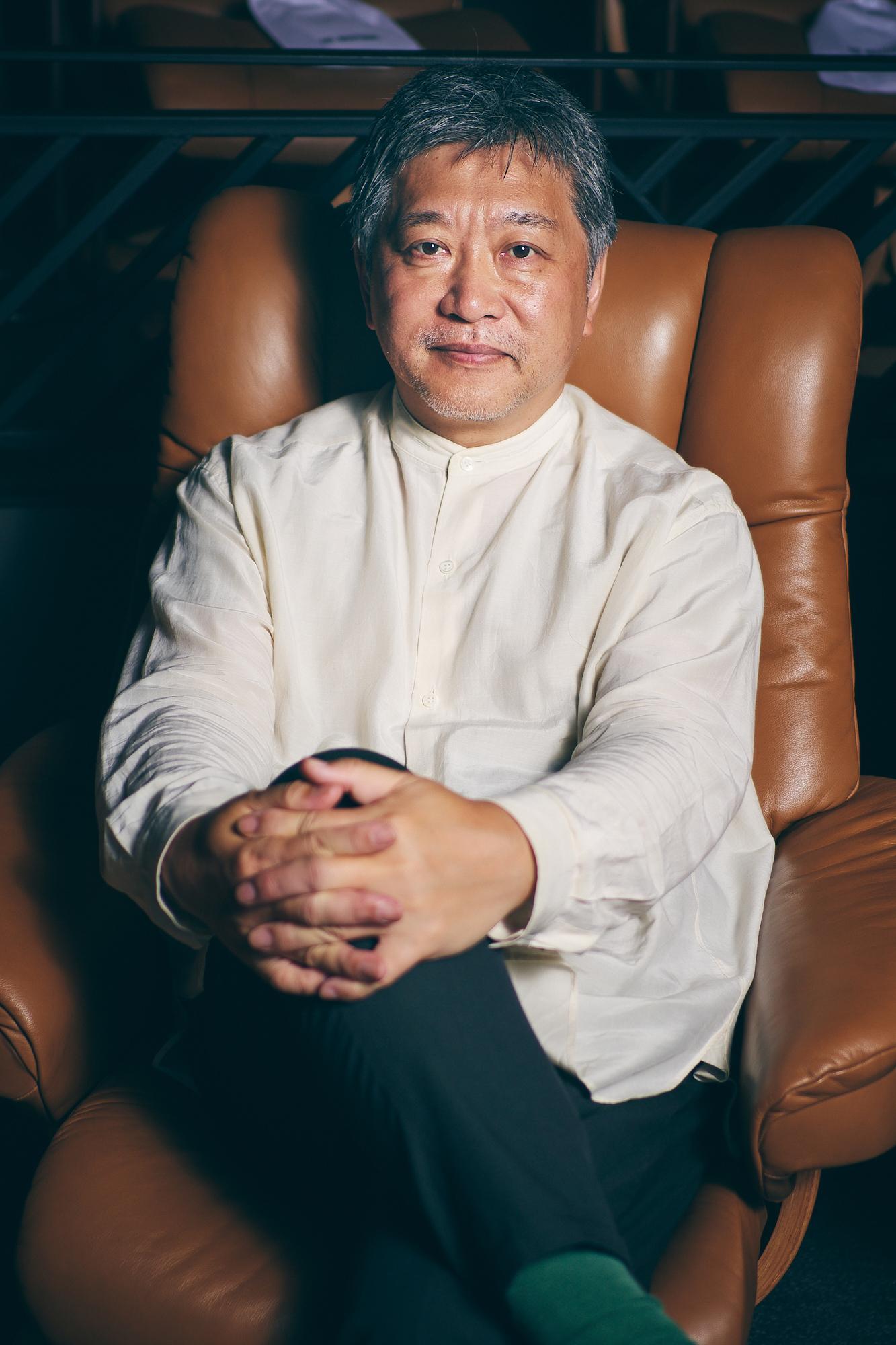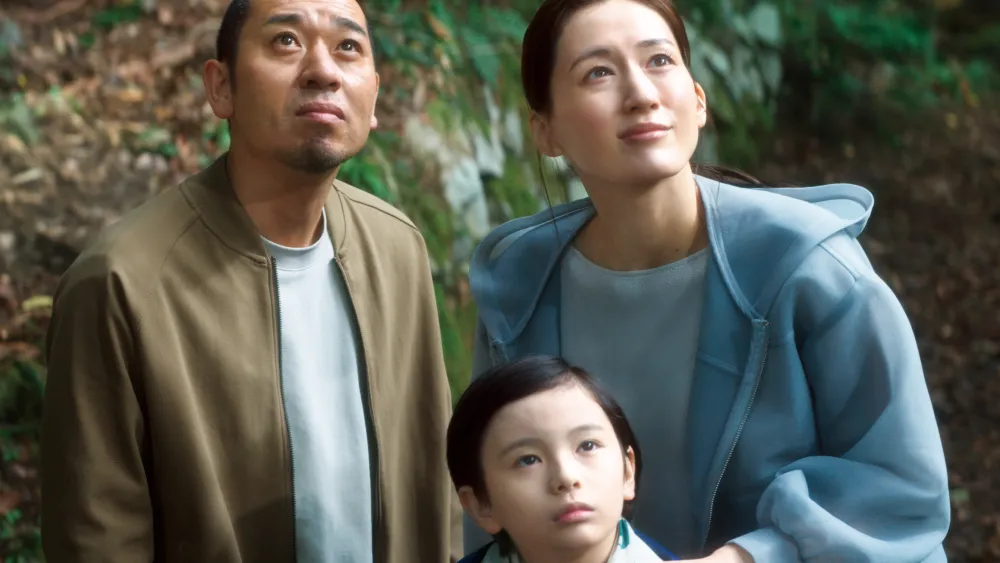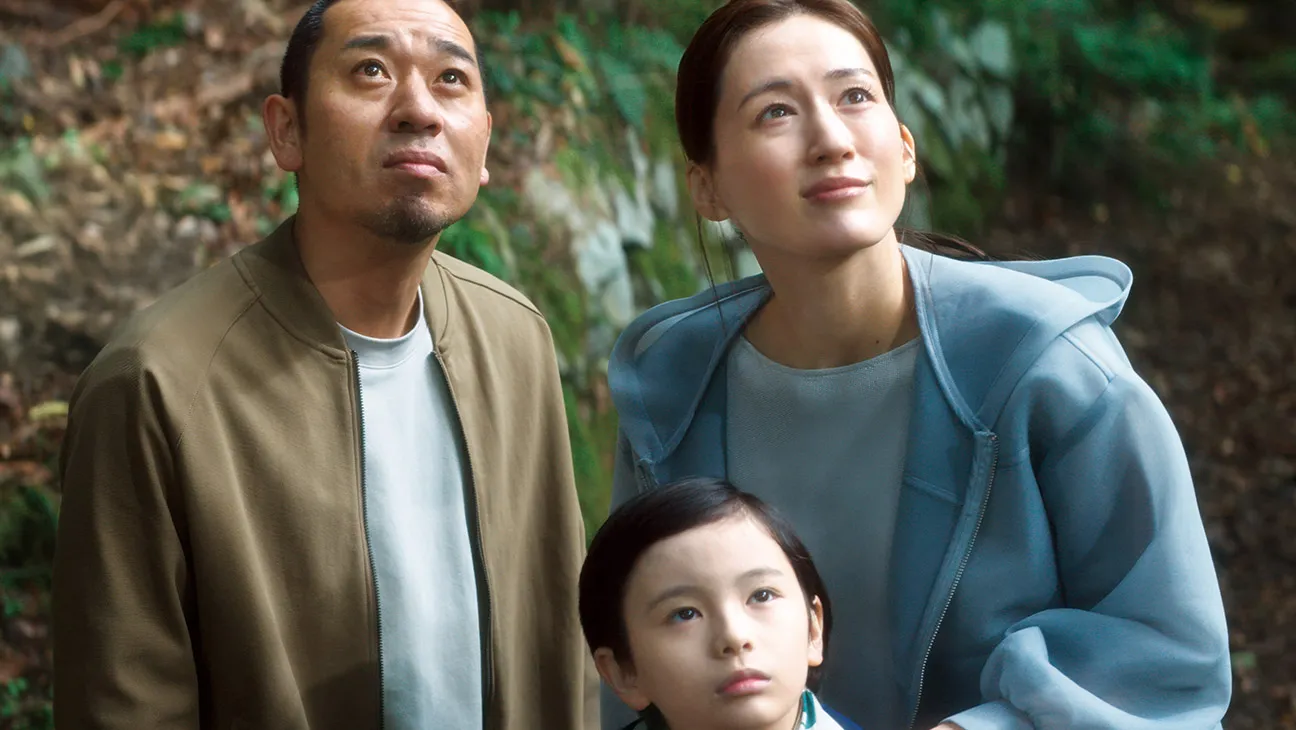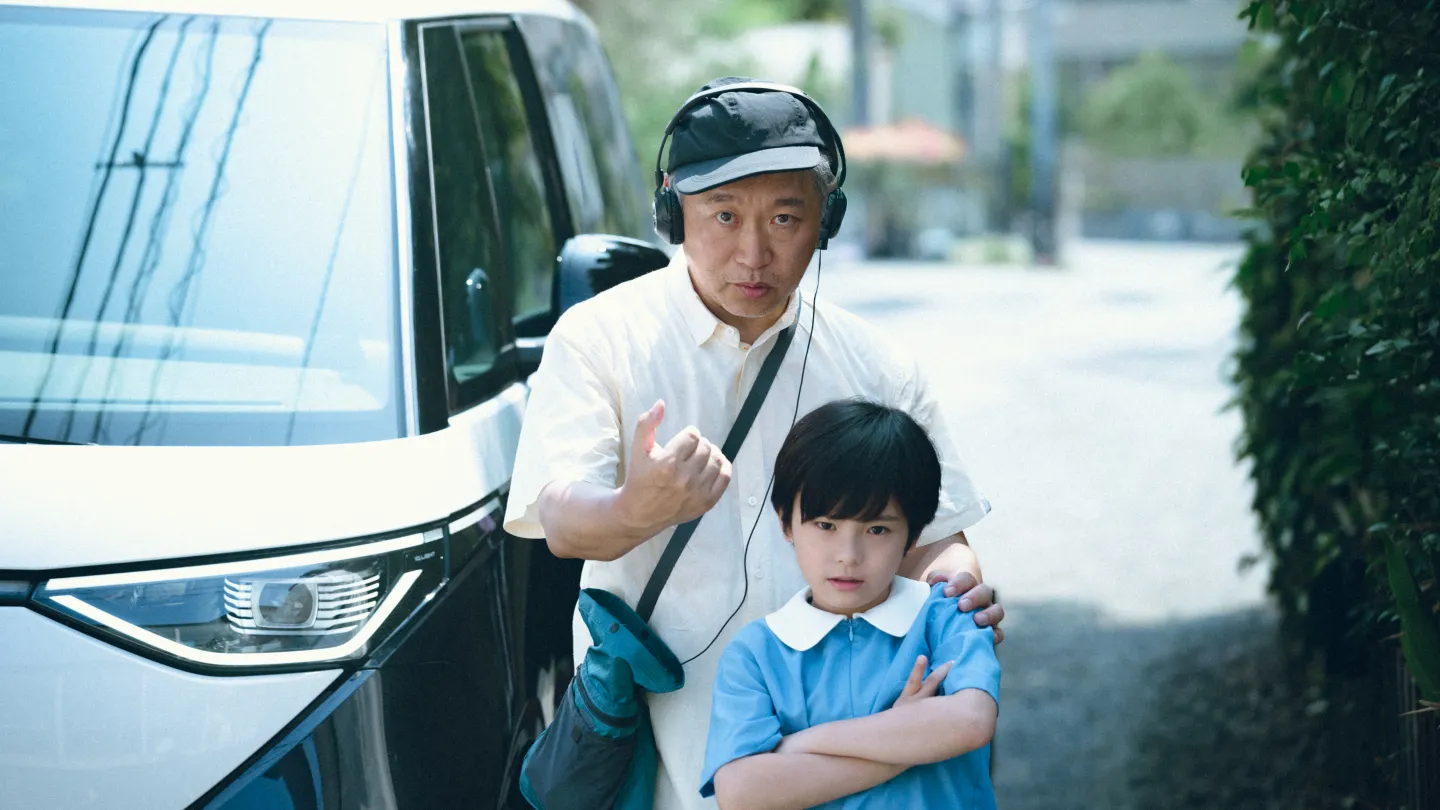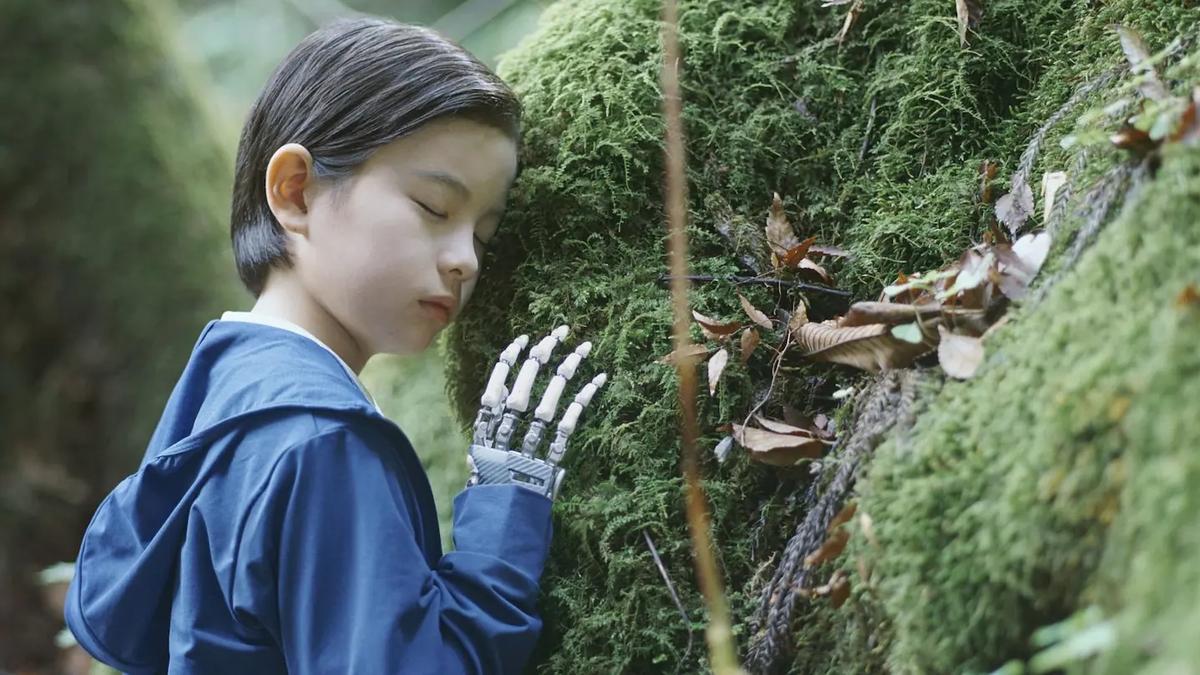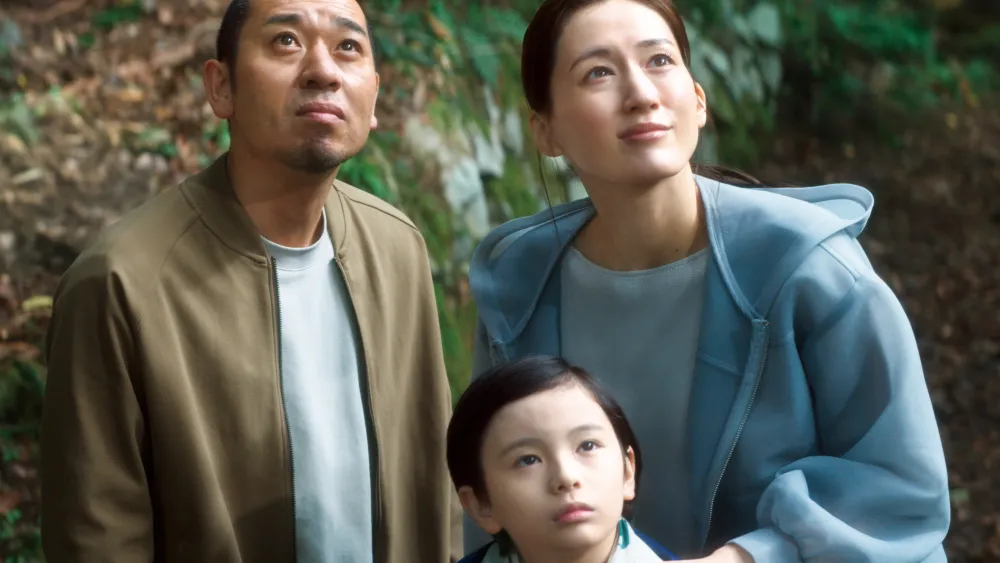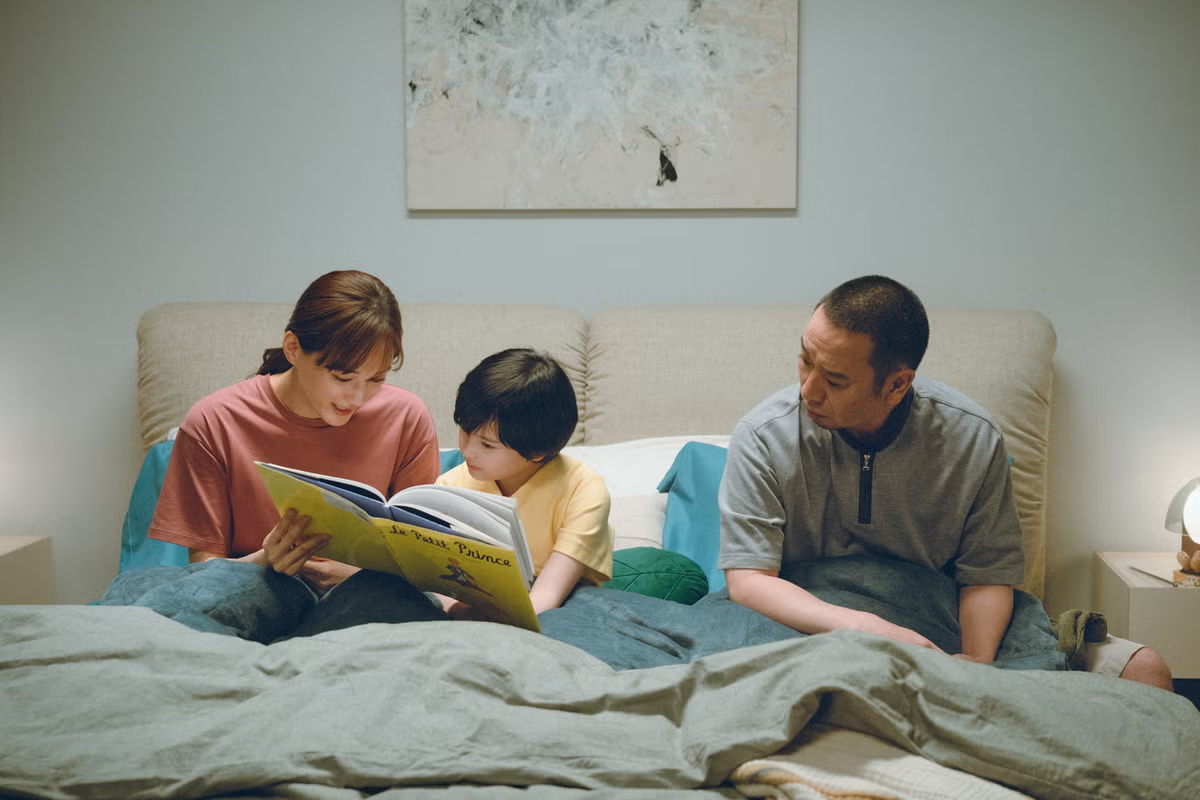
The 'Shoplifters' director on his first sci-fi feature and his enduring soft spot for Korea Director Hirokazu Kore-eda poses at a press conference for "Sheep in the Box" at Megabox Coex in Seoul on Thursday. (Yonhap) For most of his career, Hirokazu Kore-eda has spoken in glances and silences.His hallmark has been the naturalistic study of frayed, unlikely families — whether they be the left-behind kids of "Nobody Knows," the bereaved parents of "Still Walking," or the petty thieves living as kin in the Palme d'Or-winning "Shoplifters" — that silently hold together as much as they fall apart.The Japanese auteur's latest is a more speculative, high-concept proposition. "Sheep in the Box" steps right up to the AI anxieties of the moment, trading flesh-and-blood kin for a humanoid stand-in. Here's the pitch: Grieving parents Otone and Kensuke, two years out from losing their 7-year-old son Kakeru in a car accident, adopt a generative-AI replica of the boy: same face, same voice, same memories, built from old photos and videos.The film premiered last month at Cannes, where the director has been something of a fixture; it was his eighth time competing for the Palme d'Or. It now reaches Korean theaters less than two weeks after its Japanese opening."Korea is a country I have a special affection for," Kore-eda said Thursday at a press conference at Megabox Coex in Seoul. "I made a film here, and I have a lot of friends — crew, actors. To open this one in Korea, so close to the Japanese release, means a lot."There's history behind that sense of affinity. The director's Korean-language debut, "Broker" (2022), was a bittersweet drama about baby traffickers starring pop star-actor IU and "Parasite" character actor Song Kang-ho; the latter went on to win best actor at Cannes. His 2023 follow-up "Monster" was a sleeper hit here, drawing some 570,000 admissions through an extended run in arthouse theaters.Kore-eda, who said the idea for his latest film came from an article about a Chinese company using generative AI to revive the dead, flew to Shanghai to meet its founder and see the technology firsthand. The role of the humanoid robot in question went to Rimu Kuwaki, chosen from a field of more than 200 candidates."It's my first time in Korea, and I'm so happy to be here," the child actor said. "I want to go out and have lots of fun." A scene from "Sheep in the Box" (Next Entertainment World) The work itself turns out to be a trickier thing. At times, Kore-eda seems strangely bent on distancing himself from both the dystopian unease the premise invites and the anatomy of grief at its center, refusing to commit to either. Whether that ascetic, almost disengaged tone suits a setup this timely — with AI being the elephant in every room these days — is anyone's guess. It is almost as if the movie takes on the very inertness of the lifeless robot it's built around.Its ending is the closest "Sheep in the Box" comes to something approaching an emotional payoff, where the parting comes set to a soft, somewhat syrupy score. That farewell, the director said, was the point of the whole thing."It's not a 'they all lived happily ever after' ending," he said. "Kakeru is there and then he isn't — unseen, but felt going forward. I wanted to pass along that act of imagining. Please watch it, imagining the things you can't see.""Sheep in the Box" opens in Korean theaters Wednesday.
'Imagine the things you can't see:' Hirokazu Kore-eda on 'Sheep in the Box'
For most of his career, Hirokazu Kore-eda has spoken in glances and silences. His hallmark has been the naturalistic study of frayed, unlikely families — whethe
582 words~3 min read