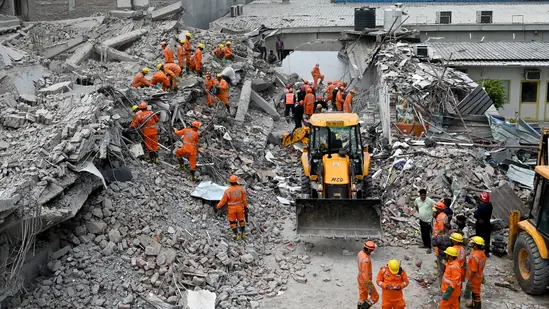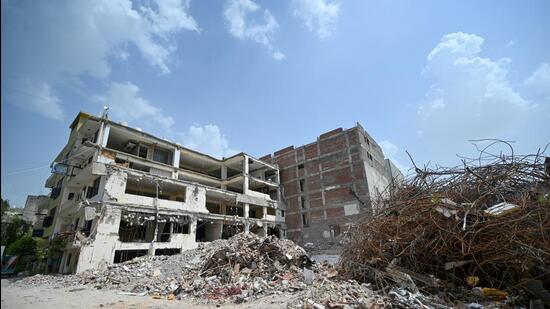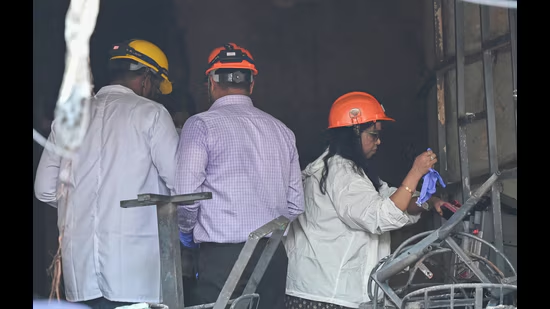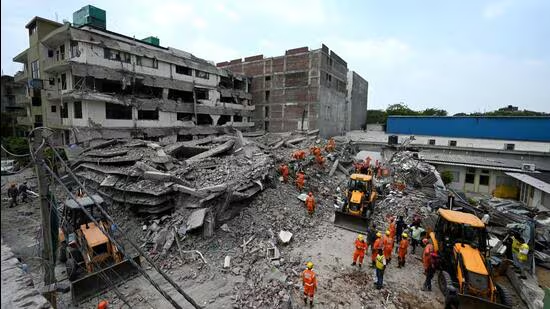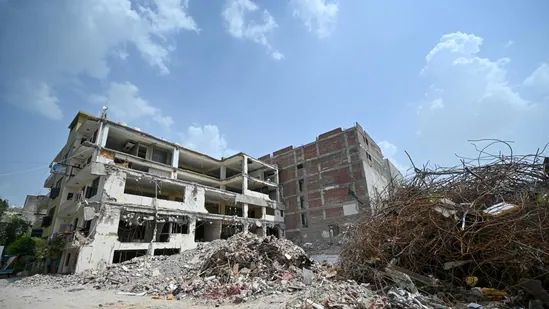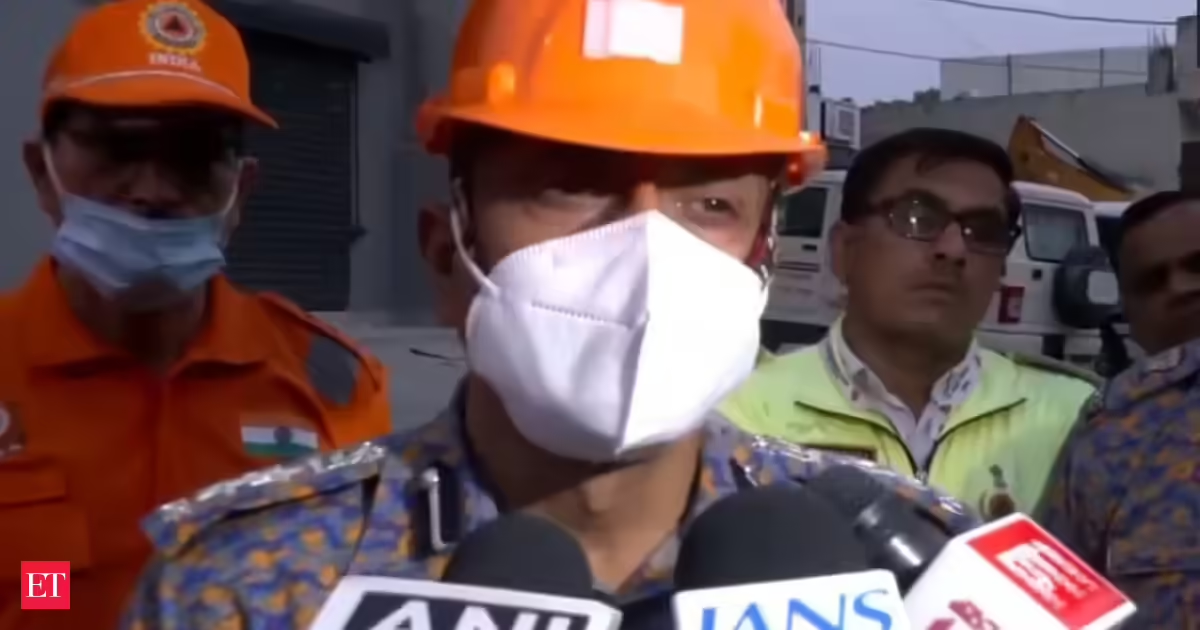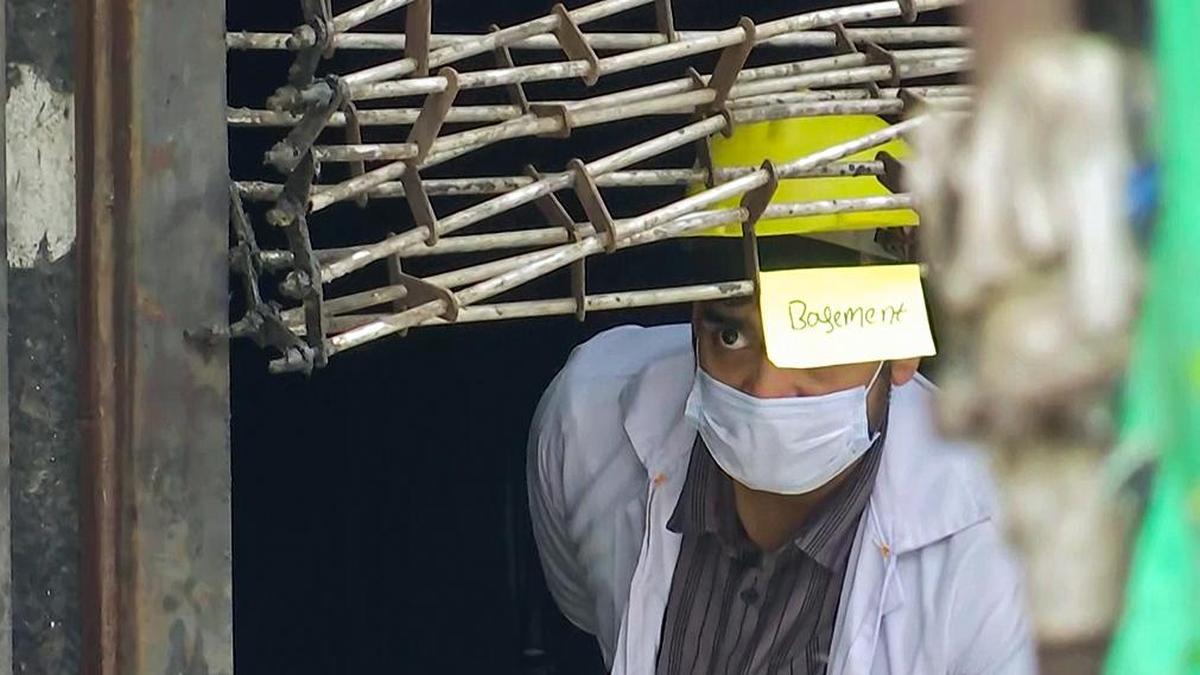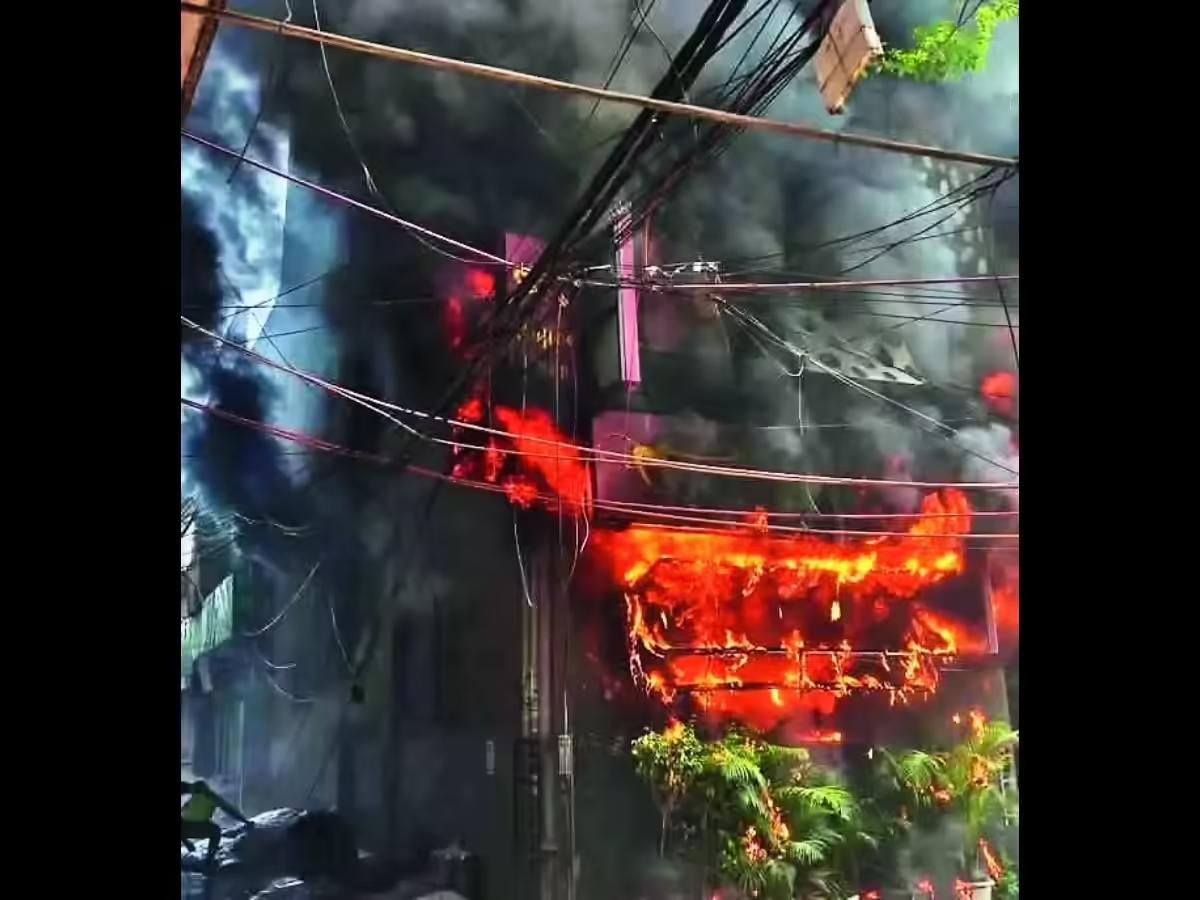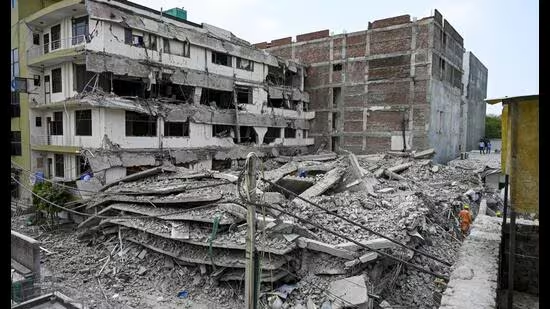
Delhi is experiencing déjà vu after the shocking building collapse in Saidulajab on Saturday, which claimed six lives. The tedious perfunctory reactions of political blame games, inquiries, suspensions, belated inspections, and the promises of action are all too familiar.Building collapses, along with fires, cause more deaths than any other disaster in Delhi. Staying invisible to regulators in broad daylight, hundreds of unauthorised colonies and urban villages are dotted with structures that flout rules. (PTI)Building collapses, along with fires, cause more deaths than any other disaster in Delhi. Staying invisible to regulators in broad daylight, hundreds of unauthorised colonies and urban villages — home to nearly half of the city’s residents — are dotted with structures that flout rules. The Saidulajab building, a four-storey structure with two additional floors under construction atop the existing ones, housed offices and co-working spaces. It was conspicuous to everyone except the municipal officials. Only now have they revealed that the building had no approved plans and no further construction was allowed because the neighbourhood was on agricultural land, violating zoning norms. Who is responsible for the deaths of students dining at the nearby eatery? Is it the building owner or municipal officials, who have made even fatal illegalities acceptable? Or the legislators, who keep regularising construction violations in the name of amnesty? It is convenient to penalise a mid-level staffer. This is exactly how the MCD evaded accountability for the 2010 Lalita Park disaster that killed 70 people — by imposing a fine of ₹21,000 on a junior engineer. There is no will to investigate the fountainhead of illegal compromises made at the cost of people’s lives.The state’s failure to provide affordable public housing created an illegal market for cheap but structurally unsafe residential and commercial buildings. Unplanned areas are estimated to account for over 60% of Delhi. A special law passed by Parliament provides protection for construction completed by June 2014 in 1,799 unauthorised colonies. No fresh construction was permitted here after this deadline but it continues unabated. Regularisation drives, acknowledging the citizen’s right to housing, can’t override structural safety in a city like Delhi that sits in seismic zone IV. Civic bodies conduct annual inspections during the pre-monsoon months to identify dangerous buildings in the city. Only a visibly tilted or cracked building is inspected from the inside. Unsurprisingly, many structures that eventually collapse are not included in the list they compile.Delhi can only be safe asserting zero tolerance for any violations. Achieving this will require the expertise of structural engineers and planners, the participation of residents, and, above all, sustained administrative and political will.
Invisible, illegal buildings
There is no will to investigate the many illegal compromises made at the cost of people’s lives
432 words~2 min read