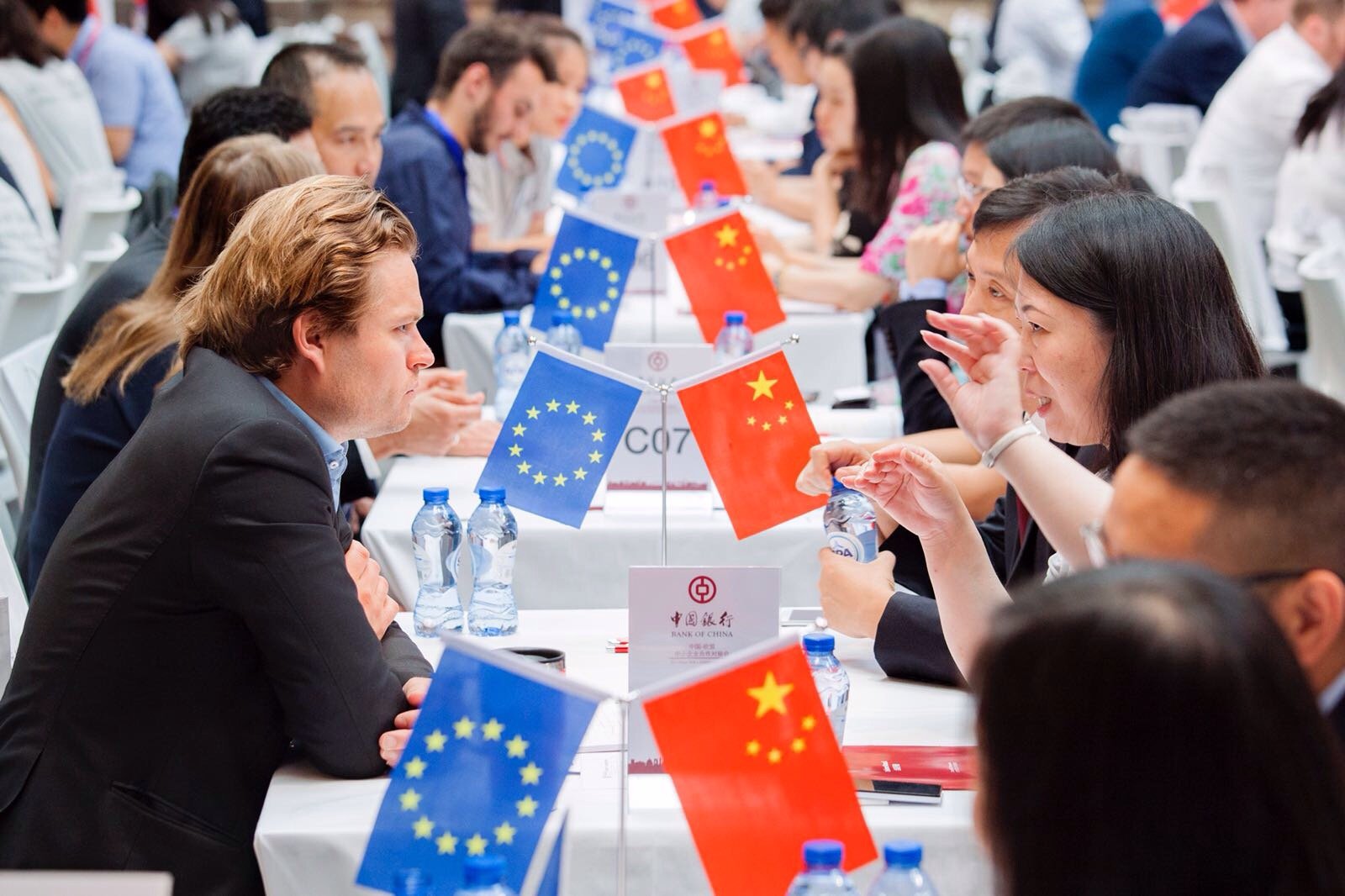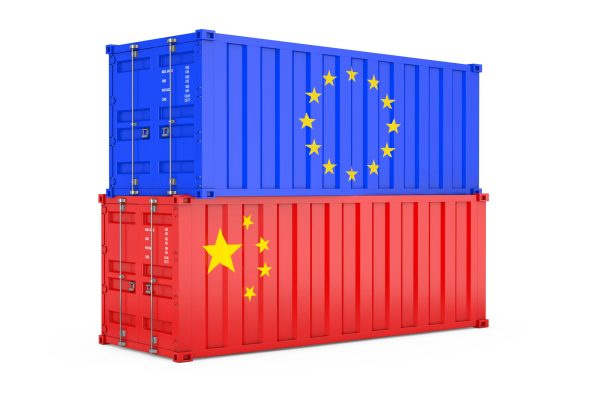
European companies in China may have reached an inflection point, with business confidence showing signs of improvement for the first time in five years. The latest survey published by the European Union Chamber of Commerce in China (European Chamber) revealed that 68 percent of the respondents found that “doing business in China had become more difficult” – a high figure, yet notably a 5 percentage point decline year-on-year. Similarly, the proportion of firms reporting increased politicization fell by 5 percentage points to 47 percent.
Other indicators also trended positively: optimism regarding the two-year profitability outlook rose to 17 percent, while the share of companies missing opportunities due to regulatory or market access barriers dropped by 9 percentage points to 54 percent.
Chinese companies operating in the EU, however, have been increasingly targeted by new EU regulatory proposals in 2026, notably the proposal for a revised Cybersecurity Act (CSA2), the Industrial Accelerator Act (IAA), and the debate on May 29 on a reportedly French-led policy paper supported by Lithuania, Italy, and the Netherlands. The controversial initiative called for a more comprehensive instrument to address what some European leaders see as China’s overcapacity and the EU’s external dependencies in strategic sectors.