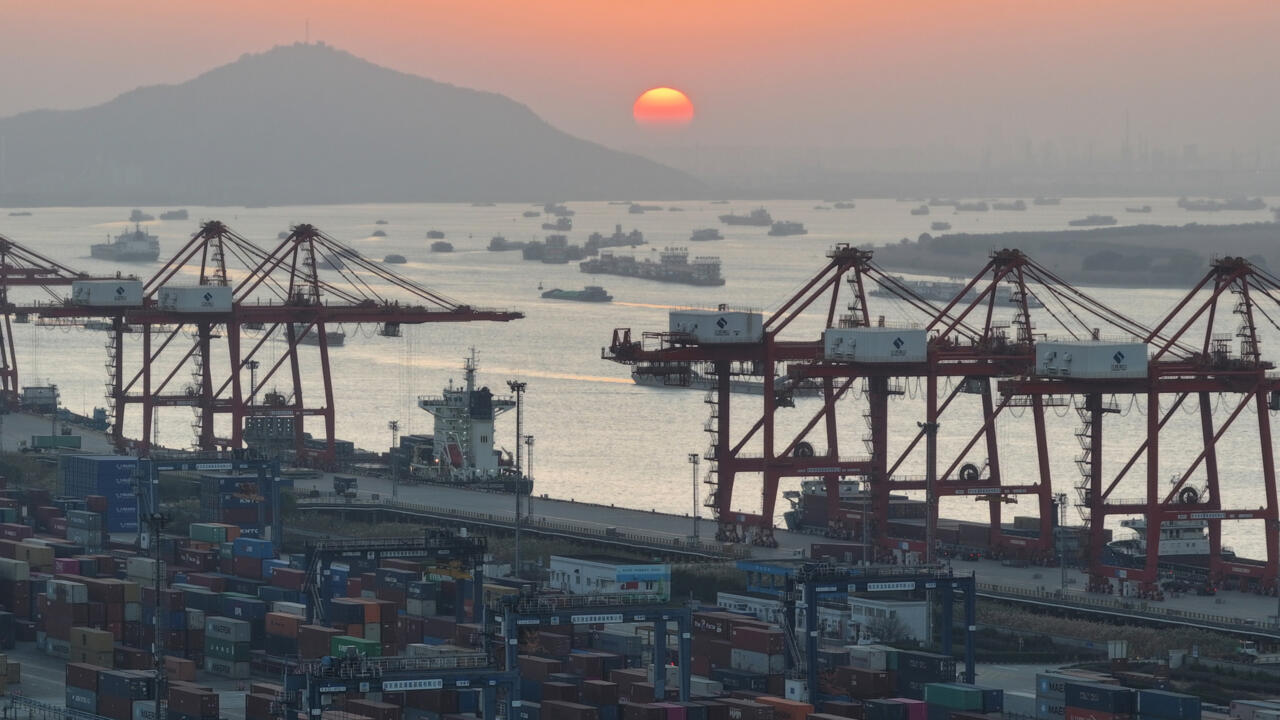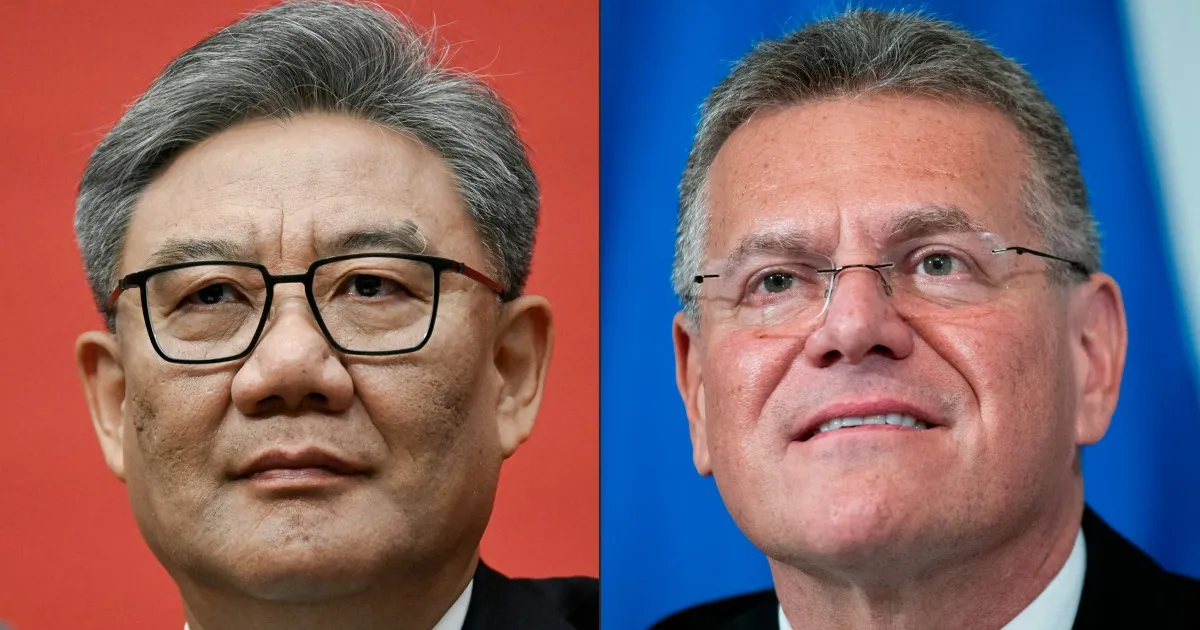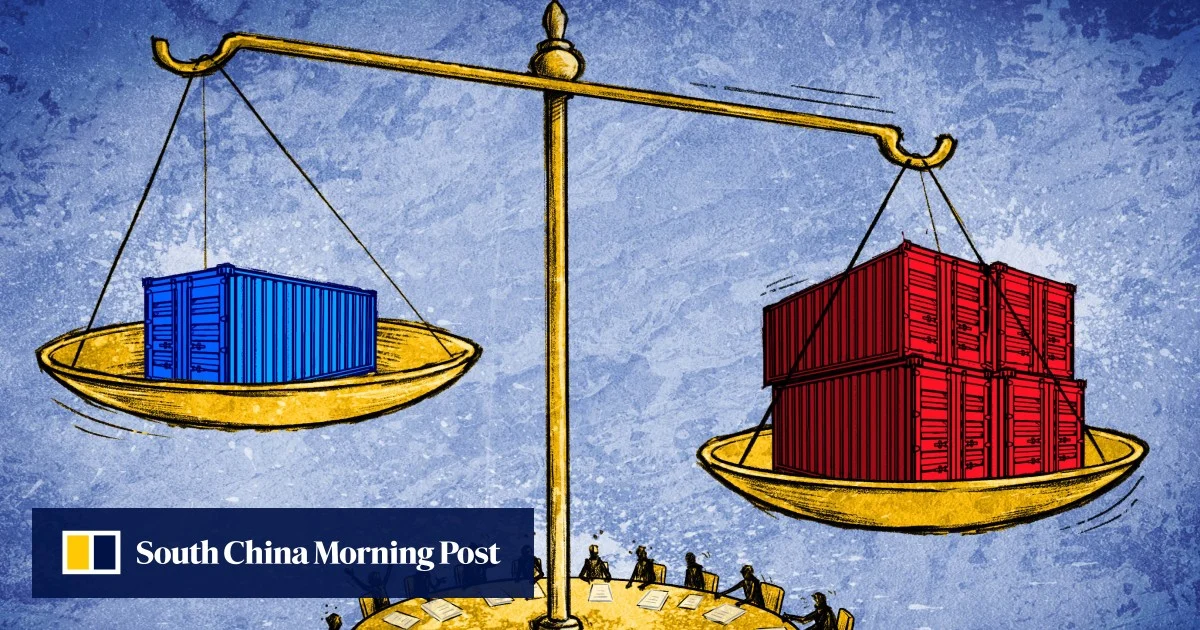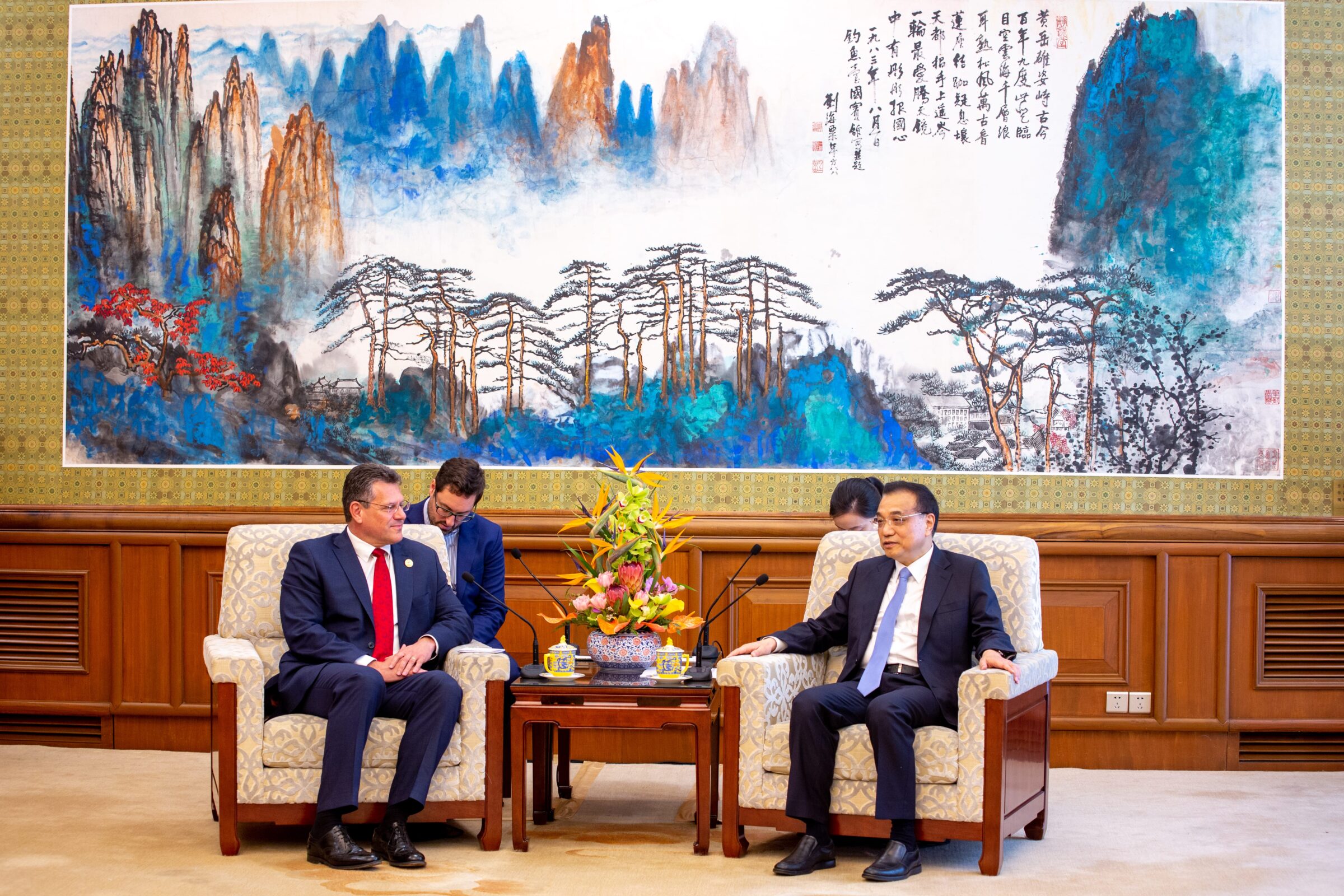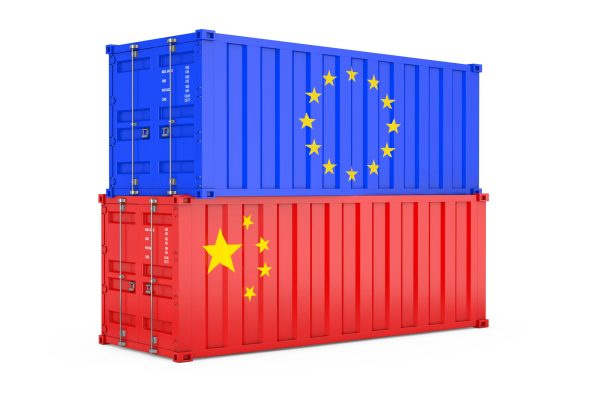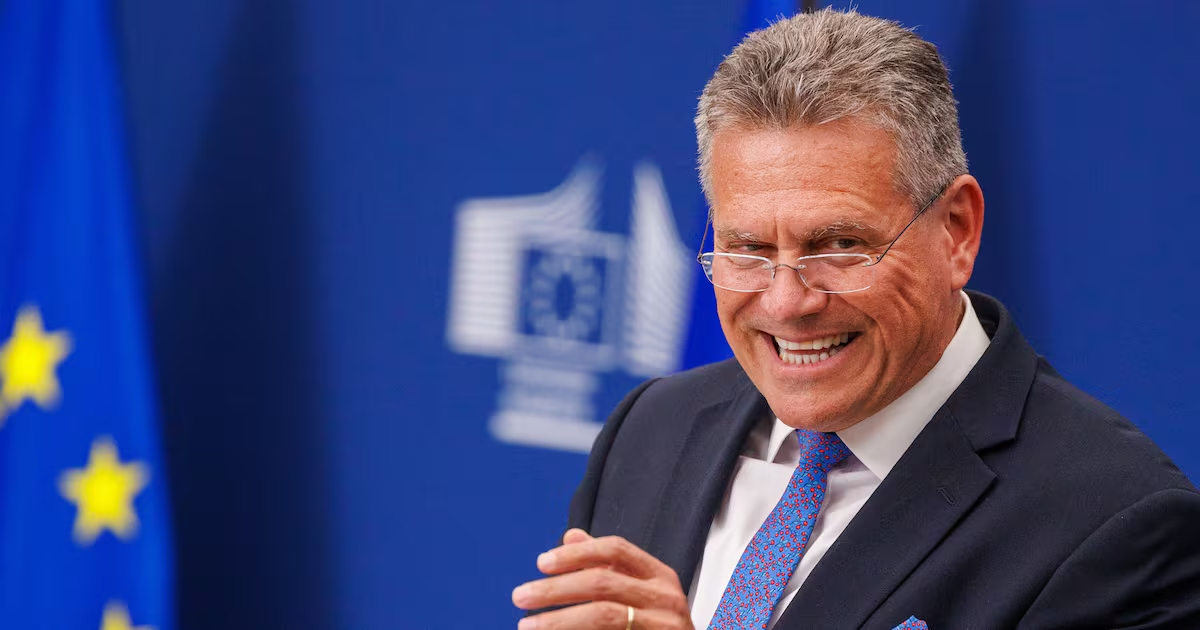
When EU Trade Commissioner Maroš Šefčovič met Chinese Commerce Minister Wang Wentao in Brussels on June 29, the encounter could easily be read as another episode in Europe’s growing anxiety over Chinese economic pressure. In 2025, China’s goods trade surplus with the EU reached roughly 360 billion euros, and by early 2026 the imbalance was still widening. Šefčovič himself warned after the Brussels talks that rising Chinese exports to Europe, combined with shrinking European market share in China, were “not sustainable.”
Yet the meeting also revealed why Europe’s China debate is about more than trade. The new EU-China consultation mechanism was not limited to market access or the bilateral trade deficit. According to the European Commission, both sides also discussed export controls, intellectual property rights, and WTO reform. The disagreement, then, is not only technical trade issues, but about who gets to define the rules under which interdependence operates.
This is why China’s rise produces a kind of anxiety that cannot be explained through power politics alone. Europe has long understood itself not merely as a participant in global governance, but as one of its principal authors. This can be seen through the EU’s 2016 Global Strategy, where it defines its international role through democracy, human rights, multilateralism, international law, and the defense of a rules-based global order.