EU-China relations are being defined in two very different ways at the same time.
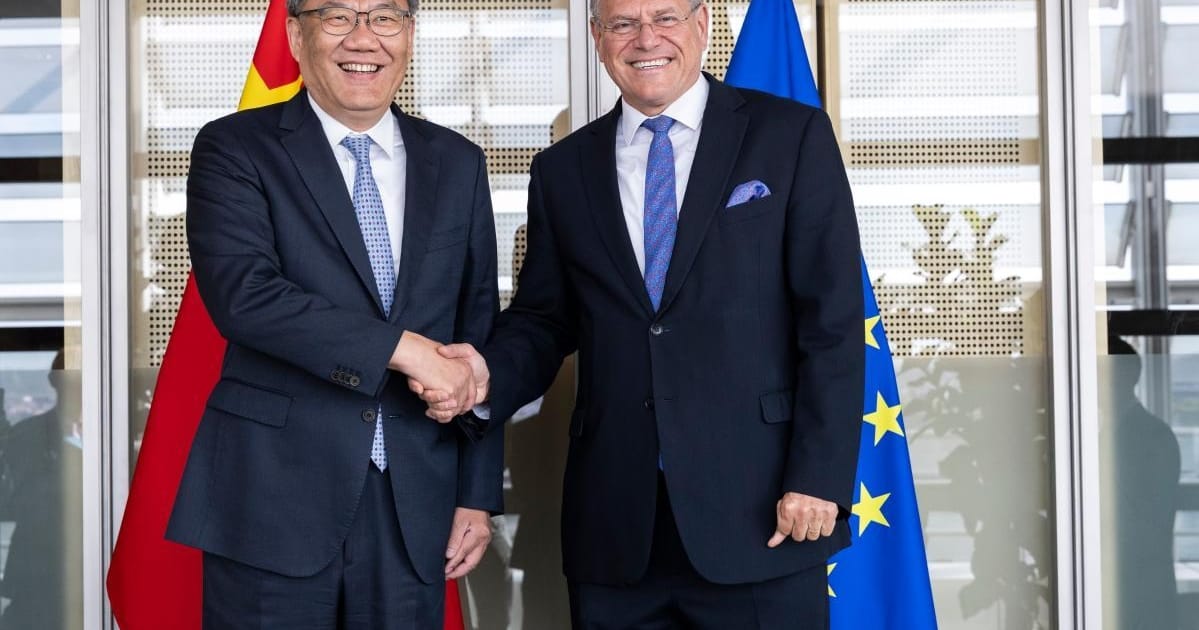
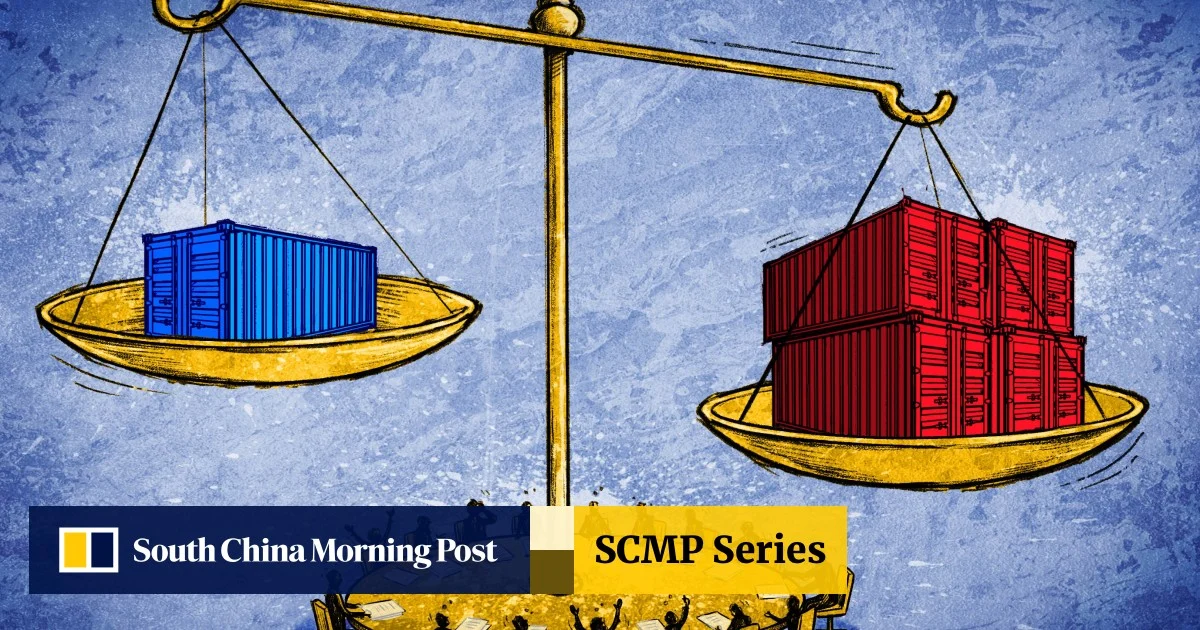
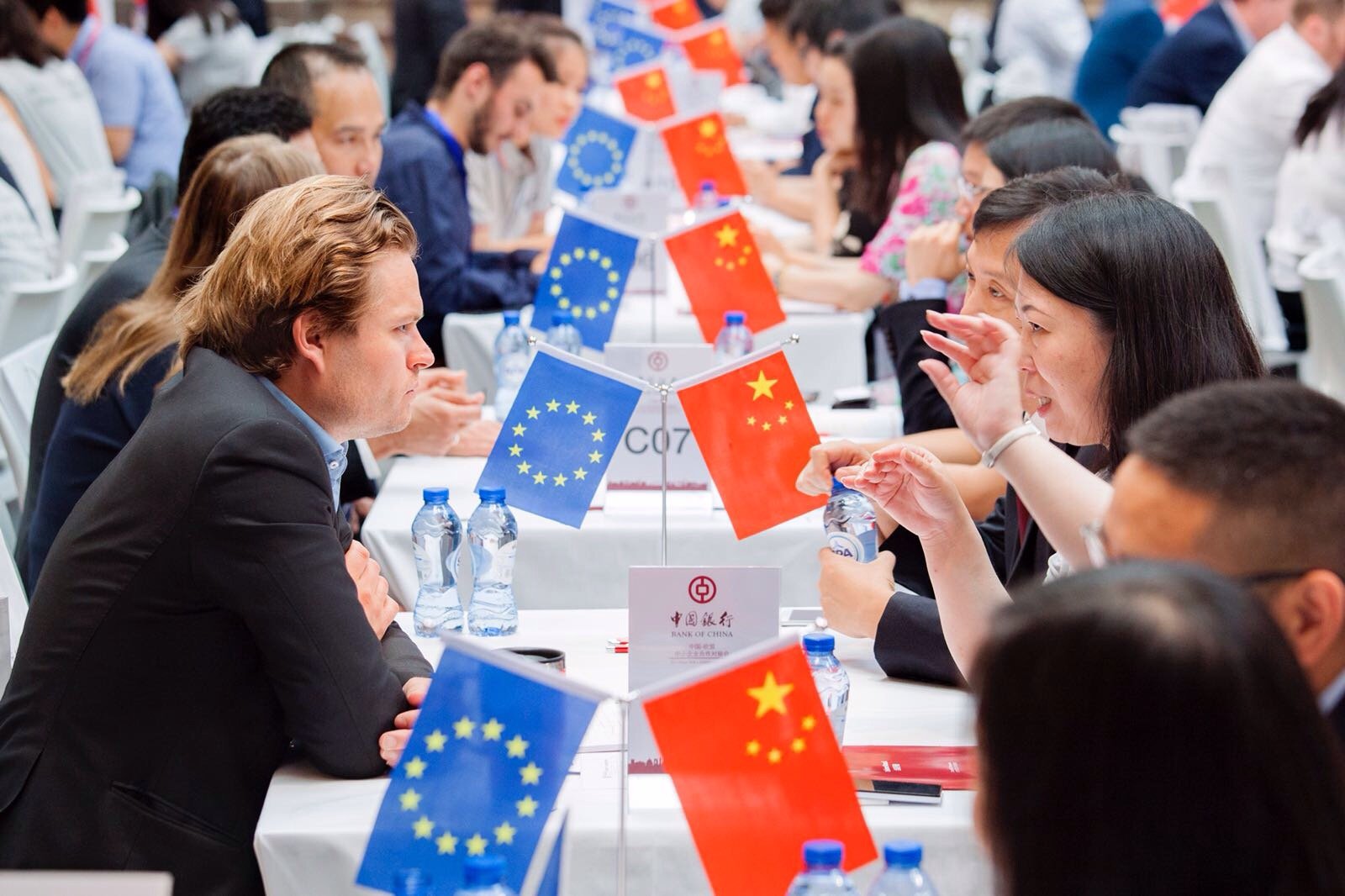
On June 29, during Chinese Commerce Minister Wang Wentao’s visit to Brussels, the EU and China reached a mutually agreed new definition of their economic relations – “stable and balanced key trading partners.” To give substance to the term, the two sides launched a trade and investment consultation mechanism (TIC), which consists of trade and investment balancing, export controls, intellectual property rights, and WTO reform. This new definition has since appeared multiple times in Chinese outlets and official statements, including People’s Daily, the Ministry of Commerce, and the Chinese readout of Dutch Trade Minister Sjoerd Sjoerdsma’s visit to China.
Yet almost at the same time, a much harder definition was emerging from the European security debate. In the European Council’s latest official “assessment of the EU’s strategic environment,” China is described as “a critical long-term strategic challenge,” and a “crucial enabler for Moscow” in the Ukraine conflict. This paper was endorsed by EU member states’ ambassadors on July 8 and reportedly adopted at the Foreign Affairs Council (FAC) on July 13.
The assessment is an update to the EU’s threat assessment since 2022, in which China was still characterized in line with the European Commission’s 2019 definition: “a partner for cooperation, an economic competitor and a systemic rival.”