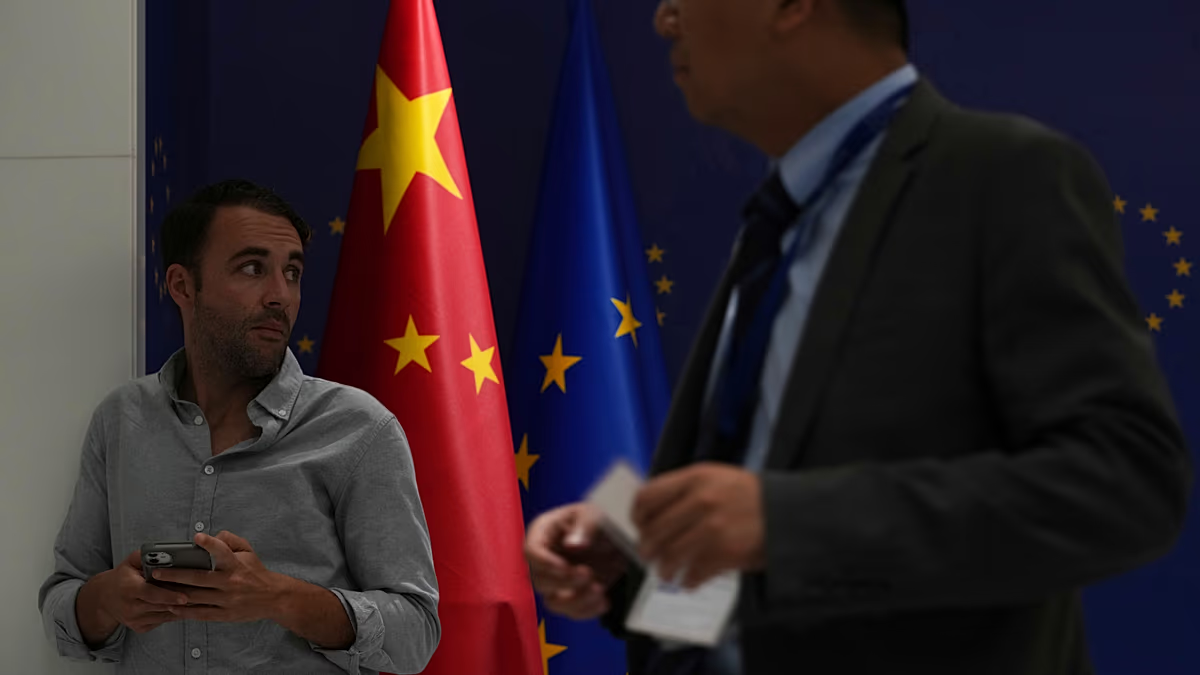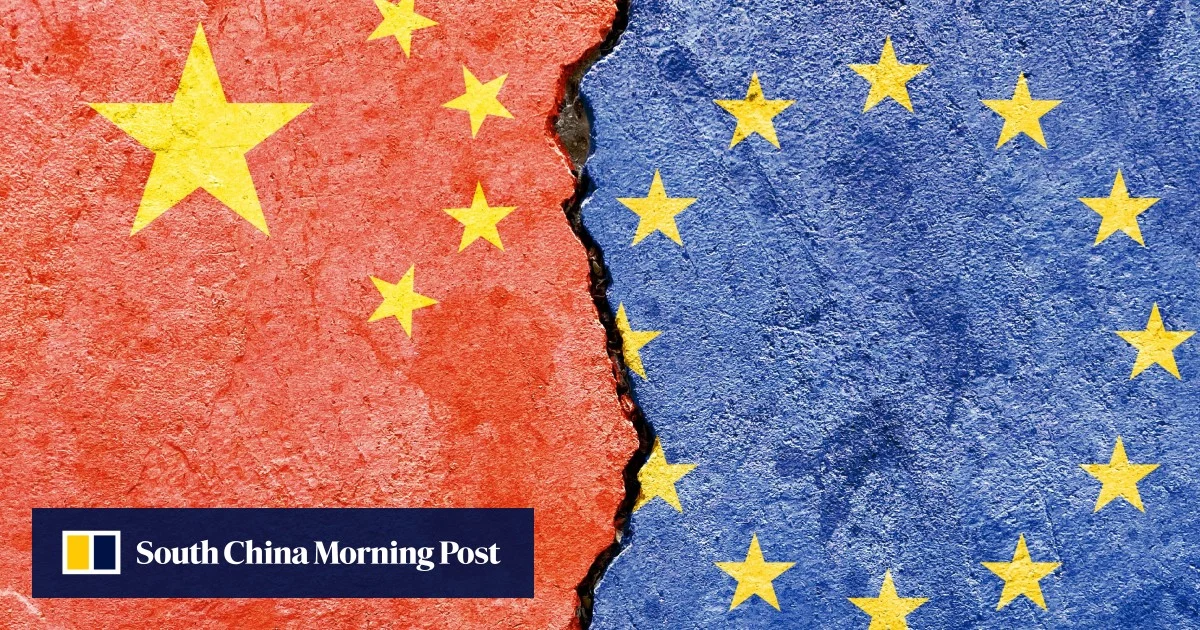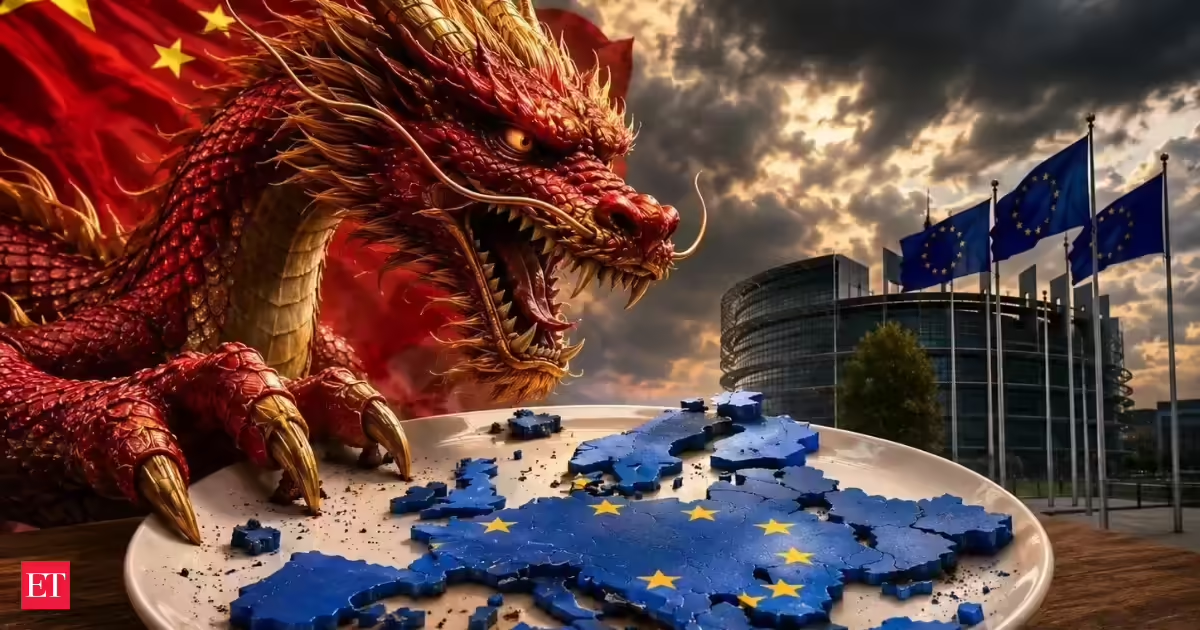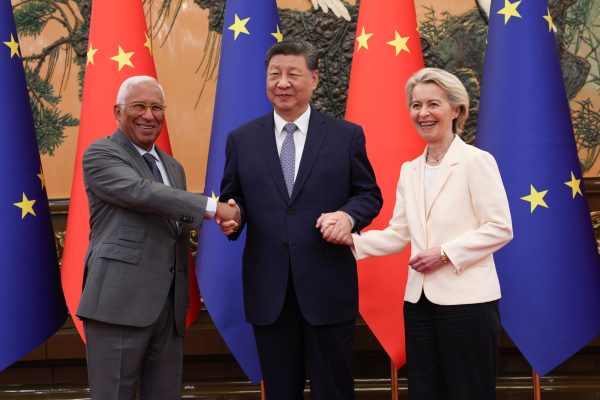
Europe’s China policy is stuck in a strategic dead end. Instruments aimed at reducing asymmetric dependencies, strengthening competitiveness, and building economic resilience either already exist or are currently developed. But the impression is building that these policy measures are too little, too late. At the same time, the European Commission lacks a sustained strategic engagement with China at the highest political level. Instead, Europe’s approach to Beijing is increasingly defined by ad hoc reactions.
A fragmented and sporadic policy that fails to focus on the bigger picture is ill-suited to the strategic challenge posed by China – particularly when China represents the only power alongside the United States that has the capacity to shape the international order of the 21st century. Too often, Brussels’ diplomacy toward Beijing still appears driven primarily by crisis management.
This dynamic has generated growing frustration. Because European interests often fail to gain meaningful traction in China, disappointment has spread across EU institutions, reinforcing a broader reluctance among European policymakers to engage with Chinese counterparts at all.
Yet this stands in stark contrast to the level of political attention the relationship requires. The problem runs much deeper than Brussels often acknowledges. It is not simply about trade deficits, industrial subsidies, or export controls. At its core, the current impasse is also about symbols and language: Europe and China have, in many ways, forgotten how to speak to one another.