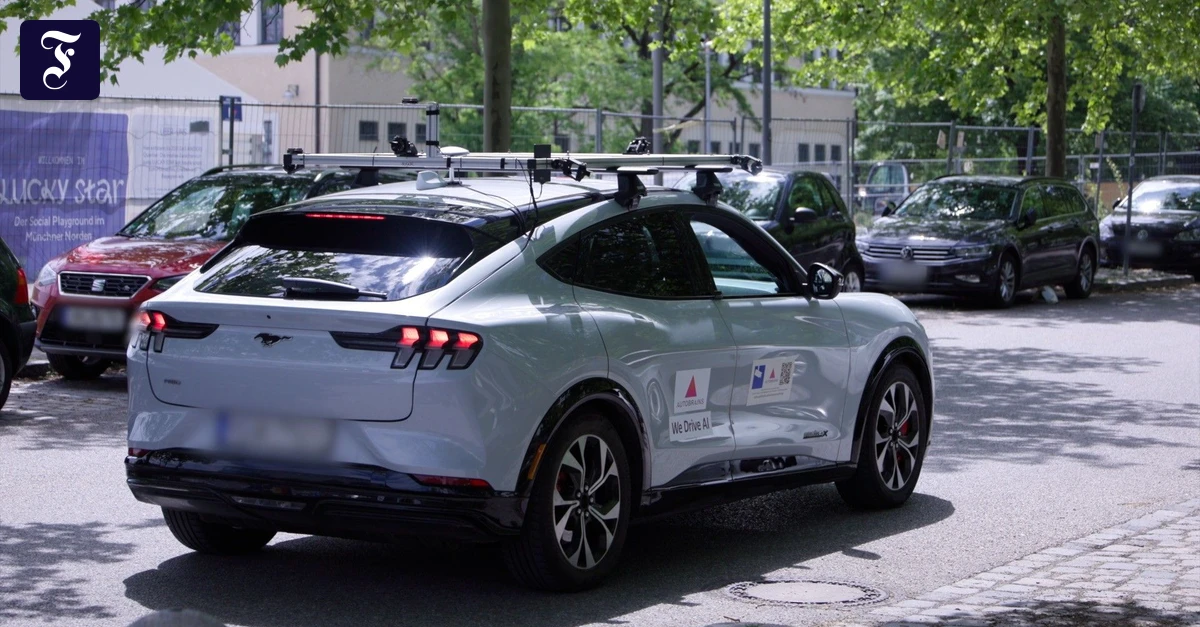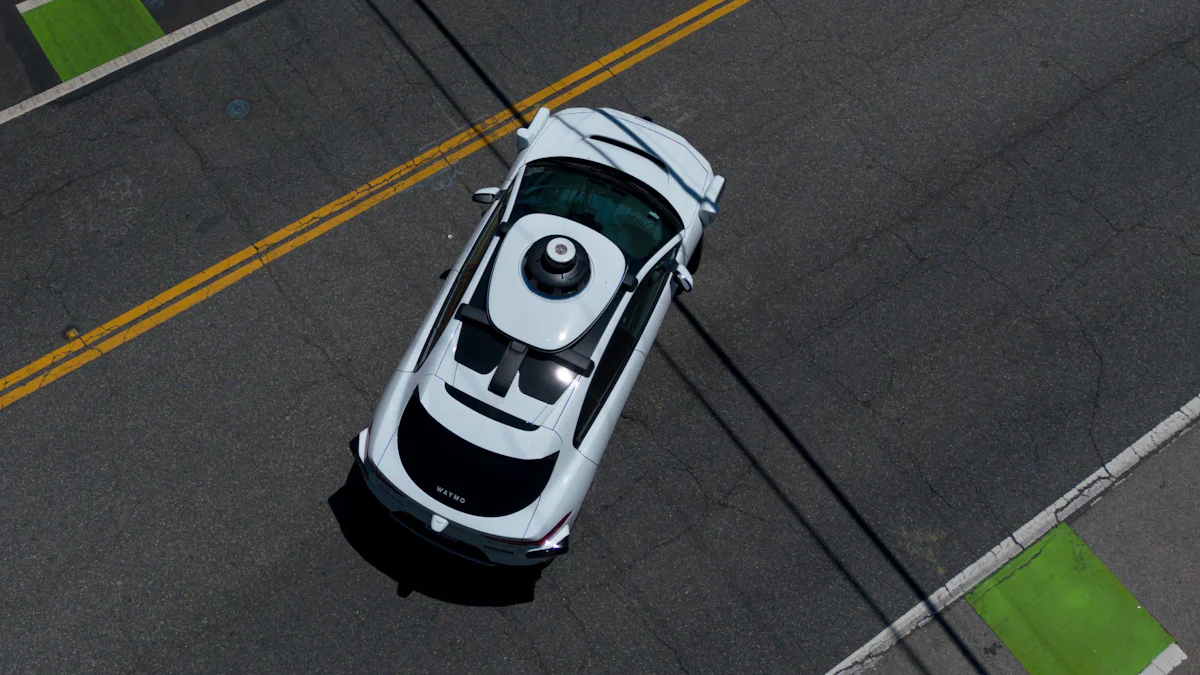
The companies said Munich will serve as the first deployment city for an OEM-agnostic autonomous ride-hailing model that can scale across multiple vehicle platforms and markets.Autobrains’ technology is designed to operate on standard automotive sensors and compute systems, aiming to reduce deployment costs and improve scalability.Executives from Uber, Autobrains and NVIDIA said the partnership combines autonomous driving software, AI compute infrastructure and Uber’s ride-hailing network to support commercial robotaxi operations.UBER Technical Analysis: Trend, Moving Averages And MomentumUber stock rose 1.42% in Monday’s premarket session as improving risk appetite supported large-cap growth stocks. Nasdaq futures gained 0.27%, while S&P 500 futures advanced 0.24%.Despite the premarket gain, Uber’s longer-term trend remains weak. At $71.40, the stock trades 14.7% below its 200-day simple moving average of $83.69. That keeps the broader outlook cautious.The stock also remains below key shorter-term trend indicators. Uber is trading 3.7% below its 20-day SMA of $74.09 and 3.3% below its 50-day SMA of $73.81. As a result, the recent rebound has not yet reclaimed important technical levels.The moving-average setup sends mixed signals. The 20-day SMA remains above the 50-day SMA, which suggests some near-term strength. However, the 50-day SMA is still below the 200-day SMA following a death cross that formed in January. This pattern often limits upside until a stronger base develops.That technical backdrop reflects the stock’s weak performance over the past year. Uber shares are down 15.83% over the last 12 months, and recent rallies have struggled to gain traction.Momentum indicators also remain cautious. The moving average convergence divergence (MACD) indicator is below its signal line, while the histogram remains negative. This suggests bullish momentum is fading.In simple terms, MACD measures the relationship between short-term and long-term price trends. When the indicator falls below its signal line, it often signals slowing momentum rather than accelerating gains.
What's Going On With Uber Stock Monday? - Uber Technologies (NYSE:UBER)
Uber and Autobrains plan a Munich robotaxi launch using Agentic AI and NVIDIA DRIVE Hyperion, aiming to scale autonomous ride-hailing.
503 words~2 min read