The ride-hailing company is betting that Germany’s automotive heartland, and a less sensor-heavy approach to autonomy, can finally make robotaxis scale in Europe.
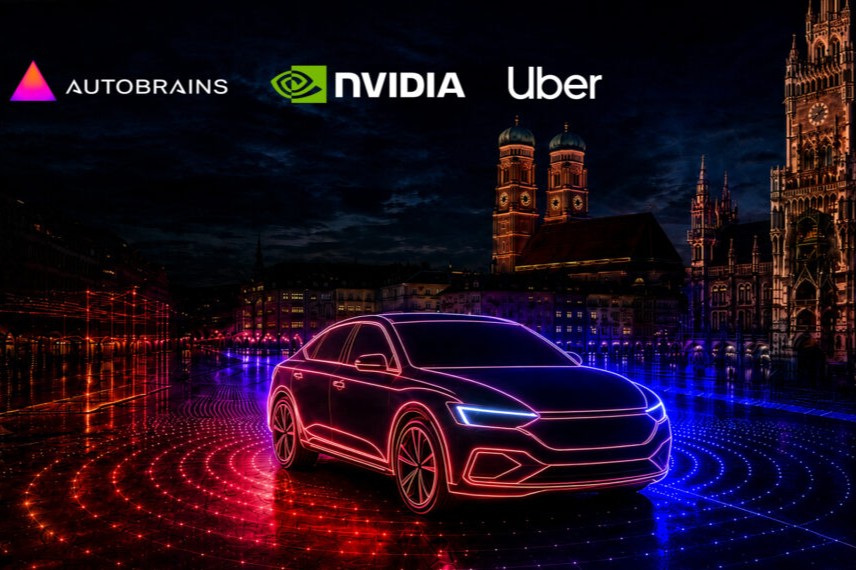
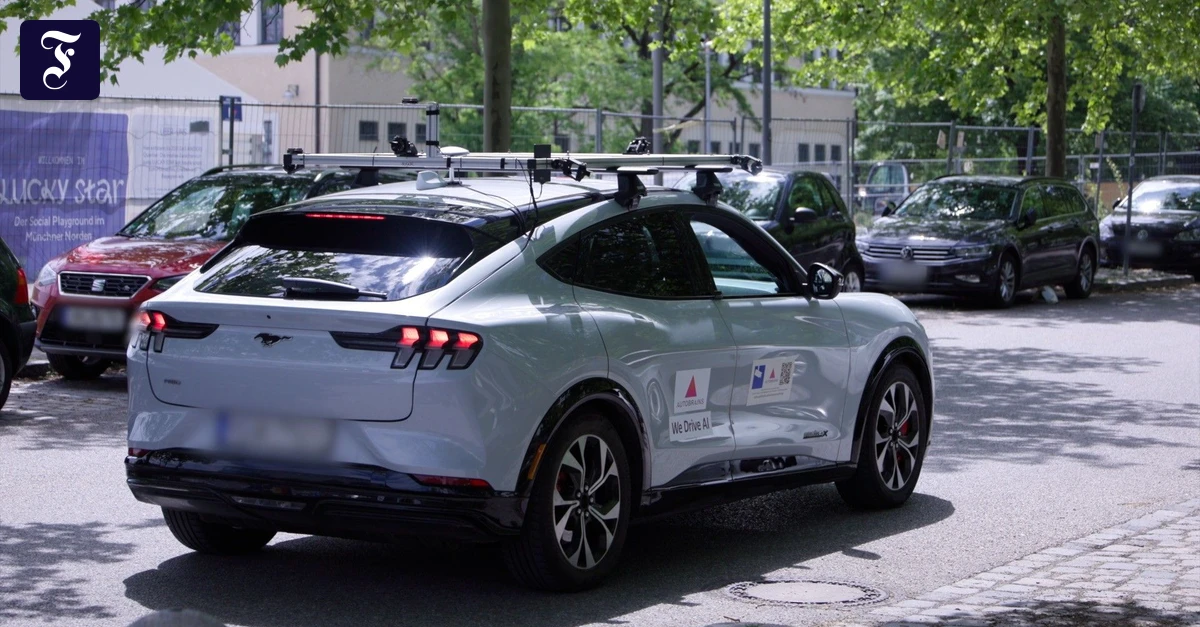
Munich is about to become a test of a particular theory: that the cheapest way to put a driverless taxi on a European street is to stop building special cars for it. Uber said on Sunday that it will launch a robotaxi programme in the German city alongside Autobrains, an Israeli autonomy firm, with the vehicles running on Nvidia’s DRIVE Hyperion platform.
The announcement was made at Nvidia’s GTC conference in Taipei, and the deployment is contingent on German regulatory approval.
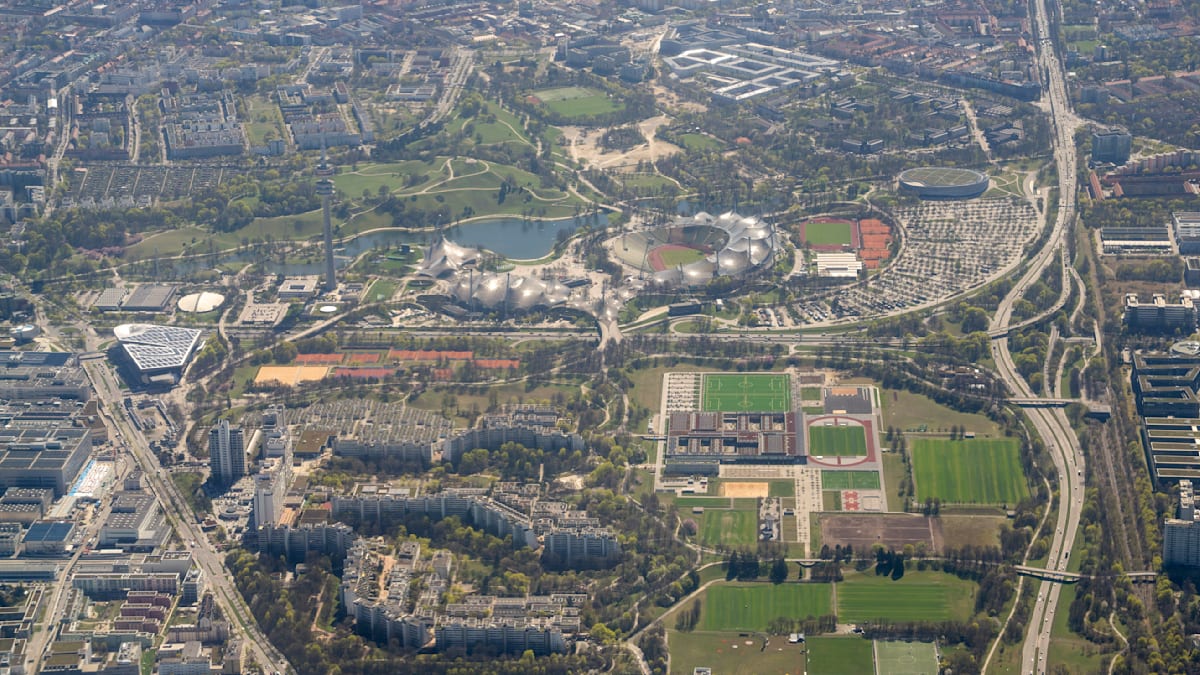
The choice of city is not incidental. Munich is the home of BMW and a dense cluster of suppliers, and it offers the mix Uber says it wants: tight inner-city streets, fast ring roads, and what the company politely calls “a thoughtful German regulatory framework.”
Germany has had federal rules permitting driverless vehicles in defined operating areas since 2021, which makes it one of the few European markets where a Level 4 service is a paperwork problem rather than a legal impossibility.The 💜 of EU techThe latest rumblings from the EU tech scene, a story from our wise ol' founder Boris, and some questionable AI art. It's free, every week, in your inbox. Sign up now!