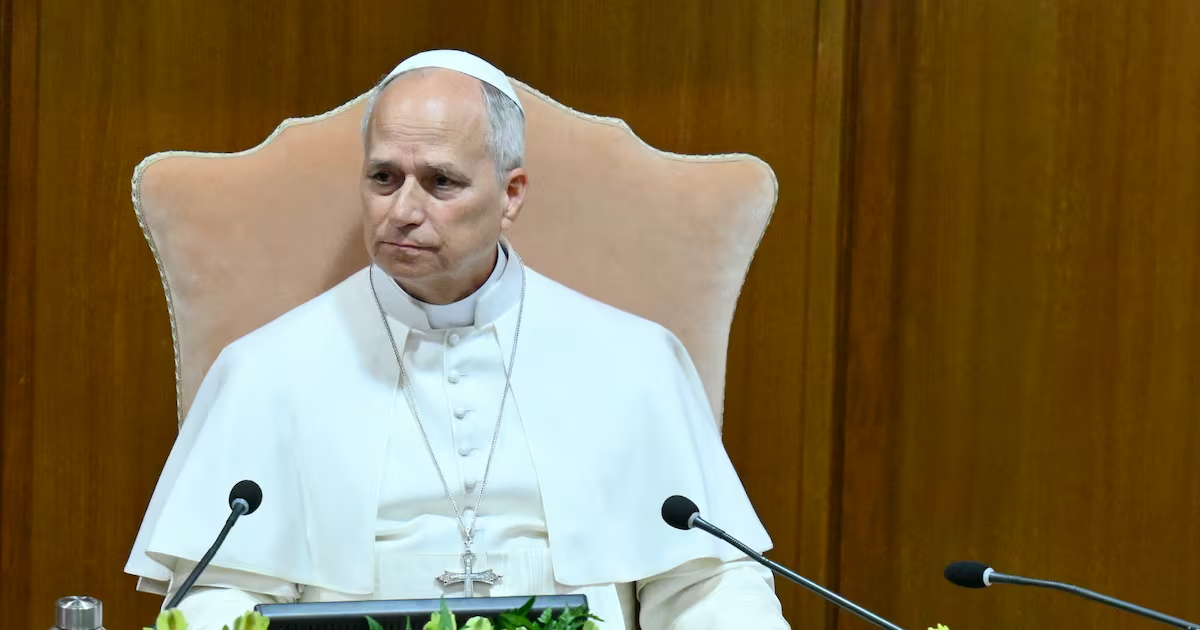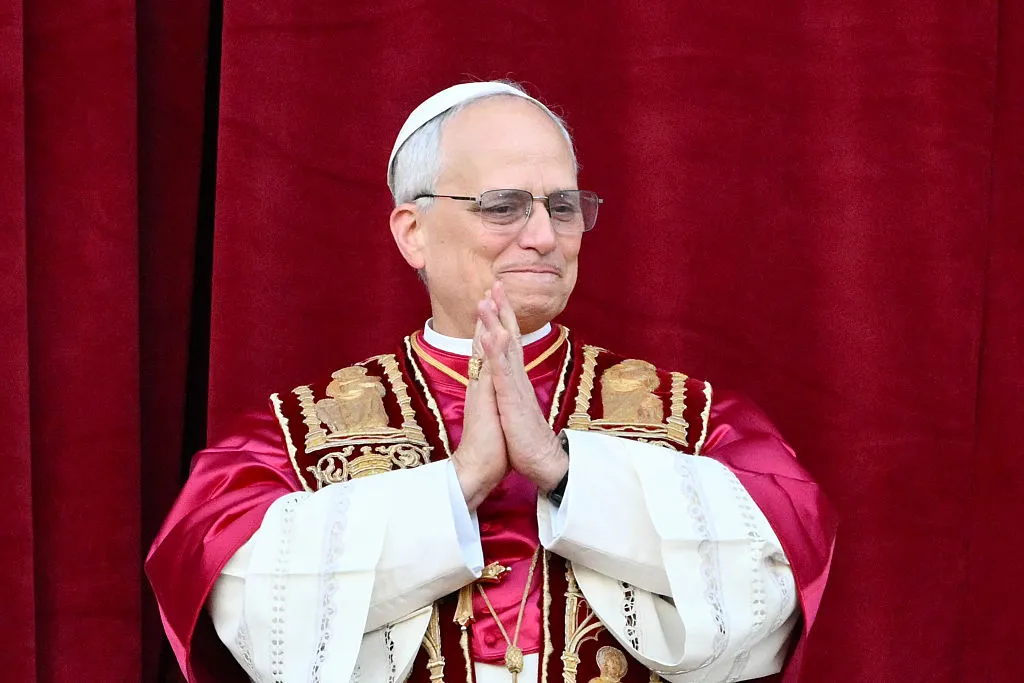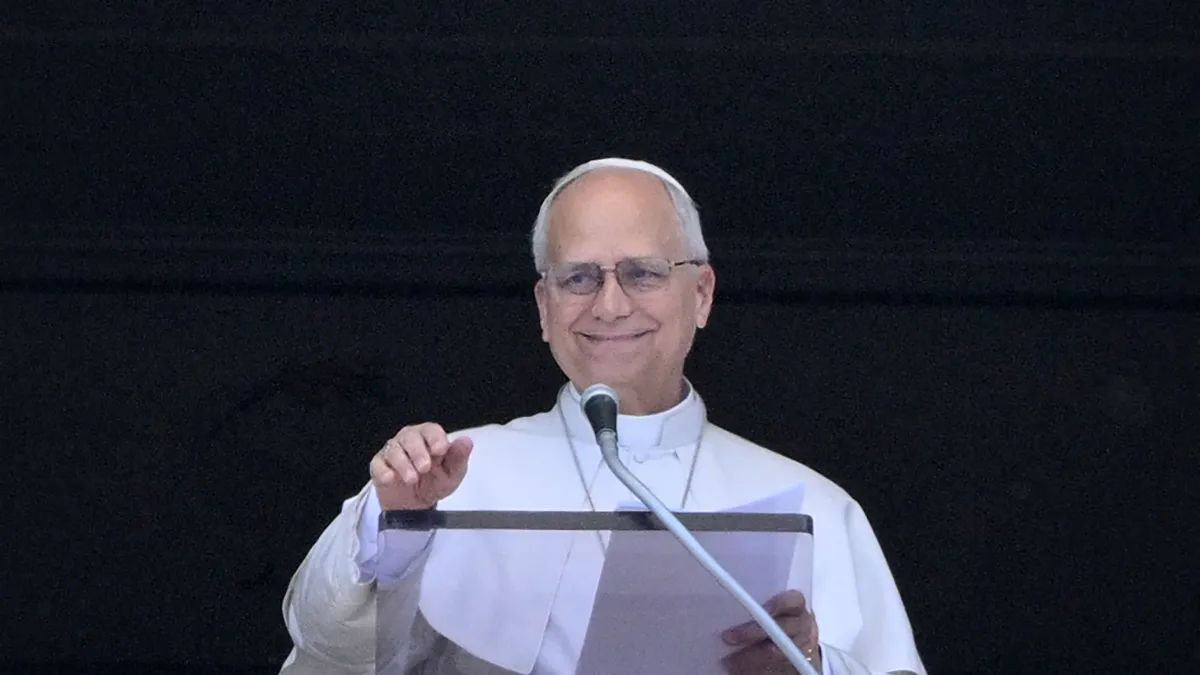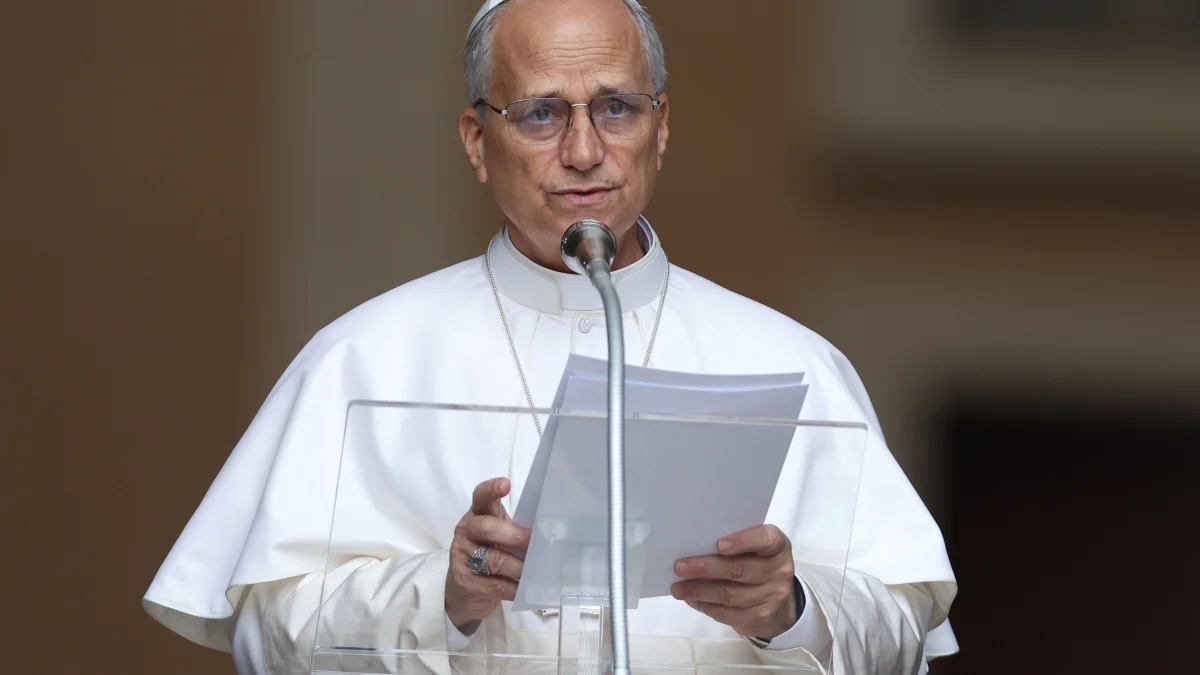
Many, even some Catholics, find the doctrine of papal infallibility hard to swallow. But papal encyclicals — the theological essays that pontiffs issue to guide bishops “in their relations with their flocks” — are almost infallible indicators of social and economic confidence. They must not be ignored.
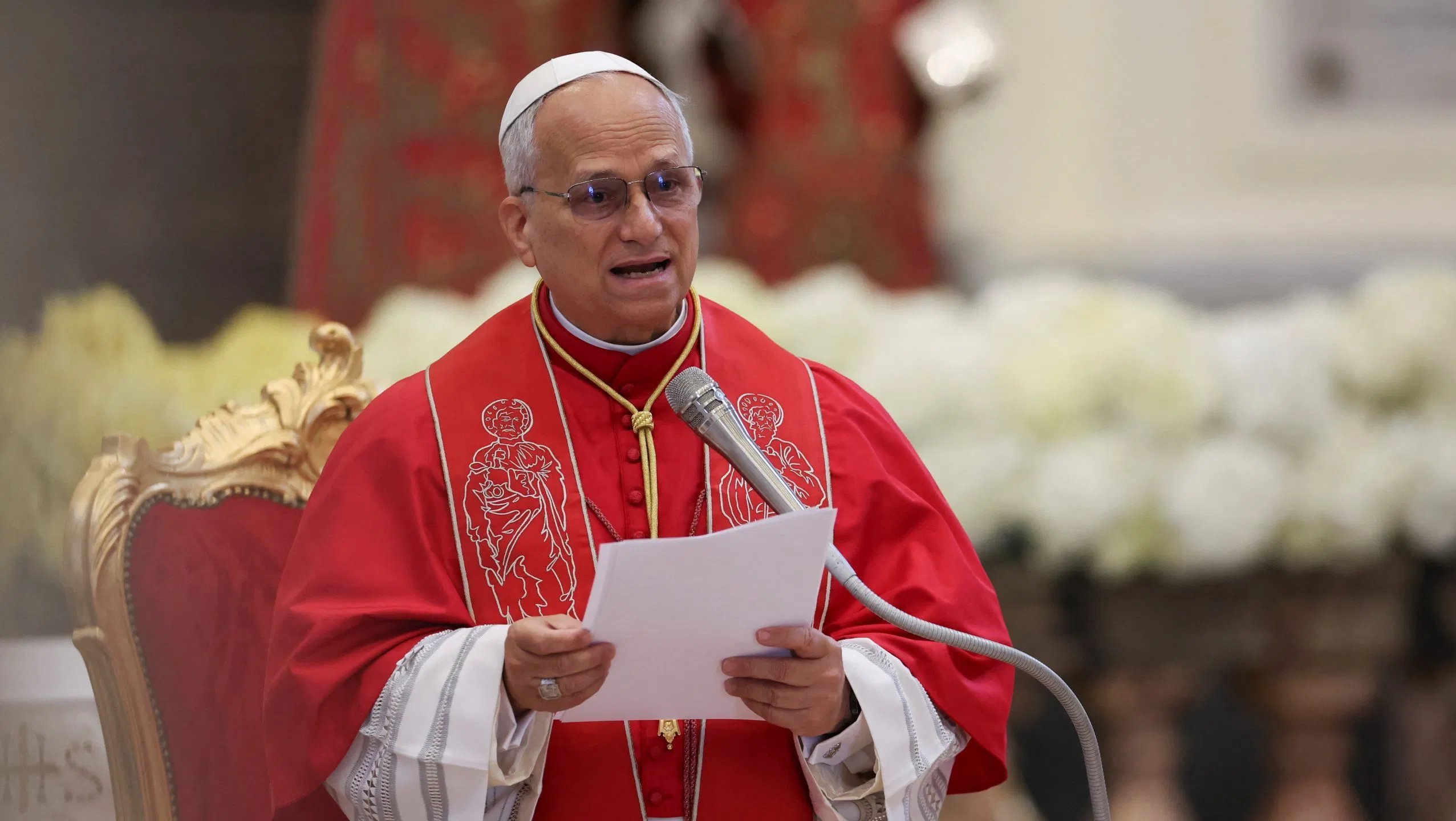
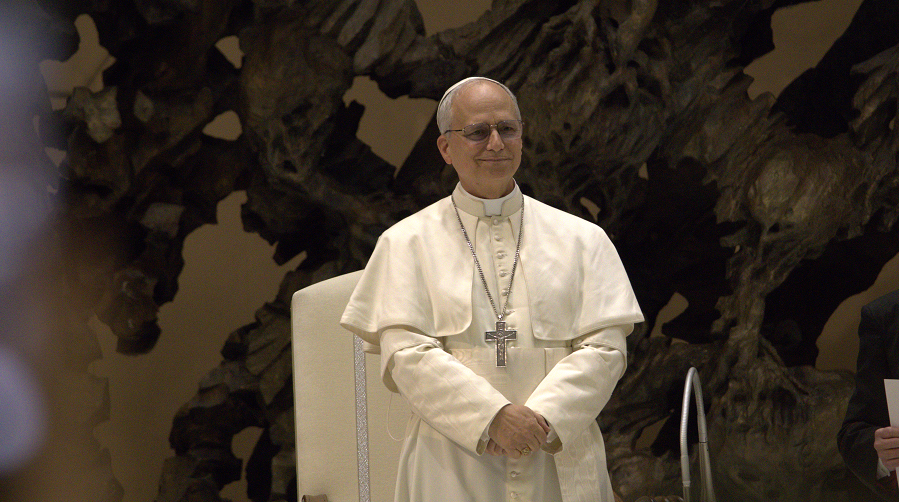
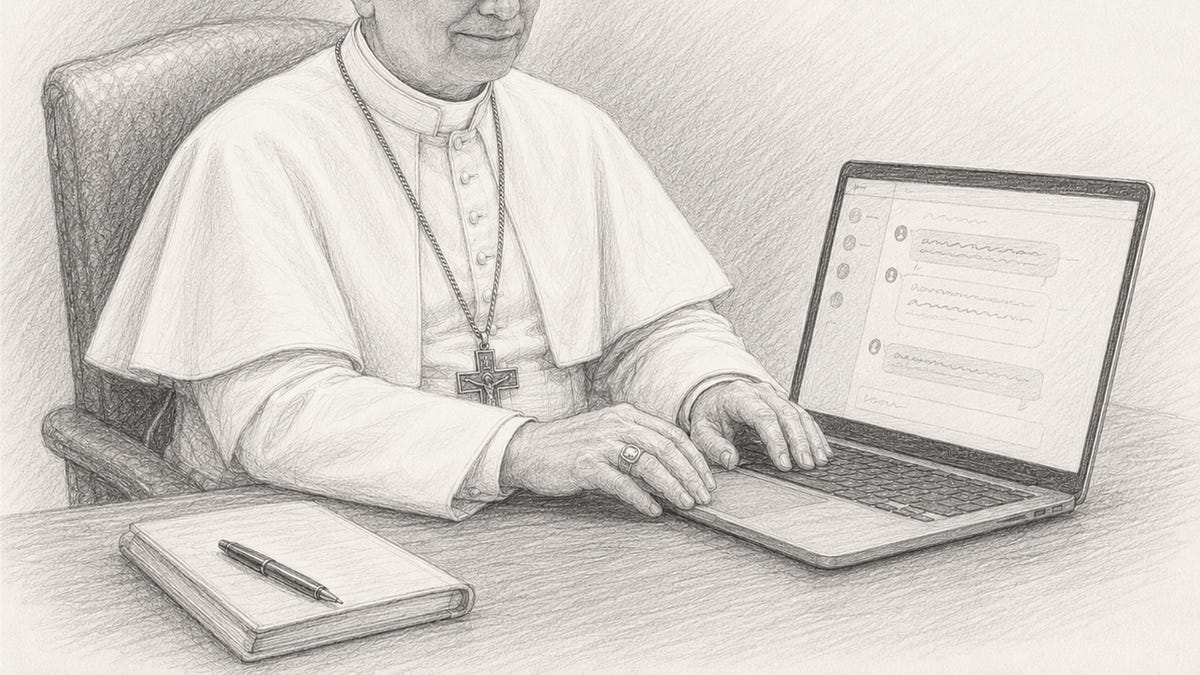
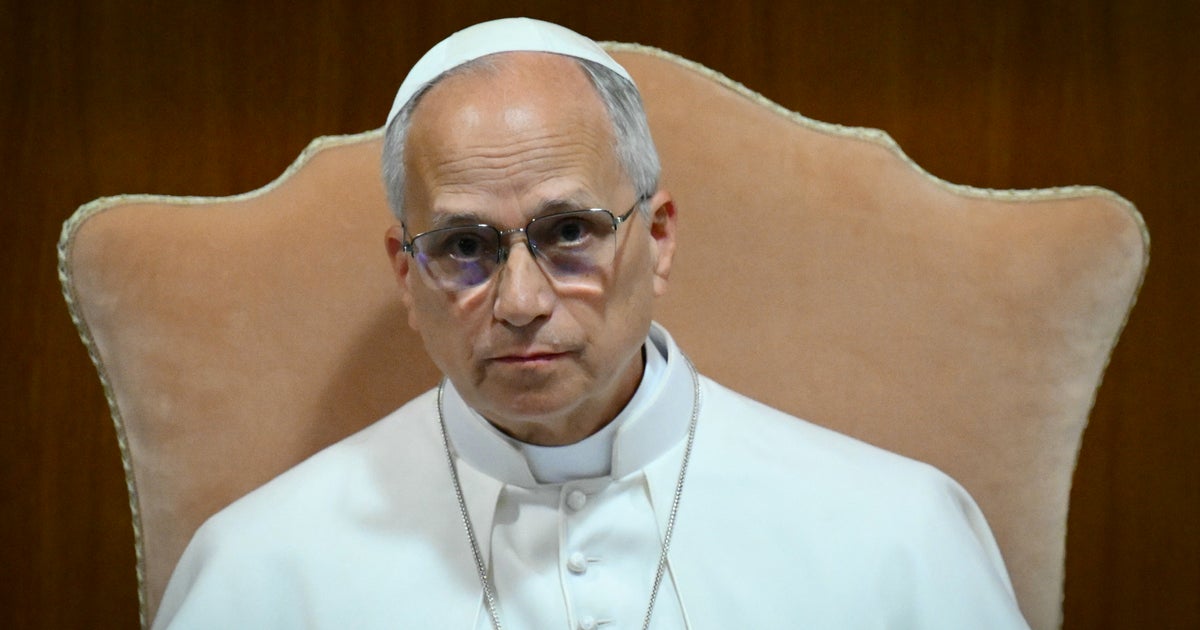
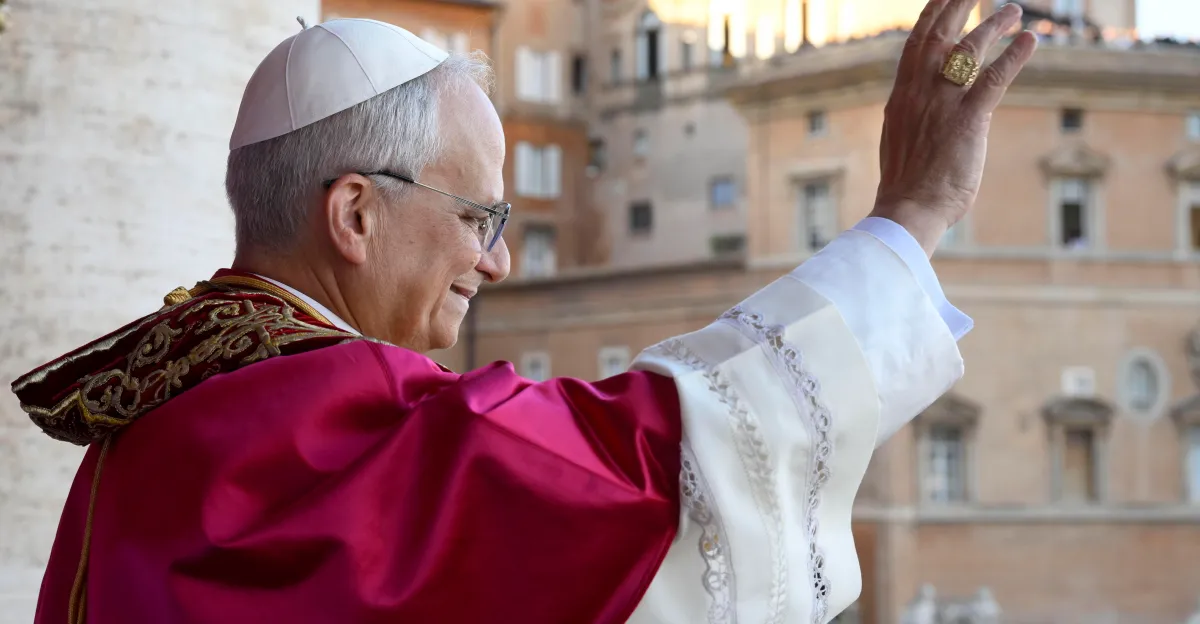
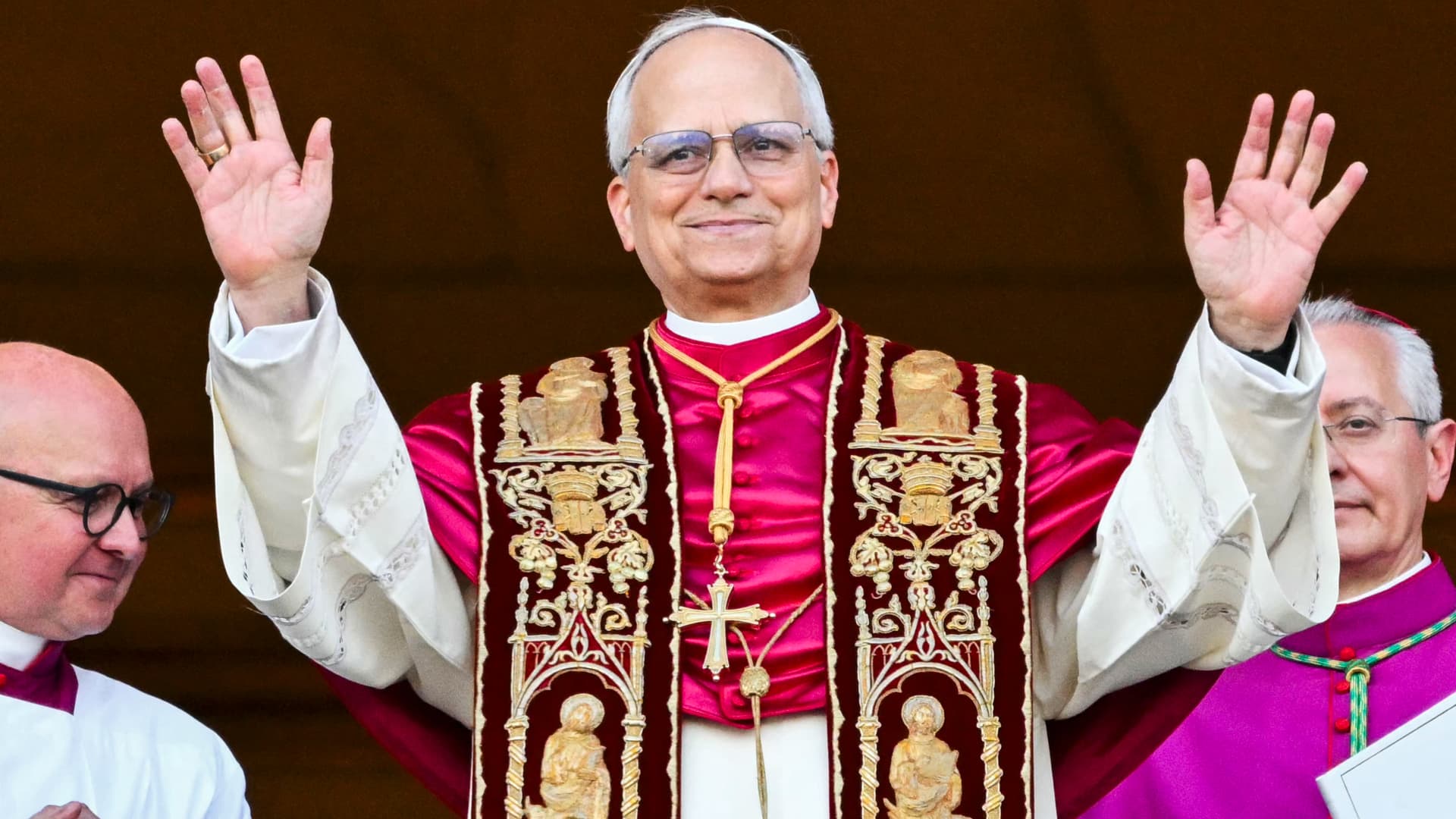
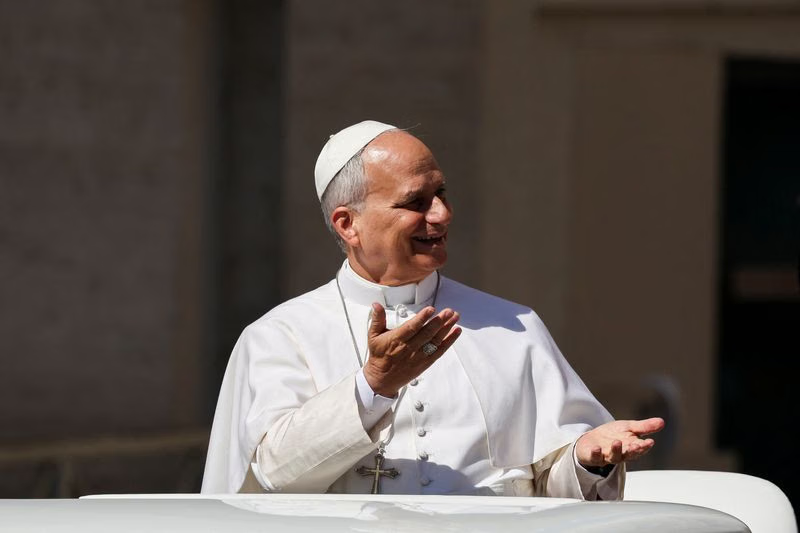
The mere fact that Pope Leo XIV chose to publish a 40,000-word essay this week arguing that artificial intelligence must “serve humanity, not concentrate power,” shows that the issue has grown salient in society, and signals an approaching turning point.The Roman Catholic Church isn’t known for its adaptability, but when it attempts to reform, its timing is spectacular. The Vatican II council is a glorious example. Called by Pope John XXIII in 1959, a time of stable prosperity, it marked the beginning of a period of convulsive change. Its first session, starting in October 1962, overlapped with the Cuban Missile Crisis. The second, amid Beatlemania, was interrupted by the Kennedy assassination. By its close in 1965, under Paul VI, the revolutionary 1960s were well underway. Somehow, John had spotted the turning point coming.
The church attempts to follow the guidance of the Holy Spirit. Its timing might be driven by the priorities of an omniscient God. But it’s not necessary to invoke the supernatural. For all its faults, the church has maintained its scale and role by operating as a uniquely powerful gauge of opinion. Priests act as agents throughout the population, gain an intimate understanding of their parishioners and communities, and feed their views into a hierarchy that ends with the pope.Papal encyclicals, the conclusion of the process, respond to society’s greatest concerns. Everyone should heed Leo’s Magnifica Humanitas (On Safeguarding the Human Person in the Time of Artificial Intelligence).Encyclicals in History