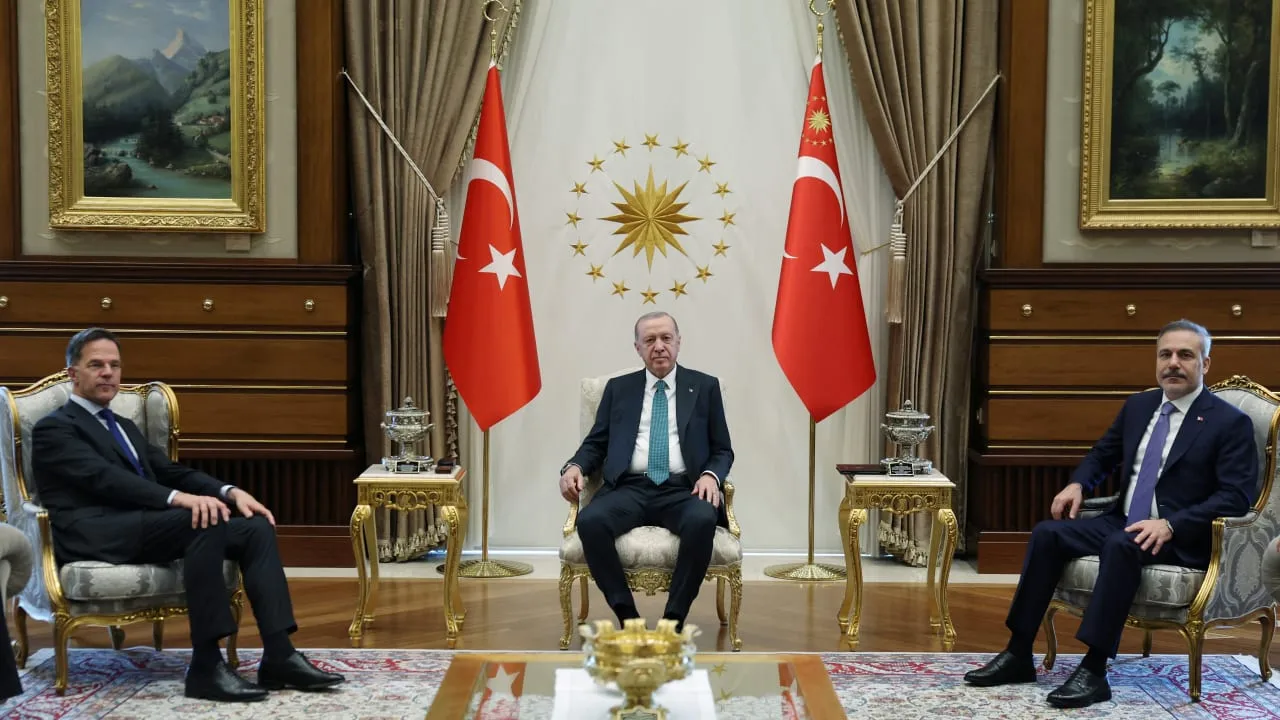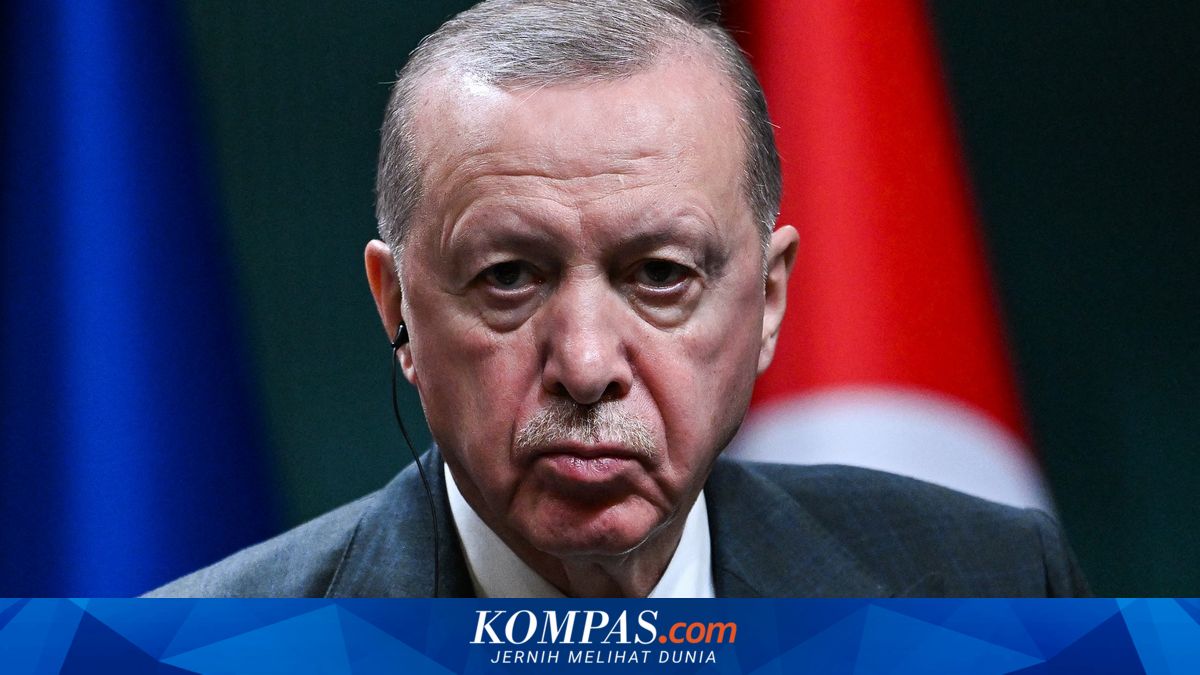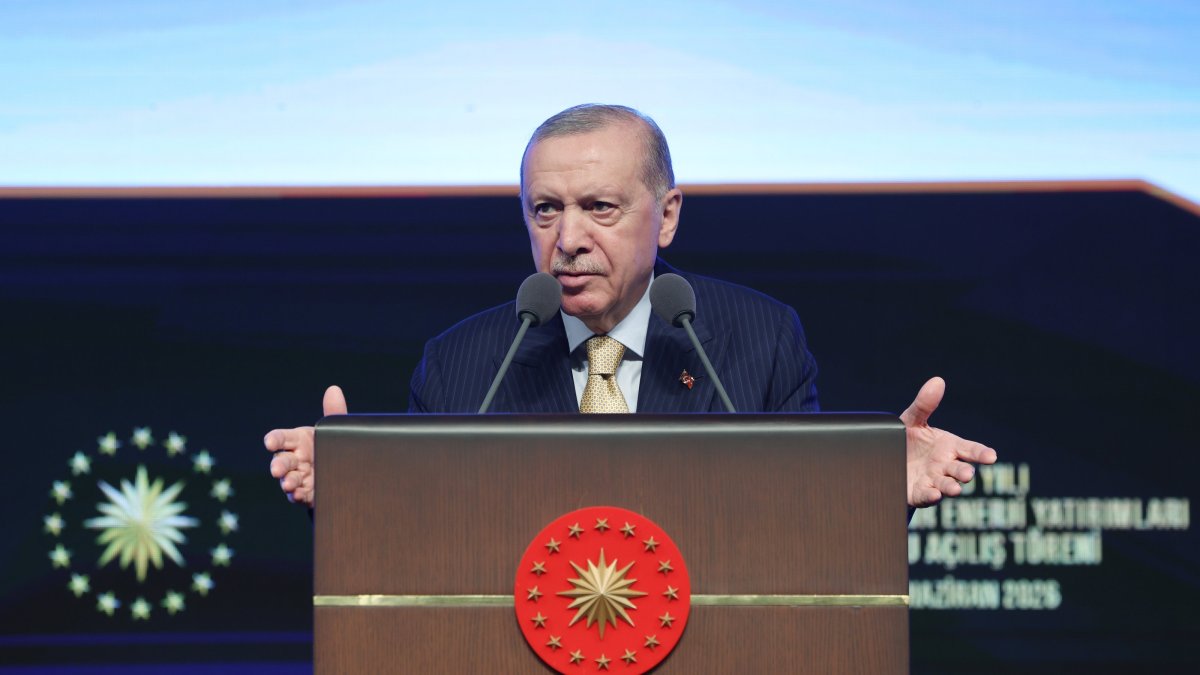
Since the Iran war began in late February, Turkey has positioned itself as a key regional power, an economic bridge and a neutral mediator, condemning both the US-Israeli strikes on Iran and Iran’s retaliatory attacks on Gulf nations.Turkish President Recep Tayyip Erdogan reiterated his country’s support for peace talks in separate phone calls with Iranian President Masoud Pezeshkian and Pakistani Prime Minister Shehbaz Sharif last week.The week before, in a call with US President Donald Trump, Erdogan welcomed the extension of the ceasefire which began in April and expressed optimism that the issues remaining between Washington and Tehran could be resolved.While Turkey’s strategic flexibility made it a beneficiary of regional chaos, the weakness of its domestic economy limited its gains while enduring regional rivalries would prevent it from becoming a hegemonic power, experts argue.Cameron Johnson, senior partner at supply chain consultancy Tidalwave Solutions, said the conflict underscored Turkey’s long-standing strategic ambiguity, making it “one of the winners” from the turmoil.“Ultimately, Turkey’s strategic ambiguity and flexibility have become an asset,” he said, citing the Nato member’s active non-alignment with either the US or China.
How ‘strategic ambiguity’ made Turkey a winner in the Iran war
However, experts caution that the country’s economic instability and enduring regional rivalries have capped its gains.
TL;DRAI
Turkey emerged as a regional winner in the Iran war by playing neutral — condemning both sides while brokering ceasefire talks between Washington and Tehran. Non-aligned between US and China, it positions as a resilient supply chain hub; domestic economic weakness caps the upside.
183 words~1 min read