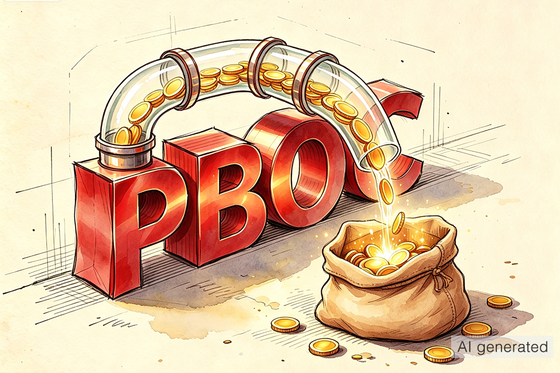
China’s banking sector just flipped from net lender to net borrower in short-term funding markets, a reversal that hasn’t happened in seven months. The mechanism: a significant ramp-up in negotiable certificates of deposit issuance, the financial plumbing through which Chinese banks tap wholesale funding.
What actually happened
Negotiable certificates of deposit, or NCDs, are short-term debt instruments that banks issue to raise cash from other financial institutions. When banks issue more NCDs than they buy from peers, they become net borrowers. That’s exactly what just happened across China’s banking system for the first time since late 2025.
NCDs have been a critical funding tool since China introduced them in 2015. They’re used primarily by smaller and mid-tier banks that lack the vast deposit bases of state-owned giants like ICBC or Bank of China. Historically, those state-owned behemoths have acted as net suppliers in the NCD market, essentially lending surplus liquidity to their smaller counterparts during periods of stress.
The PBOC’s balancing act