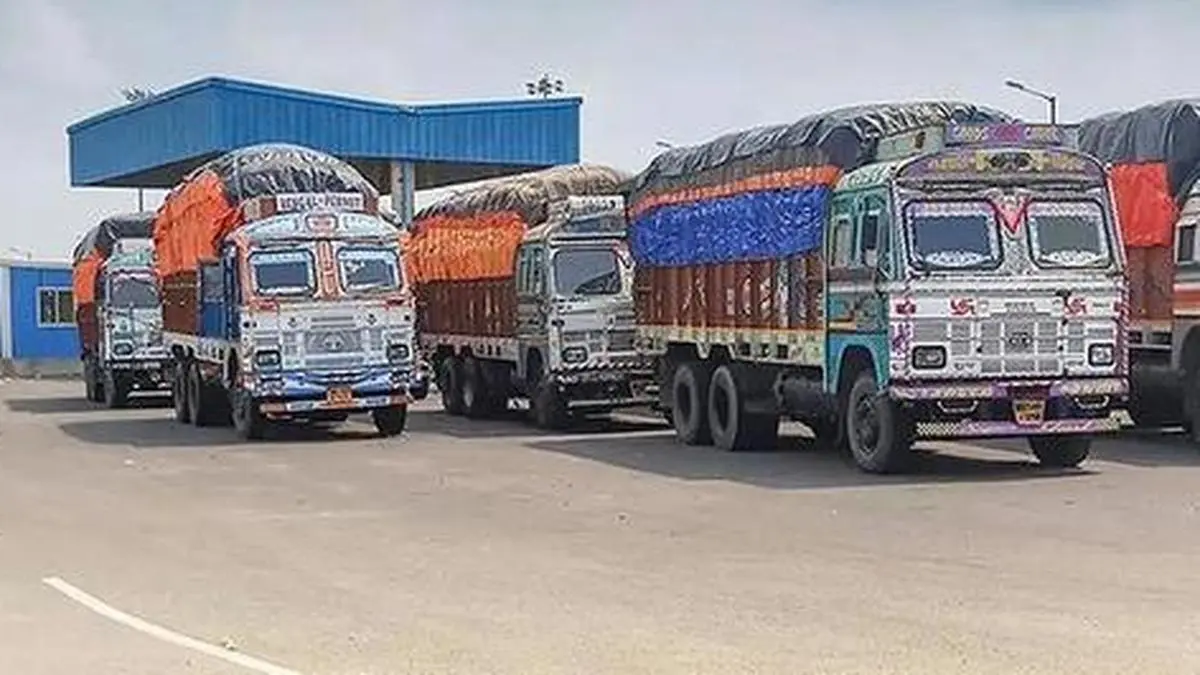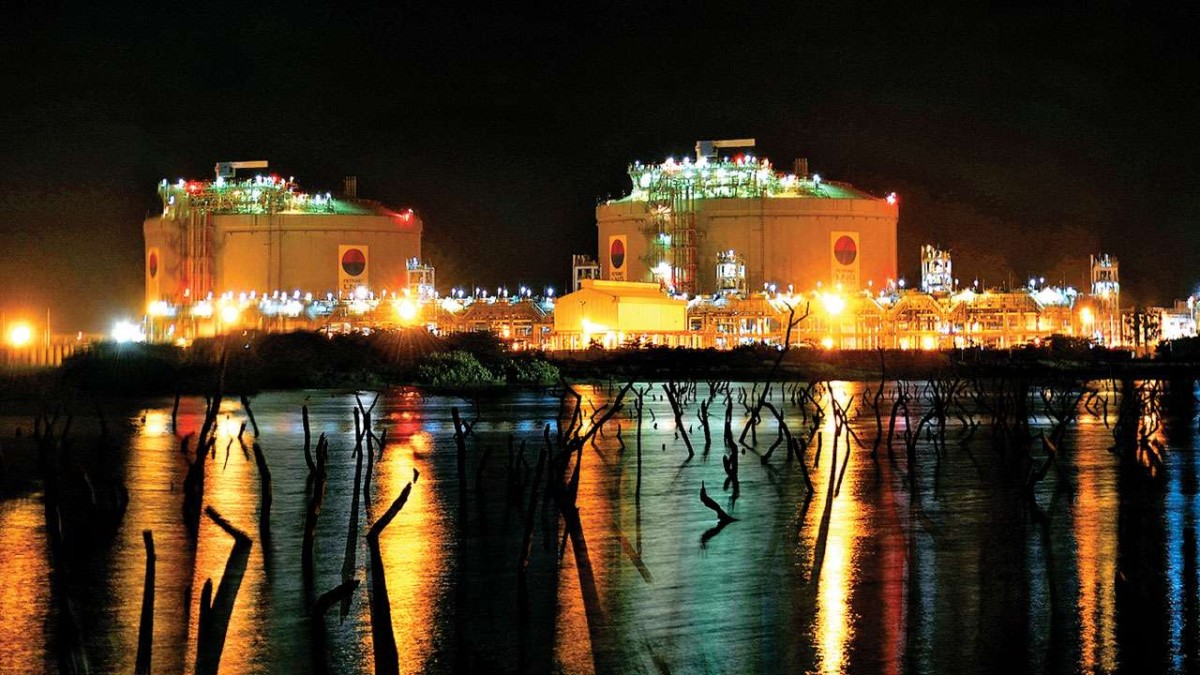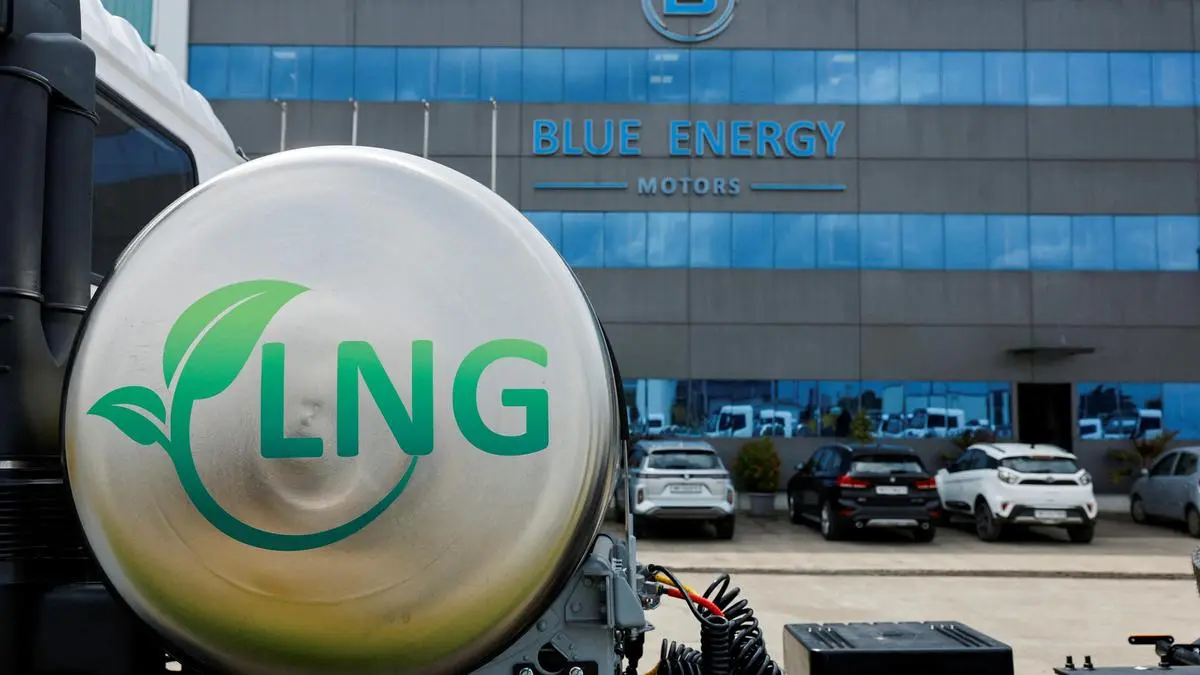
As India’s freight sector grapples with persistently high fuel costs, LNG is emerging as one of the cheapest fuels for long-haul trucking, costing nearly 42 per cent less than diesel and significantly less than CNG for generating the same amount of transport work.At current fuel prices, transport work that would cost a fleet operator around ₹85 using 1 kg of LNG would cost roughly ₹146.75 on diesel, making LNG nearly 42 per cent cheaper, and anywhere between ₹96 and ₹110 on CNG depending on the city, giving LNG an additional cost advantage of roughly 12–23 per cent over CNG.Yet while the government approved ₹4,573 crore in support for ethanol distilleries and helped mobilise nearly ₹40,000 crore in private investment for blending infrastructure, Vadodara-based cryogenic engineering company INOXCVA has approached the Ministry of Petroleum & Natural Gas (MoPNG) seeking ethanol-style support for LNG infrastructure, storage and freight-corridor development.Industry executives argue LNG infrastructure may not require ethanol-scale fiscal backing because the underlying model is significantly less capital intensive. While conventional LNG terminals typically require ₹4,000–6,500 crore and take up to 5–10 years to build, modular mini-LNG terminals can be deployed within 15–18 months at roughly ₹100–200 crore per facility.“The success of the ethanol programme demonstrates what can be achieved when policy, infrastructure and industry work together towards a common national objective,” Deepak Acharya, Managing Director at INOXCVA, told businessline. “Historically, LNG adoption has been constrained more by infrastructure availability than economics.”Acharya said the economics of LNG trucking were no longer the primary hurdle. “The next stage is creating the ecosystem that enables scale,” he said, adding that reliable refuelling infrastructure and long-term policy visibility were critical for fleet conversion.Unlike ethanol infrastructure, which benefited from direct policy support and blended procurement economics, LNG infrastructure expansion is currently being driven almost entirely by private capital. GreenLine Mobility has committed ₹1,500 crore towards LNG and EV trucks and fuel stations, while Ultra Gas & Energy Ltd (UGEL) is investing around ₹900 crore to set up 100 LNG dispensing outlets across key freight corridors.CNG No Longer Cheap EnoughThe economics have become even sharper after recent CNG price hikes across major cities, driven by rising global gas prices, imported fuel costs and cuts in cheaper domestic gas allocation following West Asia-linked supply disruptions. CNG prices now stand at ₹86/kg in Mumbai, ₹83.09/kg in Delhi, ₹93.50/kg in Kolkata, and as high as ₹95/kg in both Chennai and Bengaluru, further widening LNG’s cost advantage for interstate fleet operators.Industry executives said LNG’s advantage over CNG was now not just about pricing but also operational practicality. LNG trucks can travel longer distances using compact cryogenic tanks, unlike CNG trucks that rely on bulky cylinder cascades that reduce payload capacity and require more frequent refuelling.Fleet operators, however, remain cautious because LNG trucking economics work efficiently only when long-haul corridors have predictable refuelling access and high vehicle utilisation, executives said.Executives also argue the asymmetry is becoming increasingly difficult to justify because ethanol primarily addresses the passenger vehicle market, while LNG directly targets the diesel-heavy freight economy where fuel inflation eventually cascades through logistics costs, manufacturing supply chains and consumer prices.Since road freight moves nearly two-thirds of India’s domestic cargo, sustained diesel inflation eventually feeds into broader retail and industrial costs across sectors ranging from FMCG and agriculture to ecommerce and manufacturing.Ethanol Got the EcosystemDespite this, LNG transport infrastructure has received no comparable policy push. There is no truck-conversion incentive, no viability-gap funding for LNG dispensing stations and no dedicated infrastructure support scheme.While oil marketing companies were earlier tasked with setting up around 1,000 LNG stations nationwide, progress has remained gradual, leaving much of the ecosystem buildout dependent on private participation.Acharya said large-scale LNG adoption would require coordinated participation between public-sector entities, private investors, logistics operators and technology providers. “A framework that encourages faster infrastructure creation, streamlines approvals and improves project viability can unlock significantly larger private-sector participation,” he said.Energy Security LayerIn its submission to the Ministry of Petroleum & Natural Gas (MoPNG), INOXCVA argued that India currently lacks strategic LNG reserves similar to its crude oil petroleum reserves, leaving the country’s gas economy vulnerable to geopolitical disruptions and supply shocks. The company said mini-LNG terminals could offer a faster and more flexible way to build distributed LNG storage capacity across freight and industrial corridors.The company’s white paper proposes a decentralised network of 10 mini-LNG terminals capable of adding nearly 200,000 cubic metres of strategic LNG storage capacity across India’s coastline through a Public-Private Partnership (PPP) framework supported by viability gap funding and other incentives. Industry executives and analysts estimate that such a distributed network could require around ₹1,500–2,000 crore in total investment, substantially lower than the ₹4,000–6,000 crore typically needed for a single conventional land-based LNG terminal.“Energy security is ultimately about resilience, diversification and preparedness,” said Deepak Acharya. Drawing a comparison with China — which already operates more than 725,000 LNG-powered heavy trucks supported by over 6,000 refuelling stations — Acharya said India now had an opportunity to build both LNG demand and infrastructure simultaneously.“The opportunity before India is not merely to substitute one fuel with another,” he said. “It is to build a more resilient, efficient and future-ready energy architecture that supports economic growth while strengthening energy security.”Published on June 1, 2026
LNG 42% cheaper than diesel for trucks as industry seeks ethanol-style policy push
LNG is now 42% cheaper than diesel for trucks, prompting calls for government support to enhance LNG infrastructure and adoption.
870 words~4 min read