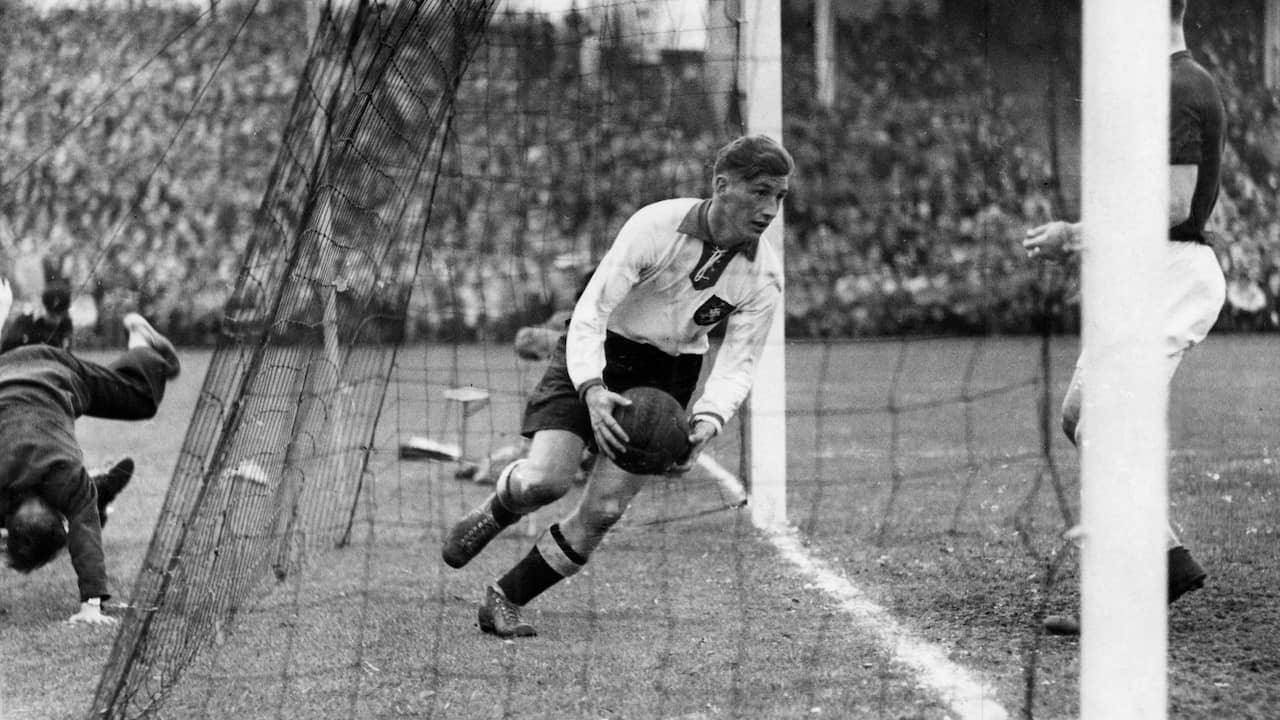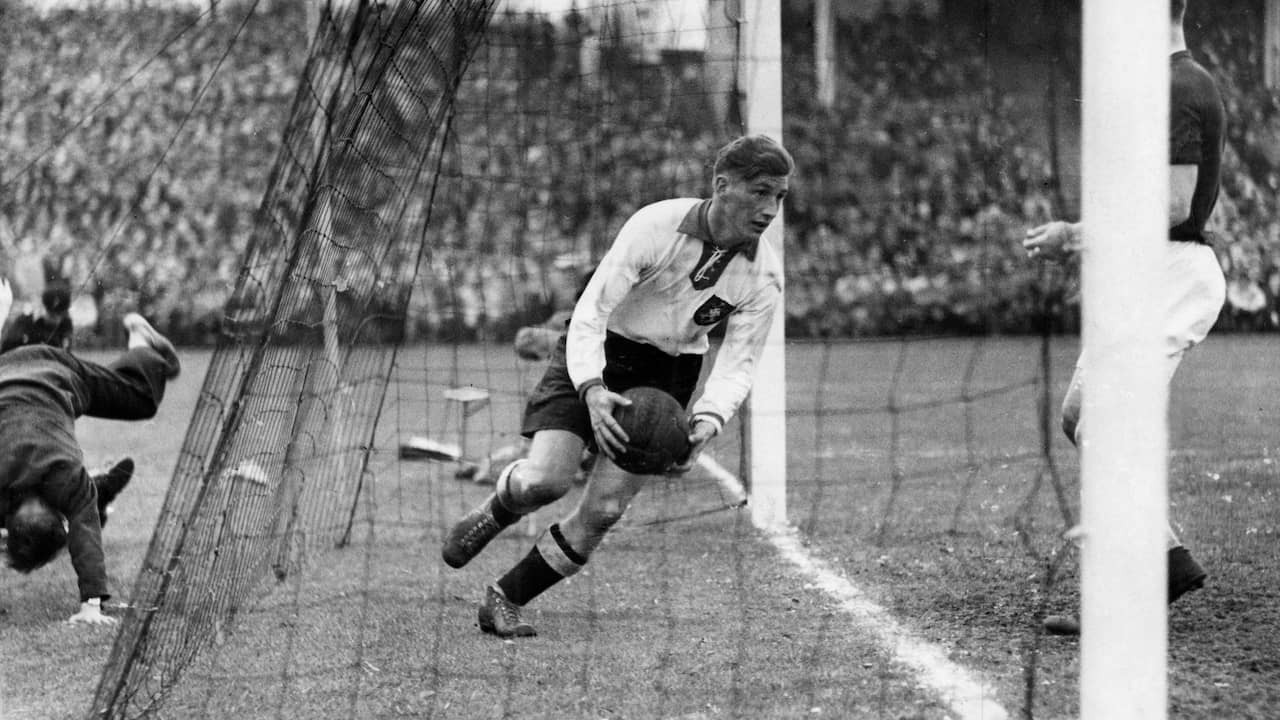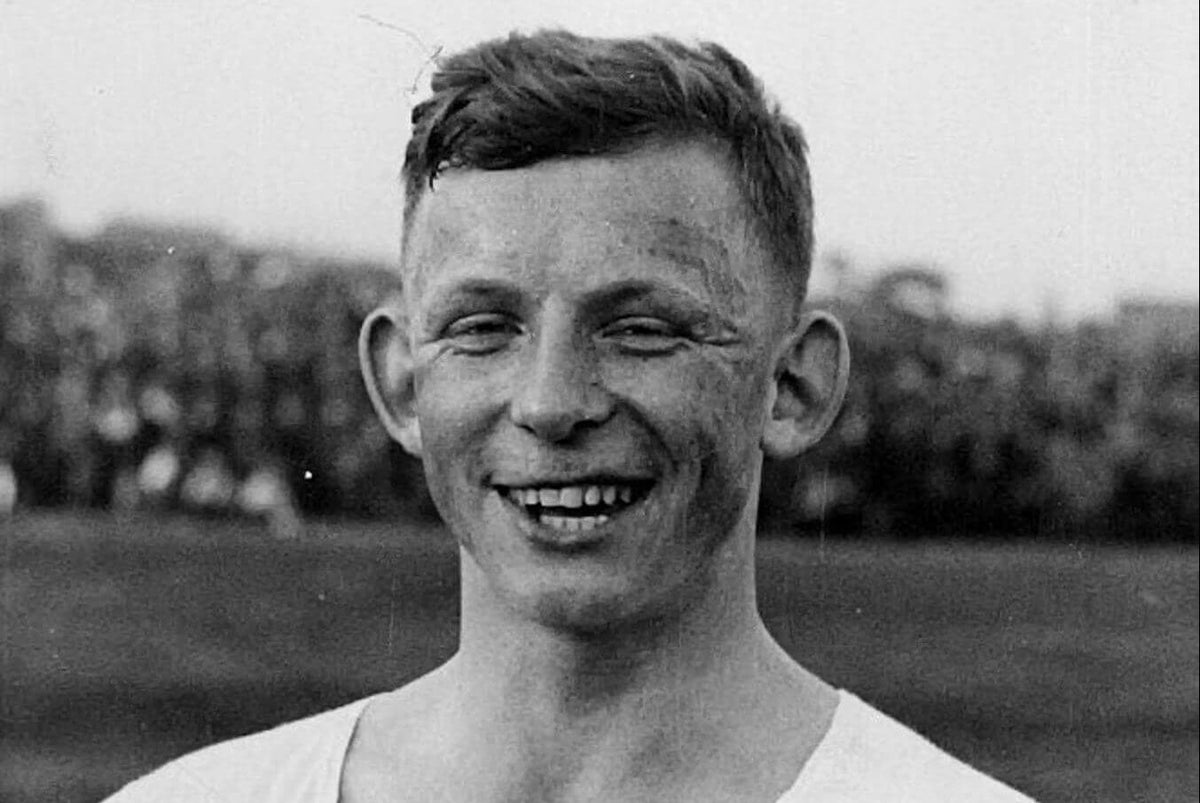
Ever heard the story about the guy who scored four goals in one World Cup match against Brazil? Or the one about the player with the greatest goals-to-games scoring ratio in World Cup history? And the chap who held a World Cup goalscoring record for 56 years?All of the above were achieved by one man, but the chances are you may be unaware of his existence.This is a player who once scored 10 goals in a match, who still holds the record for the most goals scored in a German Cup season and could (although records vary) have netted 1,000 times during his remarkable career.The story is a complicated one of split nationalities, contested myths and divided loyalties.His name is Ernst Wilimowski. And even that is disputed.Poland played in only one World Cup match between 1930 and 1970.They have since featured in eight World Cups, playing 37 games with the likes of the great Grzegorz Lato, Zbigniew Boniek and Robert Lewandowski in their ranks.Yet only three players have scored more goals for Poland at World Cups than Wilimowski, despite him making only one appearance.It came in 1938 and was the high point of his remarkable career, when he scored four times in an incredible match against Brazil, which the South Americans won 6-5 after extra time. And yet Wilimowski is not a celebrated name or figure in Poland because of his links to Nazi Germany.Brazil score their sixth goal against Poland in the 1938 World Cup (Staff/AFP via Getty Images)Wilimowski was born in 1916 into a family and an area where national identity was complex.His mother was German, he grew up speaking German and he was born in Katowice, a German-ruled city in Silesia.Nowadays, Silesia is mostly situated in south-west Poland and small parts of the Czech Republic and Germany. For the first five years of Wilimowski’s life, Upper Silesia was German territory, before being transferred to Poland after the First World War in 1921.Silesia became part of Germany again under the Third Reich in 1939 and then part of Poland again after the Second World War.Add in the fact Wilimowski’s father was killed fighting for Germany and then his stepfather (who adopted him and gave him the name Wilimowski) was involved in Polish-backed Silesian insurgencies, and the cultural intricacies of this player’s disputed career become obvious.To add to those intricacies, Wilimowski was thought to be primarily loyal to Silesia; he spoke the language and played for teams in the territory, which was stateless but had its own culture.What isn’t disputed, however, is Wilimowski’s extraordinary footballing ability.He mostly played as a right-footed, left-sided forward but, so much better was Wilimowski than many of his team-mates, he often just drifted where he wanted, using his lightning pace, famous close control and, most importantly, explosive and utterly prolific finishing ability.Having scored for fun at youth level, his rise was rapid. He made his senior league debut for Ruch Wielkie Hajduki (now known as Ruch Chorzow) in April 1934 and a month later was in the Poland squad, aged 17.He won the Polish golden boot twice before he was 20 years old, scoring 34 goals in 21 appearances to lead Ruch to the title in his first full season.In total he would score 113 goals in 86 league matches for Ruch, who became the best team in Poland during this period, with Wilimowski winning three more league titles.There were 14 hat-tricks in the league (and 35 in all competitions) while, in one match against Union Touring Lodz, he scored 10. Yes, 10 – in May 1939.
The strange story of Ernst Wilimowski, the World Cup record holder viewed by some as a ‘traitor’
He terrified Brazil for Poland but swapped allegiances as a result of the Second World War. His story is complex, even his name is disputed
1,682 words~8 min read