Intel is making a play that sounds almost counterintuitive in the AI chip arms race: going cheaper on purpose.
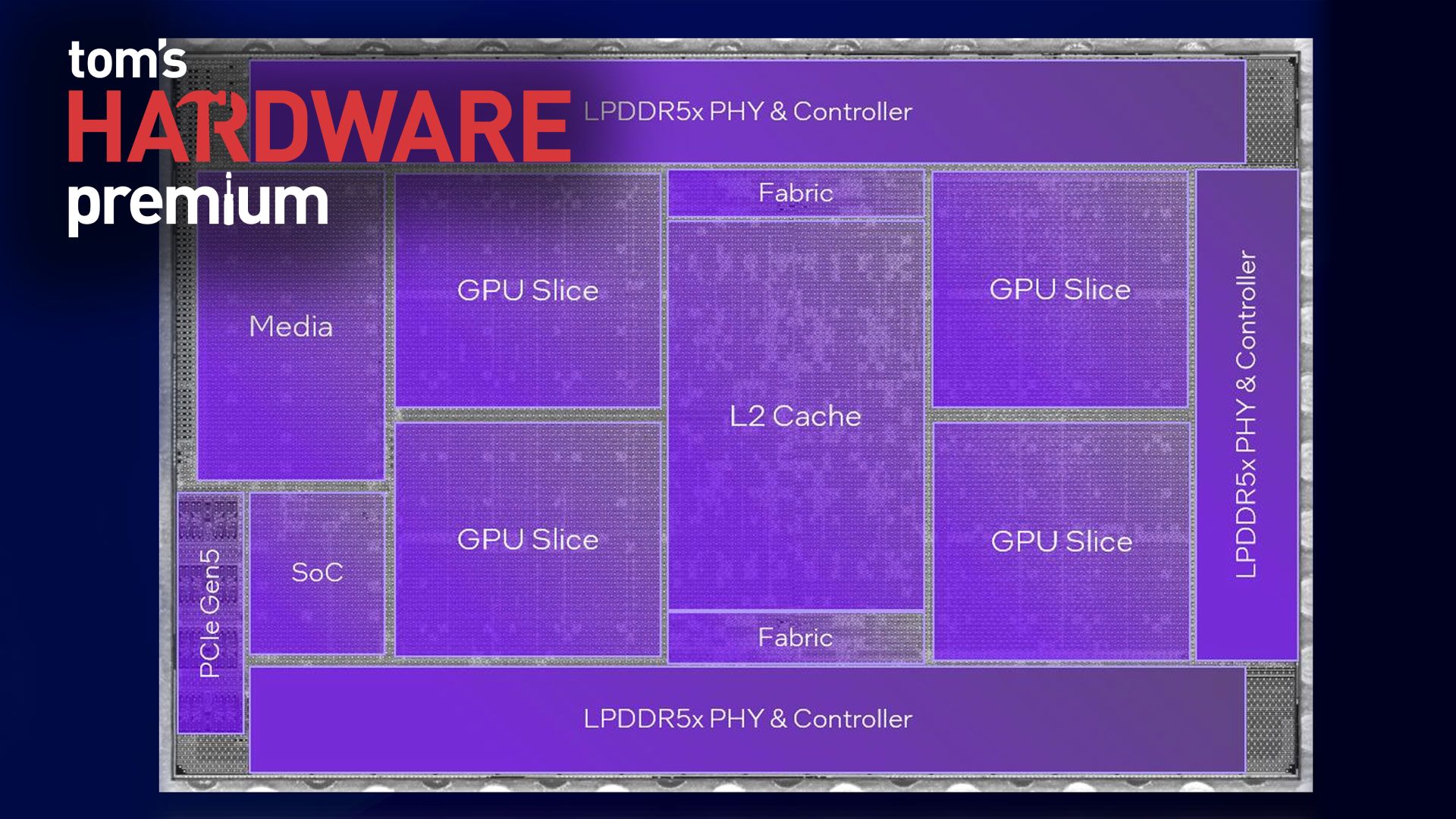
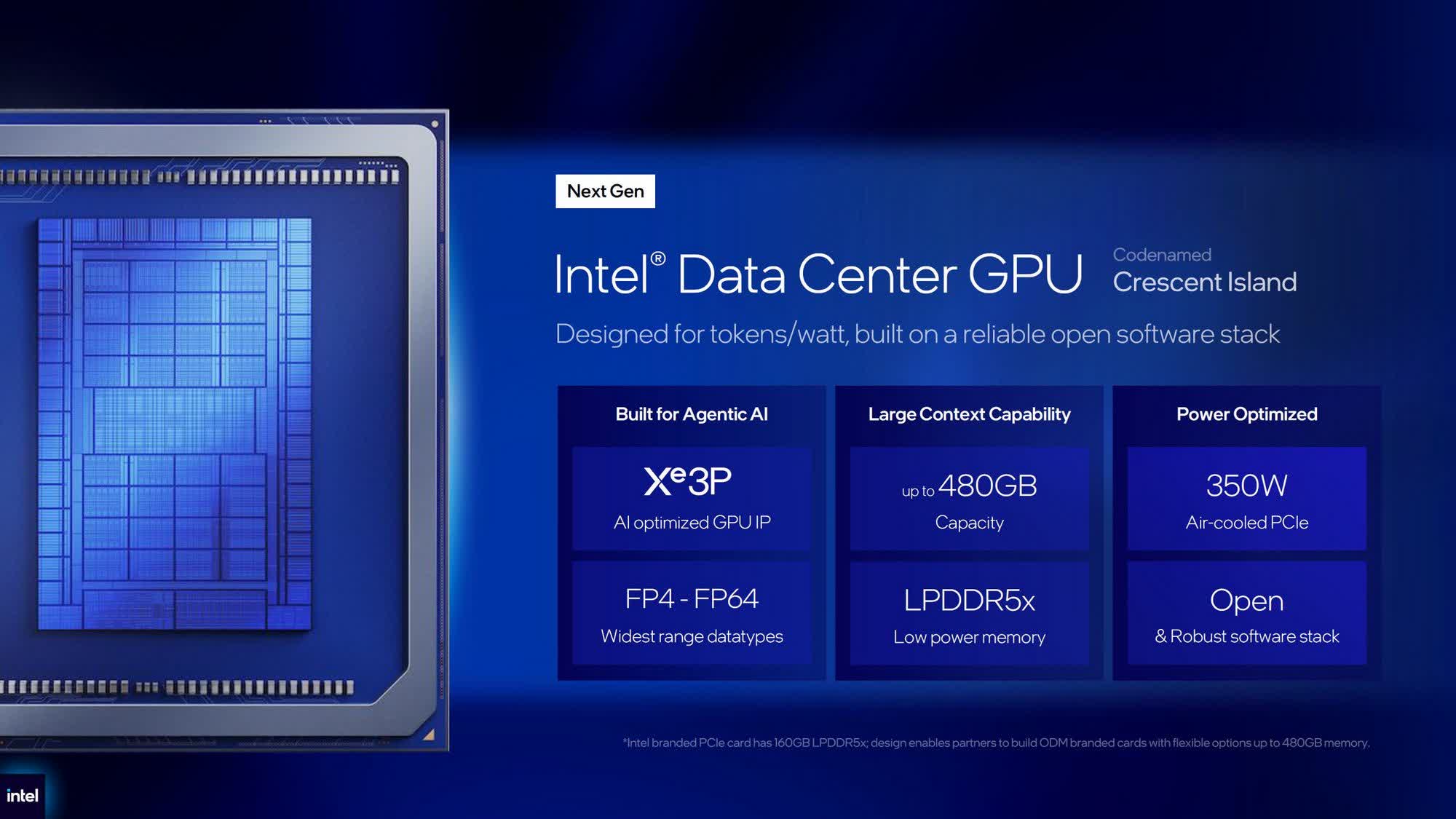
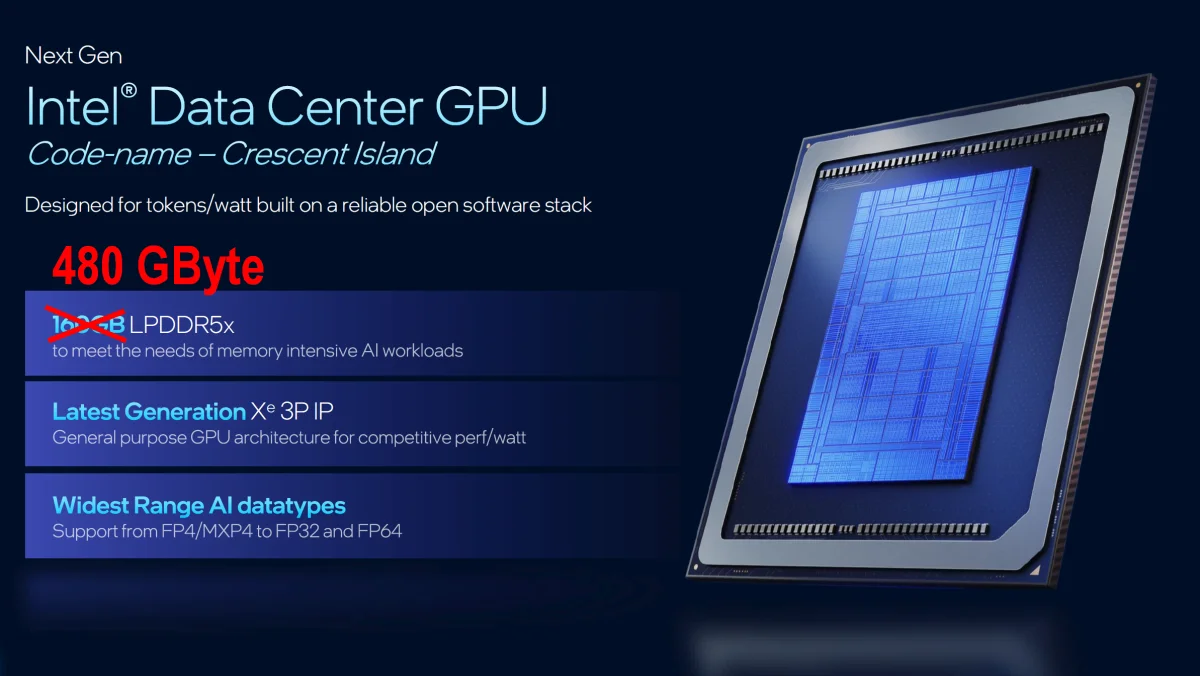
The company’s Crescent Island GPU, announced in October 2025, packs 160 GB of LPDDR5X memory and is designed to run in air-cooled server environments. That’s a deliberate departure from the approach taken by Nvidia and AMD, which rely on high-bandwidth memory, or HBM, a faster but significantly more expensive component.
Why cheaper memory matters more than you think
LPDDR5X memory is substantially less expensive than HBM, and Intel is arguing that the performance tradeoff is worth it for inference workloads specifically. Inference is the process of actually running trained models to generate answers, write code, or power AI agents. These workloads run constantly, at scale, across thousands of servers, making cost per query a significant factor.
The air-cooling angle is equally significant. Liquid-cooled servers are more complex to deploy, more expensive to maintain, and require specialized data center infrastructure. By designing Crescent Island to work in standard air-cooled racks, Intel is lowering the total cost of ownership for enterprises that want to deploy AI inference without rebuilding their data centers from scratch.