Intel touts 130-plus edge design wins for Series 3 and launches OpenVINO Physical AI framework
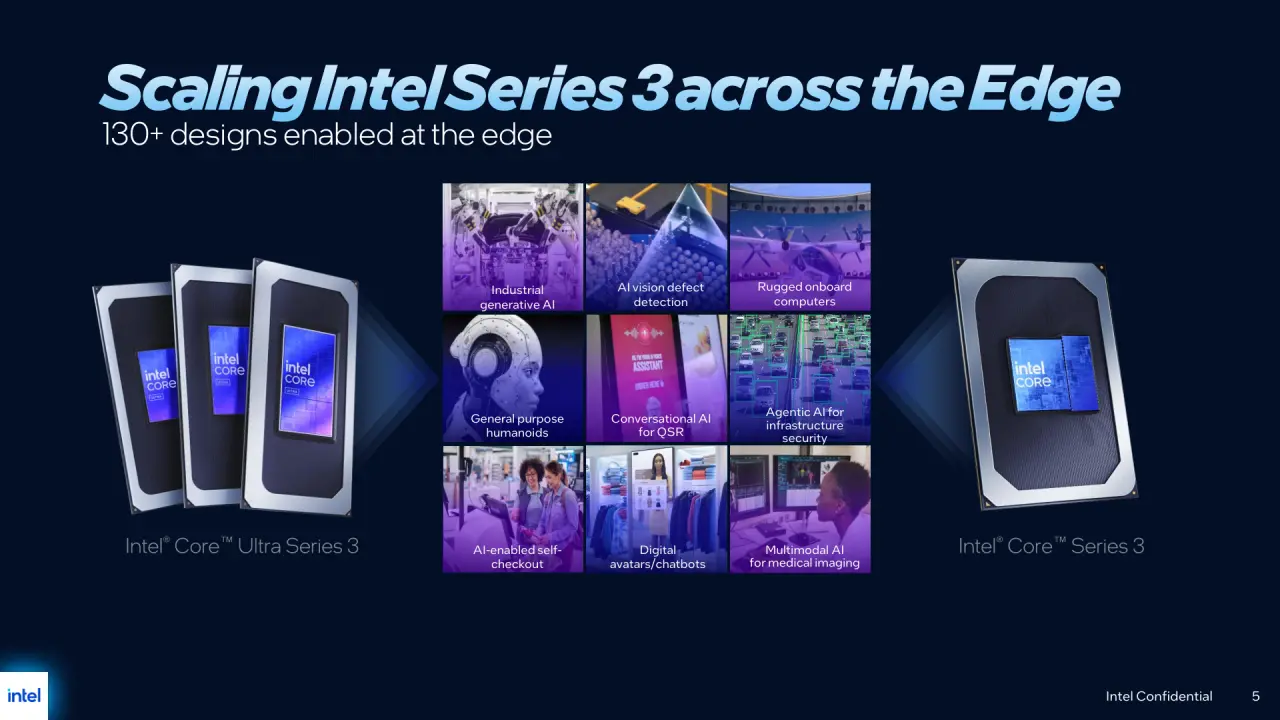
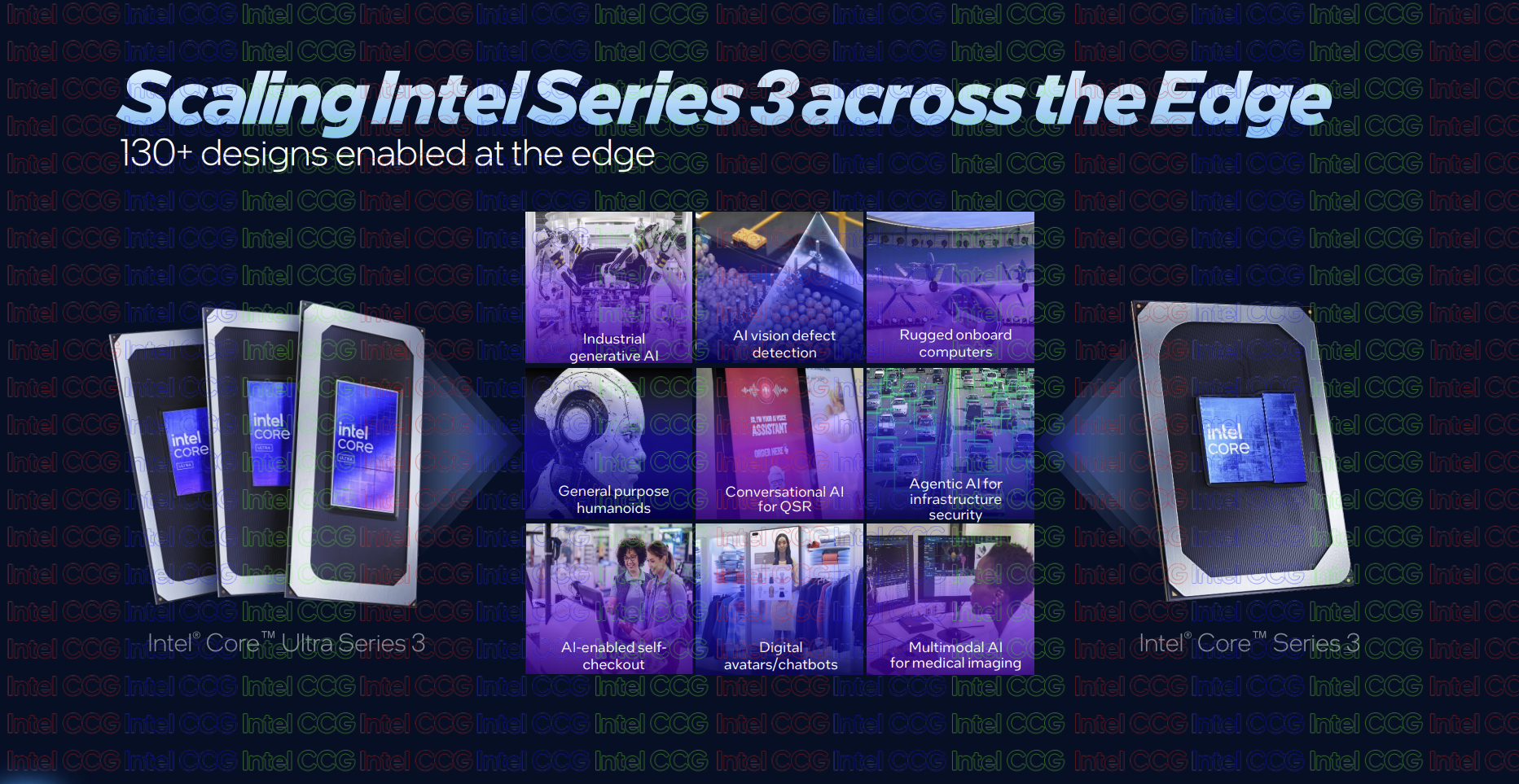
Intel Corp. today announced that more than 130 design engagements for its Series 3 processor family for edge artificial intelligence and edge computing designs and also unveiled a new open-source framework called OpenVINO Physical AI to address what it calls a deployment gap between robotics models built in the lab and fleets running on factory floors.
The announcements, made ahead of Computex in Taipei, position Intel’s edge silicon and robotics software stack as a unified alternative to the fragmented mix of central processing units and discrete accelerators that has dominated robot design to date. The Series 3 family, which includes Intel Core Ultra Series 3 and Intel Core Series 3 processors, was launched at CES in January as the debut product on Intel’s 18A manufacturing process.
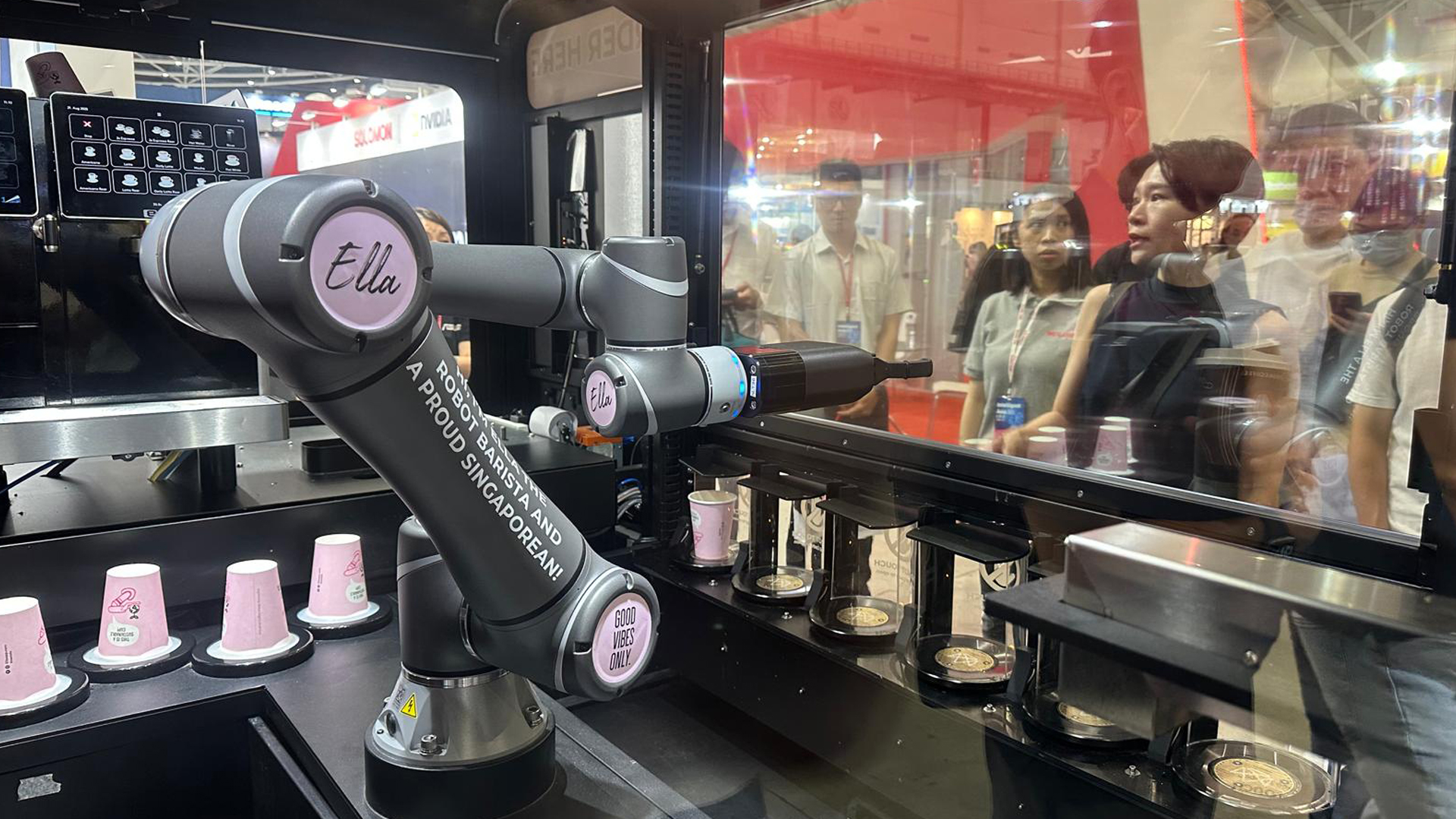
Anchoring the design momentum is SensoryAI Inc., which has migrated its multi-agent retail robot Ella to Intel architecture. Ella, which Intel describes as the first multi-agent physical AI store running in public commercial service, previously relied on a separate CPU paired with a discrete accelerator. SensoryAI has replaced that arrangement with a single Intel Core Ultra Series 3 platform that handles both real-time control and AI inference.