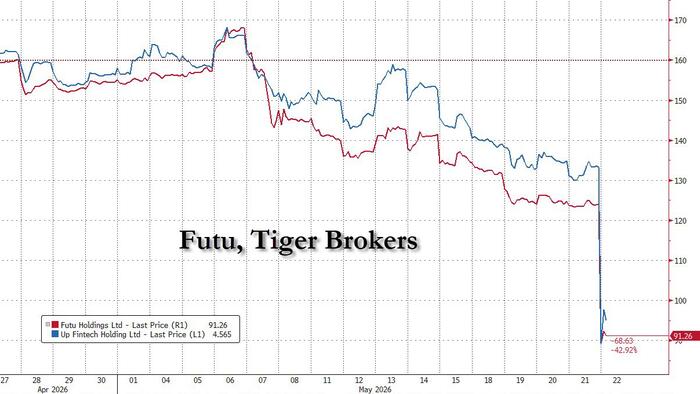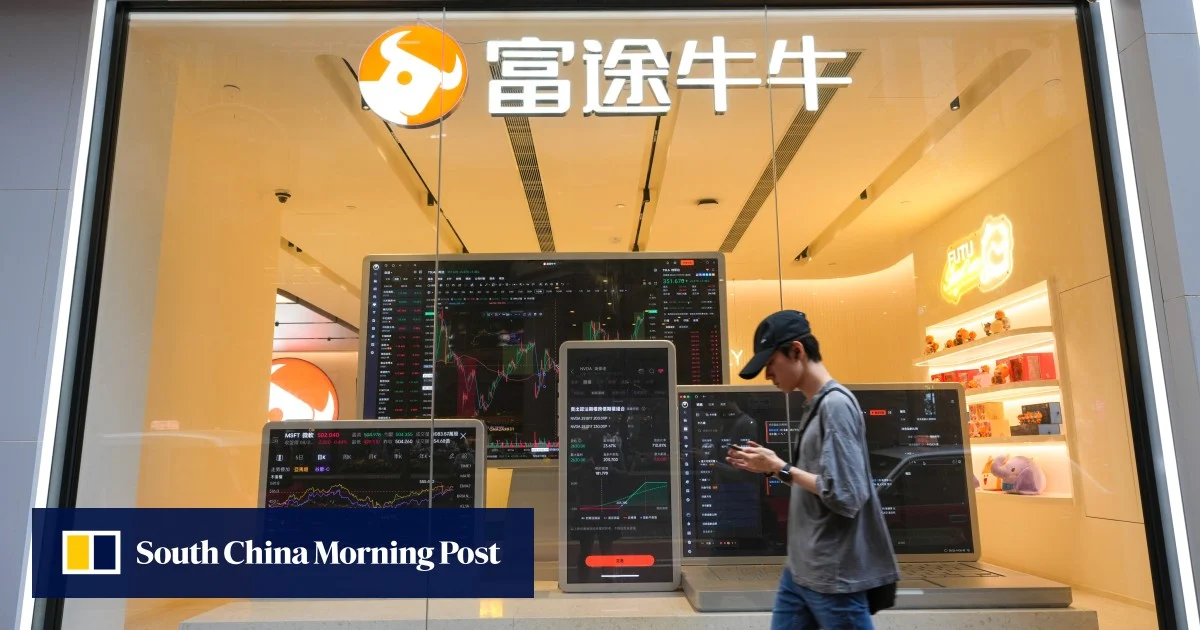
SHENZHEN: When China unveiled its toughest crackdown yet on offshore trading platforms, Beijing-based investor Elaine Liang began exploring alternatives.“The first thing I worried about was whether the trading restrictions would come immediately,” said the 30-year-old finance industry researcher, who has used Hong Kong-based brokerage app Futu since studying in the city several years ago.Her dilemma is shared by many mainland Chinese investors following a sweeping campaign launched by the China Securities Regulatory Commission (CSRC) and seven other agencies on May 22.The crackdown targets offshore brokerage platforms including Futu, which owns online platform MooMoo, and other widely used overseas trading apps like Tiger Brokers and Longbridge - both headquartered in Singapore.
Under the new measures, mainland clients using these platforms can only sell existing holdings and withdraw funds. They can no longer buy new securities or transfer money into accounts.The goal is to “completely eradicate” illegal cross-border securities activity over the next two years, regulators said - a move that marks Beijing’s most aggressive move yet against a fast-growing route used by mainland Chinese investors to access overseas markets.While regulators said the crackdown is aimed at protecting investors and curbing illegal financial activity, analysts said it also reflects Beijing’s broader effort to tighten oversight of outbound capital flows and channel overseas investing back through state-approved channels.“So I think this is more about reasserting state control over financial plumbing,” said Lizzi C Lee, a fellow on the Chinese economy at the Asia Society Policy Institute's (ASPI) Center for China Analysis.WHAT IS CHINA TARGETING?Chinese authorities are not banning overseas investing outright.Instead, regulators are targeting offshore brokerages they said have been illegally conducting cross-border securities, futures and fund business.Futu, Tiger Brokers and Longbridge were among the firms specifically named and targeted for penalties by state regulators, though the campaign extends beyond those three companies.