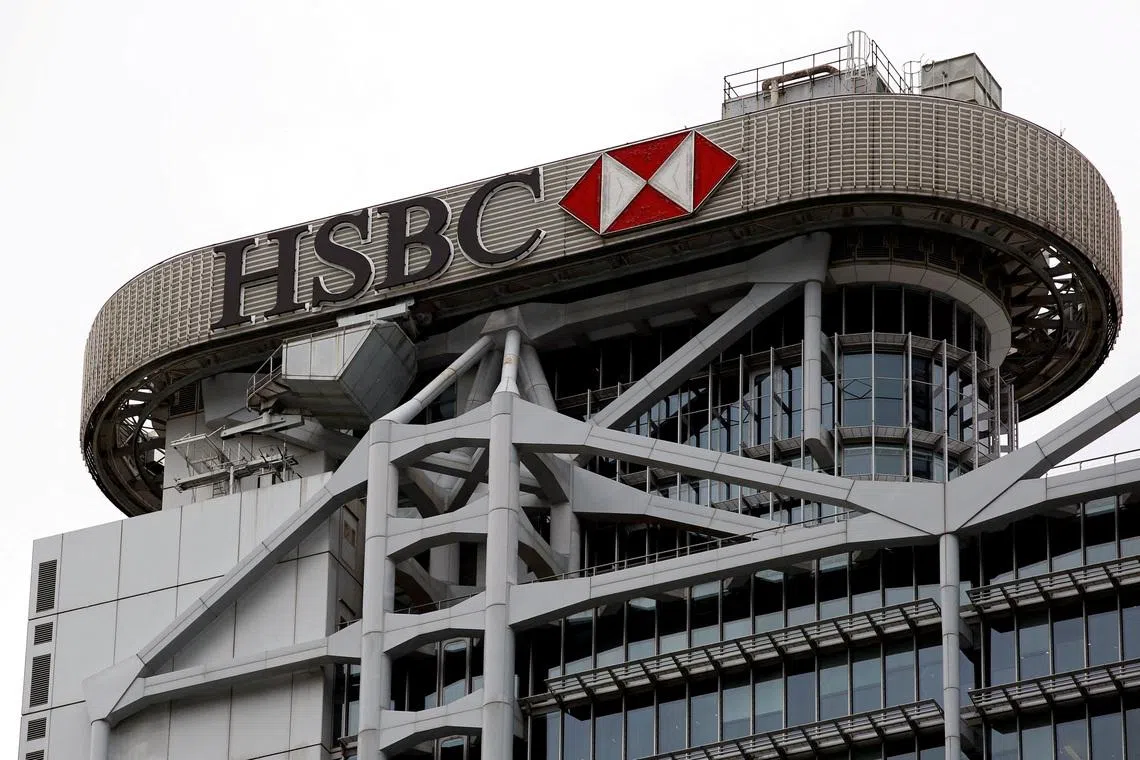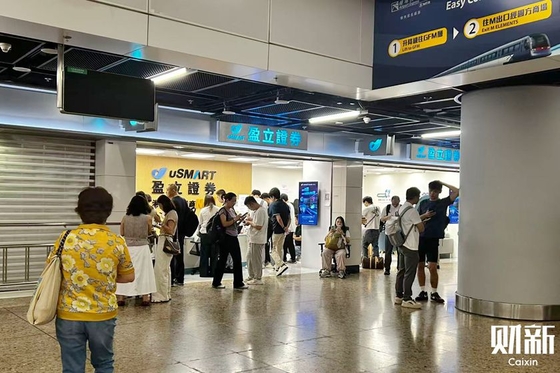
1. [para. 1][para. 2] Chinese mainland investors are rushing to Hong Kong to open bank and brokerage accounts in person, seeking ways to continue trading overseas stocks as regulators tighten scrutiny on cross-border investment activities. This wave is driven by a coordinated regulatory push to close loopholes and phase out unauthorized cross-border trading platforms over the next two years, which is squeezing major online brokerages while creating new opportunities for local Hong Kong firms.2. [para. 3][para. 4] On Wednesday, crowds of mainland visitors gathered outside branches of Chief Securities and uSMART Securities at Hong Kong’s West Kowloon high-speed rail station. Many held only mainland identity cards, but staff indicated they could open valid accounts for Hong Kong and U.S. stock trading if they provided the required documents. The rush followed a May 22 announcement by the China Securities Regulatory Commission and seven other agencies of a sweeping rectification plan targeting illegal cross-border securities, futures, and fund businesses. Around the same time, Hong Kong’s Securities and Futures Commission and Monetary Authority updated rules for mainland clients opening investment accounts, narrowing the gray area around offshore trading.3. [para. 5][para. 6] Beijing authorities aim to eliminate illegal online cross-border financial operations within two years. Existing mainland clients of such offshore platforms will be limited to selling assets and withdrawing funds, while local websites, trading apps, and servers are to be shut down. However, Hong Kong’s updated guidance does not impose a blanket ban on mainland residents opening accounts in person. Instead, licensed brokerages and banks must conduct additional checks to verify that clients’ investment funds come from legitimate sources outside the mainland, effectively moving the regulatory checkpoint to the funding stage of the account-opening process.4. [para. 7][para. 8] Caixin has learned that online brokers Up Fintech (Tiger Brokers), Futu Holdings, and Long Bridge HK have stopped opening accounts for mainland residents who hold only mainland ID cards. Tiger Brokers will bar existing mainland-based users from opening new positions or adding to current holdings starting June 12. Smaller Hong Kong brokerages view these restrictions on larger online rivals as a business opportunity. At Chief Securities, mainland investors must present a mainland ID card, a landing slip issued upon entry to Hong Kong, a valid travel permit for Hong Kong and Macao, and proof of an existing Hong Kong bank account. uSMART Securities requires similar documents but allows clients to apply for a brokerage account while their Hong Kong bank account application is still being processed.5. [para. 9][para. 10] An industry insider noted that licensed local brokerages in Hong Kong are not directly regulated by the mainland’s securities watchdog. In theory, firms do not violate Hong Kong rules by opening accounts for mainland clients as long as clients sign written declarations confirming their investment funds come from legitimate offshore sources. The rush is not limited to brokerages: at a nearby HSBC branch inside the station, dozens queued to open savings accounts, with some planning to use them later for trading accounts. In Tsim Sha Tsui, insurance agents have begun offering free help with bank and brokerage account applications, claiming partnerships that can smooth the process for mainland visitors.6. [para. 11][para. 12][para. 13] Brokerage staff and insurance agents said the regulatory penalties and restrictions facing Tiger Brokers, Futu, and LongBridge are firm-specific compliance issues and will not affect other institutions serving mainland clients. However, industry experts warn of legal and compliance risks. A Hong Kong private banker cautioned that mainland investors who sign declarations about the offshore source of their funds could face legal liability if authorities later find the money did not come through legitimate channels. Mainland residents remain subject to strict capital controls, including an annual foreign-exchange quota of $50,000 per person intended for personal consumption, not for capital-account transactions such as offshore securities. Furthermore, China has exchanged tax information with Hong Kong under the Common Reporting Standard since 2018, giving mainland tax authorities visibility into financial accounts held by mainland residents in Hong Kong.AI generated, for reference only
Mainland Investors Scramble for Hong Kong Accounts as Offshore Trading Curbs Bite
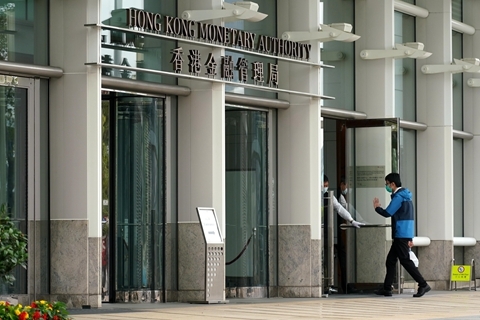
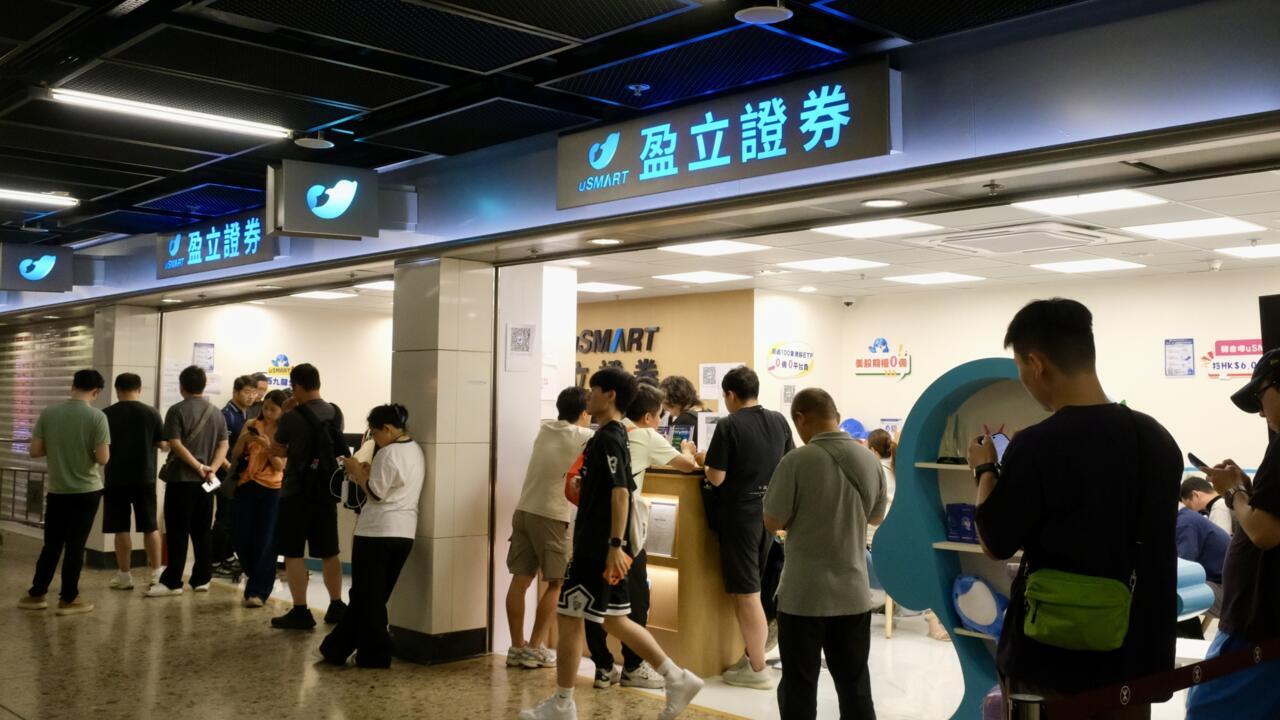
New restrictions on cross-border brokerage platforms are pushing investors to open accounts in person, creating a windfall for smaller Hong Kong firms
665 words~3 min read